Introduction
The demand for non-invasive treatment technologies has grown rapidly over the past decade. Patients are increasingly looking for procedures that minimize discomfort, require little to no downtime, and support the body's natural healing processes rather than relying solely on aggressive interventions. This shift has encouraged aesthetic clinics, podiatry practices, rehabilitation centers, and wellness facilities to adopt technologies that combine safety, efficiency, and patient comfort.
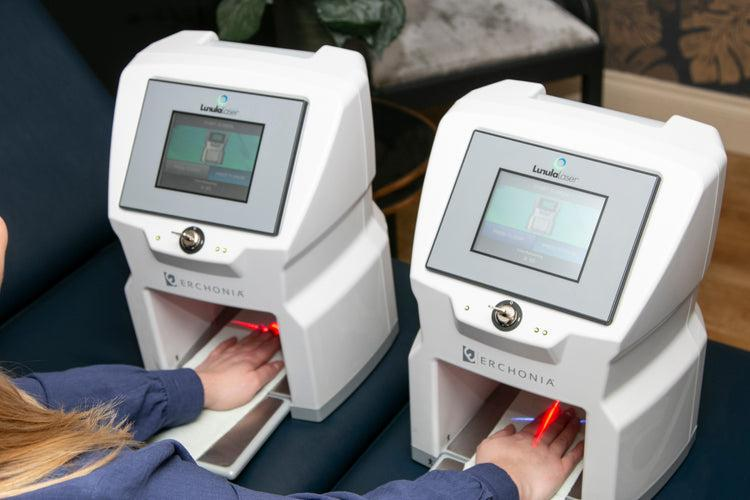
Among these innovations, Lunula laser technology has attracted considerable attention. Unlike traditional surgical lasers that rely on thermal destruction, Lunula lasers utilize Low-Level Laser Therapy (LLLT)—also known as photobiomodulation (PBM)—to stimulate biological responses at the cellular level without generating significant heat.
Although Lunula laser systems are best known for supporting the management of nail-related conditions, the underlying technology represents a broader trend in modern clinical practice: harnessing light energy to promote tissue health through non-invasive mechanisms. This evolution reflects a growing preference among healthcare professionals for treatment platforms that emphasize patient experience while delivering consistent clinical outcomes.
For manufacturers and suppliers of professional aesthetic equipment, understanding the principles and applications of Lunula lasers provides valuable insight into the expanding role of laser-based phototherapy. More importantly, it illustrates how advanced light technologies continue to diversify treatment portfolios across medical and aesthetic environments.
Background: Why Clinics Are Moving Toward Non-Invasive Light-Based Therapies
Modern patients have changed dramatically in their expectations. While effectiveness remains essential, comfort, convenience, and safety have become equally influential when choosing treatment options. Procedures involving surgery, extended recovery periods, or significant discomfort are increasingly being complemented—or, in appropriate cases, replaced—by non-invasive technologies.
This transformation is particularly evident in professional clinics seeking to improve patient satisfaction while maximizing operational efficiency.
Traditional interventions often involve several challenges:
- Treatment-associated discomfort
- Extended recovery periods
- Risk of tissue damage
- Increased post-treatment care
- Higher operational complexity
- Limited patient acceptance for certain indications
These factors have encouraged clinicians to integrate technologies that work with the body's biological processes instead of relying exclusively on ablative or invasive methods.
One of the most promising developments in this area is photobiomodulation, where carefully selected wavelengths of light interact with cellular structures to support normal physiological activity. Rather than destroying tissue, these systems aim to optimize cellular performance, making them suitable for repeated treatment sessions with minimal interruption to patients' daily routines.
The Rise of Low-Level Laser Therapy
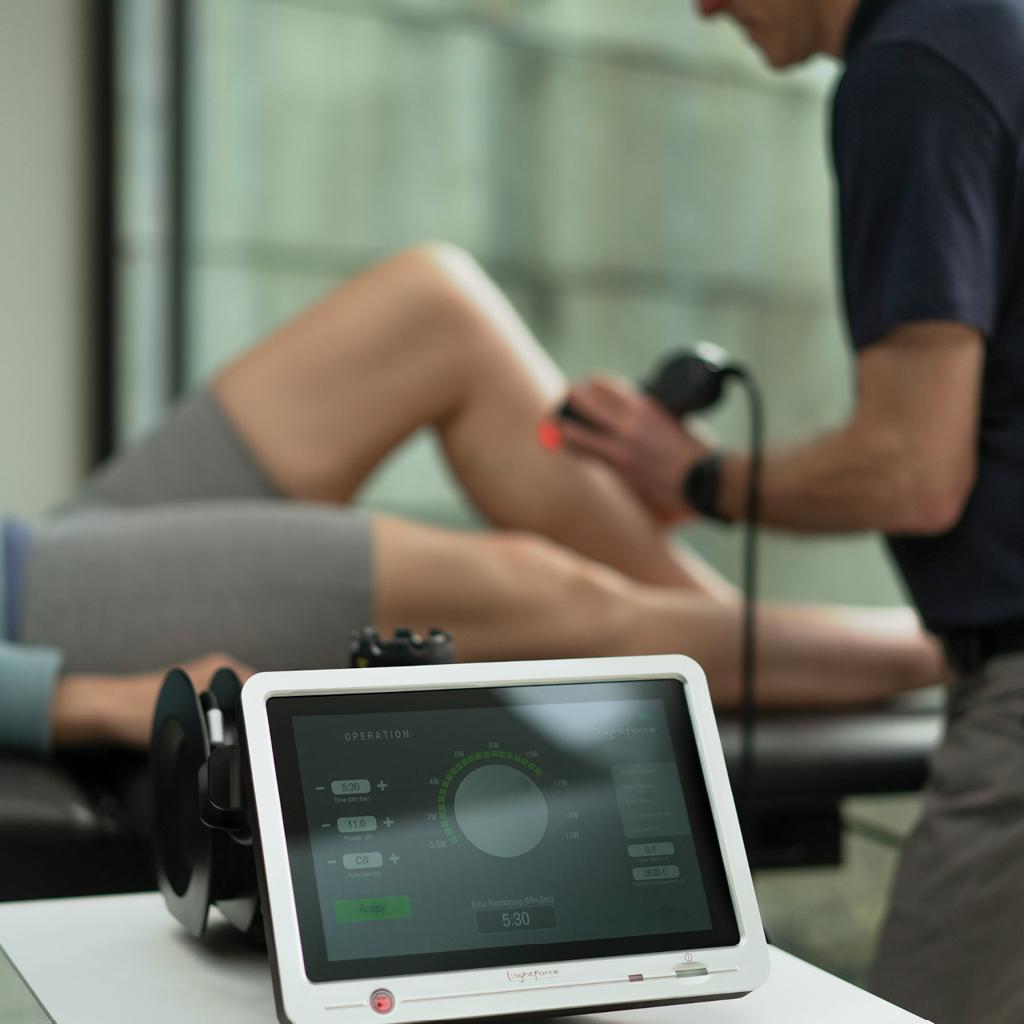
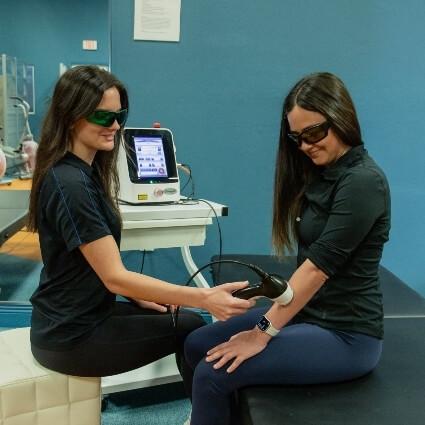
Low-Level Laser Therapy has been investigated for decades across multiple medical disciplines. Researchers have explored its potential role in tissue repair, inflammation management, circulation support, and pain modulation. While treatment protocols continue to evolve, the technology has gained recognition for its excellent safety profile when used according to clinical guidelines.
Unlike high-powered surgical lasers that intentionally generate thermal effects, LLLT operates at significantly lower energy levels. This allows photons to penetrate tissue and interact with cellular photoreceptors without causing visible tissue destruction.
The result is an entirely different therapeutic philosophy.
Instead of removing or damaging tissue to stimulate regeneration, photobiomodulation seeks to encourage normal cellular activity through controlled light exposure. This makes treatment sessions comfortable for most patients and reduces many of the concerns commonly associated with invasive procedures.
For clinics, this translates into several operational advantages:
- Comfortable treatment experiences that encourage patient compliance.
- No anesthesia requirements for routine applications.
- Minimal recovery time.
- Efficient appointment scheduling.
- Greater versatility across multidisciplinary clinical environments.
- Opportunities to expand non-invasive service offerings.
As patient demand continues shifting toward wellness-oriented healthcare, technologies that prioritize comfort while maintaining professional treatment standards are becoming increasingly valuable investments for modern practices
Technology & Mechanism: Understanding How Lunula Lasers Work
Unlike conventional medical lasers that rely on cutting, vaporizing, or heating tissue, Lunula laser systems are designed around the principle of photobiomodulation (PBM). Their objective is not to destroy cells but to influence cellular behavior by delivering carefully controlled, low-intensity light energy.
This distinction is fundamental. Thermal lasers achieve clinical outcomes through heat, whereas photobiomodulation seeks to activate biological responses without causing significant temperature increases in the treated area. As a result, patients typically experience a comfortable procedure without the discomfort commonly associated with more aggressive laser technologies.
For clinics, this means the technology can often be integrated into treatment protocols where patient comfort and treatment consistency are priorities.
The Science Behind Photobiomodulation
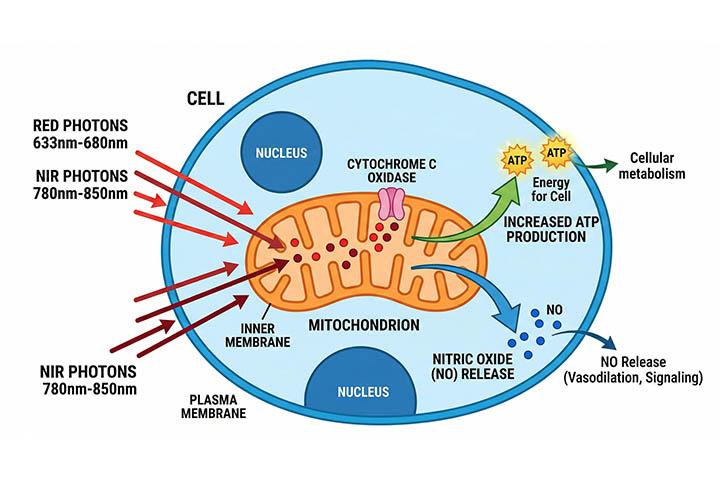
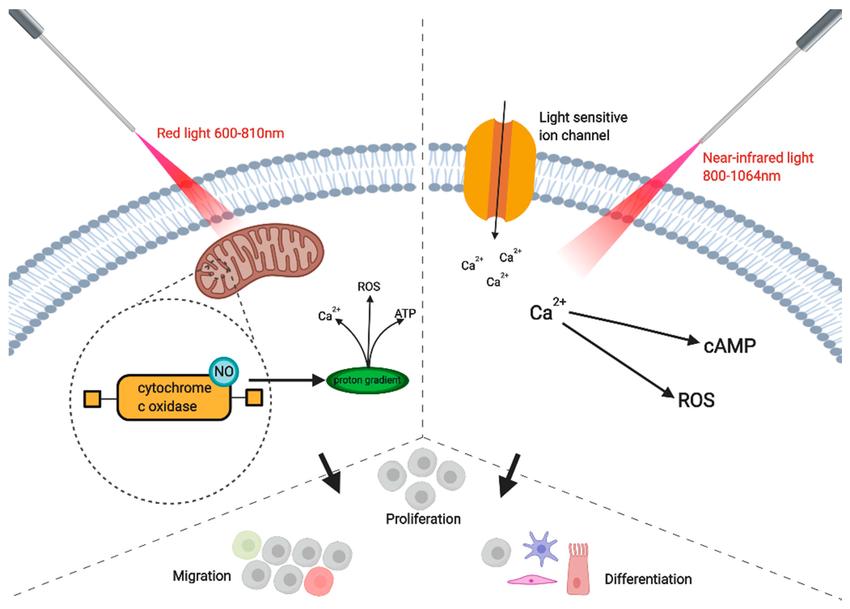
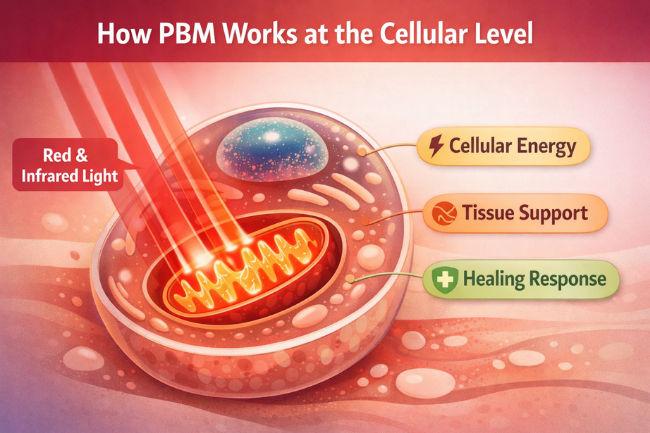
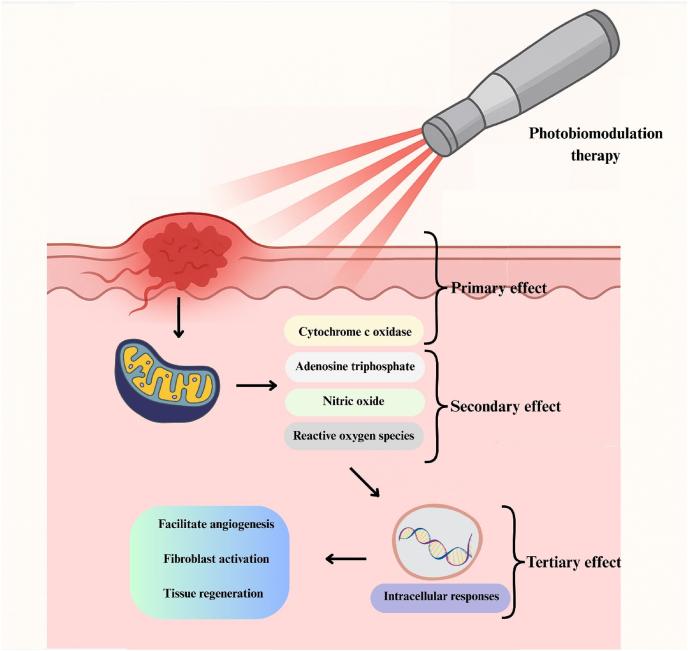
Photobiomodulation is based on the interaction between specific wavelengths of light and intracellular chromophores—light-sensitive molecules capable of absorbing photon energy.
One of the primary targets is believed to be cytochrome c oxidase, an enzyme within the mitochondrial respiratory chain. When photons are absorbed, a cascade of biochemical events may occur, including improved mitochondrial activity and increased production of adenosine triphosphate (ATP), the primary energy source for cellular functions.
Although ongoing research continues to refine our understanding of these mechanisms, photobiomodulation has been investigated across multiple fields for its ability to support normal cellular metabolism and physiological recovery.
Potential biological responses associated with PBM include:
- Enhanced cellular energy production
- Improved microcirculation
- Support for normal tissue regeneration
- Modulation of inflammatory responses
- Promotion of healthy tissue function
- Better overall cellular communication
Rather than forcing biological change through tissue injury, PBM encourages cells to perform more efficiently under appropriate physiological conditions.
Dual-Wavelength Technology: Why Blue and Red Light Work Together
One of the defining characteristics of Lunula laser systems is their use of dual-wavelength laser technology, combining blue and red laser light within a single treatment session.
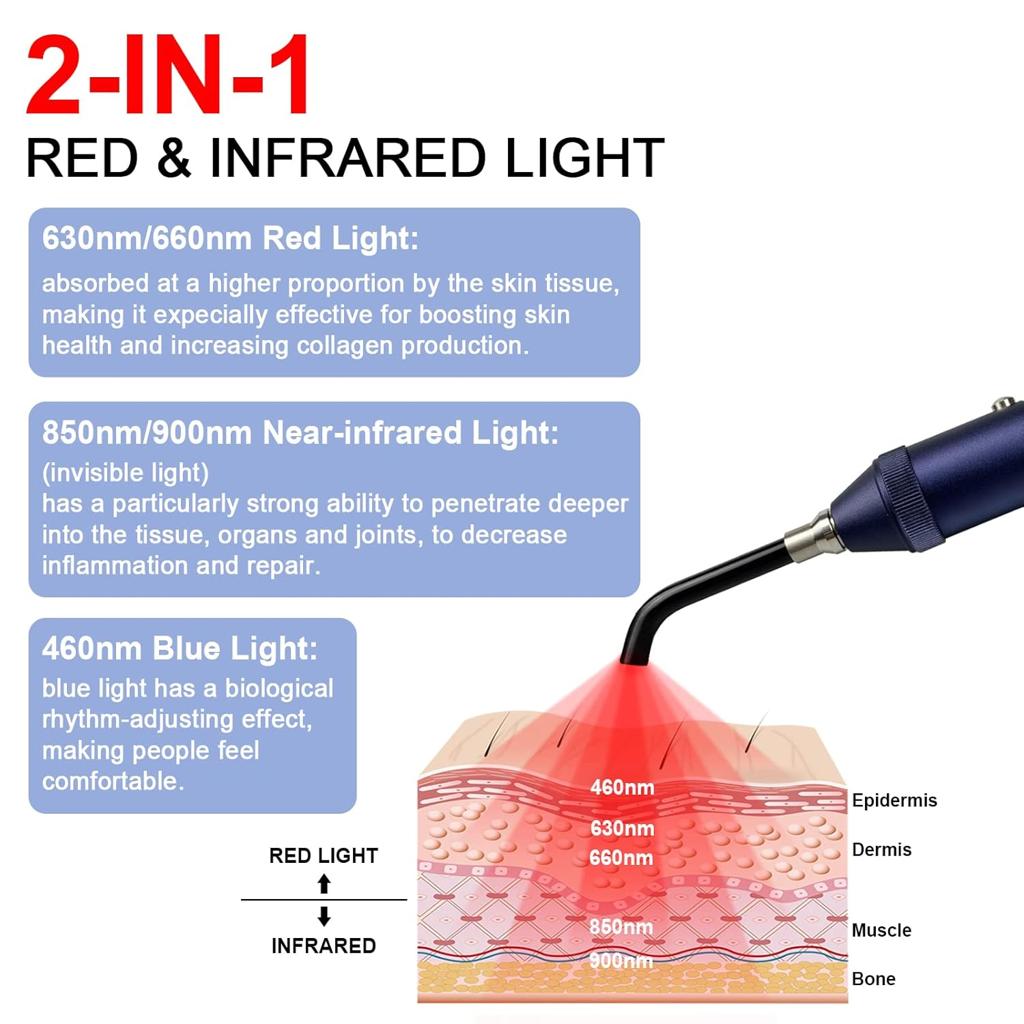
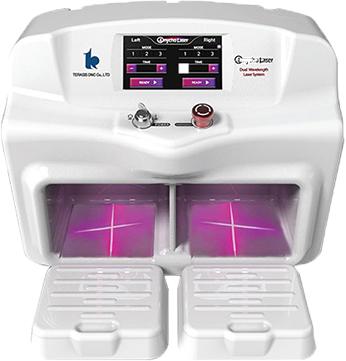
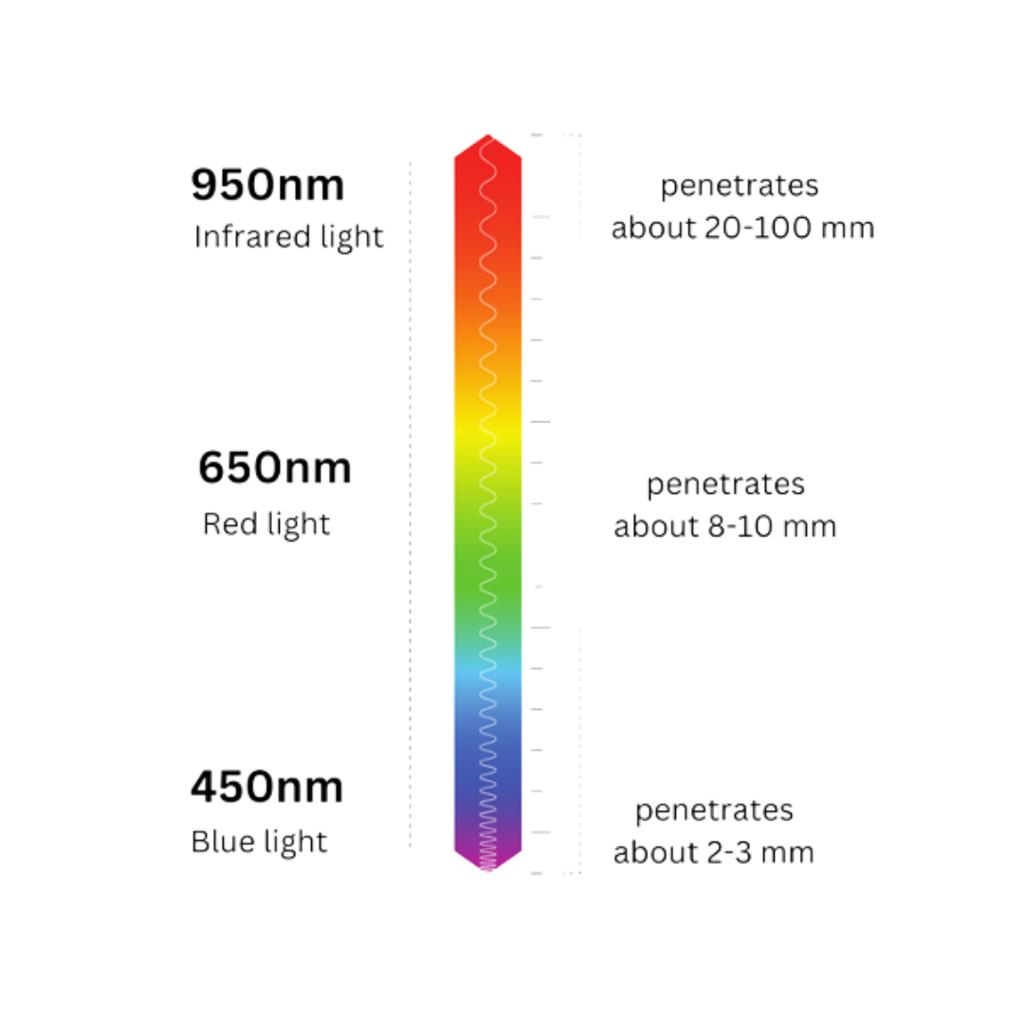
Instead of relying on a single wavelength, this combination is intended to create complementary biological effects.
Although exact specifications vary between manufacturers and clinical systems, the general therapeutic concept includes:
Blue Laser
Blue wavelengths primarily interact with superficial tissues.
Clinical investigations suggest that blue laser light may contribute to:
- Surface-level photobiomodulation
- Support for localized tissue environments
- Light interaction with microorganisms in specific clinical applications
- Enhancement of superficial treatment coverage
Its relatively shallow penetration allows clinicians to focus energy closer to the treatment surface.
Red Laser
Red laser wavelengths penetrate more deeply into biological tissues.
These wavelengths are commonly associated with:
- Improved tissue penetration
- Cellular metabolic support
- Microcirculation enhancement
- Deep photobiomodulation effects
Because red light reaches deeper structures, it complements the more superficial activity of blue wavelengths.
Together, these wavelengths provide a broader therapeutic coverage than either wavelength alone.
Non-Thermal Energy Delivery
Another significant advantage of Lunula laser technology is its non-thermal operating principle.
Unlike ablative lasers used for skin resurfacing or surgical procedures, Lunula systems do not depend on tissue heating to achieve their intended biological effects.
This offers several practical advantages:
- No burning sensation during treatment
- Reduced risk of thermal tissue injury
- Improved patient comfort
- No smoke or tissue vaporization
- Minimal interruption to daily activities
- Consistent treatment parameters between sessions
For practitioners, the absence of thermal damage also simplifies many aspects of patient management, particularly when repeated treatment sessions are required.
Automated Treatment Protocols Improve Clinical Consistency
Modern professional laser systems increasingly incorporate automated treatment protocols that help standardize clinical procedures.
Lunula laser platforms typically feature:
- Pre-programmed treatment parameters
- Consistent energy delivery
- Controlled exposure duration
- Uniform treatment coverage
- User-friendly operation
- Repeatable treatment sessions
These features reduce operator variability while helping clinics maintain standardized service quality.
Although practitioner training remains essential, automation allows experienced clinicians to integrate treatments more efficiently into busy clinical schedules.
Why This Matters for Professional Clinics
As healthcare continues moving toward evidence-informed, patient-centered care, technologies that combine comfort, safety, and operational efficiency are becoming increasingly attractive.
Lunula laser technology reflects this direction by offering:
- A completely non-invasive treatment experience
- Comfortable procedures with high patient acceptance
- Standardized treatment protocols
- Minimal maintenance requirements
- Integration into multidisciplinary practices
- Opportunities to broaden service portfolios without adding highly invasive procedures
Rather than replacing existing therapeutic options, photobiomodulation technologies often complement broader treatment strategies, giving clinics another tool to address diverse patient needs while maintaining a focus on safety and patient satisfaction
Advantages & Comparison: Why Professional Clinics Are Embracing Lunula Laser Technology
As patient expectations continue to evolve, clinics are evaluating new technologies not only for their clinical effectiveness but also for their ability to improve workflow, enhance patient satisfaction, and expand treatment offerings. Lunula laser technology aligns with these objectives by combining non-invasive treatment principles with user-friendly operation and a comfortable patient experience.
While every treatment modality has its place in clinical practice, photobiomodulation offers a distinct approach that differs significantly from traditional laser procedures.
Lunula Lasers vs. Conventional Therapeutic Lasers
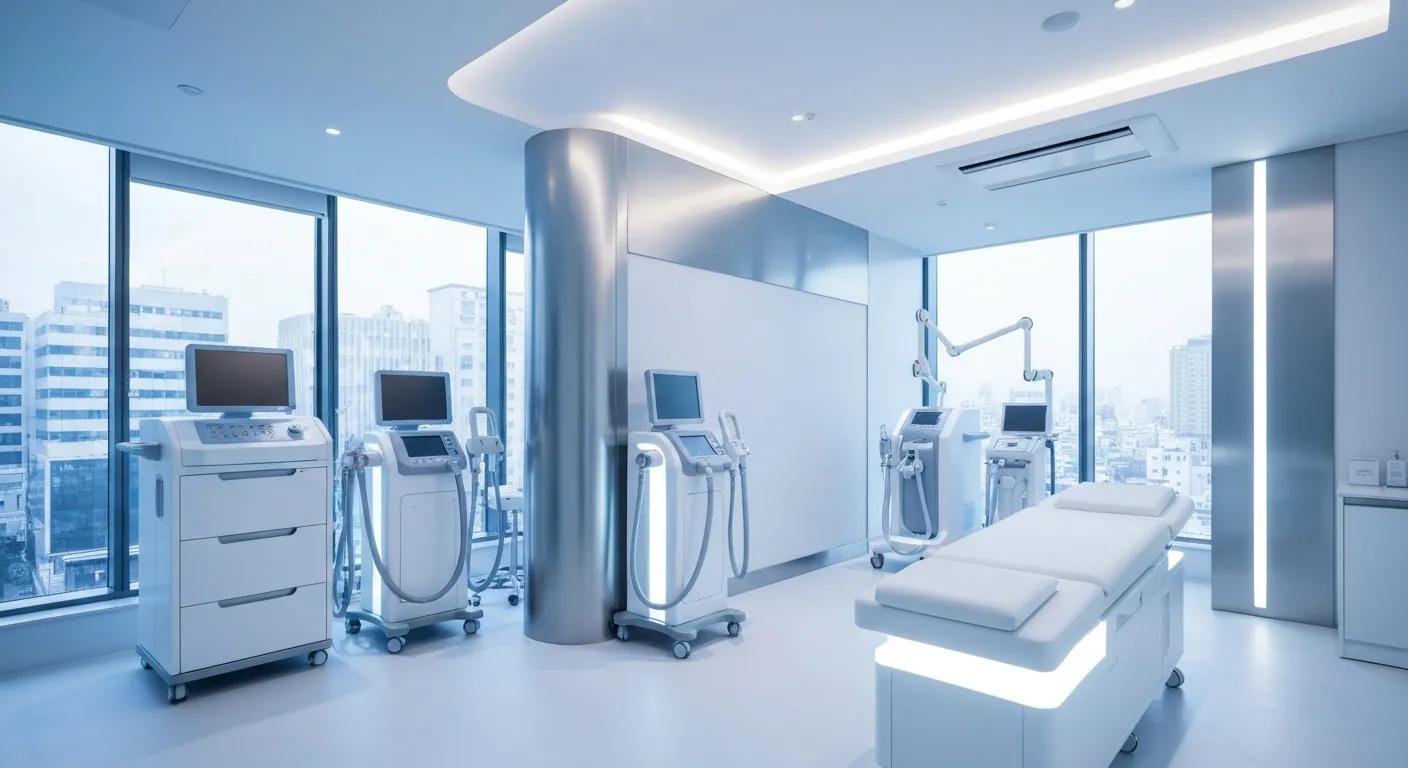
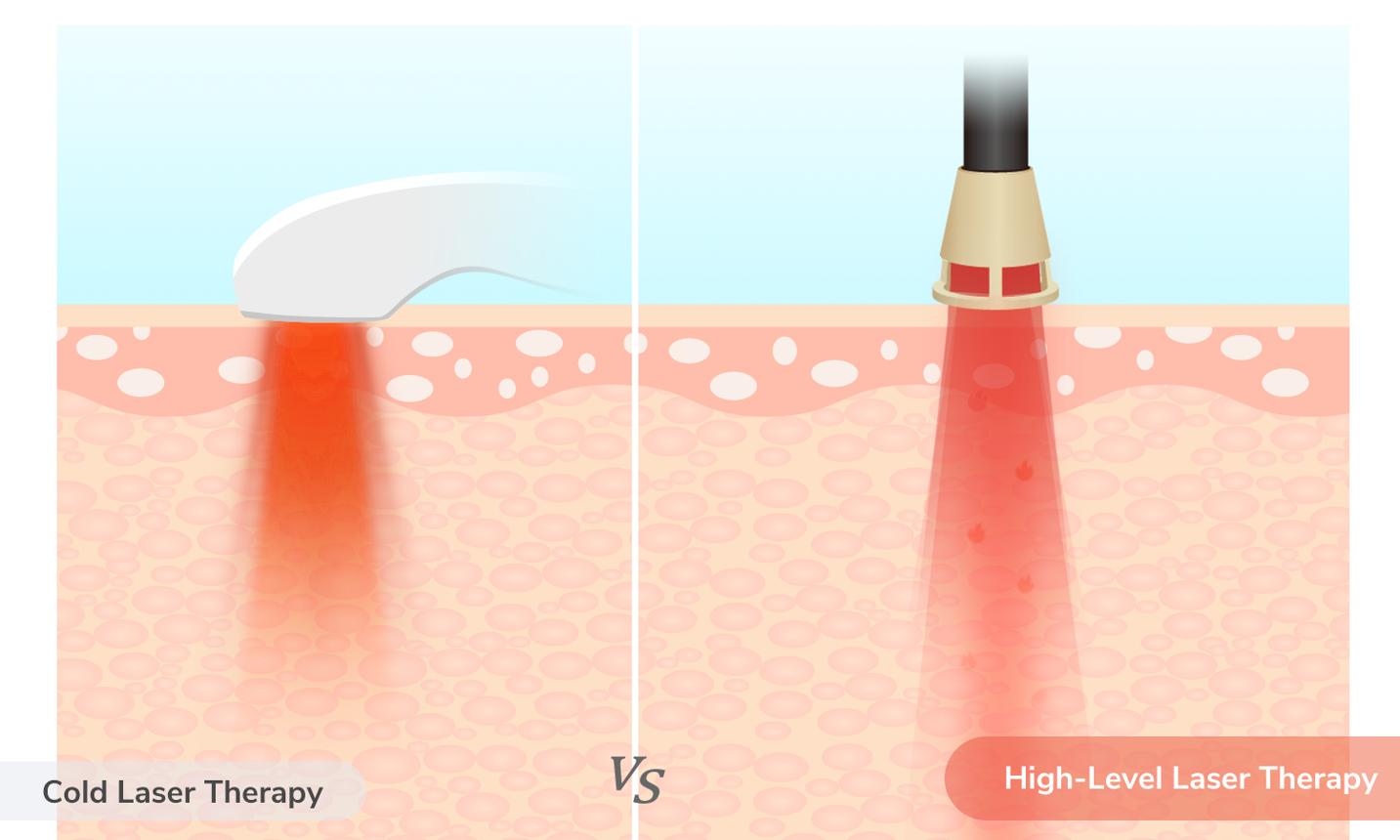
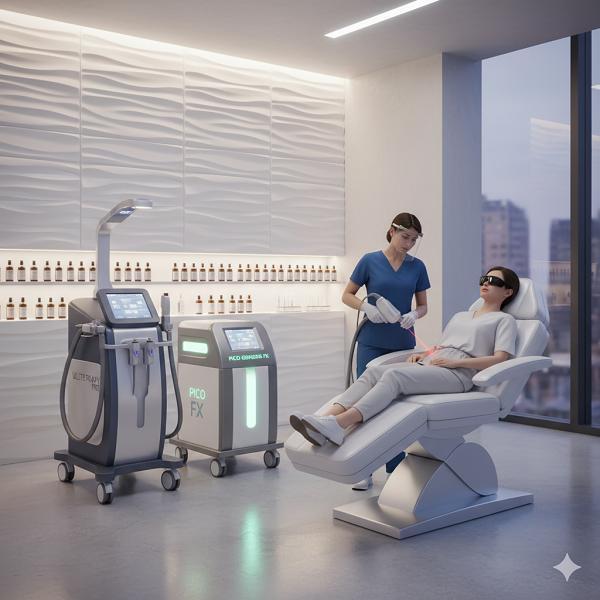
Traditional therapeutic or surgical lasers typically rely on thermal energy to cut, coagulate, ablate, or remodel tissue. These procedures can be highly effective for appropriate indications, but they often require greater operator expertise, involve post-treatment care, and may result in temporary discomfort or downtime.
Lunula laser systems, by contrast, are designed to stimulate biological processes through low-level light energy rather than tissue destruction.
The differences can be summarized as follows:
| Feature | Traditional Lasers | Lunula Laser Technology |
|---|---|---|
| Working Principle | Thermal energy | Photobiomodulation (PBM) |
| Tissue Interaction | Ablation or coagulation | Cellular stimulation |
| Patient Comfort | May involve discomfort | Generally comfortable |
| Downtime | Varies by procedure | Typically minimal |
| Heat Generation | Significant | Minimal |
| Treatment Goal | Tissue modification | Support natural biological activity |
This distinction makes Lunula technology particularly attractive for clinics seeking to diversify their non-invasive treatment options.
A Better Experience for Patients
Patient experience has become one of the most important factors influencing treatment acceptance and long-term satisfaction. Many individuals actively seek therapies that fit into their daily routines without requiring significant recovery time.
Several characteristics of Lunula laser treatments contribute to this positive experience:
- Non-contact or minimally invasive treatment delivery
- Comfortable treatment sessions without excessive heat
- No need for anesthesia in routine applications
- Little to no interruption of normal daily activities
- Repeatable treatment protocols suitable for staged treatment plans
These features can improve patient compliance, especially when multiple sessions are recommended to achieve optimal outcomes.
Why Professional Equipment Makes a Difference
Although consumer-grade light therapy devices have become increasingly available, professional clinical systems differ substantially in both design and performance.
Professional Lunula laser platforms are engineered for clinical environments where precision, consistency, and treatment reliability are essential.
Compared with many home-use devices, professional systems typically offer:
- Higher optical precision
- Stable wavelength output
- Calibrated energy delivery
- Larger treatment coverage
- Advanced safety features
- Evidence-based treatment protocols
- Durable construction for continuous clinical use
Equally important, treatments are administered by trained professionals who can evaluate individual patient needs, select appropriate protocols, monitor progress, and integrate photobiomodulation into broader treatment plans.
This combination of advanced technology and professional expertise provides a level of consistency that is difficult to achieve with self-administered home devices.
Operational Advantages for Clinics
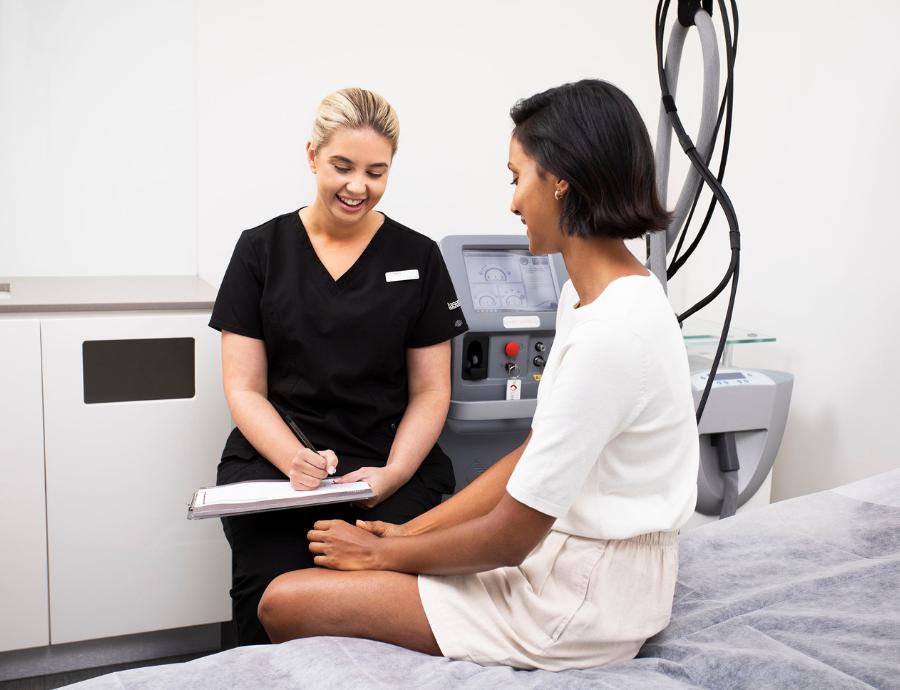
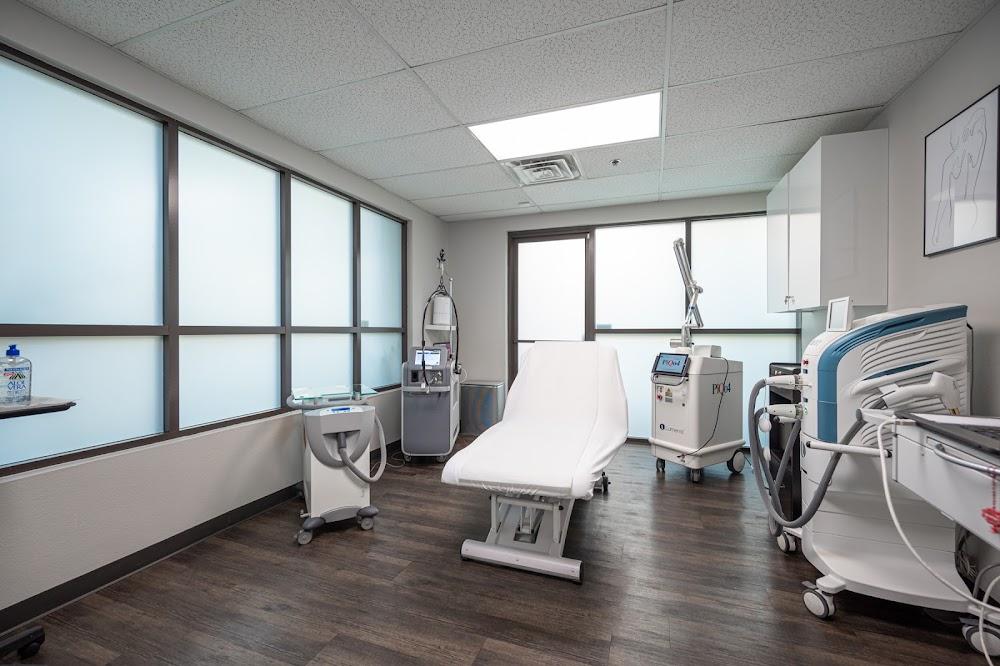
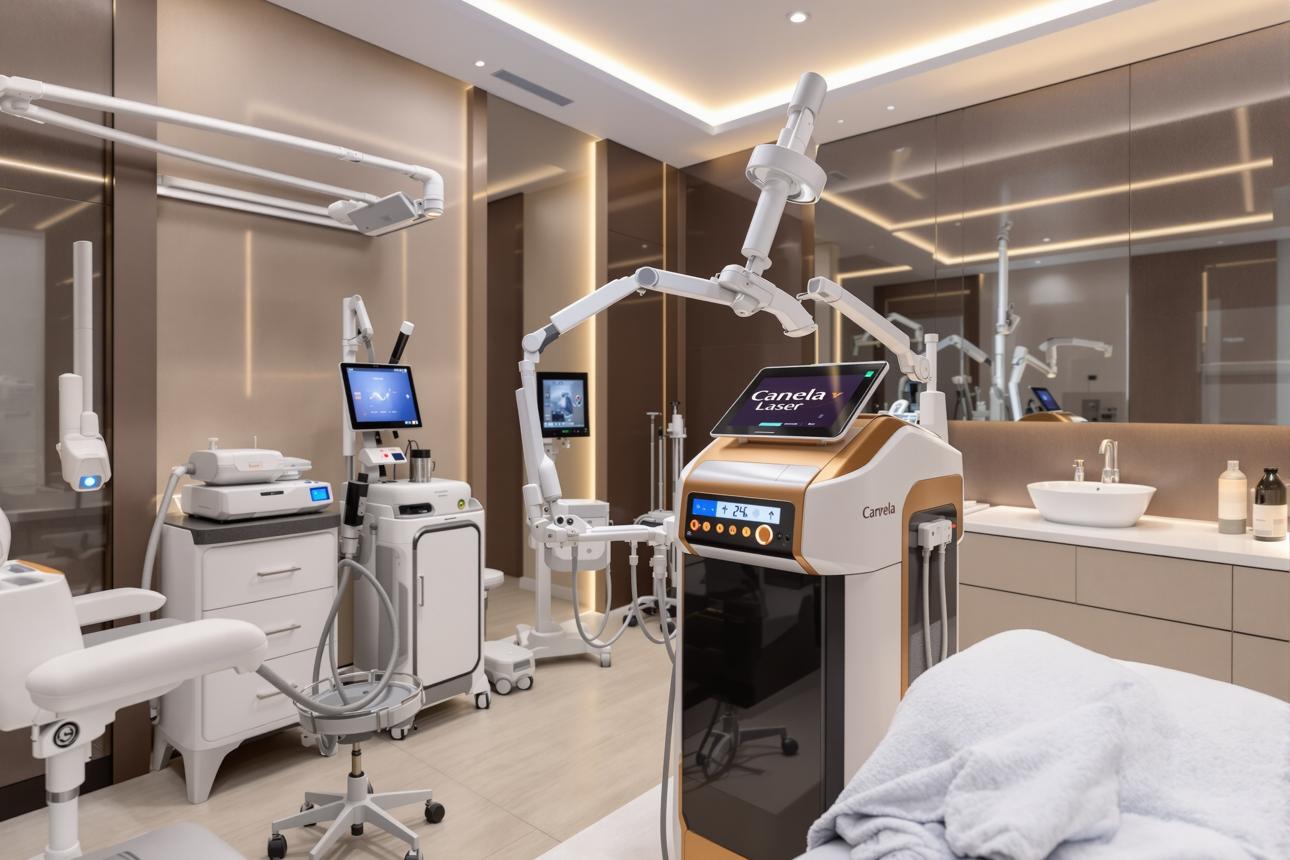
From a business perspective, introducing non-invasive technologies can also enhance operational efficiency.
Because Lunula laser treatments generally require minimal preparation and no recovery facilities, clinics may benefit from:
- Efficient appointment scheduling
- Reduced turnover time between patients
- Simplified treatment workflows
- Lower consumable requirements compared with some invasive procedures
- Opportunities to integrate treatments into existing service packages
In multidisciplinary practices, these characteristics support flexible scheduling while allowing practitioners to serve a broader range of clients.
Applications: Meeting Diverse Clinical and Client Needs
The versatility of photobiomodulation has contributed to its adoption across multiple healthcare disciplines. While Lunula laser systems are widely recognized for applications involving nail health, the underlying PBM technology has broader relevance wherever non-invasive light-based support may be appropriate.
Potential clinical settings include:
- Podiatry clinics
- Medical aesthetic centers
- Wellness clinics
- Rehabilitation facilities
- Integrative healthcare practices
- Sports recovery centers
Within these environments, clinicians increasingly value technologies that can complement existing treatment strategies while maintaining a high standard of patient comfort.
As consumer awareness of non-invasive therapies continues to grow, many patients now inquire specifically about light-based treatment options that avoid needles, surgery, or extended downtime. Clinics equipped with advanced photobiomodulation systems are therefore well positioned to respond to this evolving demand.
Rather than replacing established therapeutic methods, Lunula laser technology serves as an additional clinical resource—one that expands treatment possibilities while supporting a modern, patient-centered approach to care
Conclusion
The evolution of non-invasive treatment technologies continues to reshape modern clinical practice, and Lunula laser systems represent an important example of this transformation. By utilizing photobiomodulation instead of thermal tissue destruction, these systems provide clinicians with an additional tool for supporting patient care while prioritizing comfort, safety, and operational efficiency.
Although every treatment modality has its own indications, the growing demand for procedures with minimal downtime has increased interest in low-level laser technologies across medical, wellness, and aesthetic sectors. Professional clinics are increasingly seeking versatile platforms that integrate seamlessly into existing treatment protocols while enhancing the overall patient experience.
For manufacturers and providers of professional aesthetic equipment, this trend highlights the importance of developing reliable, clinically oriented laser systems that combine scientific principles with practical usability. Advanced light-based technologies are no longer limited to specialized medical fields—they are becoming an integral part of comprehensive, patient-centered treatment strategies.
As research into photobiomodulation continues to expand, Lunula laser technology is expected to play an increasingly valuable role in supporting non-invasive clinical care. For clinics looking to broaden their service portfolio while maintaining high standards of professionalism, safety, and treatment consistency, investing in advanced laser solutions represents a forward-looking approach to modern healthcare
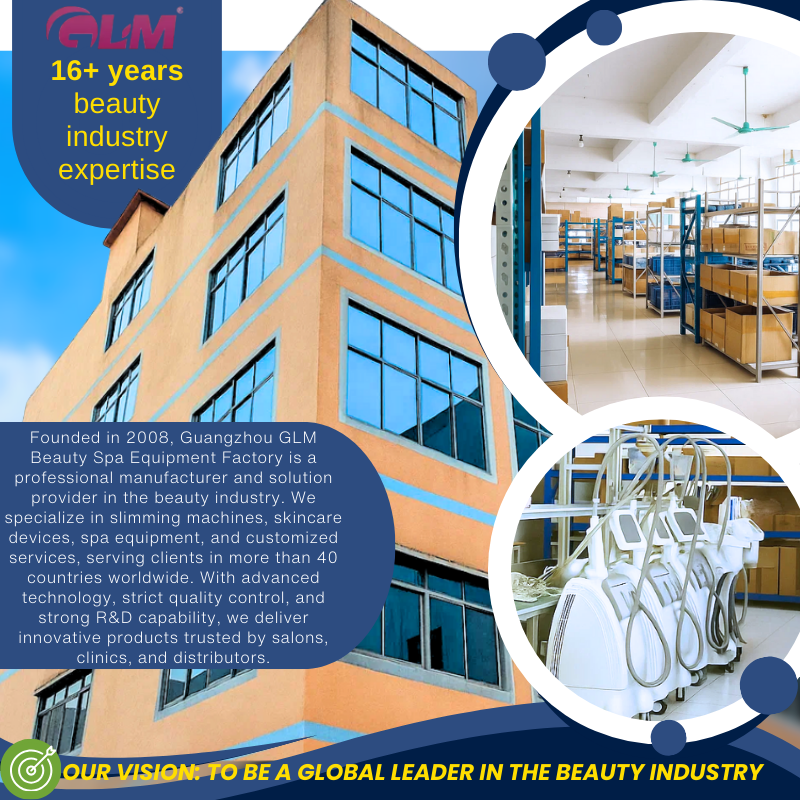
Founded in 2008, Guangzhou GLM Beauty Spa Equipment Factory specializes in research, development, manufacture and selling of beauty and slimming machines. Our production base is located in Guangzhou City, Guangdong Province, China. Since our foundation, we have introduced advanced technologies and equipment, to assure high quality and high performance of our products. With professional marketing guide and excellent after-sales service, our products have been exported to over 20 countries and regions, including Southeast Asia, the Middle East, Europe and the United States, won worldwide praises and gained a good reputation