Unveiling the Science and Safety of Fat Cavitation Machines
Fat cavitation machines have gained immense popularity in the beauty industry as a non-invasive method for eliminating stubborn fat and achieving a toned and sculpted body. This blog aims to explore the scientific principles behind fat cavitation, shed light on the safety aspects of these machines, and discuss the importance of functional frequency in achieving optimal results.
Understanding Fat Cavitation Machines: A Detailed Exploration
Fat cavitation machines have emerged as a groundbreaking advancement in the realm of aesthetic treatments, offering a non-invasive and effective alternative to traditional liposuction. Leveraging ultrasound technology, these machines work by emitting low-frequency ultrasound waves that create microbubbles within the targeted fat cells. These bubbles, through their vibrational energy, disrupt the membranes of the fat cells, causing the release of fatty acids and triglycerides that are subsequently metabolized by the body.
How Fat Cavitation Works
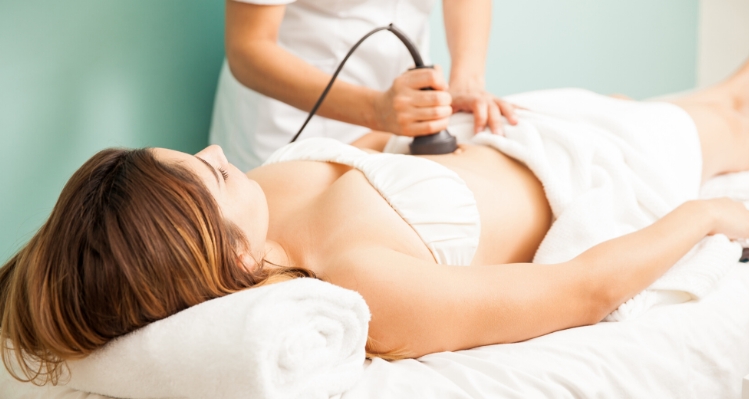
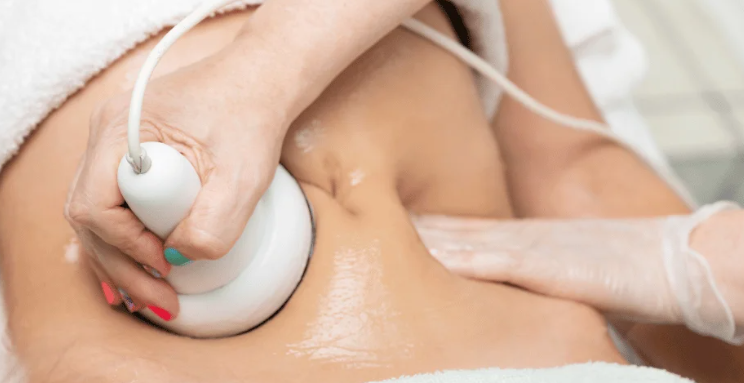
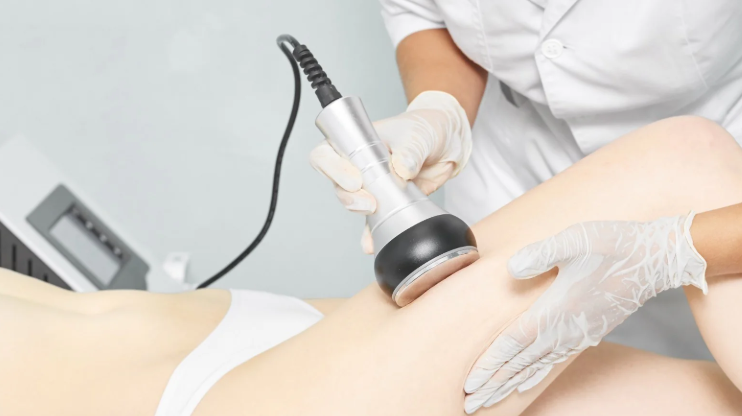
The process begins with the application of the fat cavitation machine to the desired treatment area. The machine's handpiece generates ultrasound waves, which are carefully controlled to ensure precision and safety. As the waves penetrate the skin, they create microbubbles within the adipose tissue. These bubbles oscillate and expand, generating heat and mechanical stress on the fat cell membranes. This stress leads to the rupture of the membranes, thereby releasing the contents of the fat cells into the interstitial fluid.
Once released, the fatty acids and triglycerides are transported through the lymphatic system to the liver, where they undergo metabolism. This process not only reduces the volume of fat cells in the treated area but also stimulates collagen production, which can help improve skin elasticity and texture.
Benefits of Fat Cavitation
One of the most significant advantages of fat cavitation is its non-invasive nature. Unlike liposuction, which involves surgical incisions and anesthesia, fat cavitation requires no downtime or recovery period. Patients can resume their normal activities immediately after the treatment, making it an ideal choice for those with busy lifestyles.
Another benefit of fat cavitation is its ability to target specific areas of the body where fat tends to accumulate. This precision allows for a more tailored approach to fat reduction, making it an effective tool for body sculpting. Areas such as the abdomen, thighs, hips, and arms can be treated with minimal discomfort and maximum effectiveness.
Safety Considerations
Despite its many benefits, fat cavitation is not suitable for everyone. Individuals with certain medical conditions, such as liver or kidney disease, diabetes, or pregnancy, should avoid this treatment. It is crucial to consult with a qualified healthcare professional before undergoing any fat cavitation treatments to ensure its safety and appropriateness for your specific circumstances.
The side effects of fat cavitation are generally minimal and temporary. Some patients may experience mild redness, bruising, or swelling in the treated area, but these effects usually resolve within a few hours or days. The procedure does not require anesthesia, further reducing the risk associated with sedation.
Scientific Evidence
The effectiveness of fat cavitation machines is supported by a growing body of scientific evidence. Studies have shown that fat cavitation treatments can significantly reduce subcutaneous fat and improve body shape. For example, a study published in the Journal of Cosmetic Dermatology reported that 89% of participants experienced a reduction in abdominal fat after a series of fat cavitation sessions. The study also noted improvements in skin tightening and cellulite reduction.
Functional Frequency
The functional frequency of fat cavitation machines plays a crucial role in determining the results achieved through treatment. Different frequencies can be used depending on the depth of the fat cells and the desired outcome.
Low-frequency ultrasound waves, typically between 30 and 40 kHz, are effective for targeting deep fat deposits. These waves penetrate deeper into the tissue, allowing for more extensive fat reduction in areas such as the abdomen and thighs.
Higher frequencies, around 1 MHz, are used for superficial fat layers. These waves are more focused and precise, making them ideal for treating smaller areas such as the arms and face.
It is important to note that the frequency used should be personalized based on the individual's specific needs and the area being treated. A professional consultation with a trained aesthetician or medical professional will ensure that the appropriate frequency is chosen for optimal body sculpting results.

Conclusion
Fat cavitation machines offer a safe, non-invasive, and scientifically-backed method for eliminating unwanted fat and achieving a sculpted body. Understanding the science behind fat cavitation and its safety profile is essential for making well-informed decisions about this popular beauty treatment.
By utilizing the appropriate functional frequency, individuals can maximize the effectiveness of fat cavitation treatments and target specific problem areas. It is important to seek professional guidance and ensure the machine's frequency is tailored to your unique needs.
Remember, fat cavitation is not a magical solution for weight loss, but it can greatly assist in contouring your body and boosting your confidence. If you are considering a fat cavitation treatment, consult with a reputable aesthetician to discuss your goals and expectations.