In-depth analysis of microcurrent therapy
Micro-current technology, as a bright star in the field of anti-aging, is becoming the preferred solution for top spas and medical institutions to shape the face, condition and tighten aging skin. This innovative therapy is not only widely used in the treatment of nerve palsy patients, effectively alleviate the problem of facial muscle atrophy and sagging, but also opens up new application prospects in the beauty industry with its unique anti-aging effect.
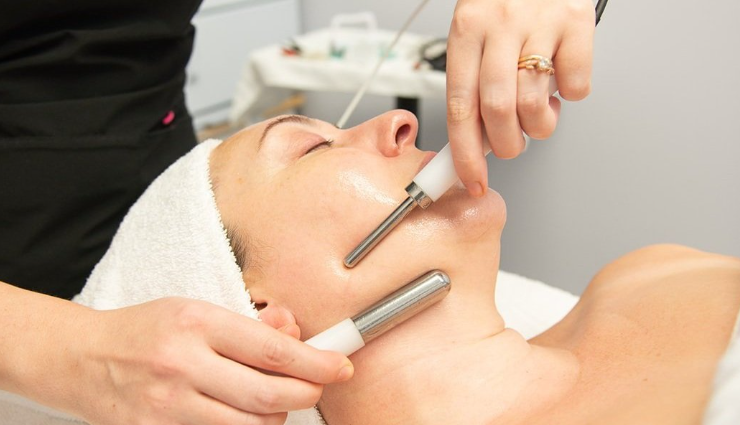
Microcurrent, a low-intensity physical therapy that mimics the body's natural electrical currents, provides patients with an immediate and sustained anti-aging experience with its subsensory level of comfort. This safe and effective technique, graphically known as the "5-minute Facial lift", offers the ideal solution for customers seeking a healthy and youthful appearance. Whether it is home micro-current equipment or professional facial micro-current equipment, it can play a significant anti-aging effect.
The scientific basis of microcurrent therapy
To fully utilize the potential of microcurrent therapy, the key is to accurately understand the muscle position and function of the treatment site. Only when the current is applied directly to the muscle and conducted in the correct direction can the best therapeutic effect be achieved.
Muscle physiology is fundamental to understanding microelectrotherapy. Skeletal muscle is made up of innervated fibers, and nerve impulses pass through neuromuscular junctions to muscle fibers, triggering an "action potential" that triggers the release of calcium ions and initiates the muscle contraction process. The energy source for this process is the hydrolysis of ATP (adenosine triphosphate) to produce ADP (adenosine diphosphate).
When muscles are damaged, they protect themselves through the spasmodic response, resulting in a decrease in blood supply, nutrients, oxygen, and ATP, while disrupting sodium pump function and increasing intracellular waste. At this point, the current of the damaged tissue takes on a positive charge, while the healthy cells try to resume normal electrical function. However, due to the natural laws of electricity, the current chooses the path of least resistance, thus bypassing the damaged tissue.
The introduction of microcurrent therapy provides a strong support for the recovery of damaged tissues. By applying external micro-stimulation, intracellular processes can be accelerated to promote ATP production, protein synthesis, oxygenation, ion exchange, nutrient absorption, and waste elimination, thereby repairing or replacing damaged cells.
Mechanism and effect of microcurrent therapy
Microcurrent therapy, also known as MENS (Microcurrent Electrical Neuromuscular stimulation), uses finely tuned tiny pulses of electric current to achieve normal electrical exchange levels at the cellular level of the human body. These currents are highly biocompatible and are able to penetrate cells rather than just conduct on the cell surface. According to ARNDT-SCHULTZ's law, weak stimuli can enhance physiological activity, while strong stimuli can inhibit or eliminate activity.

When cells are damaged, microcurrents can normalize their internal activities and increase physiological processes such as ATP production and protein synthesis, thereby restoring homeostasis. In addition, the microelectric current promotes the resolution of inflammation, increases the number of collagen-producing cells, and creates a healthy, painless internal environment.
In the medical field, microcurrent therapy has been widely used to treat injured muscles, tendons, wounds, and various injuries and diseases. By improving blood circulation, reducing pain, improving neuromuscular responsiveness, reducing inflammation, increasing range of motion, and reducing muscle tension, microelectric therapy significantly shortens recovery time and enhances the contractility of muscle fibers.
Microcurrent therapy: a comprehensive analysis
contraindication
Although microcurrent therapy has significant cosmetic and rehabilitation effects, it is not suitable for all people. Patients who have heart disease, epilepsy, use a pacemaker, or have an electrical/metal device in their body should avoid this treatment to avoid microcurrents interfering with their health condition. Pregnant women should also not receive this treatment. In addition, direct action on carotid sinus, eyeball, heart region and malignant tumor site should be avoided. Exercise caution when working around areas prone to bleeding. Patients who have had acute infections, fractures, or scar tissue within the past 6 months should also not be treated.
Advantages and benefits
The microcurrent facial care device has won widespread praise for its unique advantages, and many reviews and scientific journals have affirmed its effect. By stimulating efferent fibers at the starting and insertion points of the muscle, the microelectric current can painlessly stretch or shorten the muscle, tighten the atrophied muscle and stretch the spasticity muscle. At the same time, it can significantly reduce the use of anti-inflammatory drugs and painkillers.
The microelectric current can trigger facial stimulation and send soft waves through the skin, tissues and facial muscles. Studies have shown that microcurrents can increase the production of ATP, which in turn drives the production of key structural proteins such as collagen and elastin. This increased ATP also provides energy to facial muscles, improving and enhancing appearance. By gently working the muscles, the microelectric current also increases protein production, making the muscles firmer and improving the tone and overall appearance of the treated area.
In addition, the microcurrent stimulates the lymphatic system, reducing swelling and fluid accumulation on the face and other parts of the body, thereby improving skin tone and eye bags and promoting the body to expel toxins and waste. After about 4-5 treatments, patients can see significant changes, and for a more significant and lasting effect, about 10-15 treatments are needed. To maintain the effect, microcurrent therapy is recommended at least once a month.
Review of treatment effect:
Stimulates facial muscles to tighten
Relieve local pain
Rejuvenate the face
Accelerate the healing process
Stimulate facial energy points
Increases ATP production to provide energy to the body
Increase collagen production
Reduce bags under the eyes and puffiness on the face and body
Strengthens muscles and reduces wrinkles
Disadvantages and side effects
Side effects of microcurrent therapy devices are rare and mild. A very small number of patients may experience symptoms such as nausea and drowsiness. However, these side effects usually resolve themselves within a short period of time.
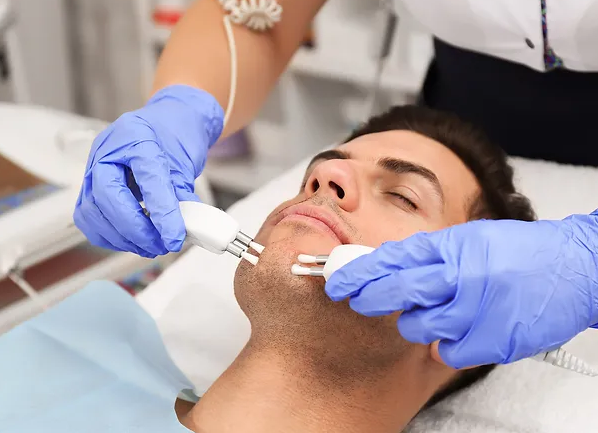
Treatment plan
To ensure the safety and effectiveness of microcurrent therapy, the following treatment protocols should be followed:
Clean your skin thoroughly.
Apply the conductive gel to the treated area.
Select the lowest operating parameters on the machine, start with low intensity, and gradually increase the intensity.
A micro-current massage is performed on the treated area using a special probe. Adjust the probe distance according to the desired effect.
Do the same on each side of the face and neck, repeating at least 3 times per stroke or movement with increasing intensity. However, it is necessary to pay attention to the comfort of patients and avoid excessive intensity.
Clean the skin again to remove the conductive gel.
Apply a soothing/moisturizing mask and sunscreen.