Introduction
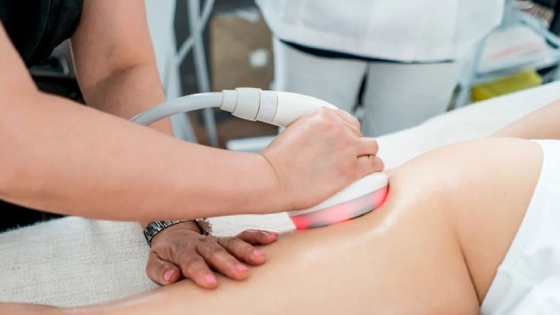
Radio frequency (RF) technology has long been a cornerstone in professional aesthetic treatments, widely used for skin tightening, body contouring, and anti-aging procedures. As demand for non-invasive yet effective solutions continues to grow, RF devices have evolved from basic single-function systems into more advanced, multi-technology platforms.
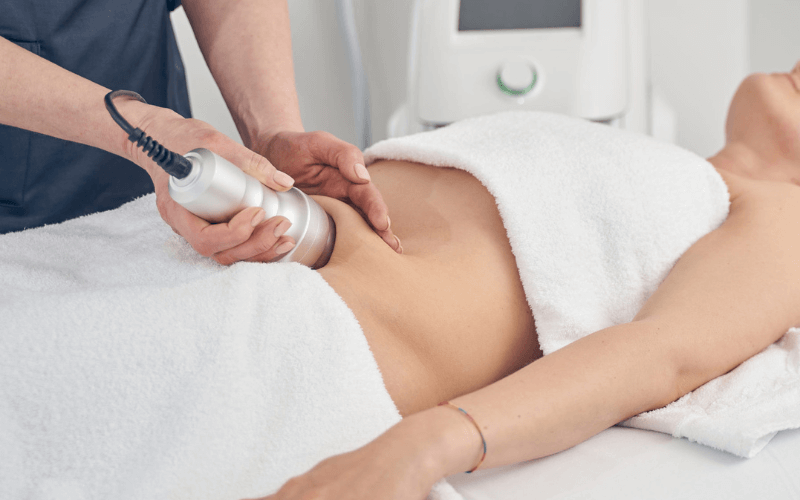
One of the most notable upgrades in this category is the integration of vacuum technology with traditional RF systems. This combination has transformed how RF energy is delivered, making treatments more targeted, efficient, and results-driven.
For professional clinics and beauty salons, understanding the difference between traditional RF and vacuum RF devices is essential—not only for selecting the right equipment but also for designing treatment protocols that deliver superior outcomes.
Background/Problem
Traditional RF treatments rely on delivering electromagnetic energy into the skin to generate heat in the dermal layers. This heat stimulates collagen production and helps tighten the skin over time. While effective, this approach has certain limitations in practical application.
One key challenge is energy penetration and consistency. Without additional mechanical assistance, RF energy may not always reach deeper tissues evenly, especially in areas with thicker fat layers or uneven skin surfaces.
Another limitation is treatment efficiency. Traditional RF devices typically work in a static or gliding motion on the skin surface, which can reduce the intensity of energy concentration in specific target areas.
Additionally, for body contouring applications, traditional RF alone may not sufficiently address issues such as poor circulation or lymphatic stagnation, which are important factors in achieving optimal shaping results.
For clinics aiming to deliver more noticeable and faster improvements, these limitations highlight the need for enhanced device functionality—leading to the development of vacuum RF systems.
Technology/Mechanism
To understand the difference between vacuum RF and traditional RF, it is important to focus on how the device design influences energy delivery.
Traditional RF Devices
Traditional RF equipment uses electrodes to emit radio frequency energy into the skin. The energy generates controlled heat within the dermis, stimulating collagen remodeling and improving skin elasticity.
Professional RF machines are designed with:
- Adjustable energy levels
- Different electrode configurations
- Stable output for consistent heating
However, the energy is delivered directly through the skin surface without additional mechanical manipulation.
Vacuum RF Devices (Integrated Technology)
Vacuum RF devices combine RF energy with vacuum suction technology within a single handpiece. This integration significantly changes how the treatment interacts with the skin and underlying tissues.
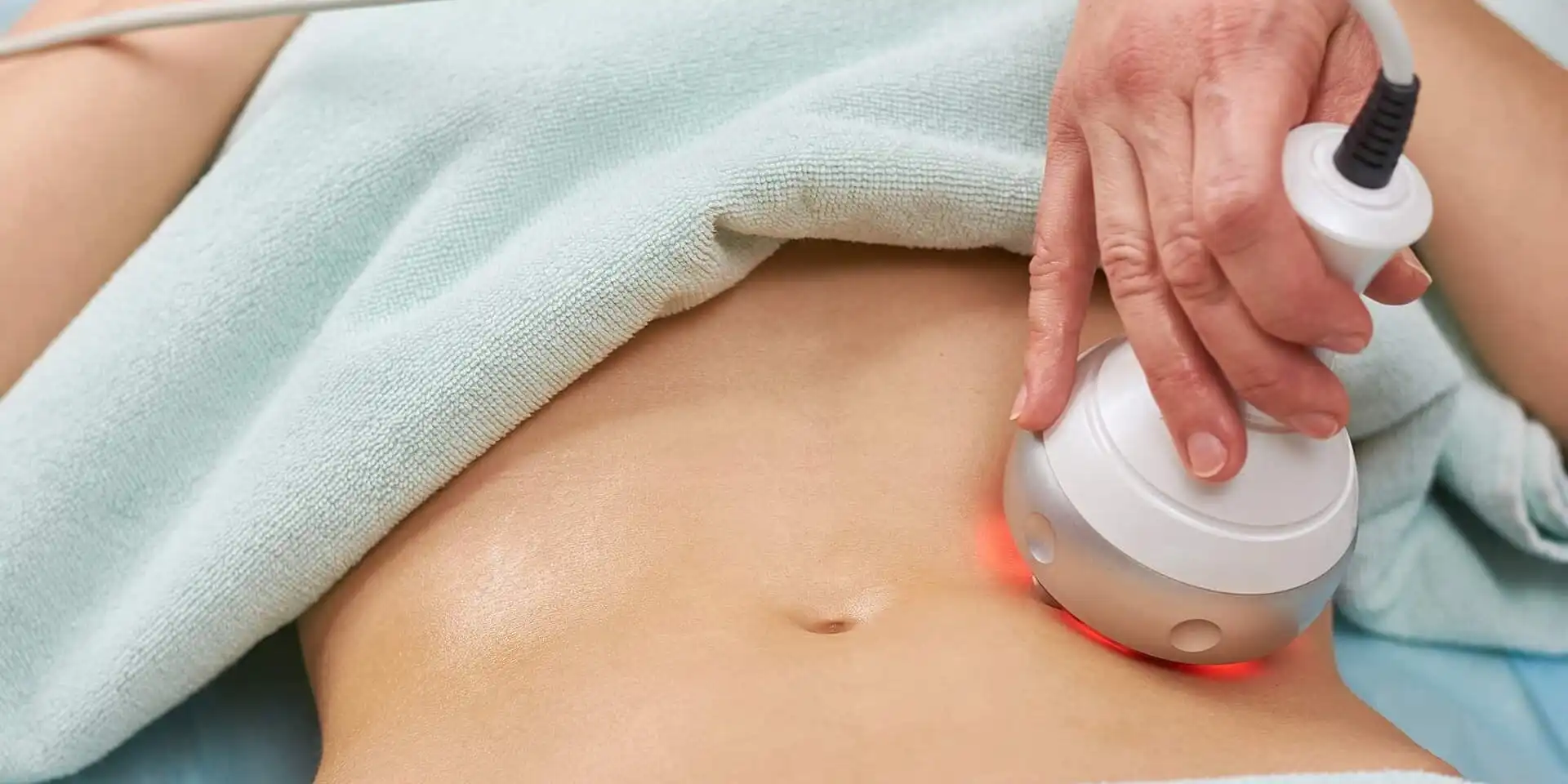
The vacuum function gently lifts and folds the skin into the treatment head, creating several advantages:
- Brings target tissue closer to the RF energy source
- Improves energy penetration into deeper layers
- Enhances contact consistency between the device and skin
At the same time, the mechanical suction stimulates blood circulation and lymphatic drainage, which supports metabolic processes and improves treatment outcomes.
Professional vacuum RF machines are engineered to synchronize these functions with:
- Adjustable suction intensity
- Controlled RF energy output
- Ergonomic applicators for different body areas
This combination transforms RF from a surface-based treatment into a more dynamic and targeted system.
Advantages/Comparison
From a device-centered perspective, vacuum RF offers several clear advantages over traditional RF systems.
1. Improved Energy Penetration
By lifting the skin into the applicator, vacuum RF ensures that energy is delivered more directly to the target tissue. This results in deeper and more efficient heating compared to traditional RF.
2. Enhanced Treatment Efficiency
The combination of suction and RF allows for more concentrated energy delivery in specific areas. This reduces treatment time while improving overall effectiveness.
3. Additional Mechanical Benefits
Unlike traditional RF, vacuum RF devices provide mechanical stimulation through suction. This helps improve circulation, promote lymphatic drainage, and support the removal of metabolic waste—key factors in body contouring treatments.
4. Better Adaptation to Body Areas
Vacuum RF handpieces are particularly effective for areas with uneven surfaces or thicker fat layers. The suction function ensures consistent contact, which is often difficult to achieve with flat RF electrodes.
5. Clear Advantage Over Home Devices
While some home-use RF tools exist, they lack the integrated vacuum function and sufficient energy output. Professional vacuum RF equipment delivers:
- Stronger and more stable performance
- Multi-functional treatment capability
- More visible and consistent results
This makes clinic-grade machines significantly more effective for both facial and body applications.
From a business perspective, vacuum RF devices also offer higher service value. They allow clinics to position treatments as advanced, technology-driven solutions, which can justify premium pricing and improve client retention.
Applications/Client Needs
In professional settings, both traditional RF and vacuum RF devices are used across various treatments, but their applications differ in scope and effectiveness.
Traditional RF is commonly used for basic skin tightening treatments, particularly on the face, where skin is thinner and requires less mechanical assistance.
Vacuum RF, on the other hand, is widely used in body contouring and advanced facial treatments. For body applications such as the abdomen, thighs, and arms, the combination of suction and RF provides more comprehensive results—addressing fat reduction, skin tightening, and circulation improvement simultaneously.
For facial treatments, vacuum RF can also be used for lifting and contouring, especially in areas where enhanced stimulation is beneficial.
Clients who are looking for more noticeable results, especially in body shaping or skin tightening, are more likely to benefit from vacuum RF treatments. Meanwhile, traditional RF may still be suitable for maintenance or lighter treatments.
For clinics, having access to vacuum RF technology allows for greater flexibility in treatment design and the ability to serve a wider range of client needs.
Conclusion
While traditional RF technology remains a valuable tool in aesthetic treatments, the integration of vacuum functionality has significantly enhanced its capabilities. Vacuum RF devices offer deeper penetration, improved efficiency, and additional mechanical benefits that go beyond the limitations of traditional RF systems.
For professional beauty clinics and aesthetic practitioners, choosing vacuum RF equipment represents a move toward more advanced, results-oriented treatments. It enables practitioners to deliver higher performance services while meeting the growing demand for non-invasive yet effective solutions.
As the industry continues to evolve, vacuum RF technology is set to become a standard feature in modern body contouring and skin tightening devices—bridging the gap between basic treatments and high-performance aesthetic solutions.
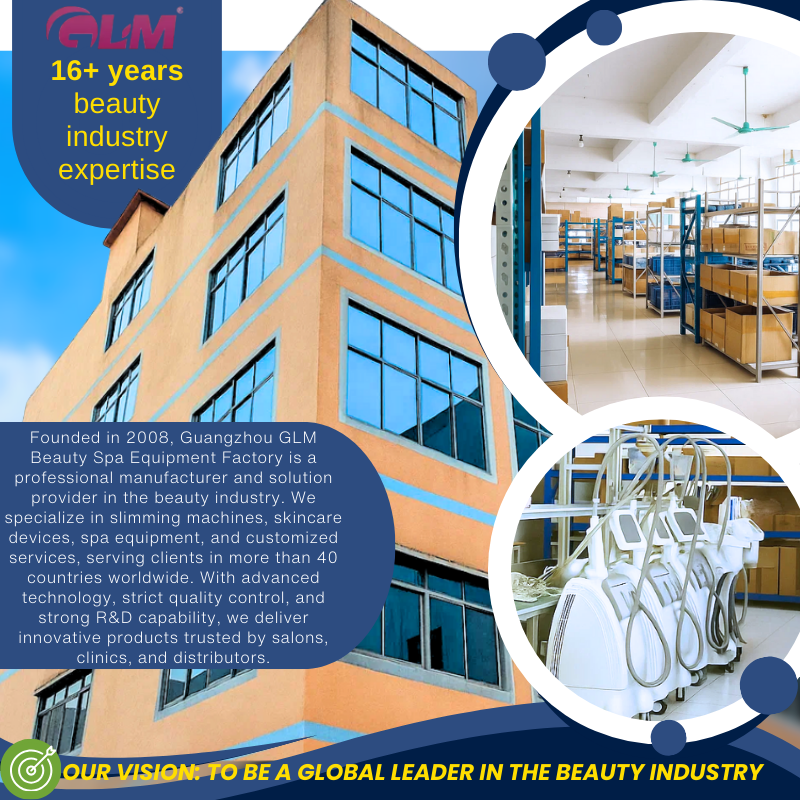
Founded in 2008, Guangzhou GLM Beauty Spa Equipment Factory specializes in research, development, manufacture and selling of beauty and slimming machines. Our production base is located in Guangzhou City, Guangdong Province, China. Since our foundation, we have introduced advanced technologies and equipment, to assure high quality and high performance of our products. With professional marketing guide and excellent after-sales service, our products have been exported to over 20 countries and regions, including Southeast Asia, the Middle East, Europe and the United States, won worldwide praises and gained a good reputation.