
Introduction:
In today's fast-paced world, stress has become an inevitable part of our lives. Not only does it affect our mental and emotional well-being, but it also takes a toll on our physical health, including our skin. In this blog post, we will explore the common skin issues that are triggered by stress and provide effective strategies to manage and prevent them. Let's dive in!
I. Impact of Stress on Skin
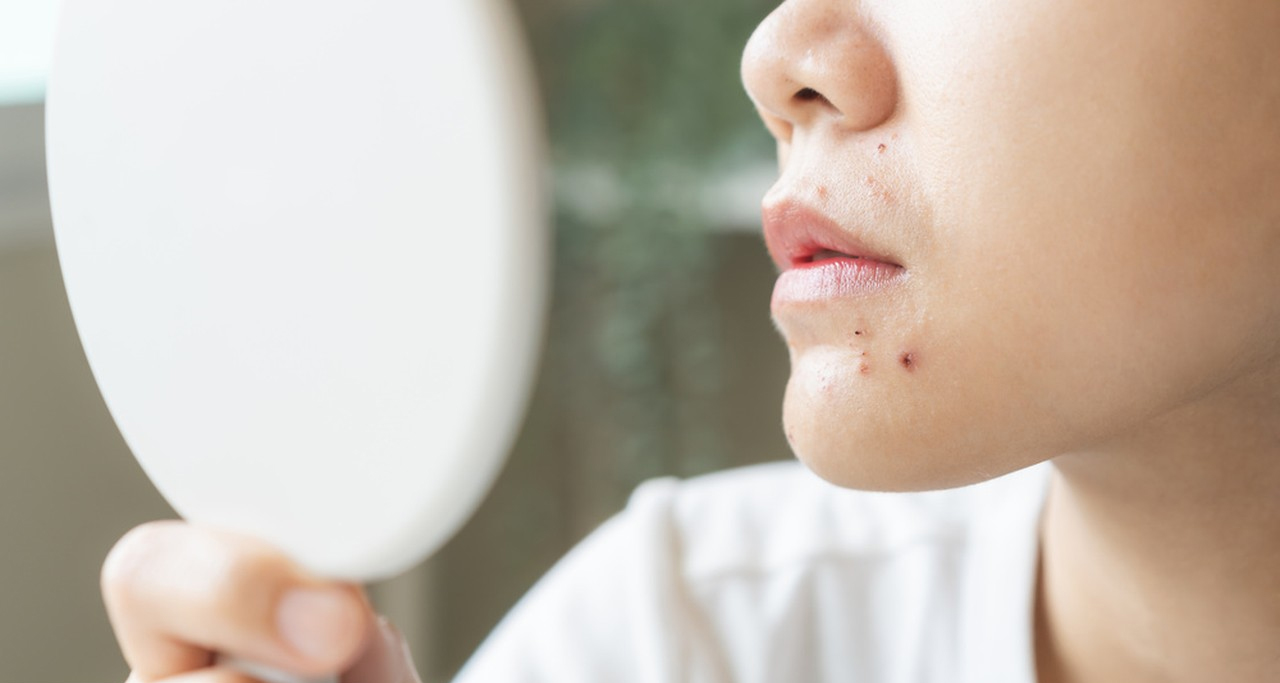
Stress is known to have a profound impact on our skin health. When we experience stress, our body releases stress hormones like cortisol, which can lead to various skin issues. Moreover, stress can disrupt the natural balance of our skin, making it more susceptible to problems. Understanding the mind-skin connection is crucial for effectively addressing and managing stress-related skin issues.
II. Common Skin Issues Triggered by Stress
A. Acne and Breakouts
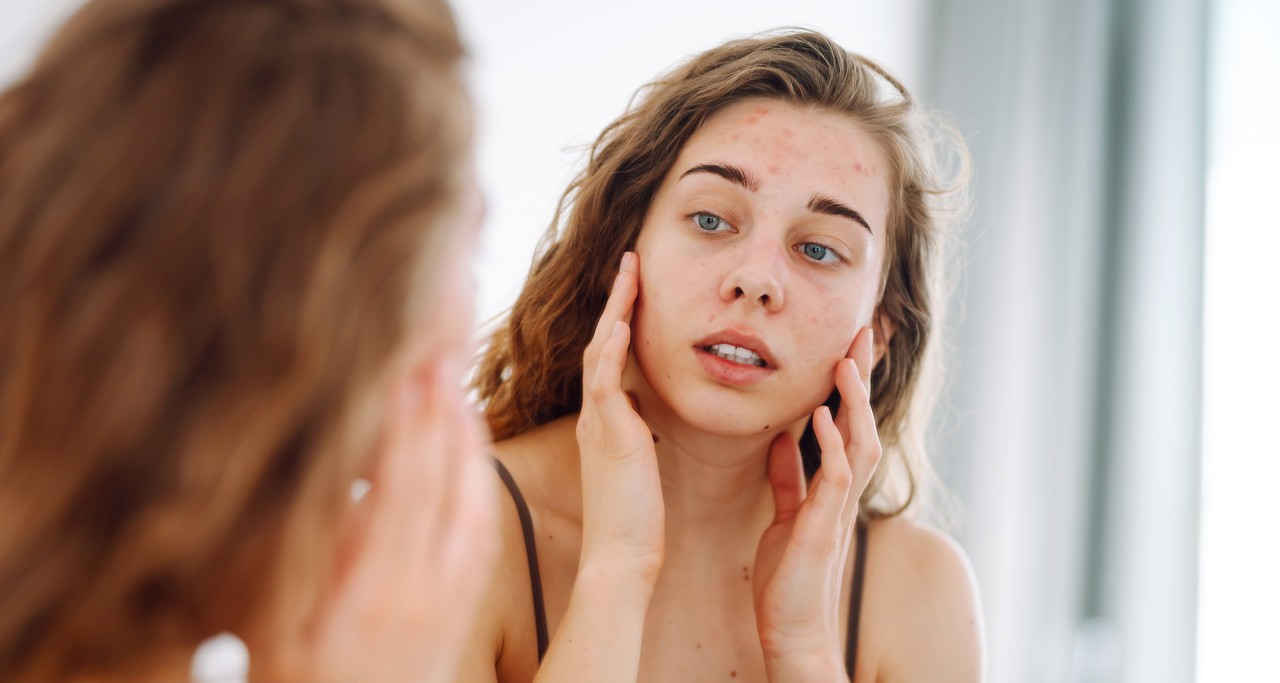
Stress-induced acne is a common skin problem that many individuals face. The rise in stress hormones can stimulate the production of sebum, leading to clogged pores and breakouts. To manage stress-related breakouts, it's important to adopt a skincare routine that includes gentle cleansing, exfoliation, and the use of non-comedogenic products. Additionally, stress management techniques such as meditation, yoga, and deep breathing exercises can help reduce acne flare-ups.
B. Eczema and Psoriasis
People with existing skin conditions like eczema and psoriasis often experience worsening symptoms during periods of high stress. Stress can trigger inflammation, leading to redness, itching, and flare-ups. To alleviate these symptoms, it's essential to prioritize stress reduction techniques such as regular exercise, getting sufficient sleep, and practicing relaxation techniques like aromatherapy or taking warm baths with soothing ingredients.
C. Dry and Itchy Skin
Stress can disrupt the skin's moisture barrier, resulting in dryness and itching. To combat this issue, it is important to focus on hydrating the skin both internally and externally. Drinking an adequate amount of water and consuming foods rich in omega-3 fatty acids can help nourish the skin from within. Additionally, using moisturizers that contain hydrating ingredients like hyaluronic acid and avoiding harsh soaps can help retain moisture and soothe dry, itchy skin caused by stress.
D. Increased Sensitivity and Redness
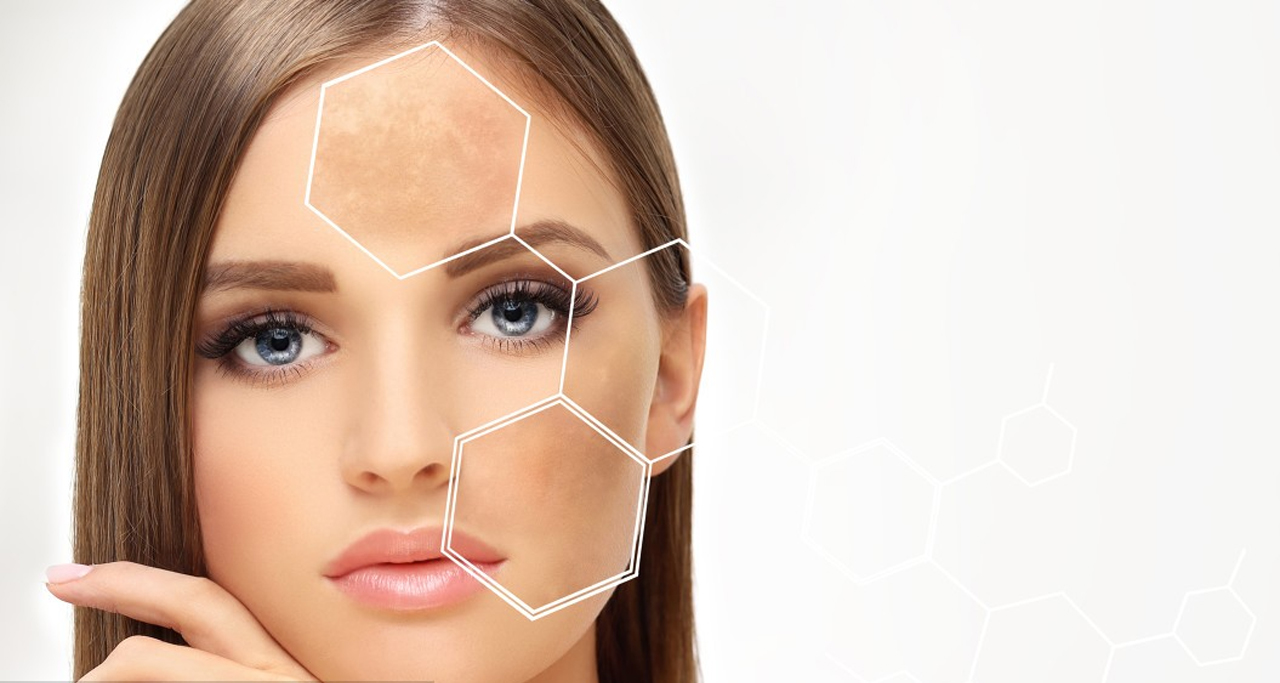
Stress can lead to increased skin sensitivity and redness due to the release of inflammatory molecules. Individuals with sensitive skin may notice heightened reactions, such as irritation or a stinging sensation. To calm and soothe sensitive skin, it is crucial to adopt a gentle skincare routine that avoids harsh ingredients and incorporates products specifically designed for sensitive skin. Using skincare products with anti-inflammatory ingredients like green tea extract or chamomile can also help reduce redness and irritation.
III. Managing and Preventing Stress-Related Skin Issues
A. Stress Reduction Techniques
Implementing stress reduction techniques is essential for managing and preventing stress-related skin issues. Incorporating mindfulness exercises, such as meditation or journaling, into your daily routine can help alleviate stress and promote overall well-being. Engaging in regular physical activity, like walking or yoga, can also reduce stress levels and enhance blood circulation, benefiting your skin's health.
B. Balancing Skincare Routine
Maintaining a balanced skincare routine is crucial when dealing with stress-related skin problems. Consistency is key, and utilizing gentle, non-irritating products can help soothe and restore the skin's natural barrier. Look for skincare products that contain ingredients like hyaluronic acid to hydrate the skin, niacinamide to reduce inflammation, and antioxidants to protect against stress-induced damage.
C. Seeking Professional Help
If stress-related skin issues persist or worsen, it is advisable to consult a dermatologist who can provide personalized recommendations and treatment options. They might suggest topical medications, prescribe oral medications, or recommend specialized treatments, depending on the severity of the skin condition.
Conclusion:
Understanding the impact of stress on our skin is crucial for maintaining healthy and glowing skin. By being mindful of stress reduction techniques, adopting a balanced skincare routine, and seeking professional help when needed, we can effectively manage and prevent common skin issues triggered by stress. Remember to prioritize self-care and take steps towards reducing stress to promote overall well-being and achieve healthier skin.