The Comprehensive Guide to LED Phototherapy Beauty Devices: Benefits, Science, and Practical Considerations
In the ever-evolving landscape of skincare technology, LED phototherapy has emerged as a groundbreaking, non-invasive solution for achieving radiant, healthy skin. Originally developed for medical applications, LED phototherapy has transitioned into the consumer market, offering salon-quality treatments from the comfort of one’s home. This guide delves into the science of LED phototherapy, its benefits, practical applications, and key considerations for selecting the right device for your skincare needs.
Introduction: The Evolution of LED Phototherapy
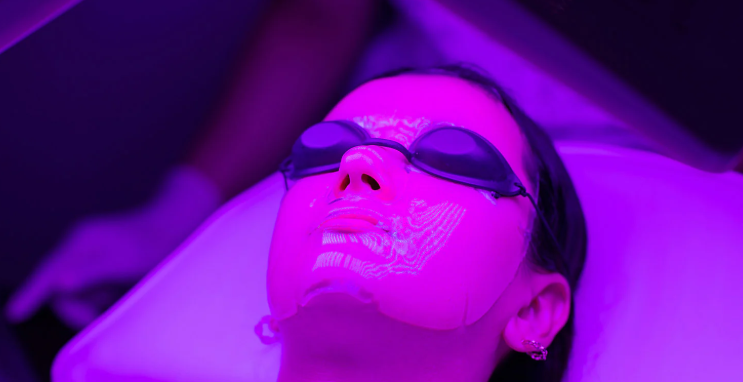
The past decade has witnessed a paradigm shift in personal skincare, driven by technological advancements that bridge the gap between clinical and at-home treatments. LED phototherapy devices, once exclusive to dermatologists and aestheticians, are now widely accessible, empowering individuals to take control of their skincare routines. But what makes LED phototherapy so revolutionary?
What is LED Phototherapy?
LED phototherapy, or Light Emitting Diode phototherapy, is a skincare technique that utilizes specific wavelengths of light to stimulate cellular processes and improve skin health. Unlike lasers or intense pulsed light (IPL) treatments, which can cause thermal damage, LED phototherapy is non-invasive and harnesses low-level light energy to trigger natural healing mechanisms.
Types of LED Light and Their Functions
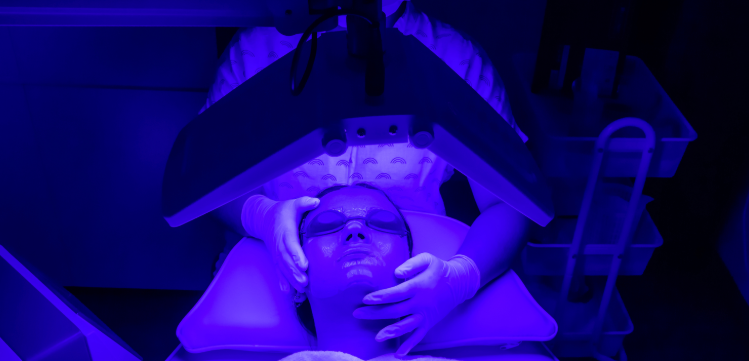
LED phototherapy devices typically emit light in the following wavelengths, each targeting distinct skin concerns:
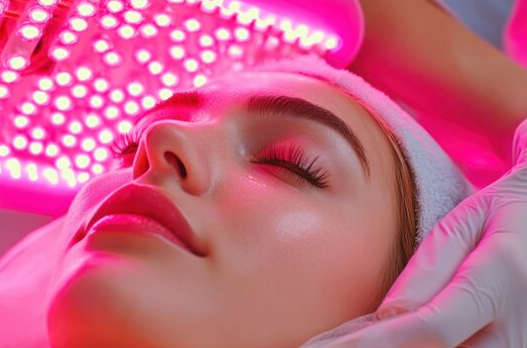
- Red Light (630–700 nm)
- Mechanism: Penetrates the dermis to stimulate fibroblasts, the cells responsible for collagen and elastin production.
- Benefits: Reduces fine lines and wrinkles, improves skin elasticity, and enhances overall texture.
- Clinical Evidence: A 2014 study in Photomedicine and Laser Surgery demonstrated that red light therapy increased collagen density by 5–20% in participants over 12 weeks.
- Blue Light (405–420 nm)
- Mechanism: Targets and destroys Propionibacterium acnes, the bacteria responsible for acne.
- Benefits: Reduces acne lesions, inflammation, and oil production.
- Clinical Evidence: A 2017 review in The Journal of Clinical and Aesthetic Dermatology concluded that blue light therapy is effective for mild to moderate acne, with minimal side effects.
- Green Light (520–560 nm)
- Mechanism: Inhibits melanin production by targeting melanocytes.
- Benefits: Fades hyperpigmentation, age spots, and sun damage.
- Clinical Evidence: A 2018 study in Lasers in Surgery and Medicine reported significant improvements in melasma severity after 12 weeks of green light therapy.
- Yellow Light (~590 nm)
- Mechanism: Stimulates lymphatic drainage and reduces oxidative stress.
- Benefits: Calms sensitive skin, reduces redness, and soothes irritation.
- Clinical Evidence: A 2019 pilot study in Dermatologic Therapy found that yellow light therapy improved skin barrier function in participants with rosacea.
Key Benefits of LED Phototherapy
The versatility of LED phototherapy makes it a valuable addition to any skincare regimen. Here are the primary advantages:
1. Collagen Stimulation and Anti-Aging
Red light therapy is renowned for its ability to boost collagen synthesis, a critical factor in maintaining skin firmness and reducing the appearance of wrinkles. Regular use can lead to a more youthful complexion over time.
2. Acne Management
Blue light therapy offers a drug-free alternative for treating acne, particularly for those with sensitive skin or who are resistant to traditional topical treatments. It can be used as a standalone therapy or in combination with other acne treatments.
3. Hyperpigmentation Correction
Green light therapy addresses uneven skin tone and hyperpigmentation, making it ideal for individuals with sun damage, melasma, or post-inflammatory hyperpigmentation (PIH).
4. Skin Healing and Sensitivity Reduction
Yellow light therapy is beneficial for post-procedure recovery, such as after chemical peels or laser treatments. It also helps manage conditions like rosacea and eczema by reducing inflammation and redness.
5. Non-Invasive and Safe
Unlike chemical peels or microdermabrasion, LED phototherapy does not cause physical trauma to the skin. It is painless, requires no downtime, and is suitable for all skin types, including sensitive and darker skin tones.
6. Cost-Effective Long-Term
While the initial investment in an LED device may seem steep, it pays off over time compared to repeated professional treatments. A single device can be used for years, offering significant savings.
Comparing LED Phototherapy to Traditional Treatments
| Treatment | Mechanism | Downtime | Pain Level | Cost (Per Session) | Best For |
|---|---|---|---|---|---|
| LED Phototherapy | Low-level light energy | None | None | $0 (At-home) | All skin types, anti-aging, acne |
| Chemical Peels | Exfoliation via acids | 3–7 days | Mild to Moderate | 300 | Hyperpigmentation, texture |
| Laser Resurfacing | Controlled skin damage | 7–14 days | Moderate | 2,000 | Wrinkles, scars |
| Microneedling | Collagen induction via needles | 2–3 days | Mild | 700 | Acne scars, large pores |
Safety and Best Practices
While LED phototherapy is generally safe, it is essential to follow guidelines to maximize benefits and minimize risks:
- Follow Manufacturer Instructions
- Adhere to recommended treatment durations and frequencies. Overuse can lead to skin irritation.
- Protect Your Eyes
- Avoid staring directly into the lights. Use protective goggles if provided.
- Clean Skin Before Use
- Ensure your skin is free of makeup, oils, and sunscreen to allow optimal light penetration.
- Avoid Photosensitizing Medications
- Certain medications (e.g., isotretinoin, tetracyclines) can increase photosensitivity. Consult your dermatologist before use.
- Monitor for Side Effects
- While rare, potential side effects include temporary redness, dryness, or mild irritation. Discontinue use if symptoms persist.
Choosing the Right LED Phototherapy Device
With numerous options available, selecting the right device can be overwhelming. Here’s what to consider:
1. Wavelength Options
- Multi-Color Devices: Opt for devices that offer red, blue, green, and yellow light to address a range of concerns.
- Customizable Settings: Look for devices with adjustable intensity and treatment modes.
2. Safety Certifications
- Ensure the device is FDA-cleared or CE-certified for safety and efficacy.
3. Design and Usability
- Ergonomics: A lightweight, handheld design with a large treatment head ensures ease of use.
- Automatic Shut-Off: Some devices feature timers to prevent overuse.
4. Brand Reputation and Reviews
- Research brands like Dr. Dennis Gross, LightStim, Neutrogena, and Foreo for reliability and customer satisfaction.
5. Price Range
- Budget Options (200): Basic devices with limited features.
- Mid-Range (400): Multi-color devices with adjustable settings.
- Premium ($400+): Professional-grade devices with advanced features.
Conclusion: Is LED Phototherapy Right for You?
LED phototherapy beauty devices offer a science-backed, non-invasive solution for a wide range of skincare concerns. Whether you’re looking to reduce acne, fade hyperpigmentation, or combat signs of aging, these devices provide a convenient, cost-effective, and safe option for at-home use.
However, it’s essential to manage expectations. While LED phototherapy can yield noticeable improvements, results are gradual and require consistent use over weeks to months. For severe skin conditions, consult a dermatologist to determine the best treatment plan.
Final Recommendations
- For Anti-Aging: Prioritize red light therapy devices with high irradiance (power output).
- For Acne: Choose devices with blue light or a combination of red and blue light.
- For Hyperpigmentation: Opt for green light therapy or devices with multiple wavelengths.
- For Sensitive Skin: Yellow light therapy devices are ideal for calming and soothing.
By investing in a quality LED phototherapy device and incorporating it into your skincare routine, you can unlock the secret to healthier, more radiant skin—no spa visits required.
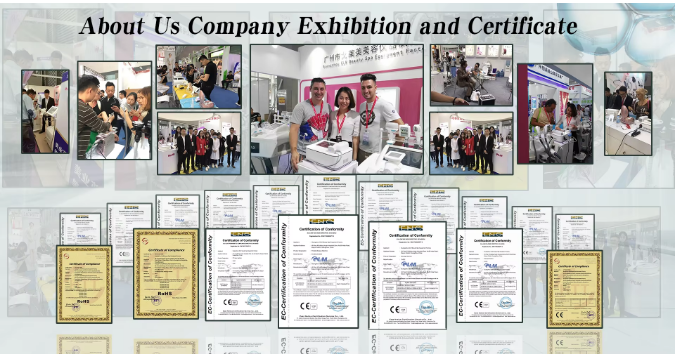
GLM is a specialized beauty instrument factory that produces instruments for a variety of functions, including weight loss devices. We have vacuum negative press, radio frequency fat blasting equipment, frozen fat dissolving machine and EMS body shaping machine. GLM is a 14 year old supplier of beauty instruments with guaranteed quality.https://gdglmbeauty.com/