
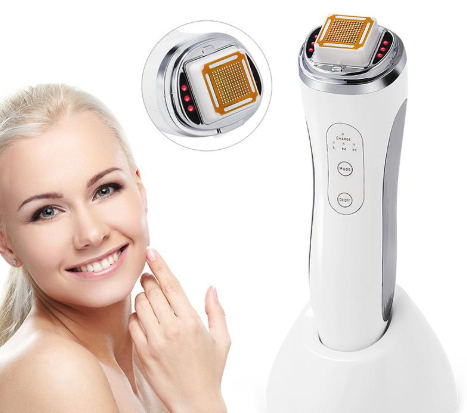
**Exploring the Benefits of Dot Matrix Radio Frequency Technology in Cosmetic Treatments**
The quest for youthful, glowing skin is as old as time. With technological advancements swiftly reshaping the cosmetic industry, innovative treatments like dot matrix radio frequency technology have emerged, promising significant skin revitalization without invasive procedures. This blog delves into the transformation possibilities offered by dot matrix radio frequency technology, highlighting its benefits in cosmetic treatments.
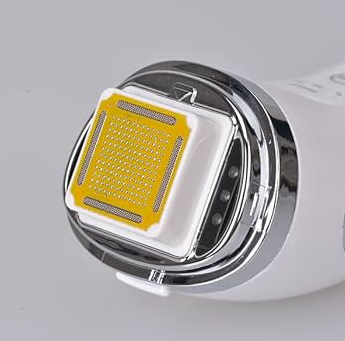
Introduction to Dot Matrix Radio Frequency (RF) Technology
Dot matrix radio frequency (DM-RF) technology is a revolutionary advancement in aesthetic dermatology, combining the principles of fractional energy delivery with radio frequency (RF) heating to achieve precise, non-ablative skin rejuvenation. Unlike traditional RF treatments that distribute energy uniformly across the skin, DM-RF employs a "dot matrix" pattern, delivering focused RF energy in microscopic treatment zones while preserving surrounding tissue. This targeted approach minimizes collateral damage, accelerates healing, and optimizes collagen synthesis, making it a cornerstone of modern anti-aging and skin tightening protocols.
Mechanism of Action: How DM-RF Works
The technology leverages two key processes:
-
Fractional Energy Delivery:
DM-RF devices create a grid-like pattern of microscopic thermal zones (MTZs) in the dermis. Each MTZ is a controlled coagulative injury, typically 0.5–1.5 mm in diameter, spaced 1–3 mm apart. This fractional approach ensures that only a fraction of the skin is treated, allowing rapid re-epithelialization from adjacent healthy tissue. -
Radio Frequency-Induced Thermolysis:
RF energy penetrates the epidermis and targets the deeper dermal layers, generating heat (typically 60–70°C) that causes:- Collagen Denaturation: Immediate contraction of existing collagen fibers, leading to immediate skin tightening.
- Neocollagenesis: Stimulation of fibroblasts to produce new, organized collagen (Type I and III) over weeks to months.
- Elastin Remodeling: Enhanced elastic fiber synthesis, improving skin elasticity and resilience.
Comparison with Traditional RF and Ablative Lasers
| Parameter | Dot Matrix RF | Traditional RF (Monopolar/Bipolar) | Ablative Lasers (CO₂/Erbium) |
|---|---|---|---|
| Energy Delivery | Fractional, targeted | Uniform, diffuse | Uniform, full-thickness ablation |
| Depth of Penetration | Adjustable (1–4 mm) | Limited (1–2 mm) | Superficial to deep (epidermis/dermis) |
| Downtime | Minimal (1–3 days) | Minimal to moderate (3–7 days) | Significant (7–14 days) |
| Risk Profile | Low (minimal scarring, PIH) | Moderate (fat atrophy, burns) | High (infection, scarring) |
| Indications | Fine lines, wrinkles, laxity | Mild laxity, texture | Deep wrinkles, scars, resurfacing |
| Sessions Required | 3–6 (monthly) | 6–12 (biweekly) | 1–2 (with maintenance) |
Key Benefits of Dot Matrix RF in Cosmetic Dermatology
1. Precision and Tissue-Sparing Effects
- Micro-Thermal Zones (MTZs): DM-RF creates thousands of microscopic treatment columns per cm², ensuring uniform coverage without overlapping injuries. This precision reduces the risk of over-treatment and allows for higher energy settings without adverse effects.
- Customizable Parameters: Clinicians can adjust:
- Energy Density (J/cm²): Controls the depth and intensity of thermal injury.
- Pulse Duration (ms): Influences thermal relaxation time and coagulation zone size.
- Density (% Coverage): Determines the fraction of skin treated (typically 10–30%).
2. Enhanced Collagen and Elastin Production
- Immediate Tightening: Collagen shrinkage due to heat causes visible skin contraction within hours.
- Long-Term Remodeling: Over 3–6 months, neocollagenesis and elastin synthesis lead to progressive improvement in skin texture, firmness, and elasticity.
- Histological Evidence: Studies show a 20–40% increase in dermal collagen thickness post-treatment.
3. Versatility Across Skin Types and Body Areas
- All Fitzpatrick Skin Types: Unlike ablative lasers, DM-RF is safe for darker skin (Fitzpatrick IV–VI) due to minimal epidermal injury, reducing the risk of post-inflammatory hyperpigmentation (PIH).
- Multi-Area Applicability: Effective for:
- Face: Periorbital wrinkles, nasolabial folds, jawline contouring.
- Neck/Décolletage: Tightening of lax skin.
- Body: Stretch marks, cellulite, post-pregnancy abdominal laxity.
- Hands: Reduction of age spots and crepiness.
4. Minimally Invasive with Rapid Recovery
- Patient Experience: Described as a warm, prickling sensation; topical anesthesia is sufficient for comfort.
- Downtime: Mild erythema and edema resolve within 24–72 hours. Patients can resume normal activities immediately.
- Safety Profile: Low risk of:
- Infection: Non-ablative nature minimizes bacterial entry.
- Scarring: Preservation of epidermal integrity.
- Dyspigmentation: Minimal epidermal thermal injury.
Long-Term Results and Maintenance Strategies
Sustained Clinical Outcomes
- Peak Efficacy: Results are most evident 3–6 months post-treatment, with ongoing improvement for up to 12 months.
- Durability: Clinical studies report maintenance of results for 1–2 years with proper skincare and sun protection.
Maintenance Protocols
- Periodic Touch-Ups:
- Single maintenance sessions every 6–12 months to boost collagen production.
- Adjust energy settings based on patient response.
- Combination Therapies:
- Synergistic Effects: Pairing DM-RF with:
- Microneedling RF: Enhances penetration of RF energy.
- Topical Agents: Vitamin C, retinoids, or growth factors accelerate healing.
- Ultrasound/LED Therapy: Improves lymphatic drainage and reduces inflammation.
- Synergistic Effects: Pairing DM-RF with:
- Patient Compliance:
- Emphasize sun protection (SPF 50+), hydration, and a balanced diet.
- Recommend skincare regimens with antioxidants and peptides.
Ideal Candidates for Dot Matrix RF
Primary Indications
- Mild to Moderate Skin Laxity: Early jowling, nasolabial folds, or submental fullness.
- Rhytides and Fine Lines: Periorbital, perioral, or forehead wrinkles.
- Textural Irregularities: Acne scars, enlarged pores, or uneven skin tone.
- Stretch Marks and Cellulite: Early-stage striae or mild dimpling.
Contraindications and Precautions
- Absolute Contraindications:
- Active infections or open wounds in the treatment area.
- Pacemakers or implantable electronic devices.
- Pregnancy or breastfeeding.
- Relative Contraindications:
- History of keloid scarring or poor wound healing.
- Uncontrolled diabetes or autoimmune disorders.
- Recent chemical peels or ablative laser treatments.
Patient Selection Criteria
- Realistic Expectations: DM-RF is not a substitute for surgery; ideal candidates seek gradual, natural-looking improvement.
- Commitment to Maintenance: Willingness to adhere to follow-up sessions and skincare.
- Healthy Lifestyle: Non-smokers with stable weight and minimal sun exposure.
Real-Life Success Stories and Clinical Evidence
Case Studies Highlighting Efficacy
- Facial Rejuvenation (Fitzpatrick III):
- A 45-year-old female with mild periorbital wrinkles and nasolabial folds underwent 3 DM-RF sessions (4-week intervals).
- Results: 30% reduction in wrinkle severity (measured by VISIA® analysis) and 1.5 mm improvement in lower eyelid laxity (ultrasound imaging).
- Patient Feedback: "My skin feels tighter and looks smoother. The recovery was so easy—I was back at work the next day!"
- Abdominal Skin Tightening (Post-Pregnancy):
- A 32-year-old with Grade II abdominal laxity (modified Pinch Test) received 4 DM-RF treatments (6-week intervals).
- Results: 2 cm reduction in abdominal circumference and 25% improvement in skin elasticity (Cutometer®).
- Patient Feedback: "I finally feel confident in a bikini again. The results were subtle but noticeable, and there was no pain!"
Peer-Reviewed Research Supporting DM-RF
- A 2021 systematic review in the Journal of Cosmetic Dermatology analyzed 15 studies and concluded:
- DM-RF improves skin elasticity by 15–30% and reduces wrinkle depth by 20–40%.
- Patient satisfaction rates exceed 85% for facial and neck treatments.
- A 2022 split-face trial in Lasers in Surgery and Medicine demonstrated superior collagen synthesis with DM-RF compared to traditional RF (p < 0.01).
Selecting a Qualified DM-RF Provider
Essential Criteria for Provider Selection
- Credentials and Training:
- Board-certified dermatologists, plastic surgeons, or licensed aestheticians with specialized training in RF technologies.
- Certification from device manufacturers (e.g., InMode, Lutronic, Venus Concept).
- Technology and Protocols:
- Use of FDA-approved DM-RF devices (e.g., Morpheus8, Secret RF, Vivace).
- Adherence to manufacturer-recommended treatment parameters (energy, density, depth).
- Patient-Centric Approach:
- Thorough consultation to assess skin type, goals, and contraindications.
- Customized treatment plans with realistic expectations.
- Post-treatment follow-up and adjustment of protocols as needed.
Red Flags to Avoid
- Unsubstantiated Claims: Promises of "instant results" or "permanent tightening."
- Lack of Transparency: Refusal to disclose device details or training credentials.
- Pressure Tactics: Aggressive sales pitches for prepaid packages.
Conclusion
Dot matrix radio frequency technology is revolutionizing the cosmetic treatment landscape, offering an innovative solution for skin revitalization. Its precision, versatility, and minimal recovery time make it an appealing choice for those seeking youthful, glowing skin. As technology continues to advance, dot matrix radio frequency stands out as a promising method for cosmetic enhancement.
Encouraging individuals interested in this treatment to consult with professionals will ensure personalized advice and optimal results. Explore further resources or book a consultation to discover how dot matrix radio frequency technology can transform your skincare routine.