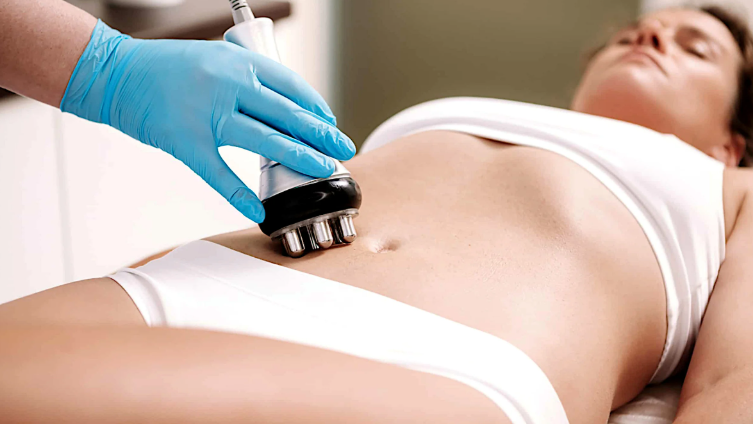
What are the Different Frequencies Used in Ultrasonic Cavitation Fat Meters?
Ultrasonic cavitation fat meters are advanced devices used to accurately measure fat in the human body. One of the key factors that contribute to their effectiveness is the frequency at which they operate. In this blog post, we will explore the different frequencies used in ultrasonic cavitation fat meters and their effects on fat measurement accuracy.
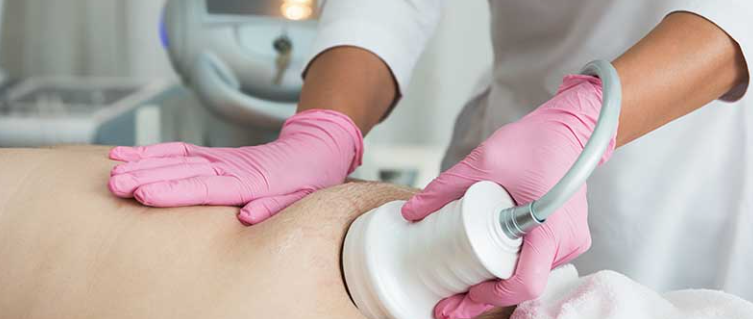
Comprehensive Introduction to Ultrasonic Cavitation Fat Meters: A Focus on Frequency Dynamics
1. Overview of Ultrasonic Cavitation Fat Meters
Ultrasonic cavitation fat meters represent a revolutionary advancement in non-invasive body composition analysis and fat reduction technologies. These devices leverage the principles of acoustic cavitation—a phenomenon where ultrasound waves induce rapid pressure fluctuations in biological tissues, leading to the formation and collapse of microscopic bubbles (cavitation). In the context of fat measurement and reduction, ultrasonic cavitation targets adipose tissue by:
- Mechanical Disruption: High-intensity ultrasound waves generate oscillatory forces that disrupt the integrity of adipocyte (fat cell) membranes.
- Thermal Effects: Frictional heating from ultrasonic vibrations can enhance metabolic activity in surrounding tissues.
- Lymphatic Drainage Stimulation: The breakdown of fat cells releases triglycerides, which are then metabolized or eliminated via the lymphatic system.
The dual functionality of these devices—measuring fat distribution and facilitating localized fat reduction—makes them invaluable tools in aesthetic medicine, sports science, and obesity management.
2. The Pivotal Role of Frequency in Ultrasonic Cavitation
Frequency selection is the cornerstone of optimizing ultrasonic cavitation outcomes. The frequency determines:
- Penetration Depth: Lower frequencies propagate deeper into tissues, while higher frequencies are attenuated more rapidly.
- Cavitation Intensity: Lower frequencies generate more violent cavitation bubbles, enhancing fat disruption but increasing the risk of collateral tissue damage.
- Thermal Safety: Higher frequencies dissipate energy as heat more locally, which may require active cooling mechanisms.
2.1 Low Frequencies (20–40 kHz): Deep-Tissue Targeting
Mechanism:
At 20–40 kHz, ultrasound waves exhibit long wavelengths (3.75–7.5 cm in soft tissue), enabling deep penetration. The mechanical index (MI)—a measure of cavitation potential—is high, leading to:
- Efficacy: Effective breakdown of visceral and deep subcutaneous fat deposits.
- Applications: Ideal for abdominal obesity, thigh circumference reduction, and cellulite treatment.
Limitations:
- Discomfort: Intense vibrations may cause pain or tingling.
- Thermal Risks: Heat accumulation can lead to erythema, edema, or, in extreme cases, burns.
- Selectivity: Lack of precision may affect adjacent structures (e.g., muscles, nerves).
Mitigation Strategies:
- Pulse-mode operation to reduce cumulative thermal effects.
- Real-time impedance monitoring to adjust power dynamically.
2.2 Medium Frequencies (40–80 kHz): Balanced Performance
Mechanism:
At 40–80 kHz, wavelengths (1.875–3.75 cm) provide a compromise between depth and precision. Cavitation bubbles are smaller but more numerous, offering:
- Efficacy: Targets moderate-depth fat layers (e.g., flanks, arms) with minimal discomfort.
- Safety: Reduced thermal buildup and lower risk of off-target effects.
Advantages:
- User-Friendly: Suitable for outpatient settings with minimal downtime.
- Versatility: Adaptable to diverse body types and fat distributions.
Challenges:
- Suboptimal for Deep Fat: May require multiple sessions for pronounced results in obese patients.
- Operator Dependence: Efficacy varies with handpiece pressure and movement speed.
Best Practices:
- Combination with radiofrequency (RF) heating for synergistic effects.
- Use of multi-frequency handpieces to adapt to anatomical variations.
2.3 High Frequencies (>80 kHz): Subcutaneous Precision
Mechanism:
Above 80 kHz, wavelengths (<1.875 cm) limit penetration but enhance spatial resolution. Cavitation is localized, making them ideal for:
- Efficacy: Accurate measurement and reduction of superficial subcutaneous fat (e.g., double chin, love handles).
- Safety: Minimal thermal risk due to rapid energy dissipation.
Applications:
- Aesthetic Procedures: Facial contouring, pre-liposuction planning.
- Research: High-resolution fat layer mapping in clinical trials.
Drawbacks:
- Depth Limitation: Ineffective for visceral fat or thick adipose layers.
- Longer Treatment Times: Smaller treatment zones necessitate meticulous scanning.
Innovations:
- Phased-Array Transducers: Focus ultrasound beams electronically for deeper targeting.
- AI-Guided Frequency Tuning: Automatically adjusts frequency based on real-time impedance feedback.
3. Frequency Selection: A Multi-Factorial Decision
Choosing the optimal frequency requires integrating:
3.1 Patient-Specific Factors
- Body Mass Index (BMI): Higher BMIs may necessitate low-frequency treatments.
- Skin Elasticity: Poor elasticity increases the risk of skin laxity post-treatment, favoring medium frequencies.
- Pain Tolerance: Low frequencies may require local anesthesia, while high frequencies are typically painless.
3.2 Treatment Goals
- Fat Reduction: Low frequencies for volume loss; high frequencies for contour refinement.
- Diagnostic Accuracy: High frequencies for precise fat layer thickness measurements.
- Combination Therapies: Medium frequencies complement cryolipolysis or RF treatments.
3.3 Technical Considerations
- Transducer Design: Flat vs. curved transducers affect coupling efficiency.
- Cooling Systems: Active cooling (e.g., Peltier elements) mitigates thermal risks in low-frequency modes.
- Regulatory Compliance: FDA/CE approvals often specify frequency ranges for safety.
4. Comparative Analysis of Frequency Options
| Parameter | Low Frequencies (20–40 kHz) | Medium Frequencies (40–80 kHz) | High Frequencies (>80 kHz) |
|---|---|---|---|
| Penetration Depth | 3–7.5 cm | 1.875–3.75 cm | <1.875 cm |
| Cavitation Intensity | High (violent bubbles) | Moderate (fine bubbles) | Low (microbubbles) |
| Thermal Effects | High risk | Moderate risk | Low risk |
| Patient Comfort | Discomfort common | Tolerable | Painless |
| Ideal Fat Type | Deep visceral/subcutaneous | Moderate-depth subcutaneous | Superficial subcutaneous |
| Treatment Time | Shorter (higher energy) | Balanced | Longer (fine-tuning) |
| Safety Profile | Requires expertise | User-friendly | Highest safety |
5. Future Directions in Ultrasonic Cavitation
- Multi-Frequency Hybrid Systems: Simultaneous use of low, medium, and high frequencies for layer-specific targeting.
- Nanobubble-Enhanced Cavitation: Injectable gas-filled nanoparticles to amplify cavitation effects at specific depths.
- AI-Driven Personalization: Machine learning algorithms to predict optimal frequency based on patient MRI/CT data.
- Wearable Ultrasonic Devices: Continuous, low-intensity treatments for chronic fat reduction.
Conclusion
Understanding the role of different frequencies in ultrasonic cavitation fat meters is vital in achieving accurate fat measurements. By considering body type, user proficiency, and desired accuracy level, one can select the most appropriate frequency option. Whether it be low, medium, or high frequencies, ultrasonic cavitation fat meters offer a valuable tool in the pursuit of overall health and well-being.
GLM is a specialized beauty instrument factory that produces instruments for a variety of functions, including weight loss devices. We have vacuum negative press, radio frequency fat blasting equipment, frozen fat dissolving machine and EMS body shaping machine. GLM is a 14 year old supplier of beauty instruments with guaranteed quality.https://gdglmbeauty.com/