
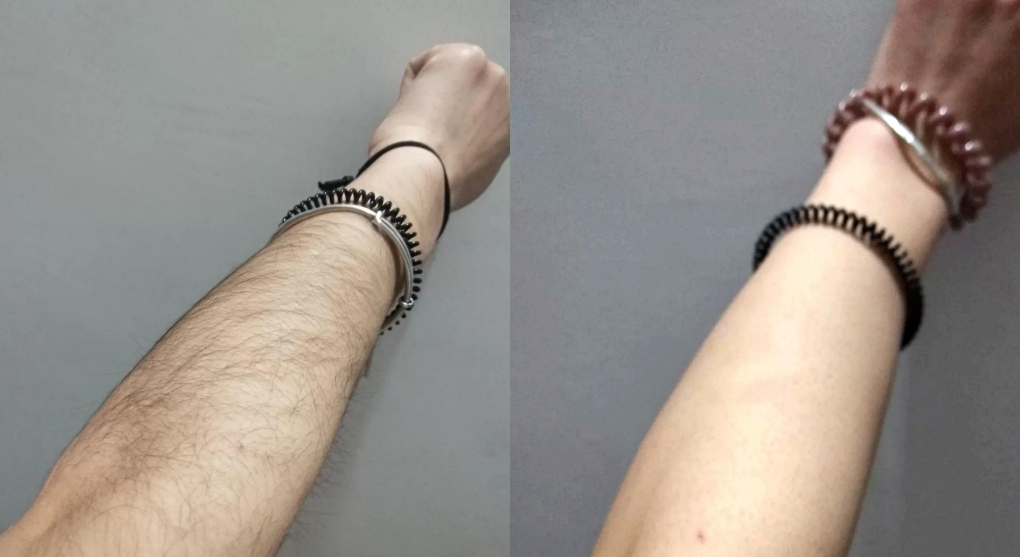
What Are the Most Effective Methods for Removing Body Hair?
Having smooth, hair-free skin is a desired aesthetic for many people. While body hair is natural and normal, there are various reasons why individuals may want to remove it. In this blog post, we will explore the most effective methods for removing body hair, including both traditional and natural approaches. Discover the pros and cons of each method and make an informed decision that suits your needs.

Popular Methods for Removing Body Hair
Shaving is a widely popular and commonly used method for removing body hair. It has gained immense popularity due to its quick, convenient, and relatively inexpensive nature. Whether it's for personal grooming or adhering to societal beauty standards, shaving offers a straightforward solution for achieving smooth and hair-free skin.
The process of shaving involves using a sharp blade, either manually or with an electric device, to cut the hair at the skin's surface. This method effectively removes the visible portion of the hair, providing immediate results. Shaving can be done on various parts of the body, including legs, arms, facial hair, and even intimate areas, making it a versatile option for individuals seeking hair removal.
One of the primary advantages of shaving is its speed and convenience. It can be done quickly, even as part of a daily routine, allowing individuals to maintain their desired level of hairlessness with minimal effort. Additionally, shaving products, such as razors and shaving cream, are widely available and relatively affordable, making it an accessible option for most people.
However, it's important to note that the results of shaving are temporary. While it effectively removes hair at the surface level, it does not affect the hair follicle or its growth cycle. As a result, hair grows back quickly, usually within a few days to a week, depending on individual hair growth rates. This means that regular shaving is necessary to maintain the desired level of hair removal.
Furthermore, shaving can sometimes lead to skin irritation or ingrown hairs, especially if proper shaving techniques and post-shaving care are not followed. It's crucial to use a clean, sharp blade, apply a lubricating shaving cream or gel, and avoid excessive shaving pressure to minimize these potential side effects.

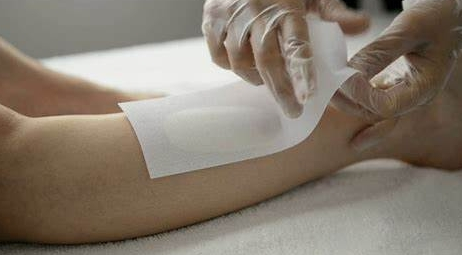
Waxing is a popular method for removing body hair that involves the application of hot or cold wax to the skin, followed by the removal of the hair from the root. This process offers several advantages over other hair removal techniques, particularly in terms of the longevity of the results.
When waxing, a thin layer of wax is applied to the skin in the direction of hair growth. As the wax cools and hardens, it adheres to the hair, allowing it to be easily lifted and removed from the root when the wax is pulled off. This method effectively removes the entire hair follicle, which means that it takes longer for the hair to regrow compared to shaving, where the hair is only cut at the skin's surface.
One of the main advantages of waxing is the longer-lasting results it provides. Depending on individual hair growth rates, the hair may take several weeks to regrow, making waxing a more efficient option for those seeking a longer period of hairlessness. Additionally, waxing can lead to the hair growing back finer and sparser over time, as repeated removal from the root can weaken the hair follicle.
However, waxing is not without its drawbacks. The process can be painful, particularly for those with sensitive skin or in areas where the skin is thinner or more delicate. The sensation of the wax being pulled off can cause discomfort or even minor skin trauma, especially if the wax is too hot or the removal technique is not performed correctly.
Furthermore, waxing can sometimes cause skin irritation, redness, or even breakouts, especially for individuals with sensitive or acne-prone skin. The use of harsh chemicals in some wax formulations or improper aftercare can exacerbate these issues. It's essential to follow proper pre- and post-waxing care, such as cleansing the skin before waxing and applying soothing lotions or creams after the process, to minimize potential irritation.
In conclusion, waxing is a hair removal method that provides longer-lasting results compared to shaving, as it removes the hair from the root. While it offers the advantage of slower hair regrowth and potential hair weakening over time, waxing can be painful and may cause skin irritation. It's important to consider individual pain tolerance, skin sensitivity, and proper care practices before choosing waxing as a hair removal option.
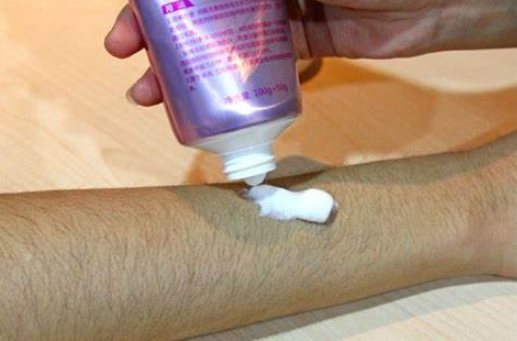
Depilatory creams are a popular choice for those seeking a relatively painless and convenient method of removing body hair. These creams work by chemically dissolving the hair at the skin's surface, effectively breaking down the hair structure and allowing it to be easily wiped away. The process is similar to shaving in that it provides temporary results, as the hair is not removed from the root.
One of the main advantages of depilatory creams is their painlessness. Unlike waxing or some other hair removal methods, depilatory creams do not involve pulling or yanking the hair out, making them a more comfortable option for those with sensitive skin or a low pain tolerance. The creams are typically applied directly to the skin and left for a specified period, allowing the chemicals to work on dissolving the hair.
Depilatory creams offer a quick and easy solution for hair removal, as they can be applied and removed in a matter of minutes. They are also relatively mess-free compared to other methods, as the dissolved hair can be easily wiped away with a damp cloth or sponge. This makes them a convenient option for those who want to remove hair quickly and without the need for special equipment or tools.
However, it is important to use depilatory creams correctly to avoid potential skin reactions. It is crucial to follow the instructions provided on the product packaging, including performing a patch test on a small area of skin before applying the cream to a larger area. This helps to identify any potential allergic reactions or sensitivities to the chemicals in the cream.
Additionally, it is important to note that depilatory creams may not be suitable for all skin types. Those with sensitive skin or certain skin conditions should consult a dermatologist or perform thorough research before using these products. Some individuals may experience skin irritation, redness, or even chemical burns if the cream is not used correctly or if they have an adverse reaction to the ingredients.
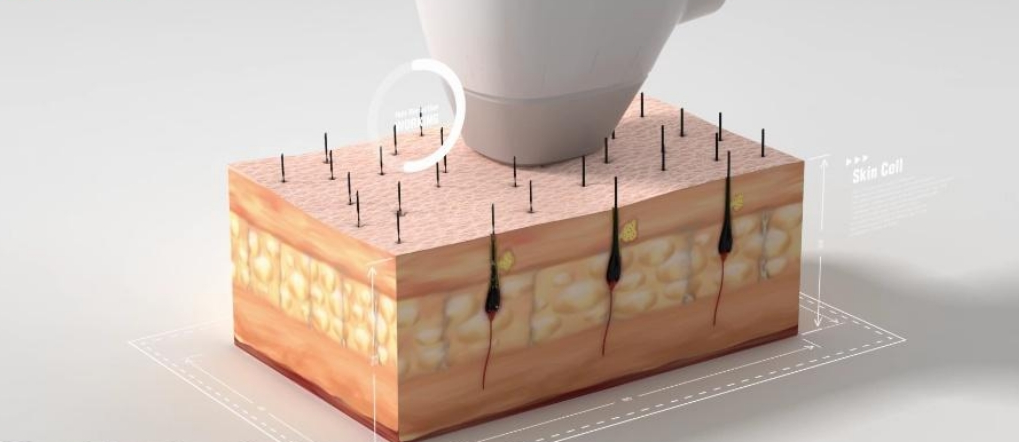
Laser hair removal is a popular and more permanent option for those seeking long-term hair reduction. This method utilizes advanced laser technology to target and disable the hair follicles, effectively reducing hair growth over time. The laser emits a concentrated beam of light that is absorbed by the pigment in the hair, which then converts the light into heat energy. This heat energy damages the hair follicle, inhibiting its ability to produce new hair.
One of the main advantages of laser hair removal is its long-term effectiveness. While it may require multiple sessions to achieve optimal results, the reduced hair growth can be significant and lasting. This makes it an attractive option for those who are looking for a more permanent solution to hair removal.
However, it is important to note that laser hair removal can be a costly procedure. The price can vary depending on the size of the area being treated, the number of sessions required, and the specific laser technology used. It is essential to consider the cost and budget before committing to this method of hair removal.
Another aspect to consider is that laser hair removal typically requires multiple sessions for optimal results. The number of sessions needed can vary depending on various factors, including the thickness and color of the hair, as well as the individual's response to the treatment. It is common for individuals to undergo a series of sessions, spaced several weeks apart, to achieve the desired level of hair reduction.
It is also important to note that laser hair removal may not be suitable for all individuals. The effectiveness of the treatment can be influenced by factors such as hair color, skin type, and medical history. For example, laser hair removal is most effective on dark, coarse hair and may not be as effective on light-colored or fine hair. Additionally, individuals with certain skin conditions or medical histories may not be suitable candidates for this treatment.
Before undergoing laser hair removal, it is crucial to consult with a qualified and experienced professional. They can assess your individual needs, discuss the expected results, and determine if laser hair removal is the right option for you. They will also provide information on the potential risks and side effects, such as skin irritation or temporary changes in skin pigmentation.
Natural Methods for Removing Body Hair
1. Sugaring:
Sugaring is a natural alternative to waxing. It involves using a mixture of sugar, lemon juice, and water to remove hair from the root. Sugaring is less painful and gentler on the skin compared to waxing.
2. Epilation:
Epilation involves using an epilator device to remove hair from the root. This method provides longer-lasting results similar to waxing, but it can be uncomfortable or painful. Regular exfoliation helps prevent ingrown hairs.
3. Turmeric Paste:
Turmeric paste is a traditional method used in some cultures to remove body hair. The paste, made with turmeric powder and water, is applied to the skin and left to dry before being removed. However, its effectiveness varies from person to person.
When choosing a hair removal method, it is essential to consider several factors to ensure that you select the most suitable option for your specific needs. Here are some key factors to take into account:
-
Skin Sensitivity and Allergies: One of the primary considerations when choosing a hair removal method is your skin sensitivity and any allergies you may have. Different hair removal techniques can have varying effects on the skin, and some may cause irritation, redness, or allergic reactions. It is crucial to choose a method that is gentle on your skin and does not trigger any adverse reactions. If you have sensitive skin or known allergies, consult with a dermatologist or skincare professional to determine the most appropriate hair removal method for you.
-
Hair Thickness and Texture: Another important factor to consider is the thickness and texture of your hair. Different hair removal methods work more effectively on specific hair types. For example, laser hair removal is generally more effective on dark, coarse hair, while fine or light-colored hair may require more sessions or alternative methods. Understanding the characteristics of your hair can help you choose a hair removal method that is more likely to provide satisfactory results.
-
Desired Duration of Hair Removal: Consider how long you want the hair removal effects to last. Some methods offer temporary results, requiring frequent maintenance, while others provide more long-term or permanent solutions. If you are looking for a quick fix or prefer the flexibility to change your hair removal routine, temporary methods like shaving or waxing may be suitable. However, if you desire a more permanent solution that reduces the need for frequent touch-ups, options like laser hair removal or electrolysis might be more appropriate.
By carefully considering these factors, you can make a more informed decision when choosing a hair removal method. It is essential to select a method that aligns with your skin sensitivity, hair type, and desired duration of hair removal to achieve the best results while minimizing potential discomfort or adverse effects. If unsure, consulting with a professional in the field can provide valuable guidance and help you determine the most suitable hair removal method for your unique needs.
Conclusion
Choosing the most effective method for removing body hair is a personal decision. Each method has its pros and cons, and what works for one person may not work for another. Consider your specific needs and preferences when deciding on a hair removal method. Whether you opt for traditional methods like shaving and waxing or prefer natural alternatives, make sure to prioritize safety and follow proper techniques to achieve the best results.