
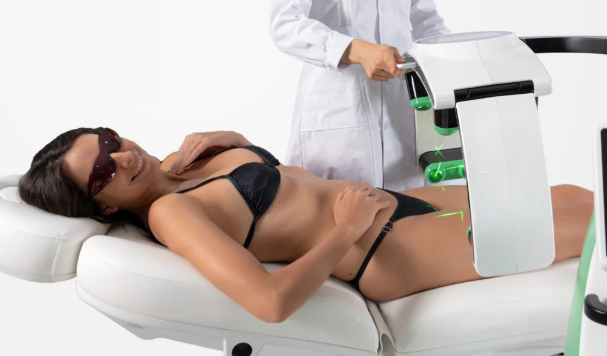
What Are the Potential Side Effects of Laser Fat Loss Treatment on the Body?
In recent years, laser fat loss treatments have emerged as a popular option for individuals seeking non-invasive methods to shed stubborn fat. While these procedures promise minimal downtime and fast results, understanding the potential side effects is crucial before embarking on this journey. This guide will explore what you can expect from laser fat loss treatments, weighing both the benefits and the possible drawbacks to ensure you make an informed decision.
Comprehensive Overview of Laser Fat Loss Treatment: Mechanisms, Safety, Outcomes, and Patient Care
1. Introduction to Laser Fat Loss Technology: Photothermolysis and Adipocyte Disruption
Laser fat loss, or low-level laser therapy (LLLT) for adipose reduction, employs specific wavelengths (typically 635–980 nm) to induce photochemical and photothermal effects on subcutaneous fat. Unlike ultrasonic cavitation (mechanical disruption) or cryolipolysis (thermal necrosis), LLLT operates via photobiomodulation, stimulating adipocytes to release triglycerides through transient pore formation (transient permeability) in their membranes. This process, termed adipocyte apoptosis or lipolysis, releases fatty acids and glycerol into the interstitial space, where they are metabolized via the lymphatic and hepatic systems.
Key Mechanisms:
- Chromophore Targeting: Mitochondrial cytochrome c oxidase absorbs photons, triggering ATP synthesis and reactive oxygen species (ROS) production, disrupting adipocyte homeostasis.
- Sympathetic Nervous System Activation: Laser exposure may increase norepinephrine release, enhancing lipolysis via β-adrenergic receptors.
- Membrane Permeabilization: Photothermal stress creates transient pores in adipocyte membranes, facilitating lipid efflux.
Advantages Over Invasive Procedures:
- Non-Ablative: No damage to dermal or epidermal layers.
- Selective Targeting: Wavelengths are absorbed preferentially by adipose tissue (high water/lipid content).
- Minimal Downtime: Patients resume activities immediately post-treatment.
Indications:
- Localized adiposity (e.g., abdomen, thighs, arms).
- Adjunct to diet/exercise for enhanced fat loss.
- Pre-surgical fat reduction (e.g., before liposuction).
2. Immediate Post-Treatment Physical Changes: Normalizing Reactions
2.1 Cutaneous Responses
- Erythema and Edema: Common, lasting 1–3 hours. Caused by vasodilation and increased capillary permeability.
- Warmth/Tingling: Due to localized hyperemia and transient neural hypersensitivity.
- Pruritus: Occurs in 10–15% of patients; managed with topical corticosteroids if severe.
Differential Diagnosis:
- Allergic Reaction: Rare; characterized by urticaria, dyspnea. Requires immediate cessation and antihistamines.
- Thermal Burn: Uncommon with FDA-cleared devices (e.g., Zerona, SculpSure); presents as eschar or blistering.
2.2 Discomfort Management
- Pain Scale: 1–3/10 (mild-to-moderate), described as "sunburn-like."
- Analgesia: Nonsteroidal anti-inflammatory drugs (NSAIDs) or acetaminophen for tenderness.
- Cooling Devices: Cryogen sprays or contact cooling during treatment reduce discomfort.
3. Short-Term Side Effects: Prevalence and Mitigation
3.1 Bruising (Ecchymosis)
- Mechanism: Capillary fragility from thermal stress or manual manipulation during treatment.
- Prevalence: 20–30% in patients with thin dermis or on anticoagulants.
- Management: Arnica gel, topical vitamin K, and avoidance of aspirin for 7 days post-treatment.
3.2 Tenderness and Nodularity
- Pathophysiology: Inflammatory response to released lipids and cellular debris.
- Duration: 3–7 days; peaks at 48 hours.
- Interventions:
- Gentle Massage: Lymphatic drainage techniques (e.g., Vodder method) to reduce edema.
- Compression Garments: Worn for 24–48 hours to stabilize tissues.
4. Long-Term Side Effects and Risks: Rarity and Reversibility
4.1 Skin Irregularities
- Texture Changes: Rare (<1%); may include indentations or "rippling" from uneven fat reduction.
- Pigmentation: Hyperpigmentation (0.5–2%) in Fitzpatrick IV–VI skin types due to melanocyte stimulation.
- Management:
- Topical Agents: Hydroquinone (2–4%) or tretinoin for hyperpigmentation.
- Fractional Lasers: For texture abnormalities (e.g., CO₂ or Er:YAG resurfacing).
4.2 Systemic Risks
- Lipidemia: Transient elevation of serum triglycerides (resolves within 24–48 hours).
- Liver Strain: Rare in healthy individuals; contraindicated in NASH/NAFLD.
5. Health Implications: Metabolic and Organ Function Considerations
5.1 Lipid Metabolism
- Post-Treatment Dynamics: Released fatty acids are oxidized in muscle (β-oxidation) or stored in visceral fat if energy intake exceeds expenditure.
- Monitoring: Fasting lipid profile at baseline and 1-month post-treatment for patients with dyslipidemia.
5.2 Organ Function
- Liver: Increased fatty acid flux may exacerbate steatosis in pre-existing liver disease.
- Kidneys: Glycerol is metabolized to glucose, increasing renal workload in diabetics.
Recommendations:
- Diet: Low-glycemic, high-fiber meals to prevent insulin spikes.
- Exercise: 30 minutes of moderate aerobic activity daily to enhance lipid oxidation.
6. Psychological Effects and Body Image: Setting Realistic Expectations
6.1 Cognitive-Behavioral Factors
- Placebo Effect: Up to 30% of perceived improvement may be due to psychological factors.
- Body Dysmorphic Disorder (BDD): Screen patients for BDD; refer to mental health professionals if indicated.
6.2 Expectation Alignment
- Average Reductions: 1–2 cm circumference loss per treatment area (6–8 sessions recommended).
- Maintenance: 50% of patients regain 30% of lost fat within 1 year without lifestyle changes.
Communication Strategies:
- Visual Aids: Use 3D body scanning to track progress objectively.
- Success Stories: Share anonymized case studies with similar body types.
7. Safety Precautions and Mitigation: Protocols for Optimal Outcomes
7.1 Pre-Treatment Screening
- Contraindications:
- Absolute: Pregnancy, active cancer, photosensitivity disorders.
- Relative: Uncontrolled diabetes, history of DVT, pacemakers.
- Patient Education: Provide written consent forms detailing risks and benefits.
7.2 Intra-Treatment Monitoring
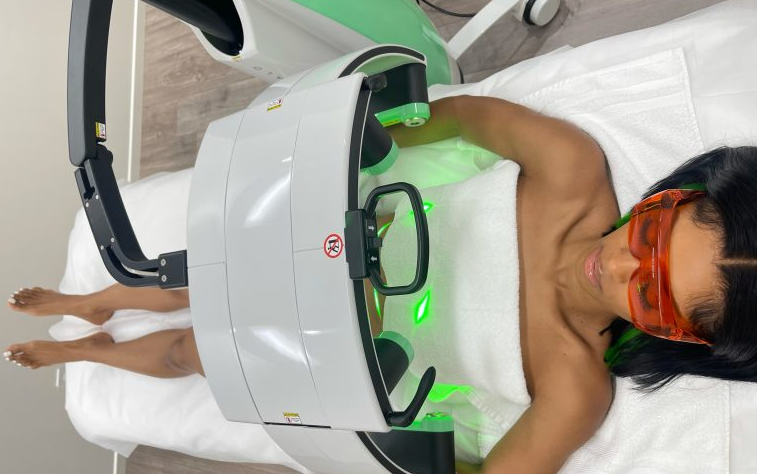
- Temperature Control: Use infrared thermometers to maintain skin surface <42°C.
- Pulse Duration: 20–40 minutes per session; avoid over-treating to prevent paradoxical adipose hyperplasia (PAH).
7.3 Post-Treatment Follow-Up
- Weekly Check-Ins: Assess for adverse events via telemedicine.
- Adjunct Therapies: Offer radiofrequency (RF) or ultrasound for skin tightening if laxity occurs.
8. Future Directions and Innovations
- Combination Modalities: LLLT + cryolipolysis (e.g., CoolTone) for synergistic fat reduction and muscle toning.
- Wearable Devices: At-home LLLT belts (e.g., Isavera) for maintenance therapy.
- AI-Driven Protocols: Machine learning to personalize wavelength, fluence, and treatment duration based on body composition analysis.
Conclusion
In conclusion, while laser fat loss provides an exciting alternative to traditional fat removal methods, understanding its side effects is paramount. Being informed helps you prepare for potential risks and ensures a safe and effective treatment experience. Consulting with qualified professionals and considering all aspects of the treatment, from immediate effects to long-term implications, will help you achieve the best results.
GLM is a specialized beauty instrument factory that produces instruments for a variety of functions, including weight loss devices. We have vacuum negative press, radio frequency fat blasting equipment, frozen fat dissolving machine and EMS body shaping machine. GLM is a 14 year old supplier of beauty instruments with guaranteed quality.https://gdglmbeauty.com/