
what causes clogged pores in oily skin?
Blocked pores can be a frustrating problem, particularly for those with oily skin. Understanding the underlying causes can help you take the necessary steps to prevent and treat clogged pores. In this blog post, we will explore the common causes of blocked pores in people with oily skin and discuss prevention methods and treatment options for maintaining a healthy complexion.
Introduction:
Before delving into the causes of blocked pores in people with oily skin, let's start by defining what blocked pores are and examining the characteristics of oily skin.
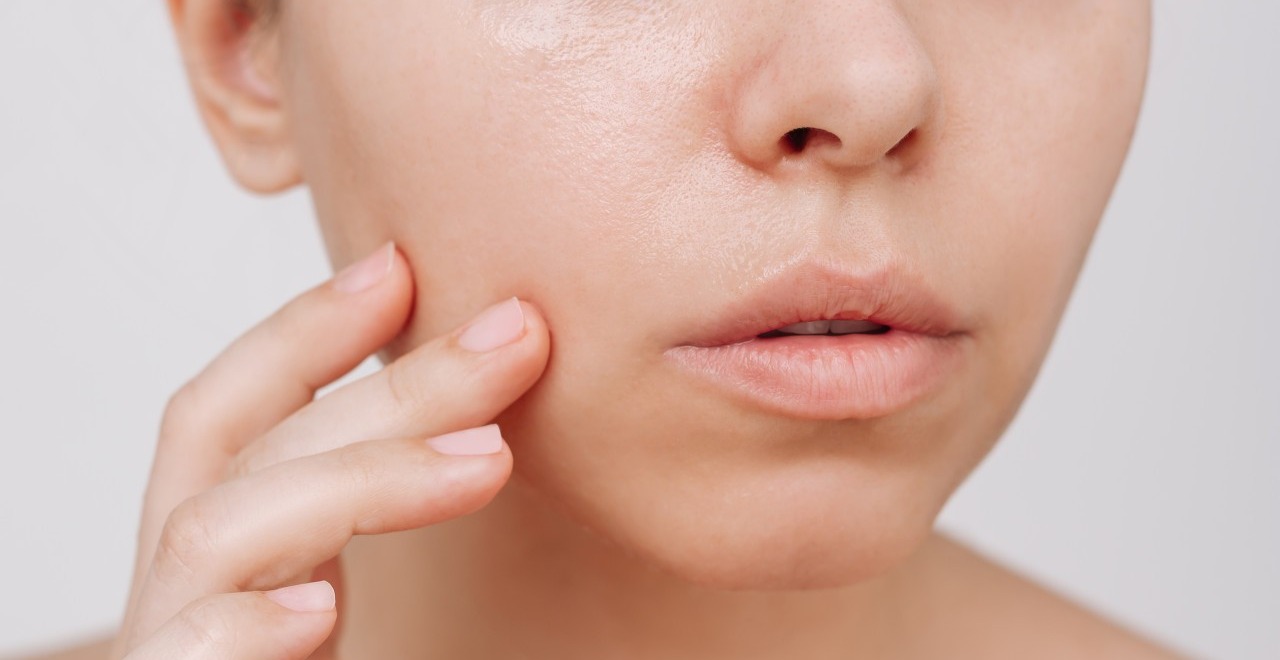
Blocked pores occur when excess oil, dead skin cells, and other impurities accumulate and clog the skin's hair follicles. Oily skin, also known as sebaceous skin, is characterized by overactive sebaceous glands that produce an abundance of sebum, the natural oil that helps lubricate the skin. When sebum production is excessive, it can lead to clogged pores and various skin issues.
The importance of understanding the causes of blocked pores in people with oily skin:
Understanding the causes of clogged pores in oily skin is crucial for several reasons. Firstly, blocked pores can result in the formation of acne. When the hair follicles become obstructed, bacteria can multiply, leading to inflammation, pimples, and other blemishes.
Secondly, untreated clogged pores can develop into more severe skin problems such as blackheads, whiteheads, and even cystic acne. These conditions can be painful and detrimental to both physical appearance and self-esteem.
Lastly, by identifying the root causes of blocked pores in oily skin, you can adopt preventive measures to maintain a healthy complexion. Through a combination of proper skincare routines, lifestyle changes, and targeted treatments, you can reduce sebum production, prevent dead skin cell accumulation, and minimize the risk of clogged pores and associated skin issues.
Common causes of blocked pores in people with oily skin:
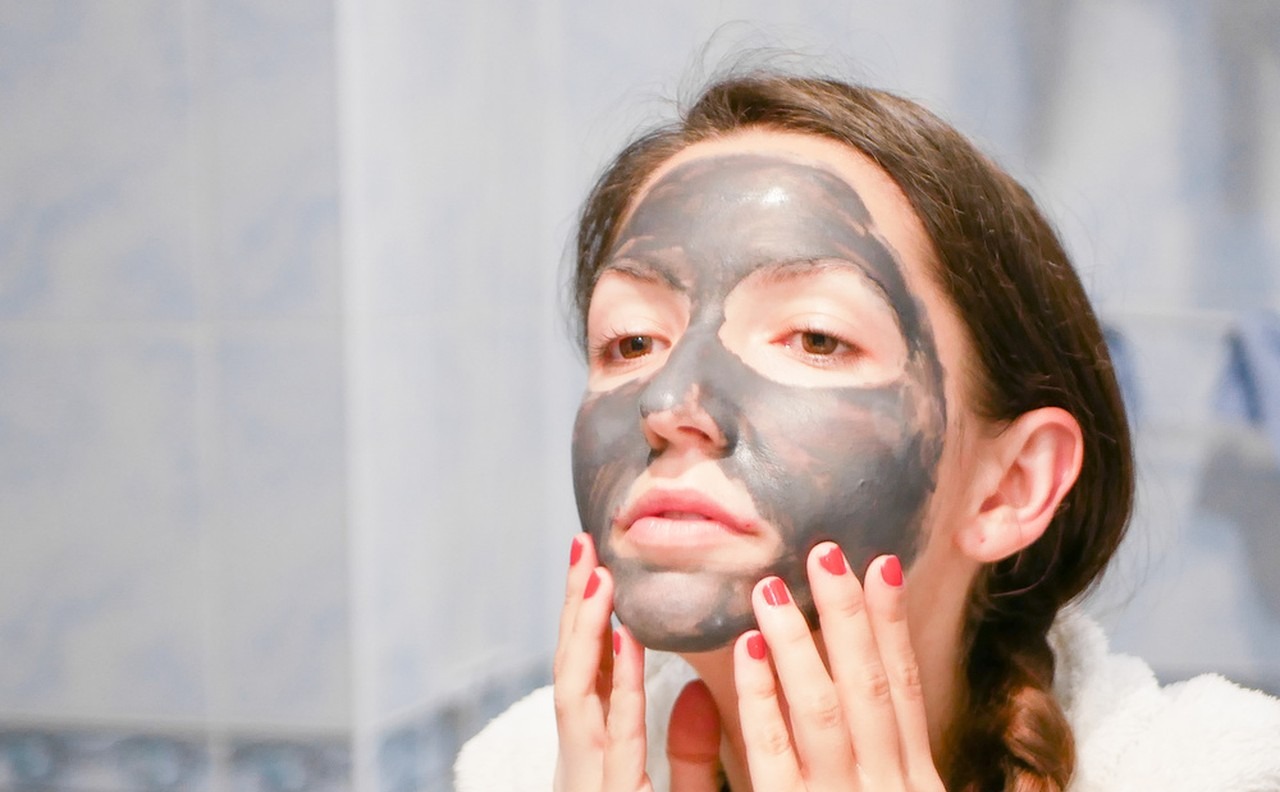
There are several factors that contribute to the development of blocked pores in individuals with oily skin:
1. Excessive sebum production:
Sebum, the natural oil produced by the sebaceous glands, is essential for keeping the skin moisturized and protected. However, in individuals with oily skin, the sebaceous glands may produce an excess amount of sebum.
A combination of hormonal factors, such as an increase in androgen hormones, and genetic predisposition can lead to overactive sebaceous glands. This excessive sebum production can clog the pores and contribute to the formation of acne.
2. Dead skin cell accumulation:
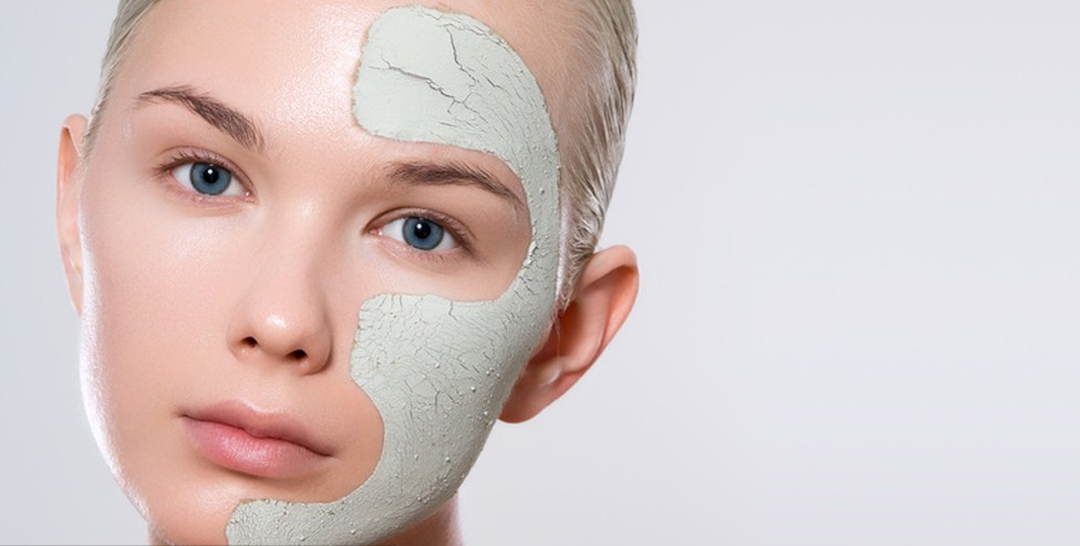
Shedding of dead skin cells is a natural process that occurs daily. However, in individuals with oily skin, dead skin cells can stick together and accumulate on the skin's surface.
This build-up of dead skin cells can mix with excess sebum, leading to blockages within the pores. The result is the formation of comedones, commonly known as blackheads and whiteheads.
3. Environmental factors:
Environmental factors can also contribute to clogged pores in people with oily skin. One significant factor is pollution. Air pollutants, such as dirt, dust, and toxins, can settle on the skin and combine with excess sebum and dead skin cells, exacerbating the risk of blocked pores.
In addition to pollution, high humidity levels can further complicate matters. Humidity increases the skin's moisture content, stimulating sebum production and making it easier for dead skin cells to adhere to the skin's surface, potentially leading to clogged pores.

4. Hormonal changes:
Hormonal changes play a significant role in the functioning of the sebaceous glands. During puberty, an increase in androgen hormones can trigger higher sebum production, making teenagers more prone to clogged pores and acne.
Moreover, hormonal imbalances, such as those experienced during menstrual cycles or due to medical conditions like polycystic ovary syndrome (PCOS), can also contribute to blocked pores and oily skin.

Prevention and treatment options for blocked pores in people with oily skin:
While managing blocked pores in oily skin can be challenging, there are various preventive measures and treatment options available:
1. Regular cleansing routine:
Cleansing your face twice daily with a gentle, oil-free cleanser is essential for maintaining clean skin and preventing blockages. Look for a cleanser specifically designed for oily skin, and ensure it is pH-balanced and non-comedogenic.
Using warm water, lather the cleanser onto your face using gentle circular motions. Rinse thoroughly and pat your skin dry with a clean towel. Avoid scrubbing aggressively, as this can irritate the skin and stimulate excess sebum production.

2. Exfoliation to remove dead skin cells:
Regular exfoliation helps remove the build-up of dead skin cells, preventing them from clogging the pores. Opt for gentle exfoliants containing salicylic acid or glycolic acid, as these ingredients are effective against oily skin.
Exfoliate your skin once or twice a week, following the instructions on the product. Avoid over-exfoliation, as this can strip the skin of its natural oils and lead to increased sebum production.
3. Use of non-comedogenic skincare products:
Non-comedogenic products are specially formulated to not clog pores. When choosing skincare products, such as moisturizers, sunscreens, and makeup, opt for those labeled non-comedogenic.
These products are designed to allow the skin to breathe and minimize the risk of pore blockages. They are typically oil-free and hypoallergenic, making them suitable for oily and sensitive skin types.

4. Seeking professional help:
If you are struggling with persistent blocked pores and associated skin issues, it may be beneficial to consult a dermatologist. A dermatologist can assess your condition, provide personalized recommendations, and prescribe medications or treatments to manage clogged pores effectively.
Professional treatments, such as chemical peels or microdermabrasion, can also help remove dead skin cells and unclog pores. These treatments are typically performed by a qualified esthetician or dermatologist and can yield significant improvements in skin health.
Conclusion:
Clogged pores in people with oily skin can be a bothersome issue, but by understanding the common causes and taking appropriate preventive measures, you can maintain a healthy complexion. Excessive sebum production, dead skin cell accumulation, environmental factors, and hormonal changes all contribute to blocked pores.
Establishing a regular cleansing routine, exfoliating to remove dead skin cells, using non-comedogenic products, and seeking professional help when needed are effective strategies for preventing and treating clogged pores. By adopting these measures, you can minimize the risk of acne, blackheads, and other skin problems, ensuring a clear and radiant complexion.