

Introduction:
In the world of medical and cosmetic treatments, there is a revolutionary technology called HIFU, which stands for High Intensity Focused Ultrasound. This procedure is gaining significant popularity due to its effectiveness and non-invasive nature. But what exactly is HIFU and how does it work? In this comprehensive guide, we will delve into the details of HIFU, explore its applications, advantages, and limitations, and discuss its promising future.
I. How Does HIFU Work?
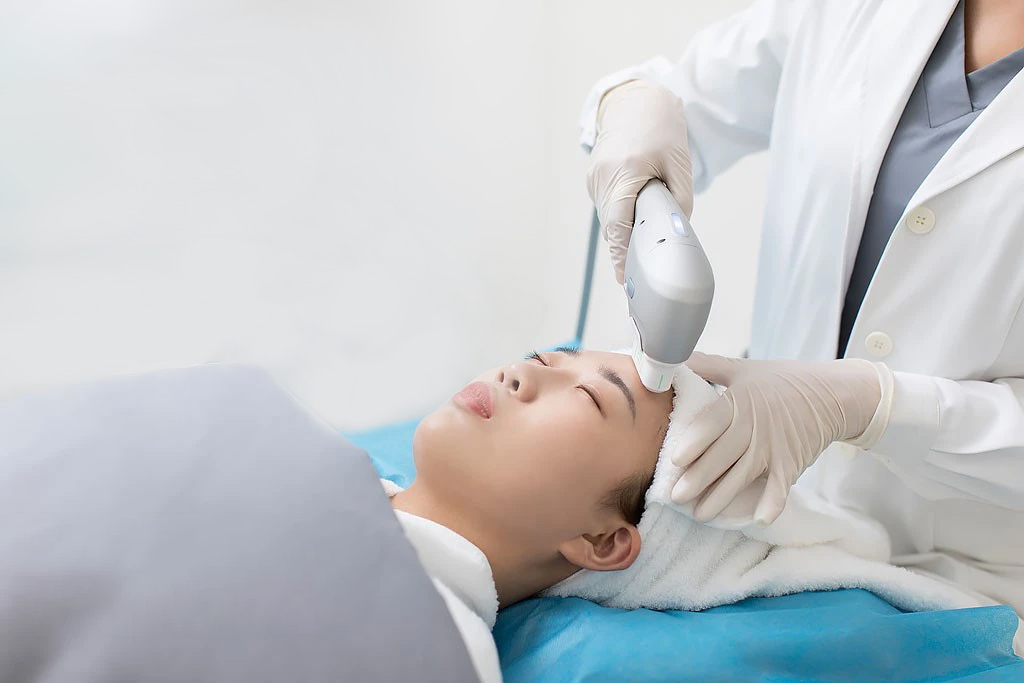
HIFU utilizes the power of ultrasound waves to target specific tissues and generate controlled heat at precise depths within the body. This focused energy causes thermal coagulation, leading to the destruction of targeted cells or tissues without affecting the surrounding areas. The ultrasound waves are emitted by a transducer, which converts electrical energy into sound waves, ensuring precision and accuracy in the treatment process.
II. Applications of HIFU in Medical Treatments:
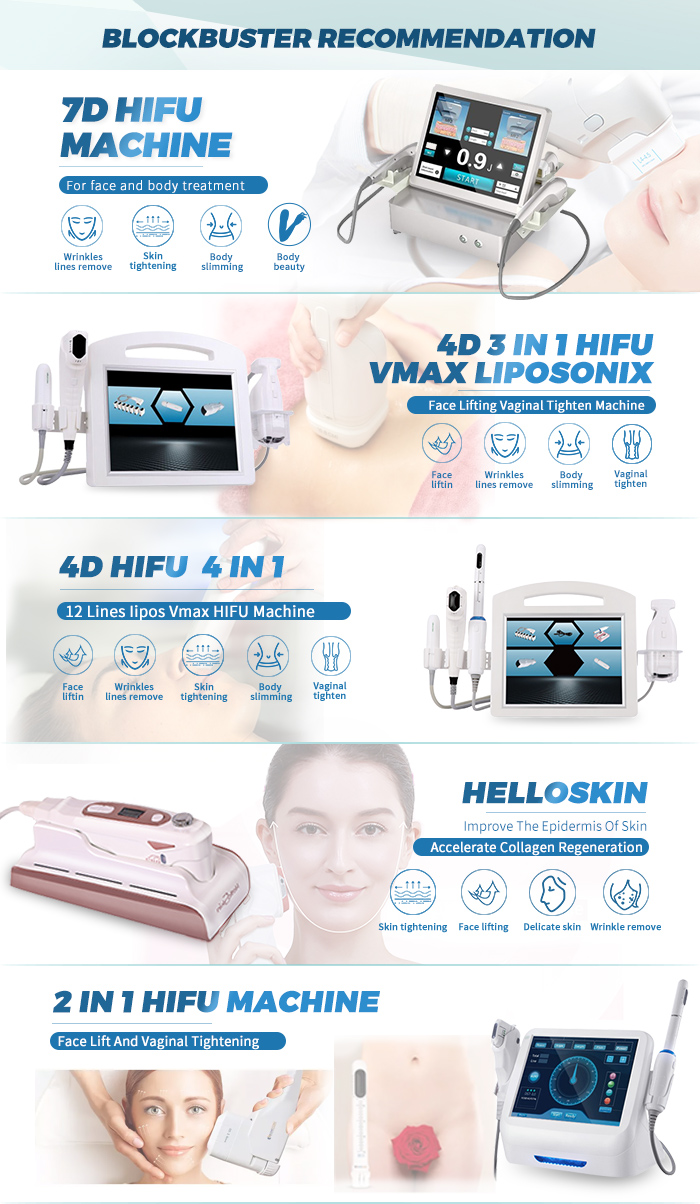
HIFU has shown remarkable potential in various medical treatments, particularly in the field of cancer therapy. It is commonly used for ablating tumors and has proven to be effective in treating prostate, breast, liver, and kidney cancers. HIFU offers several advantages in cancer treatment, including minimal invasiveness, reduced side effects, and faster recovery time compared to traditional surgical procedures. Ongoing research is also exploring the use of HIFU in treating other conditions like uterine fibroids and neurological disorders.
III. HIFU in Cosmetic Procedures:
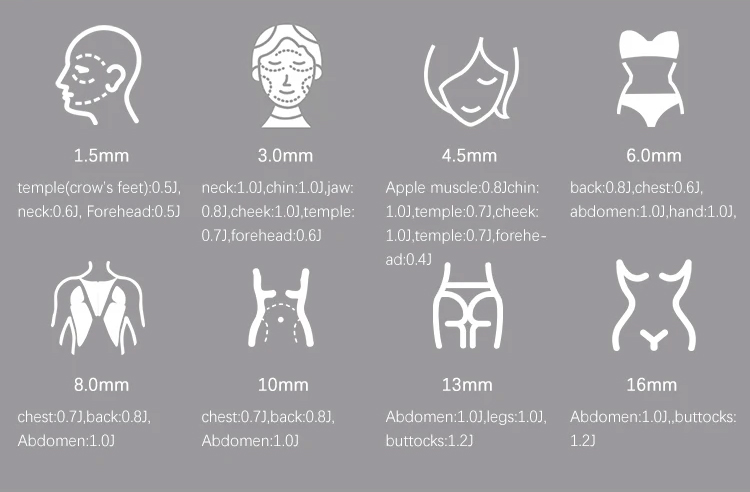
Apart from medical treatments, HIFU has gained popularity in the cosmetic industry for its ability to tighten and rejuvenate the skin. With age, collagen production decreases, leading to sagging skin, wrinkles, and a loss of elasticity. HIFU stimulates the production of collagen and elastin, which results in skin tightening and lifting. Facial HIFU treatments can effectively reduce the appearance of fine lines, wrinkles, and improve overall skin texture.
IV. Advantages and Limitations of HIFU:
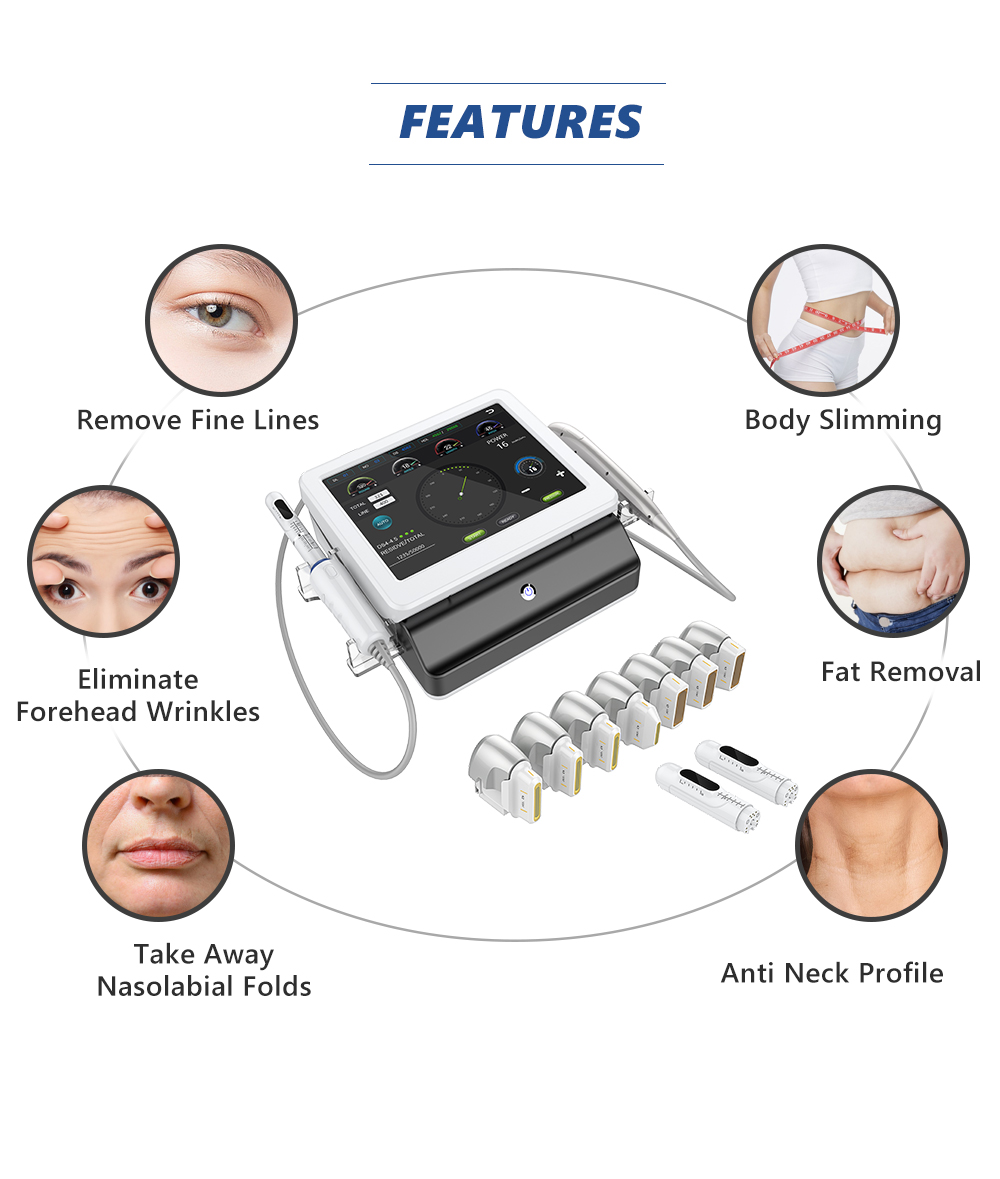
HIFU offers several advantages over traditional treatment methods. Firstly, it is a non-invasive procedure, eliminating the need for incisions and anesthesia. The targeted nature of HIFU ensures that surrounding tissues are left unaffected, leading to minimal side effects. Additionally, the recovery time is significantly shorter compared to surgical procedures. However, it is essential to note that HIFU is not suitable for all cases, and its effectiveness may vary depending on various factors such as the location and size of the treatment area.
V. The Future of HIFU:
The future of HIFU looks promising, with ongoing research and technological advancements. Researchers are exploring the use of HIFU in not only treating cancer but also in drug delivery systems, where HIFU can be used to enhance the absorption of certain medications. Further developments are expected to improve the precision and effectiveness of HIFU, making it a valuable tool in various medical and cosmetic fields.
Conclusion:
HIFU, or High Intensity Focused Ultrasound, is revolutionizing the medical and cosmetic industries with its non-invasive nature and impressive results. From its applications in cancer treatment to its ability to tighten and rejuvenate the skin, HIFU offers a promising alternative to traditional treatment methods. As technology continues to advance, the future holds even more possibilities for HIFU, making it an exciting area of exploration for researchers and a valuable option for patients seeking innovative treatments.