LED Phototherapy: A Comprehensive Guide to Its Applications, Frequency, Benefits, and Expert Recommendations
Abstract:
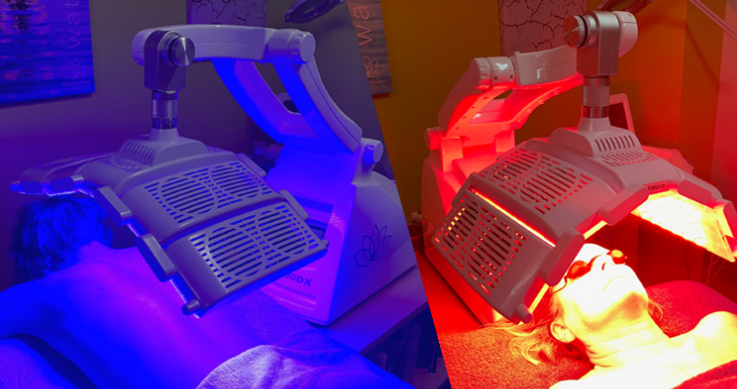
LED phototherapy has emerged as a cornerstone of modern skincare, offering a non-invasive, scientifically validated approach to addressing acne, aging, hyperpigmentation, and post-procedure recovery. This guide delves into the mechanisms of LED technology, its clinical applications, optimal treatment frequencies, and safety considerations, empowering you to make informed decisions about integrating this therapy into your skincare regimen.
Introduction
In an era where skincare innovation is advancing at an unprecedented pace, LED phototherapy stands out as a transformative solution for individuals seeking to enhance their skin health without the risks associated with invasive procedures. By harnessing specific wavelengths of light, this therapy triggers cellular responses that combat acne, stimulate collagen production, and even out skin tone. However, a common question persists: How frequently should one undergo LED treatments to achieve optimal results? This article provides a detailed exploration of LED phototherapy, including its scientific foundations, primary uses, and evidence-based treatment protocols.
What is LED Phototherapy?
A. The Science Behind LED Technology
LED, or Light Emitting Diode, is a semiconductor device that emits light when an electric current passes through it. Unlike traditional incandescent bulbs, LEDs produce minimal heat and can be engineered to emit precise wavelengths of light, making them ideal for medical and aesthetic applications. In skincare, LED phototherapy utilizes clinically controlled wavelengths to penetrate the skin at varying depths, targeting specific cellular structures without causing thermal damage.
B. Mechanism of Action
During an LED phototherapy session, photons of light are absorbed by cytochrome c oxidase, a key enzyme in the mitochondrial respiratory chain. This absorption enhances cellular metabolism, leading to increased ATP (adenosine triphosphate) production—the energy currency of cells. The heightened energy levels accelerate cellular repair, collagen synthesis, and inflammation reduction, addressing the root causes of many skin concerns.
C. Types of LED Light and Their Therapeutic Effects
LED phototherapy employs a spectrum of wavelengths, each with distinct biological effects:
- Red Light (630–700 nm):
- Penetrates deeply into the dermis, stimulating fibroblasts to produce collagen and elastin.
- Reduces fine lines, wrinkles, and skin laxity.
- Enhances blood circulation, promoting nutrient delivery and waste removal.
- Blue Light (405–420 nm):
- Targets the sebaceous glands, where it generates reactive oxygen species (ROS) that destroy Propionibacterium acnes, the bacteria responsible for acne.
- Reduces inflammation and prevents new breakouts.
- Green Light (525–550 nm):
- Inhibits melanin production by targeting melanocytes, the pigment-producing cells.
- Fades hyperpigmentation, sun spots, and melasma.
- Yellow Light (590–620 nm):
- Promotes lymphatic drainage, reducing swelling and puffiness.
- Soothes sensitive or irritated skin.
- Near-Infrared Light (800–880 nm):
- Penetrates the deepest, accelerating wound healing and tissue regeneration.
- Often used in conjunction with red light for enhanced anti-aging effects.
While red and blue lights are the most commonly used in skincare, advanced devices may combine multiple wavelengths for synergistic benefits.
Main Uses of LED Phototherapy
A. Acne Treatment
Blue light therapy is a first-line treatment for mild to moderate inflammatory acne. By targeting P. acnes, it reduces lesion count and prevents scarring. Clinical studies demonstrate that blue light can decrease acne severity by up to 50% after 8–12 weeks of consistent use. For severe cases, a combination of blue and red light may be prescribed to simultaneously kill bacteria and reduce inflammation.
B. Anti-Aging & Skin Rejuvenation
Red light therapy is a gold standard for anti-aging, as it stimulates collagen and elastin production, improving skin firmness and elasticity. A 2014 study in Photomedicine and Laser Surgery found that red light treatments reduced wrinkle depth by 36% and increased collagen density by 20% over 12 weeks. Near-infrared light may further enhance these effects by promoting deeper tissue repair.
C. Hyperpigmentation & Skin Tone Correction
Green light therapy is effective for treating melasma, post-inflammatory hyperpigmentation (PIH), and uneven skin tone. By inhibiting melanin synthesis, it gradually lightens dark spots without the irritation associated with topical hydroquinone or chemical peels. For stubborn pigmentation, a combination of green and red light may be used to address both discoloration and skin texture.
D. Wound Healing & Inflammation Reduction
LED phototherapy accelerates healing by stimulating angiogenesis (new blood vessel formation) and reducing oxidative stress. It is commonly used post-laser treatments, chemical peels, or microneedling to minimize downtime and enhance results. Red and near-infrared lights are particularly beneficial for reducing erythema (redness) and edema (swelling).
E. Rosacea & Sensitive Skin
Yellow light therapy is often recommended for rosacea and sensitive skin due to its anti-inflammatory and calming effects. It helps strengthen the skin barrier, reducing reactivity to environmental triggers.
How Many Times Do I Need to Undergo LED Phototherapy?
A. Treatment Frequency Guidelines
The optimal frequency of LED sessions depends on the condition being treated, the type of device used, and individual skin response. Below are general recommendations:
- Acne:
- Professional treatments: 2–3 sessions per week for 4–6 weeks, followed by maintenance as needed.
- At-home devices: Daily use for 10–20 minutes, depending on the manufacturer’s instructions.
- Anti-Aging:
- Professional treatments: 1–2 sessions per week for 8–12 weeks, then monthly maintenance.
- At-home devices: 3–5 times per week for long-term benefits.
- Hyperpigmentation:
- Professional treatments: 2 sessions per week for 6–10 weeks, combined with sun protection.
- At-home devices: 3–4 times per week, with gradual results visible after 4–6 weeks.
- Post-Procedure Recovery:
- Professional treatments: Daily sessions for 3–5 days following a procedure to promote healing.
B. Factors Influencing Treatment Duration
- Severity of the condition: Chronic or severe issues may require longer treatment periods.
- Skin type and tone: Darker skin tones may respond more slowly to pigmentation treatments due to higher melanin content.
- Device strength: Clinical-grade LEDs deliver higher irradiance (light intensity) than at-home devices, potentially reducing the number of sessions needed.
- Compliance: Consistent use is critical; skipping sessions can delay results.
C. Expected Timeline for Results
- Early improvements: Reduced redness and increased hydration may be noticeable after 1–2 weeks.
- Significant changes: Collagen remodeling and pigment fading typically require 4–6 weeks.
- Long-term maintenance: Ongoing treatments (e.g., monthly professional sessions) help sustain results.
Safety and Side Effects of LED Phototherapy
A. Non-Invasive and Well-Tolerated
LED phototherapy is FDA-cleared for various skin conditions and is considered safe for all skin types, including sensitive and acne-prone skin. Unlike lasers or IPL, it does not cause thermal damage, making it suitable for year-round use.
B. Potential Side Effects
Side effects are rare and mild, including:
- Temporary redness or warmth during treatment.
- Mild dryness, which can be mitigated with a hydrating moisturizer.
- Photosensitivity in rare cases (avoid sun exposure immediately after treatment).
LED therapy does not increase the risk of skin cancer or premature aging, as it does not emit UV radiation.
C. Contraindications
While generally safe, LED phototherapy should be avoided by:
- Individuals with photosensitive disorders (e.g., lupus, porphyria).
- Those taking photosensitizing medications (e.g., certain antibiotics, retinoids).
- Pregnant women (consult a healthcare provider first).
Expert Tips to Maximize Your LED Phototherapy Results
- Choose the Right Device:
- For clinical-grade results, seek treatments from a licensed dermatologist or aesthetician.
- At-home devices are convenient but ensure they are FDA-cleared and have adjustable settings.
- Combine with Complementary Treatments:
- Pair LED therapy with topical antioxidants (e.g., vitamin C) to enhance light absorption.
- Use a gentle exfoliant (e.g., lactic acid) 1–2 times weekly to remove dead skin and improve light penetration.
- Protect Your Skin:
- Always apply broad-spectrum sunscreen (SPF 30+) during the day, as LED therapy can make skin more susceptible to UV damage.
- Be Patient and Consistent:
- Stick to your treatment schedule, even if results are not immediately visible.
- Track progress with monthly photos to monitor improvements.
Conclusion
LED phototherapy represents a safe, effective, and versatile solution for a wide range of skin concerns, from acne and aging to pigmentation and post-procedure recovery. By understanding the science behind LED technology and adhering to evidence-based treatment protocols, you can achieve clearer, healthier, and more radiant skin. For personalized guidance, consult a board-certified dermatologist or licensed aesthetician to develop a tailored LED therapy plan that aligns with your skincare goals.
GLM is a specialized beauty instrument factory that produces instruments for a variety of functions, including weight loss devices. We have vacuum negative press, radio frequency fat blasting equipment, frozen fat dissolving machine and EMS body shaping machine. GLM is a 14 year old supplier of beauty instruments with guaranteed quality.https://gdglmbeauty.com/