

Skin rejuvenation is a popular topic in the world of aesthetics, and individuals are constantly seeking effective treatments to improve the health and appearance of their skin. Two popular options for skin rejuvenation are HIFU facial treatment and RF microneedling. In this blog post, we will compare these two treatments to determine which one is more effective for achieving skin rejuvenation.

I. Understanding HIFU Facial Treatment
HIFU, or High-Intensity Focused Ultrasound, facial treatment is a non-invasive procedure that uses ultrasound energy to target specific layers of the skin. This energy stimulates collagen production, resulting in tighter and smoother skin. Unlike traditional facelifts, HIFU does not require any incisions or downtime.
HIFU works by emitting focused ultrasound waves to the deep layers of the skin, where collagen production is triggered. The heat from the waves causes micro-injuries to the tissue, stimulating the body's natural healing process. Over time, this results in firmer, more youthful-looking skin.
One of the biggest advantages of HIFU is its ability to target specific areas of the face, such as the jawline, cheeks, and forehead. This makes it highly effective for lifting and tightening sagging skin in these areas.
II. Analyzing RF Microneedling
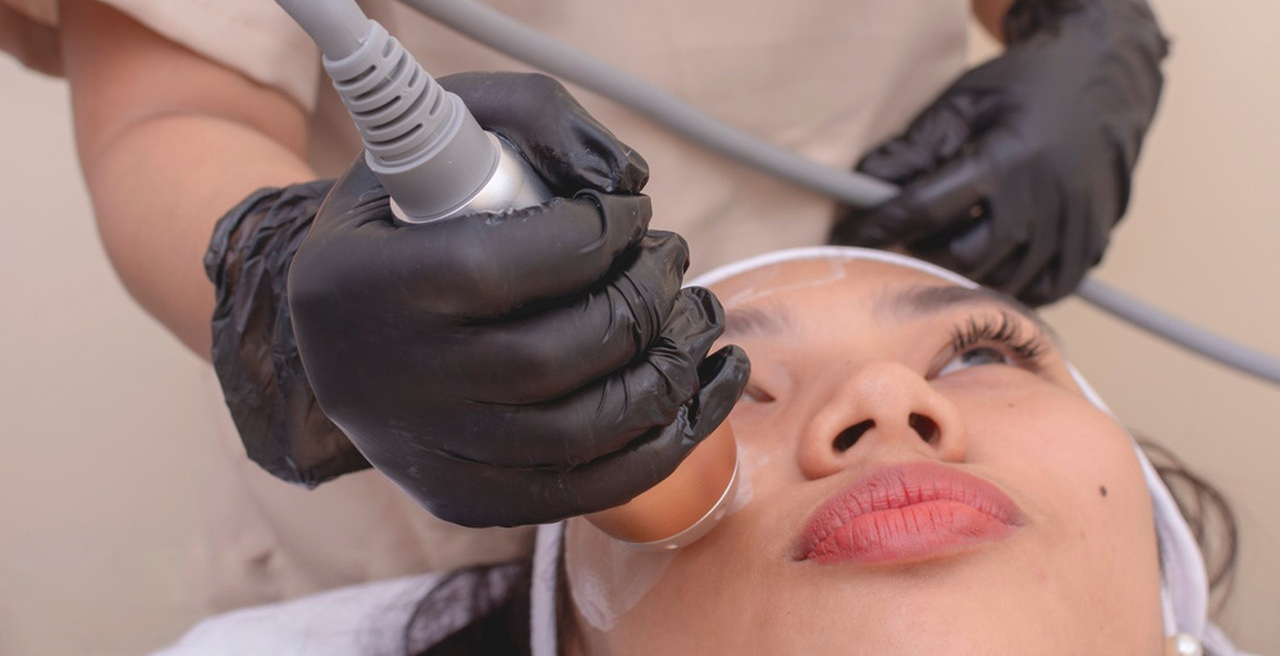
RF microneedling, on the other hand, combines the benefits of traditional microneedling with radiofrequency energy. Microneedling involves using tiny needles to create controlled micro-injuries in the skin, which stimulates collagen and elastin production. The addition of radiofrequency energy to the procedure further enhances the results.
During an RF microneedling treatment, the device delivers radiofrequency energy through the needles as they penetrate the skin. This energy heats the tissue, stimulating collagen production and tightening the skin. The combination of microneedling and radiofrequency allows for more precise and targeted treatment, resulting in significant skin rejuvenation.
RF microneedling is known for its ability to address a wide range of skin concerns, including wrinkles, fine lines, acne scars, and uneven skin texture. It is particularly effective in improving overall skin tone and reducing the appearance of hyperpigmentation.

III. Comparing the Efficacy of HIFU and RF Microneedling
When comparing the efficacy of HIFU facial treatment and RF microneedling, several factors need to be considered:
1. Skin tightening and firmness: Both treatments are effective in stimulating collagen production, leading to tighter and firmer skin. However, many studies have shown that HIFU may produce more noticeable tightening effects.
2. Reduction of wrinkles and fine lines: Both HIFU and RF microneedling can significantly improve the appearance of wrinkles and fine lines. However, because HIFU targets deeper layers of the skin, it may be more effective in treating severe wrinkles.
3. Improvement in skin texture and tone: RF microneedling is particularly effective in improving skin texture and tone. The combined benefits of microneedling and radiofrequency energy help to enhance skin smoothness and reduce the appearance of imperfections.
4. Immediate results vs. long-term benefits: HIFU facial treatment often provides immediate results, with continued improvement over several months as collagen production increases. RF microneedling, on the other hand, may require multiple sessions to achieve optimal results, with improvement continuing for several months after treatment.
Numerous scientific studies and testimonials from professionals and users attest to the effectiveness of both HIFU facial treatment and RF microneedling. However, it is essential to consult with a skincare professional to determine which treatment is best suited for individual goals and preferences.

IV. Safety and Side Effects
Both HIFU facial treatment and RF microneedling are generally safe procedures when performed by trained professionals. However, it is essential to consider potential side effects and individual skin conditions.
HIFU facial treatment may cause temporary redness, swelling, or tingling sensations immediately after the procedure. These effects usually subside within a few hours or days. RF microneedling may also cause temporary redness, swelling, and mild discomfort, but these side effects are generally well-tolerated and resolve quickly.
It is crucial to follow the aftercare instructions provided by the skincare professional to minimize the risk of complications. In rare cases, individuals with specific skin conditions or sensitivities may experience adverse reactions. Consulting with a skincare professional before undergoing any treatment is crucial to ensure safety and efficacy.
Conclusion:
HIFU facial treatment and RF microneedling are both effective options for achieving skin rejuvenation. While HIFU provides notable skin tightening and immediate results, RF microneedling excels in improving skin texture and addressing a range of concerns. Ultimately, the choice between the two treatments depends on individual goals and preferences.
If you're considering either HIFU facial treatment or RF microneedling, consult with a skincare professional who can assess your skin condition and recommend the most suitable option for achieving your desired results. By taking this step, you can embark on your skin rejuvenation journey with confidence, knowing that you are making an informed decision for your skin's health and appearance.