
Introduction
When people ask, “What is the best weight loss method?”, they are often looking for one simple answer. In reality, effective weight management is rarely based on a single treatment, product, or technology. The most successful approach usually combines sustainable lifestyle habits with professional assessment and, when appropriate, targeted aesthetic treatments.
For beauty salons, aesthetic clinics, and professional body-contouring centers, this creates an important opportunity. Clients are not always looking only for a lower number on the scale. Many want a slimmer-looking waistline, more defined contours, reduced appearance of localized fat, smoother-looking skin, and greater confidence in their body shape.
This is where professional aesthetic equipment can play a supporting role.
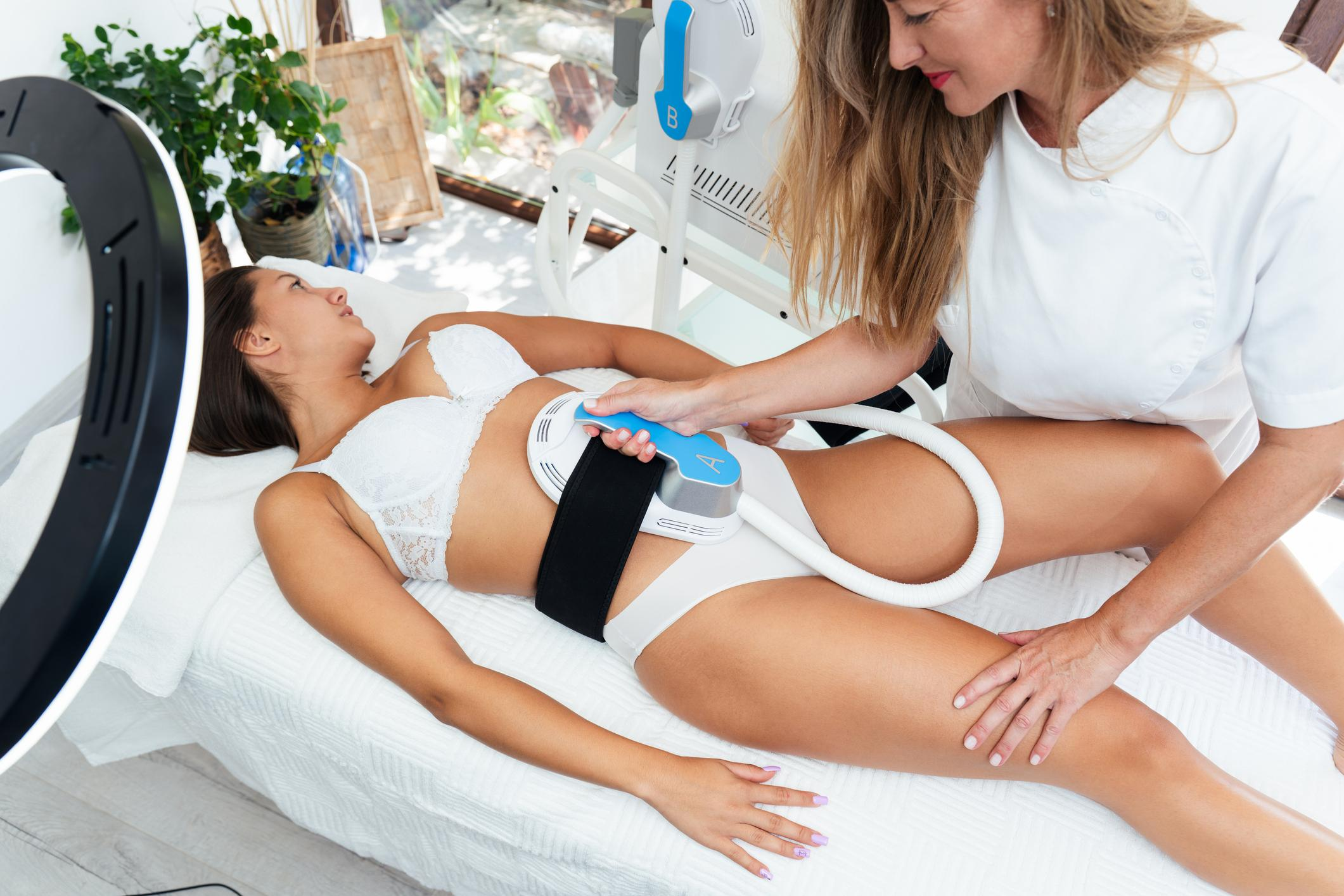
Technologies such as radio frequency (RF), ultrasound cavitation, vacuum massage, mechanical rollers, and other body-contouring systems are designed primarily to improve body appearance and tissue condition rather than replace medically supervised weight-loss programs. When used correctly by trained professionals, these technologies can become valuable components of a comprehensive body-management service.
So, what is the best weight loss method? The answer depends on the individual's goals, health status, body composition, lifestyle, and expected results. For aesthetic businesses, the key is understanding where professional body-contouring technology fits into that broader picture.
Background: Why Is Weight Loss So Difficult?
Weight management is influenced by many factors, including food intake, physical activity, sleep, stress, metabolism, genetics, age, and overall lifestyle. Simply exercising more or eating less does not always produce the same result for every individual.
Another important distinction is the difference between weight loss and body contouring.
Weight loss generally refers to reducing overall body mass. Body contouring, on the other hand, focuses more specifically on the appearance and distribution of body tissue. A client may have already achieved a relatively stable weight but still be concerned about areas such as the abdomen, waist, thighs, hips, or upper arms.
This explains why aesthetic treatments have become increasingly relevant in the professional beauty industry.
A client may say:
- “I want my waist to look more defined.”
- “I have stubborn areas that do not respond easily to exercise.”
- “My weight is stable, but I still want better body contours.”
- “I want my skin to look firmer after losing weight.”
- “I want a professional treatment rather than a home beauty device.”
These are not necessarily requests for traditional weight-loss treatment. They are often requests for body shaping, skin tightening, and appearance enhancement.
For professional beauty businesses, recognizing this difference helps operators recommend services more responsibly and create treatment plans that match realistic client expectations.
What Is the Best Weight Loss Method?
There is no universal “best” method for everyone.
For general weight management, a sustainable approach typically involves appropriate nutrition, regular physical activity, sufficient sleep, and long-term behavioral changes. For people with obesity or weight-related health concerns, professional medical guidance may also be appropriate.
However, when the goal shifts from overall weight reduction to body contouring, professional aesthetic technologies can offer a different type of value.
Rather than promising dramatic weight loss, modern body-contouring equipment is commonly positioned around specific aesthetic objectives:
- Supporting the appearance of localized fat reduction
- Improving the appearance of body contours
- Promoting a firmer-looking skin appearance
- Supporting circulation and tissue massage
- Improving the appearance of cellulite
- Providing a structured professional treatment experience
This distinction is important for both clients and beauty professionals.
A professional body-contouring machine should not be marketed as a replacement for healthy nutrition, exercise, or medically supervised weight management. Instead, it can complement a broader wellness and aesthetic program.
Technology and Mechanism: How Professional Body-Contouring Technologies Work
Modern professional body-contouring platforms use different forms of energy or mechanical stimulation. Understanding their mechanisms allows practitioners to select appropriate technologies according to client needs.
1. Radio Frequency for Skin Firming
Radio frequency technology delivers electromagnetic energy into targeted tissue, producing controlled thermal effects.
In aesthetic treatments, RF is widely used for skin-tightening and body-contouring applications. Controlled heating can support changes in the appearance and condition of the skin and may help create a smoother, firmer-looking treatment area.
For example, a client who has lost weight may be less concerned about losing additional kilograms and more concerned about loose-looking skin around the abdomen or thighs.
In this situation, RF can be positioned as a skin-firming and contour-enhancing treatment, rather than a weight-loss procedure.
For professional clinics, adjustable energy levels and treatment parameters are particularly important because different body areas may require different treatment approaches.
2. Ultrasound Cavitation for Body Contouring
Ultrasound cavitation systems use acoustic energy to target subcutaneous tissue.
In professional aesthetic settings, ultrasound-based body-contouring treatments are commonly used on areas where clients are concerned about localized fat deposits.
The value of this technology is primarily aesthetic. It can be incorporated into treatment programs designed to improve the appearance of specific areas such as the abdomen, waist, hips, thighs, or arms.
Professional equipment can provide controlled operating parameters and dedicated applicators, allowing trained operators to tailor the treatment according to the body area and treatment objective.
This is one reason professional systems can offer a more structured experience than generic home-use devices.
3. Vacuum and Mechanical Roller Technology
Vacuum systems use controlled negative pressure to lift and massage the skin and underlying tissue. When combined with mechanical rollers, the treatment can provide a more intensive massage effect.
These systems are often used in body-contouring and cellulite-focused services.
From a salon perspective, vacuum and roller treatments can also contribute to the overall client experience. The treatment feels active and highly targeted, making it suitable for clients who want a professional body-care session rather than a passive treatment.
Some multifunctional platforms combine vacuum, RF, rollers, or other technologies into one system. This allows clinics to create treatment protocols that address several aesthetic concerns within a single service concept.
4. Combination Technology
One of the major developments in professional beauty equipment is the move toward multifunctional platforms.
Instead of investing in several independent devices, a clinic may choose a system that combines multiple technologies for different treatment objectives.
For example, one platform may provide:
- RF for skin-firming applications
- Vacuum for massage and contouring support
- Mechanical rollers for tissue stimulation
- Ultrasound for localized body-contouring applications
The advantage is not simply having more functions. The real value comes from being able to design a more complete client journey.
A professional operator can assess the client's goals, select appropriate technologies, adjust treatment parameters, and create a structured series of sessions.
Advantages and Comparison: Lifestyle, Medical Support, and Aesthetic Technology
It is useful to understand the different roles of weight-management methods.
Lifestyle-Based Weight Management
Healthy nutrition and regular physical activity remain fundamental components of long-term weight management.
Advantages:
- Supports overall health
- Can be maintained long term
- Addresses lifestyle-related factors
- Does not depend on aesthetic equipment
Limitations:
- Results can take time
- Localized fat distribution may remain
- Skin firmness may not automatically improve
- Some clients need additional professional support
Medical Weight-Management Programs
For people with obesity or relevant medical conditions, healthcare professionals may recommend structured medical interventions. Depending on the individual, this may involve nutritional counseling, prescription medication, or other medically appropriate approaches.
Advantages:
- Professional medical assessment
- Appropriate for certain health-related weight concerns
- Can address systemic aspects of weight management
Limitations:
- Requires medical supervision where applicable
- May not specifically address aesthetic contour concerns
- Treatment suitability varies between individuals
Professional Body-Contouring Treatments
Aesthetic technologies occupy a different position.
Advantages:
- Focus on specific body areas
- Can complement lifestyle programs
- Useful for body-shaping and skin-firming goals
- Provides a professional, structured treatment experience
- Can expand the service portfolio of salons and aesthetic clinics
Limitations:
- Not a substitute for overall weight management
- Results vary between individuals
- Proper client assessment is important
- Treatment parameters and contraindications must be respected
The best approach is therefore not necessarily choosing one method over another. In many cases, the strongest professional strategy is to understand the role of each method and use it appropriately.
Applications: What Clients Are Really Looking For
A professional beauty business should begin with the client's objective rather than simply selecting a machine.
Clients With Stable Weight but Localized Concerns
Some clients are generally satisfied with their weight but want to improve the appearance of specific areas.
Common target areas include:
- Abdomen
- Waist
- Hips
- Thighs
- Upper arms
- Back
For these clients, body-contouring treatments may be more relevant than traditional weight-loss messaging.
Clients After Weight Loss
After significant weight reduction, some clients become concerned about skin laxity or uneven-looking contours.
In this situation, the focus can shift from “losing more weight” to improving the appearance of firmness and definition.
RF-based treatments may be incorporated into an aesthetic program when appropriate, while other technologies can be selected according to the client's specific concerns.
Clients Concerned About Cellulite
Cellulite is another common reason clients seek professional body treatments.
Vacuum massage, mechanical rollers, RF, and combination platforms may be used as part of professional cellulite-focused protocols.
The objective should be presented realistically: improving the appearance and texture of the treated area rather than promising permanent elimination.
Clients Seeking a Professional Experience
Many clients prefer professional treatments because they want more than a device.
They expect:
- Consultation
- Body-area assessment
- Professional operation
- Appropriate treatment settings
- Consistent treatment protocols
- Aftercare guidance
- A comfortable clinic environment
This is where professional equipment can create a meaningful business advantage.
The machine itself is only one part of the service. The combination of technology, operator expertise, treatment protocol, and customer experience is what creates the real value.
Why Professional Equipment Matters
Home-use beauty devices and professional aesthetic systems serve different purposes.
Professional equipment is generally designed with higher operational demands in mind. Depending on the technology, professional systems may offer multiple applicators, adjustable parameters, larger treatment areas, more comprehensive control systems, and configurations designed for repeated daily use in salons or clinics.
For a business owner, this can translate into more treatment possibilities.
A multifunctional platform may support several services instead of being limited to one application. This can make it easier to develop treatment packages, membership programs, and personalized body-contouring plans.
For example, a clinic could structure a body-care program around:
Assessment → Body Contouring → Skin Firming → Massage Support → Follow-Up
Such a workflow creates a more professional service model than simply selling individual machine sessions.
Building a Better Body-Contouring Service
For beauty salons and aesthetic clinics, the question should not only be “Which machine is best?”
A better question is:
“Which technology best matches my clients, treatment goals, and business model?”
When evaluating professional equipment, operators should consider:
Treatment Versatility
Does the platform support more than one treatment objective?
Applicator Design
Are the handpieces suitable for different body areas and treatment techniques?
Parameter Control
Can operators adjust treatment settings according to different clients and body zones?
Operator Experience
Is the interface practical for daily professional use?
Treatment Efficiency
Can the equipment support efficient treatment workflows in a busy salon or clinic?
Training and Support
Does the supplier provide adequate technical documentation, training, and after-sales support?
These factors can be more important to a professional business than simply choosing the machine with the longest list of functions.
Conclusion
So, what is the best weight loss method?
For overall weight management, there is no single solution that works for everyone. Sustainable nutrition, physical activity, healthy lifestyle habits, and appropriate professional or medical support form the foundation of responsible weight management.
For clients whose main concern is body shape rather than overall body weight, professional aesthetic treatments can provide another layer of support.
RF, ultrasound cavitation, vacuum massage, mechanical rollers, and multifunctional body-contouring platforms can help professional salons and aesthetic clinics build targeted services around body shaping, skin firmness, localized contour concerns, and cellulite appearance.
The key is to understand the difference between weight loss and body contouring.
Professional aesthetic equipment should not be positioned as a magic solution for losing weight. Its real value lies in helping trained professionals deliver targeted, structured, and personalized aesthetic treatments.
For modern beauty businesses, that distinction creates a more credible approach to body management—and a stronger foundation for building long-term client trust, treatment programs, and professional service offerings
Founded in 2008, Guangzhou GLM Beauty Spa Equipment Factory specializes in research, development, manufacture and selling of beauty and slimming machines. Our production base is located in Guangzhou City, Guangdong Province, China. Since our foundation, we have introduced advanced technologies and equipment, to assure high quality and high performance of our products. With professional marketing guide and excellent after-sales service, our products have been exported to over 20 countries and regions, including Southeast Asia, the Middle East, Europe and the United States, won worldwide praises and gained a good reputation