
What Should I Consider Before Purchasing an LED Phototherapy Beauty Device?
In recent years, the skincare industry has undergone a transformative shift with the rise of at-home LED phototherapy beauty devices. These tools, once confined to professional dermatology clinics, are now accessible to consumers seeking to address common skin concerns such as aging, acne, and uneven pigmentation. However, with the market saturated with options, choosing the right device requires careful consideration. Below is a comprehensive, expert-curated guide to help you navigate the decision-making process and ensure a purchase that aligns with your skincare goals.
Understanding LED Phototherapy Technology
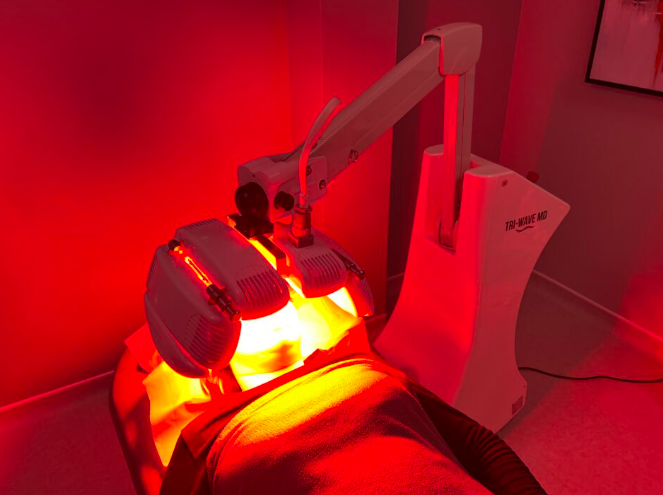
Before investing in an LED device, it’s essential to grasp the underlying science. LED phototherapy utilizes specific wavelengths of light to stimulate cellular responses in the skin. Unlike UV light, which can cause damage, LED light is non-invasive and generally safe for home use.
How Does LED Phototherapy Work?
LED devices emit light at precise wavelengths that penetrate the skin’s layers. Depending on the wavelength, the light interacts with different cellular components:
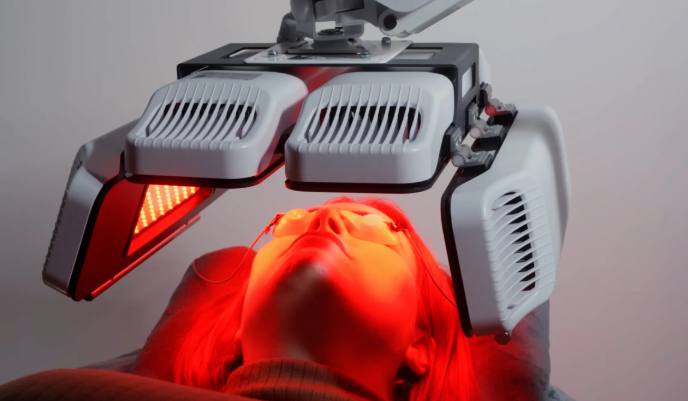
- Red Light (620–750 nm): Penetrates deeply into the dermis, stimulating fibroblasts to produce collagen and elastin. This reduces wrinkles, improves skin texture, and enhances overall firmness.
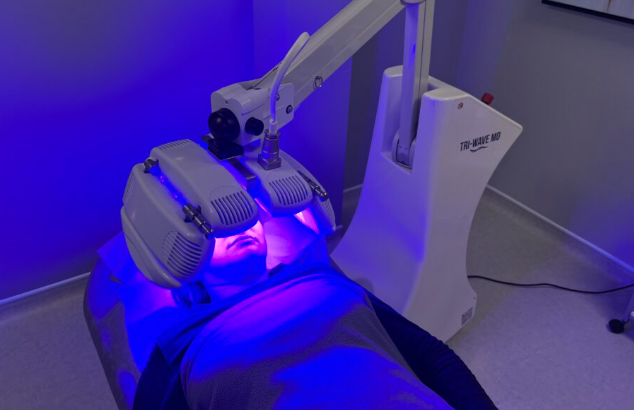
- Blue Light (445–475 nm): Targets the sebaceous glands and kills Propionibacterium acnes (P. acnes), the bacteria responsible for acne. It also reduces inflammation, making it effective for treating mild to moderate acne.
- Yellow Light (570–590 nm): Calms the skin by reducing redness and irritation, making it beneficial for sensitive skin conditions like rosacea.
- Green Light (500–570 nm): Addresses hyperpigmentation by inhibiting melanin production, helping to even out skin tone.
Understanding these mechanisms allows you to select a device tailored to your specific concerns.
Key Factors to Consider Before Purchasing
1. FDA Approval and Safety Certifications
Safety should be your top priority. Ensure the device is FDA-cleared or approved, as this indicates it has undergone rigorous testing for safety and efficacy. Look for certifications such as CE (European Conformity) or ISO (International Organization for Standardization) compliance. Avoid unbranded or counterfeit devices, as they may lack proper safety protocols and could cause skin damage.
2. Intended Use and Skin Concerns
Identify your primary skincare goals:
- Anti-Aging: Opt for a device with red and near-infrared light (800–850 nm) to boost collagen production.
- Acne: Choose a device with blue light, possibly combined with red light for additional anti-inflammatory benefits.
- Hyperpigmentation: Look for green or yellow light options.
- Combination Therapy: Some devices offer multiple wavelengths, allowing you to address multiple concerns simultaneously.
3. Device Specifications
Delve into the technical details to ensure the device meets clinical standards:
- Wavelength Accuracy: The device should specify exact wavelengths, as slight variations can affect efficacy. For example, red light at 630 nm is more effective for collagen stimulation than 660 nm for some skin types.
- Intensity (Irradiance): Measured in mW/cm², higher irradiance generally means faster results. However, excessive intensity can cause irritation. Aim for devices with adjustable settings.
- Treatment Modes: Some devices allow you to switch between wavelengths or combine them for customized treatments.
- Coverage Area: Larger treatment heads cover more skin area, reducing session time. However, they may be bulkier and less portable.
- Treatment Time: Most sessions last 10–20 minutes. Consider your schedule and whether you’ll adhere to the recommended frequency (typically 3–5 times per week).
4. Quality, Durability, and Brand Reputation
Invest in a device from a reputable brand with a track record of quality and customer satisfaction:
- Materials: Look for medical-grade silicone, durable plastics, and high-quality LEDs that won’t degrade quickly.
- Warranty: A minimum 1-year warranty is ideal. Some brands offer extended warranties or money-back guarantees.
- Customer Reviews: Check platforms like Amazon, Sephora, or the brand’s website for unbiased feedback. Pay attention to comments about longevity, ease of use, and customer service.
5. Ease of Use and Comfort
A device that’s difficult to use or uncomfortable will likely gather dust. Consider:
- Design: Ergonomic handles, lightweight construction, and adjustable angles enhance usability.
- Portability: Cordless devices with rechargeable batteries are convenient for travel.
- Noise Level: Some devices emit a low hum; if noise bothers you, opt for a quieter model.
- Additional Features: Built-in timers, auto-shutoff, and wireless charging can improve the user experience.
6. Price and Value for Money
LED devices range from 500+. While higher-priced devices may offer advanced features, they’re not always necessary. Consider:
- Core Features: Prioritize wavelength accuracy, intensity, and safety over bells and whistles.
- Longevity: A durable device with a good warranty may offer better long-term value.
- Accessories: Some devices include goggles, charging stands, or skincare products. Evaluate whether these add value.
7. After-Sales Support and Warranty
Reliable customer service is crucial if you encounter issues:
- Warranty Terms: Clarify what’s covered (e.g., LED failure, battery issues) and the process for repairs or replacements.
- Return Policy: Ensure you can return the device if it doesn’t meet your expectations.
- Customer Support Channels: Look for brands with responsive email, phone, or live chat support.
Potential Risks and Precautions
While LED phototherapy is generally safe, it’s not without risks:
- Side Effects: Mild redness, dryness, or temporary irritation may occur. These usually resolve within a few hours.
- Contraindications: Avoid LED devices if you have:
- Epilepsy (some wavelengths may trigger seizures).
- Photosensitive skin conditions (e.g., lupus, porphyria).
- Are taking medications that increase photosensitivity (e.g., certain antibiotics, retinoids).
- Are pregnant or breastfeeding (consult a healthcare provider first).
- Patch Test: If you have sensitive skin, perform a patch test on a small area before full-face use.
Tips for Informed Purchasing
To make a confident decision:
- Read Product Reviews and Testimonials:
- Look for detailed reviews from users with similar skin concerns.
- Beware of overly positive or negative reviews; focus on balanced feedback.
- Check Expert Recommendations and Clinical Studies:
- Dermatologist-endorsed devices are more likely to be effective.
- Look for brands that cite peer-reviewed studies supporting their claims.
- Try Devices In-Store, If Possible:
- Some retailers offer demo sessions. Test the device for comfort, weight, and ease of use.
- Compare Models:
- Create a spreadsheet comparing key features (wavelengths, intensity, price, warranty) of shortlisted devices.
Conclusion
Purchasing an LED phototherapy beauty device can be a rewarding investment in your skincare routine—if done thoughtfully. To ensure success:
- Prioritize Safety: Verify FDA approval and safety certifications.
- Align with Your Goals: Choose a device that targets your specific skin concerns.
- Evaluate Technical Specs: Focus on wavelength accuracy, intensity, and treatment modes.
- Invest in Quality: Opt for durable, reputable brands with good warranties.
- Consider Usability: Ensure the device is comfortable and easy to use.
- Balance Cost and Features: Avoid overpaying for unnecessary bells and whistles.
- Review After-Sales Support: Ensure the brand offers reliable customer service.
- GLM is a specialized beauty instrument factory that produces instruments for a variety of functions, including weight loss devices. We have vacuum negative press, radio frequency fat blasting equipment, frozen fat dissolving machine and EMS body shaping machine. GLM is a 14 year old supplier of beauty instruments with guaranteed quality.https://gdglmbeauty.com/