Introduction
Plasma skin lift treatments have become one of the most sought-after non-surgical aesthetic procedures in beauty clinics and medical spas worldwide. As clients increasingly look for effective alternatives to surgery with shorter recovery times, plasma technology offers an attractive solution for improving skin laxity, reducing wrinkles, and rejuvenating aging skin without scalpels or sutures
Unlike injectable treatments that primarily restore lost volume or surgical procedures that physically remove excess skin, plasma skin lifting stimulates the body's own regenerative response. The treatment creates controlled micro-injuries on the skin surface, encouraging collagen remodeling and tissue contraction over time. When performed by trained professionals using high-quality plasma beauty devices, the treatment can deliver visible improvements while maintaining a minimally invasive approach.
For beauty clinics, dermatology practices, and aesthetic centers, plasma technology has become an increasingly valuable addition to comprehensive skin rejuvenation services. Professional plasma systems not only improve treatment precision and efficiency but also expand the range of non-surgical solutions available to clients seeking natural-looking results.
This guide explains exactly what clients should expect before, during, and after a plasma skin lift treatment while exploring how modern plasma technology works and why professional equipment plays a critical role in treatment outcomes.
Understanding the Need for Plasma Skin Lifting
Skin aging is a gradual biological process influenced by genetics, ultraviolet exposure, environmental stress, hormonal changes, and lifestyle habits. Beginning in the late twenties, collagen production naturally slows, while elastin fibers gradually lose their elasticity.
As these structural proteins diminish, common concerns begin to appear:
- Loose eyelid skin
- Fine lines around the eyes
- Crow's feet
- Forehead wrinkles
- Neck laxity
- Smile lines
- Mild skin sagging
- Uneven skin texture
Although topical skincare products may temporarily improve hydration and skin texture, they cannot significantly tighten loose skin because they rarely penetrate deep enough to stimulate substantial collagen remodeling.
Traditional cosmetic surgery remains highly effective for severe skin laxity, but many individuals hesitate because of longer recovery periods, higher costs, anesthesia concerns, and surgical risks.
Consequently, the aesthetic industry has experienced growing demand for minimally invasive technologies capable of delivering noticeable skin tightening with relatively limited downtime. Plasma skin lifting has emerged as one of the leading options for patients seeking this balance.
How Plasma Skin Lift Technology Works
Plasma skin lifting is based on a fascinating physical principle rather than laser energy or radio frequency alone.
The device generates a high-voltage electrical charge that ionizes the surrounding air between the device tip and the skin. This ionized gas becomes plasma, often referred to as the fourth state of matter.
Instead of making direct contact with the skin, a tiny plasma arc transfers controlled thermal energy to the epidermis.
This process creates microscopic treatment points that immediately contract superficial skin tissues while initiating the body's natural wound-healing response.
As healing progresses, fibroblasts become activated and begin producing:
- New collagen fibers
- Elastin
- Hyaluronic acid
- Extracellular matrix proteins
Over the following weeks and months, collagen remodeling gradually tightens the treated skin, improving firmness and reducing visible signs of aging.
Professional plasma systems allow practitioners to precisely adjust multiple treatment parameters, including:
- Energy output
- Pulse duration
- Spot spacing
- Treatment density
- Working frequency
This flexibility enables customized treatments for different skin thicknesses, treatment areas, and client expectations.
Why Professional Plasma Devices Matter
At first glance, many consumer plasma pens appear similar to professional clinic equipment. However, their performance differs substantially.
Professional plasma beauty devices typically provide:
- Stable plasma arc generation
- Consistent energy delivery
- Multiple operating modes
- Adjustable treatment parameters
- Higher precision
- Better safety controls
- Ergonomic handpieces for prolonged treatments
These capabilities help experienced practitioners tailor treatments according to individual skin conditions rather than relying on fixed settings commonly found in home-use devices.
For clinics, investing in advanced plasma equipment not only improves treatment consistency but also expands service versatility across different facial and body indications.
What Happens Before Treatment?
Before any plasma skin lift session, a professional consultation is essential.
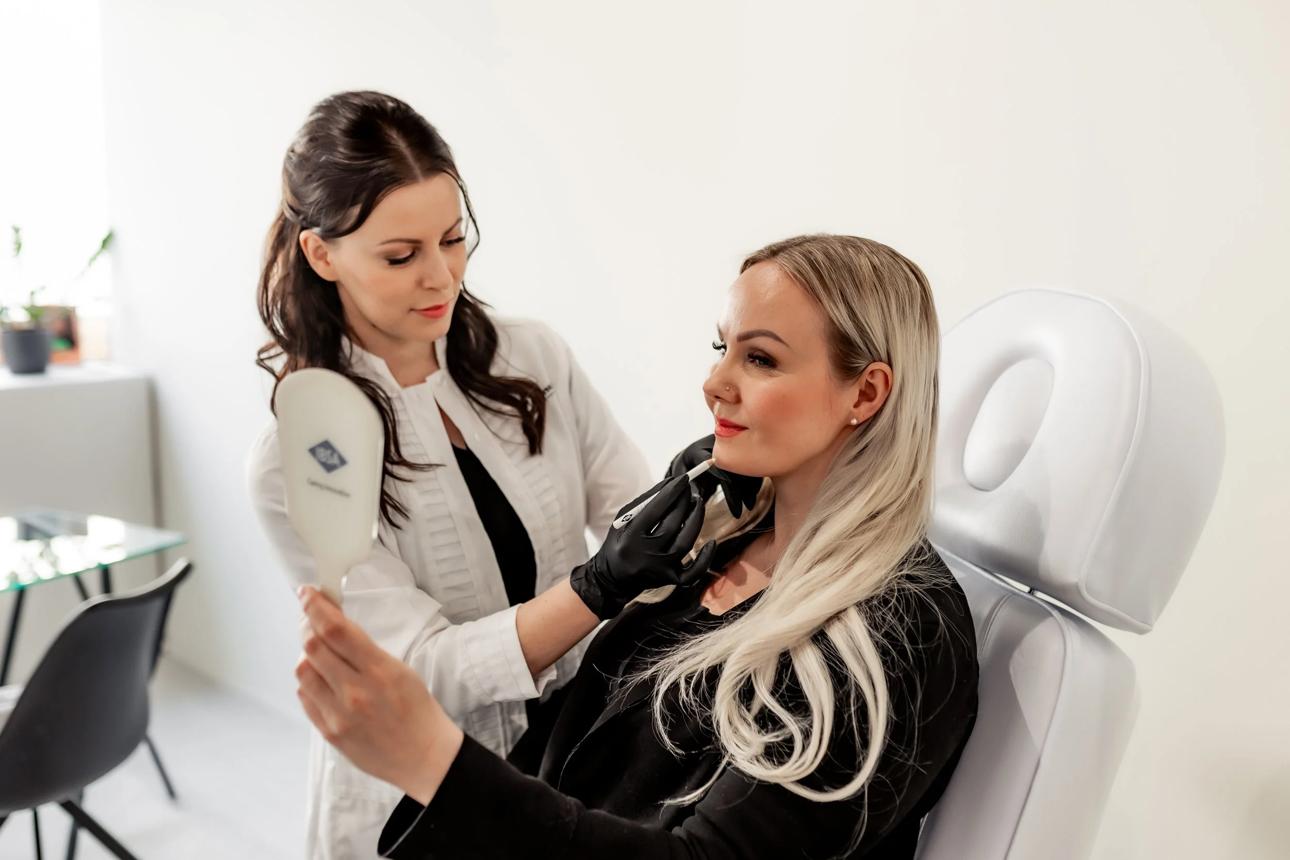
During the consultation, practitioners typically evaluate:
- Medical history
- Skin type
- Healing tendency
- Existing skin conditions
- Current medications
- Treatment expectations
Clients may be advised to temporarily avoid:
- Excessive sun exposure
- Chemical peels
- Retinoids
- Tanning
- Aggressive exfoliation
Preparing the skin properly helps reduce unnecessary irritation and promotes a smoother recovery process.
The treatment area is then thoroughly cleansed, and a topical anesthetic cream is usually applied approximately 30–45 minutes before the procedure to maximize comfort.
Many clients report feeling only mild warmth or tiny snapping sensations during treatment rather than significant pain
What Happens During the Procedure
The actual treatment process varies depending on the treatment area and the client's skin condition, but most plasma skin lift sessions follow a structured workflow designed to maximize safety and consistency.
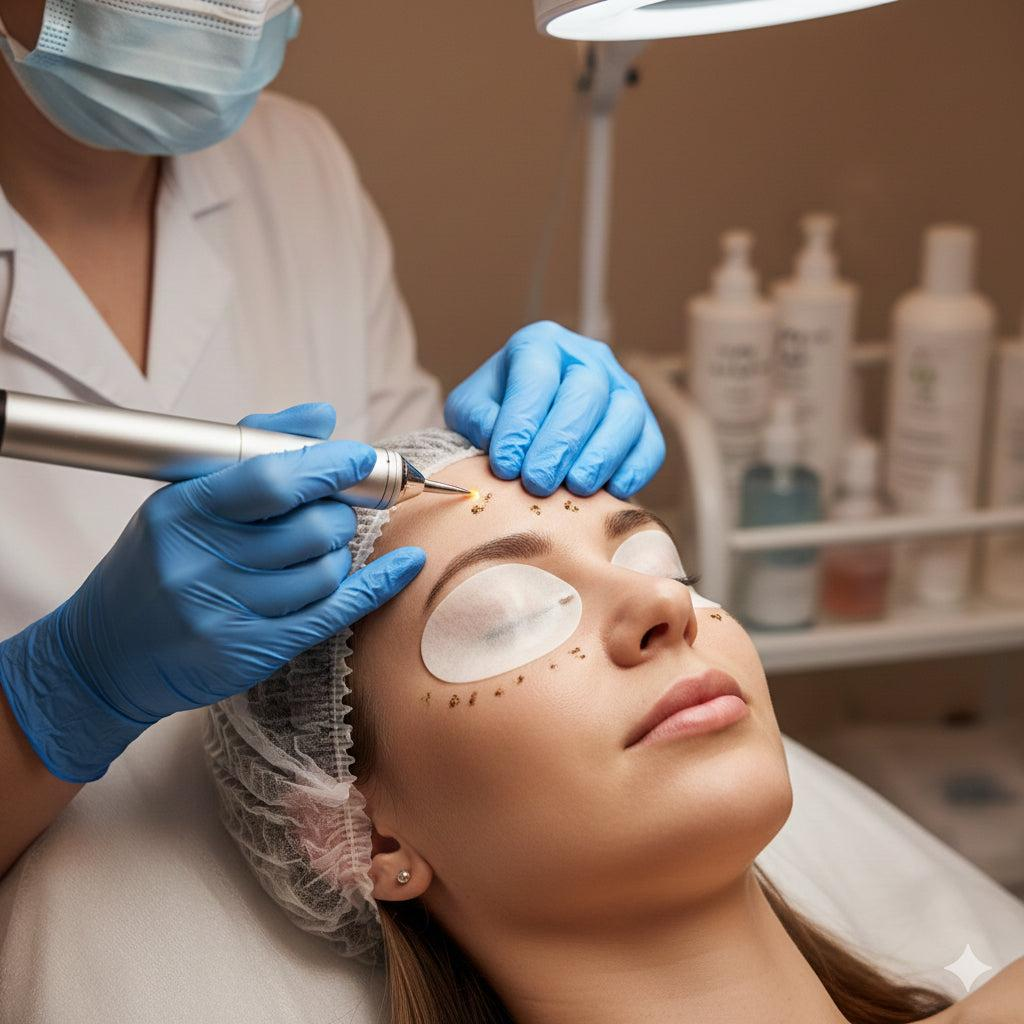
After the skin has been cleansed and numbed, the practitioner positions the plasma handpiece slightly above the skin surface without direct contact. As the device emits controlled plasma arcs, tiny treatment points are created in a carefully planned pattern.
Each plasma point causes immediate micro-contraction of the superficial skin while preserving the surrounding tissue. The practitioner gradually covers the entire treatment area using consistent spacing to achieve uniform lifting effects.
Common treatment areas include:
- Upper eyelids
- Lower eyelids
- Crow's feet
- Forehead
- Nasolabial folds
- Marionette lines
- Neck
- Jawline
- Around the mouth
Treatment duration depends on the size of the area. Small regions such as the upper eyelids may require only 20–30 minutes, while larger facial or neck treatments may take 45–90 minutes.
Throughout the procedure, professional plasma systems maintain stable energy output, allowing experienced operators to deliver predictable treatment depth and minimize unnecessary thermal damage.
What to Expect Immediately After Treatment
One of the most common questions clients ask is whether the skin will look alarming immediately after treatment.
The answer is no—but visible healing signs are completely normal.
Directly after the procedure, clients can typically expect:
- Mild redness
- Slight swelling
- Warmth in the treated area
- Tiny carbon crusts (micro dots)
- Mild tightness
These small brown dots are not burns. They are controlled treatment points created by plasma sublimation and play an important role in the healing process.
Swelling is often most noticeable around delicate areas such as the eyelids during the first 24 to 72 hours before gradually subsiding.
Professional practitioners usually provide detailed aftercare instructions to support optimal healing and reduce the risk of complications.
Recovery Timeline: Week by Week
Days 1–3
During the first few days, swelling reaches its peak before beginning to decrease.
Clients should avoid:
- Picking the crusts
- Heavy exercise
- Swimming
- Steam rooms
- Direct sunlight
- Makeup on treated areas
Keeping the skin clean and following the recommended skincare routine are essential during this phase.
Days 4–7
The carbon crusts gradually begin to dry and naturally fall away.
It is extremely important not to remove them prematurely, as doing so may interfere with healing or increase the risk of pigmentation changes.
Most clients notice that redness begins to fade while the skin starts appearing smoother.
Weeks 2–4
The visible healing process is largely complete.
Residual redness continues to improve, and clients often begin noticing:
- Firmer skin
- Improved texture
- Softer fine lines
- Better skin tone
- Mild lifting effects
Although early improvements are encouraging, collagen production is still actively progressing beneath the skin.
Months 2–3
This is when many clients observe the most satisfying results.
As collagen remodeling continues, the skin becomes progressively tighter and more elastic.
The improvement appears gradual and natural rather than sudden or overcorrected, making plasma skin lifting especially appealing for individuals seeking subtle facial rejuvenation.
Advantages Compared with Other Skin Tightening Treatments
Every skin tightening technology has its own strengths, and the best choice depends on the client's concerns, treatment goals, and skin condition.
Plasma skin lifting offers several notable advantages:
Non-Surgical Skin Tightening
Unlike surgical blepharoplasty or facelifts, plasma treatments do not involve incisions, sutures, or general anesthesia.
For clients with mild to moderate skin laxity, this can provide an attractive balance between effectiveness and downtime.
Precision for Delicate Areas
Professional plasma devices excel in treating small, difficult-to-reach regions, particularly:
- Upper eyelids
- Lower eyelids
- Around the lips
- Crow's feet
These areas often require exceptional precision, making professional equipment particularly valuable.
Natural Collagen Stimulation
Rather than artificially filling wrinkles, plasma technology encourages the body's own regenerative processes.
This gradual improvement often results in a refreshed appearance while preserving natural facial expressions.
Flexible Treatment Options
Many modern multifunctional aesthetic platforms integrate plasma technology alongside complementary modalities such as radio frequency, LED therapy, or electroporation.
For clinics, this creates opportunities to design customized treatment plans that address multiple skin concerns within a comprehensive aesthetic program.
Applications in Professional Beauty Clinics
Professional plasma systems are suitable for a wide range of aesthetic services, including:
- Eyelid tightening
- Fine line reduction
- Wrinkle softening
- Skin resurfacing
- Neck rejuvenation
- Scar appearance improvement
- Stretch mark management
- Localized skin tightening
Because treatment outcomes depend heavily on energy control and operator expertise, clinics generally achieve more consistent results than home-use devices.
Advanced professional equipment offers adjustable parameters that allow practitioners to tailor treatments for different skin types, treatment depths, and anatomical areas. This level of customization not only enhances safety but also improves client satisfaction and treatment consistency.
For beauty equipment manufacturers, developing reliable plasma systems means providing clinics with technology that supports both treatment performance and long-term business growth. Equipment featuring stable plasma output, intuitive interfaces, and multiple operating modes can help practitioners expand their service offerings while meeting the increasing demand for non-surgical skin rejuvenation.
Conclusion
Plasma skin lift treatment has established itself as an effective non-surgical option for clients seeking firmer, smoother, and younger-looking skin without the recovery associated with traditional surgery.
Understanding what to expect before, during, and after treatment helps clients approach the procedure with realistic expectations and confidence. Proper consultation, careful preparation, professional operation, and diligent aftercare all contribute to successful outcomes.
For aesthetic clinics and beauty professionals, investing in advanced plasma technology is about more than adding another treatment to the menu. It enables practitioners to deliver precise, personalized skin rejuvenation while addressing the growing market demand for minimally invasive aesthetic solutions.
As plasma technology continues to evolve, professional-grade beauty devices will remain an essential tool for clinics aiming to provide safe, effective, and natural-looking skin tightening treatments that inspire long-term client trust and satisfaction
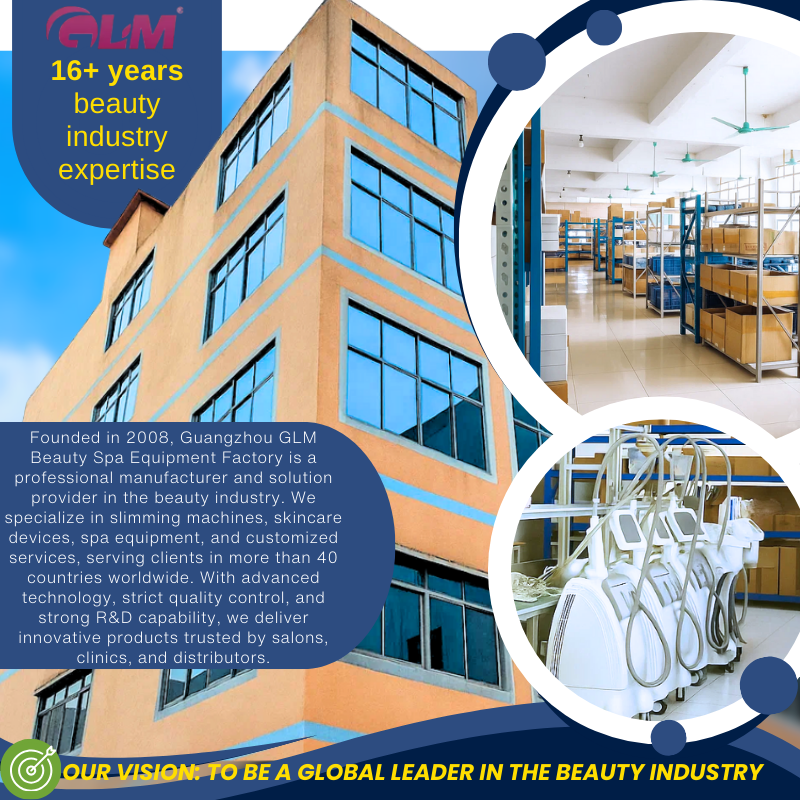
Founded in 2008, Guangzhou GLM Beauty Spa Equipment Factory specializes in research, development, manufacture and selling of beauty and slimming machines. Our production base is located in Guangzhou City, Guangdong Province, China. Since our foundation, we have introduced advanced technologies and equipment, to assure high quality and high performance of our products. With professional marketing guide and excellent after-sales service, our products have been exported to over 20 countries and regions, including Southeast Asia, the Middle East, Europe and the United States, won worldwide praises and gained a good reputation