
Laser Tattoo Removal: A Comprehensive Analysis of Technology, Cost and Effect
Introduction
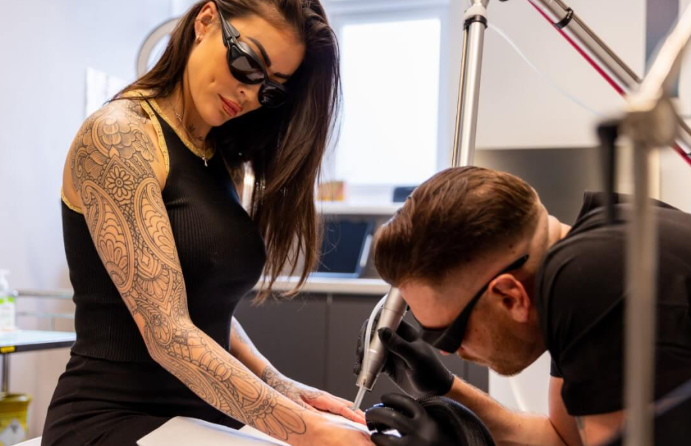
For those who are eager to remove the permanent marks left by past tattoos, laser tattoo removers have become the gold standard in the industry, offering an advanced and effective solution. These devices ingeniously utilize light energy to break down tattoo paint, allowing the body to naturally remove these marks. This article will delve deeply into the technical principles behind laser tattoo removal machines, analyze different types of machines, elaborate on key features worth considering, introduce leading brands in the industry, and analyze related costs, aiming to provide comprehensive and professional references for those in need.
How does laser Work its Magic: The Scientific Principle behind Ink Decomposition
The core principle of the laser tattoo removal machine is based on selective photothermal decomposition. This process involves transmitting highly concentrated light energy into the skin in the form of ultrashort pulses. This specific wavelength of light is selectively absorbed by the tattoo ink particles, while the surrounding skin tissue is basically unaffected.
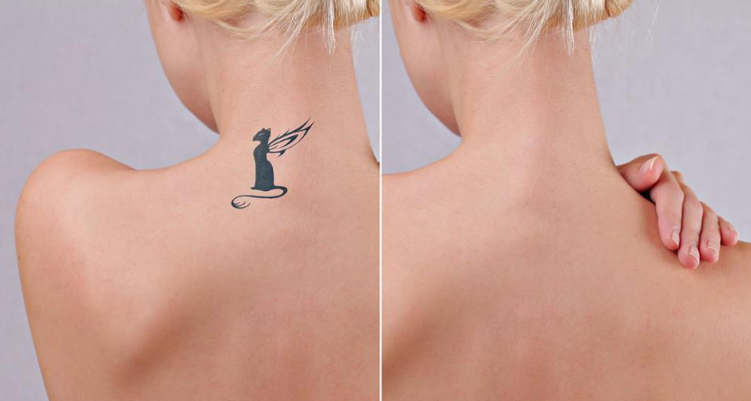
When ink particles absorb powerful light energy, they will rapidly heat up and break into tiny fragments. These newly generated smaller particles will then be recognized by the human immune system as foreign invaders. Macrophages, as white blood cells responsible for phagocytosing and digesting cell debris, gradually clear the ink from these debris. As this removal process continues, the tattoo will gradually fade over a series of treatments and eventually achieve the effect of removal.
Types of laser tattoo removal machines
In the field of laser tattoo removal technology, there are mainly two types of lasers, which differ according to the duration of the light pulse:
Q-switched (nanosecond) laser
For many years, Q-switched lasers have been the main force in the tattoo removal industry. They transmit energy in pulses measured in nanoseconds (one billionth of a second). Different types of Q-switched lasers can be used for a range of ink colors:
Nd: YAG (Neodymium-doped yttrium aluminum garnet) laser: This is the most common and widely used Q-switched laser, offering two main wavelengths. The infrared wavelength of 1064nm is highly effective for processing dark pigments, especially black and dark blue inks. The green light wavelength of 532nm is very suitable for warm colors such as red, orange and purple.
Ruby Laser (694nm) : This laser is particularly effective in removing stubborn green and blue ink.
Purple jade laser (755nm) : Similar to ruby laser, purple jade laser is also good at targeting green and blue pigments.
Picosecond laser
Picosecond lasers are a new generation of tattoo removal technology that output energy in picosecond (one trillionth of a second) pulses. These extremely short pulse durations can produce more significant photoacoustic effects, crushing ink particles into smaller fragments than those of nanosecond lasers.
Picosecond lasers have many advantages in removing tattoos. Because the ink particles are crushed into smaller pieces, the human body can remove them more easily and quickly. Compared with Q-switched laser, many patients can achieve effective therapeutic effects within fewer treatment sessions. In addition, picosecond lasers usually achieve greater success in removing hard-to-remove ink colors, including stubborn blue and green. Popular picosecond laser brands include PicoSure and PicoWay, both of which are renowned for their outstanding tattoo removal effects.
Cost analysis of Laser Tattoo Removal
For anyone considering laser tattoo removal, the cost of getting rid of unwanted ink is an important consideration. The price of each treatment is not fixed and can vary significantly depending on the type of laser technology used, the specific condition of the tattoo, and the location of the clinic.
Cost details classified by laser type
Q-switched lasers: They have long been the mainstay in the tattoo removal industry and usually offer a more cost-effective option for each treatment. These lasers emit strong pulses within the nanosecond range to crush ink particles. In the United States, the average cost of each session is between 150 and 400 US dollars.
Picosecond laser: It is a newer and more advanced technology, and the price of each treatment is higher. By emitting ultra-short energy pulses within the picosecond range, these lasers can break down ink into smaller particles, usually removing ink more quickly and effectively, especially for stubborn colors. In the United States, the average cost of each session is above $250 - $600. It is worth noting that although the single treatment cost of picosecond laser is relatively high, the total number of treatments required for complete removal may be less than that of Q-switched laser. In some cases, this may result in comparable total costs.
Other laser and removal methods
Although Q-switched lasers and picosecond lasers are the gold standards for tattoo removal, there are also some less common and usually less effective lasers on the market. These lasers may include some older and less advanced ones, which may not have been specifically designed for tattoo removal and may carry a higher risk of side effects. The prices of these lasers vary greatly, but considering the possible unsatisfactory effects, they may not be cost-effective.
In addition, non-laser methods such as dermabrasion and surgical excision can also be adopted. Surgical removal, that is, the removal of the tattoo skin, has a relatively high initial cost, usually ranging from several hundred to several thousand US dollars, depending on the size of the tattoo and the complexity of the surgery.
The key factors influencing the cost of each treatment
Regardless of the type of laser, several key factors will significantly affect the quotation for each tattoo removal:
Tattoo size: This is one of the most important cost determinants. Clinics usually charge by size (such as extra small, small, medium, large, and extra-large) or by square inch. A small tattoo the size of a business card may be cheaper, while a full-sleeve tattoo costs much more per session.
Ink color: Black ink is the easiest to remove and usually the cheapest because it can absorb all laser wavelengths. Tattoos of various colors, especially bright and vivid tones like green, blue, yellow and white, require different laser wavelengths and usually more specialized laser equipment for effective treatment, thus being more expensive. This complexity increases the cost of each treatment.
Geographical location: The cost of living and market competition in a specific area play a crucial role. Clinics in coastal metropolises such as New York City and Los Angeles usually have higher operating costs, and the charges for each consultation are also higher than those in clinics in small cities or rural areas.
The professional skills of the clinic and technicians: The reputation and experience of the clinic and laser technicians will also affect the price. Experienced technicians in reputable dermatology or plastic surgery clinics may charge higher fees due to their professional skills and the quality of their equipment.
Treatment packages: Many clinics offer discounts for purchasing multiple treatment packages at one time. Although the initial investment is relatively high, the cost of each treatment is usually lower than that of paying by course.
The key features of professional laser tattoo removal machines
When evaluating a professional laser tattoo removal machine, in addition to the type of laser, several key features are also crucial for effective and safe treatment:
Wavelength: Machines with multiple wavelengths (such as 1064nm, 532nm, and possibly 755nm or 694nm) are versatile and can treat a wider range of tattoo colors.
Pulse duration: The choice between nanosecond and picosecond techniques depends on the clinic's budget and the expected treatment outcome. Picosecond lasers are usually more expensive, but they show results more quickly.
Spot size: The ability to adjust the spot size of the laser beam is of vital importance. A larger light spot can treat larger tattoos more quickly, while a smaller light spot can treat smaller and more complex tattoos more precisely.
Energy output: Energy output is measured in joules per square centimeter (J/cm²) and determines the energy delivered to the skin. The ability to regulate energy output is crucial for customizing treatment plans based on different ink concentrations and skin types.
Repetition rate: The higher the repetition rate (measured in Hertz (Hz)), the more pulses the laser can emit per second, thereby shortening the treatment time.
Cooling system: An efficient cooling system (air, contact or refrigerant) is crucial for the patient's comfort and minimizing the risk of skin heat damage.
User interface and software: An intuitive and user-friendly interface with preset parameters and customizable Settings can simplify the treatment process and enhance safety.
A leading brand in the field of laser tattoo removal
Several reputable manufacturers are at the forefront of the laser tattoo removal market, renowned for their innovative technologies and reliable equipment. Some leading brands include:
Cynosure: A well-known company renowned for its PicoSure® picosecond laser system.
Lutronic: Offers a range of beauty laser devices, including the Spectra™ series Q-switched Nd:YAG lasers.
Quanta System: An Italian company that produces various laser systems, including the Discovery Pico series.
Astanza Laser: A company specializing in tattoo removal lasers, providing Q-switches and picosecond systems.
Candela: A well-known brand in the beauty laser market, offering a wide range of laser solutions.
Mico Aes: A laser machine widely used in laser hair removal machines, with a price suitable for new clinics.
The cost of professional laser tattoo removal machines
The investment in professional laser tattoo removal machines is huge and varies greatly depending on the technology and functions:
Entry-level professional Q-switch Nd:YAG machines: Price range from $15,000 to $40,000.
Mid-range Q-switches and entry-level picosecond machines: The prices of this category usually range from $40,000 to $80,000.
High-end picosecond laser systems of top brands: The prices of these advanced machines range from $80,000 to $150,000.
Mico Aes laser machine: The affordable price for the new clinic is only $1,299 to $5,999.
In addition, ongoing costs such as maintenance, consumables (such as mobile phones), and operator training also need to be taken into account.
The average number of treatments required for each laser
The average number of laser treatments required to remove a tattoo depends on factors such as the color, depth, age, size of the tattoo, and individual skin characteristics.
Superficial tattoos (such as black or dark blue ink) usually require 3 to 6 treatments, with an interval of about 4 to 8 weeks between each treatment.
Deeper tattoos (such as colored or multi-layered ones) usually require six or more treatments, and in some cases, even ten or more, especially if the tattoo contains colors that are more difficult to remove, such as white, yellow or green.
Standard (non-color) tattoos usually require 3 to 5 treatments, while color tattoos may need two treatments every two months.
Professional tattoos (using dark ink and appropriate equipment) usually require 5 to 10 times, while amateur tattoos may only need 1 to 3 times.
On average, laser tattoo removal usually requires 4 to 15 sessions, depending on the complexity of the tattoo and the individual's response to the treatment. Generally speaking, the average number of laser treatment sessions required for tattoo removal is about 4 to 10, but the specific number should be determined based on individualized assessment.
The clearance rates and side effects of different lasers
Picosecond lasers have significant advantages over Q-switched (nanosecond) lasers in terms of tattoo removal rate and side effects:
Clearance rate
Black tattoos: The effect of picosecond lasers is significantly better than that of nanosecond lasers. For instance, a study by Ross et al. found that black tattoos treated with picosecond lasers (with a pulse duration of 35 picoseconds) significantly subsided in 12 cases, while the effect of nanosecond lasers was poorer.
Blue and green tattoos: Among the 12 patients, 11 achieved a tattoo removal rate of over 75% after only one picosecond laser (755 nm) treatment, while nanosecond laser treatment showed almost no significant improvement.
Multicolor tattoos: Although picosecond lasers do not always perform better than nanosecond lasers in all colors, they usually offer a higher clearance rate and require fewer treatments.
Side effects
The adverse reactions (such as blistering or purpura) caused by picosecond laser are relatively few, and the degree of discomfort is comparable to that of nanosecond laser.
They cause less damage to the surrounding tissues, thereby shortening the recovery time after treatment.
Treatment course
Picosecond lasers usually require fewer treatment courses. For instance, over 75% of black tattoos can be removed with just 2 to 3 treatments, while nanosecond laser treatment usually requires more sessions to achieve a similar effect.
For multi-color tattoos, the average number of treatments using picosecond lasers is approximately 4.25 times, while the average number of treatments using nanosecond lasers is 3 to 6 times.
Applicability
Picosecond lasers are highly effective for a variety of tattoo colors, especially black, blue and green inks.
Its shorter pulse duration can target pigment particles more precisely, thereby minimizing damage to surrounding tissues.
To sum up, picosecond laser usually has a higher removal rate, fewer side effects, and requires fewer treatment sessions, making it one of the most advanced and popular choices for modern tattoo removal.
The difference between dark skin and light skin in laser tattoo removal
Dark skin (such as Fitzpatrick skin types IV to VI) contains higher levels of melanin, which means that laser energy is more easily absorbed by the skin itself rather than by the target tattoo paint. This will increase the risk of side effects such as excessive pigmentation or hypopigmentation. In contrast, people with fair skin usually respond better to laser treatment, have more obvious tattoo removal effects, and have a lower risk of pigment-related complications.
Laser wavelength selection
Different tattoo colors respond to different laser wavelengths. Black and blue tattoos usually respond well to Q-switched ruby lasers or purple jade lasers. Tattoos in red, green and yellow are relatively difficult to remove. For people with darker skin tones, using lasers with longer wavelengths (such as Nd:YAG lasers, with a wavelength of 1064 nanometers) can reduce the absorption of melanin by the epidermis and help lower the risk of abnormal pigmentation.
The number of treatment courses and treatment intervals
Darker skin usually requires longer treatment intervals (typically 6 to 8 weeks) to minimize the risk of pigmentation to the greatest extent. It may also require more courses of treatment. In addition, it is usually recommended that people with dark skin use a lower energy setting to reduce damage to the surrounding tissues.
Recovery and side effects after treatment
Dark skin is more prone to side effects, such as hyperpigmentation or hypopigmentation after inflammation. People with fair skin are less likely to have these problems. Tattoos on dark skin may also temporarily darken or lighten after treatment, but this usually fades within a few weeks.
Individual differences
An individual's skin healing ability, inflammatory response and skin barrier function can also affect the effect of laser tattoo removal. People who are prone to scarring or have impaired skin barrier function may face greater risks during laser treatment.
Therefore, dark skin is more challenging for laser tattoo removal, requiring more cautious treatment methods, longer treatment cycles, and meticulous post-treatment care to minimize side effects and achieve the best results.
The influence of tattoo color and position on laser removal
The color and position of a tattoo play a significant role in determining the most effective laser removal method.
Color factor
Color is one of the key factors in choosing the appropriate laser wavelength. Black and dark blue tattoos are the easiest to remove because their ink particles absorb laser energy most effectively. Tattoos of these colors usually respond well to lasers with a wavelength of 1064 nanometers. On the other hand, tattoos in red, green and yellow are more challenging. These inks with lighter or more colors have a lower efficiency in absorbing laser energy and usually require more complex laser combinations or additional treatments. Multicolor tattoos may require the use of lasers of different wavelengths in a single treatment to effectively target each pigment.
Location factor
Apart from the color, the location of the tattoo also affects the speed and success rate of removal. Tattoos on the limbs (such as ankles or fingers) are often more difficult to remove because the blood circulation in these areas is poor. Because of better blood circulation, tattoos near the heart (such as those on the chest or upper arm) usually remove more quickly. Tattooing in areas with thinner skin or less fat, such as the legs or buttocks, may require more treatments and additional care to achieve the expected results.

Conclusion
In conclusion, when planning laser tattoo removal, one should not only consider the color and depth of the tattoo, but also its location and the individual's skin type. Personalized treatment strategies can ensure the best results and minimize side effects. For those who need tattoo removal, it is recommended to fully consider the above factors when choosing the type of laser, clinic and technician, and have thorough communication with professional doctors to formulate the most suitable treatment plan for themselves.
GLM is a specialized beauty instrument factory that produces instruments for a variety of functions, including weight loss devices. We have vacuum negative press, radio frequency fat blasting equipment, frozen fat dissolving machine and EMS body shaping machine. GLM is a 14 year old supplier of beauty instruments with guaranteed quality.https://gdglmbeauty.com/