Introduction
The aesthetics industry has entered a new phase where clients no longer judge treatments solely by dramatic before-and-after photos. Instead, they increasingly seek procedures that improve overall skin quality, strengthen the skin barrier, and deliver healthier-looking skin with minimal downtime. As consumer awareness grows, clinics are responding by investing in technologies that combine comfort, efficiency, and scientifically supported skincare principles.
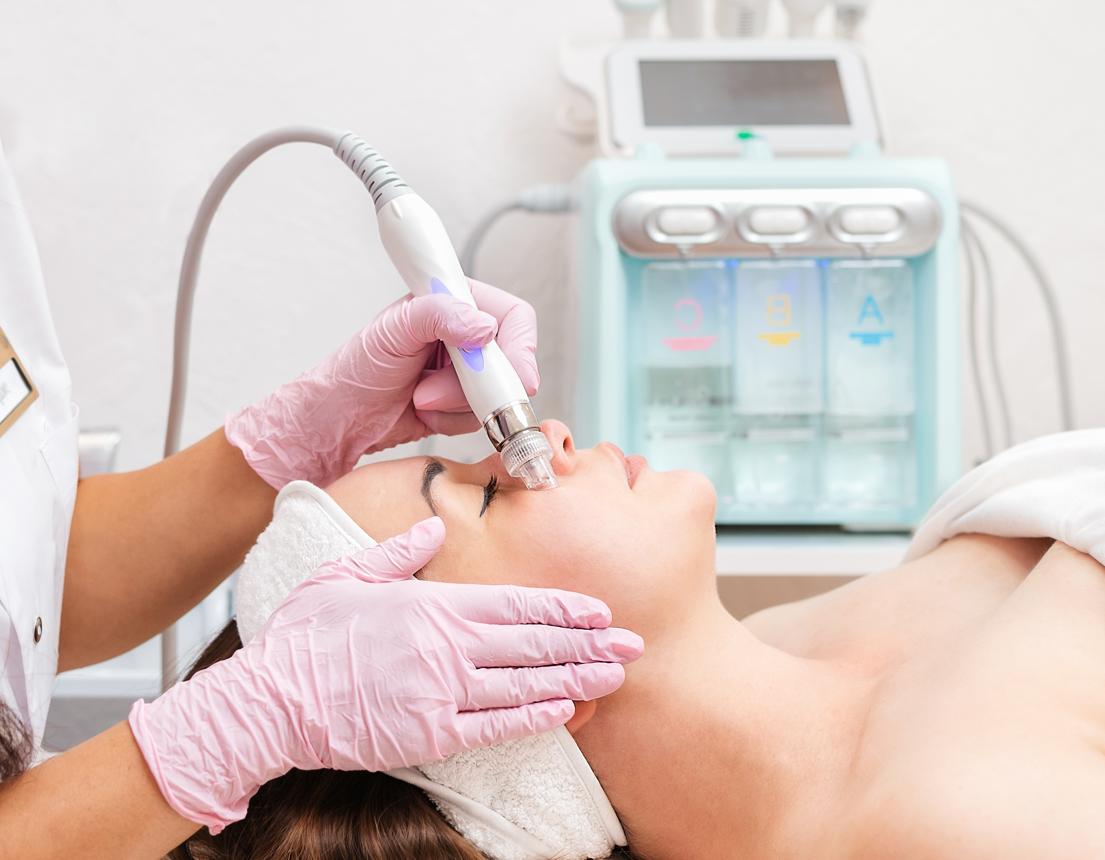
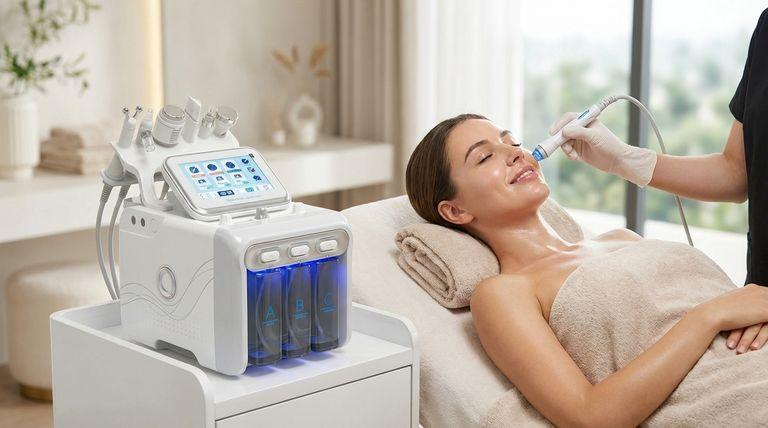
Among the emerging trends of 2026, water-based facial devices have become one of the fastest-growing categories in professional skincare equipment. Rather than relying exclusively on exfoliation or aggressive resurfacing, these systems use purified water, controlled vacuum technology, serum infusion, and multifunctional treatment heads to cleanse, hydrate, exfoliate, and nourish the skin simultaneously.
For aesthetic clinics, beauty salons, and medical spas, this shift represents more than simply adopting another facial treatment. Water-based facial systems offer an opportunity to deliver visible results while accommodating clients with different skin types, lifestyles, and treatment goals. The combination of gentle technology and customizable protocols makes these devices suitable for routine maintenance, pre-event skincare, post-treatment recovery, and long-term skin health management.
Another factor driving adoption is the growing demand for treatments that fit into busy schedules. Clients want procedures that require little or no recovery time while still producing immediate improvements in skin texture, radiance, and hydration. Water-based facial technologies meet these expectations by providing comfortable treatments that can often be completed within an hour, allowing clients to return to daily activities immediately.
For equipment manufacturers and professional clinics, the popularity of these systems reflects a broader trend toward comprehensive facial management. Instead of addressing only one concern, modern aesthetic devices are expected to perform multiple functions within a single platform, improving treatment efficiency while expanding service offerings
Background / Problem
Clients Want More Than Traditional Facials
Consumer expectations have evolved significantly over the past few years. While traditional cleansing facials remain popular, many clients now expect treatments that produce measurable improvements in hydration, skin clarity, pore appearance, and overall complexion without causing prolonged redness or discomfort.
Several factors contribute to this change:
- Increased awareness of skin barrier health
- Growing popularity of preventive skincare
- Social media emphasis on glowing, healthy skin
- Demand for treatments with minimal downtime
- Greater interest in combining technology with skincare products
As a result, clinics are looking for equipment that can address multiple concerns during one appointment rather than scheduling separate procedures.
The Limitations of Conventional Treatments
Conventional facials often rely heavily on manual extraction, mechanical exfoliation, or chemical products. While these approaches remain effective in appropriate situations, they may present certain limitations:
- Results can vary depending on the operator's technique.
- Manual extractions may cause temporary redness or discomfort.
- Some exfoliation methods are unsuitable for sensitive skin.
- Treatments may focus on only one aspect of skin improvement.
- Repeat appointments may be needed to achieve broader skincare goals.
Meanwhile, aggressive resurfacing technologies, although highly effective for specific indications, are not always suitable for clients seeking regular maintenance or those with limited recovery time.
This creates a growing market for technologies that provide consistent, comfortable, and customizable treatments suitable for a wider range of skin conditions.
Why Hydration Has Become a Priority
Dermatologists and skincare professionals increasingly recognize hydration as one of the foundations of healthy skin. Well-hydrated skin generally appears smoother, brighter, and more resilient while supporting the skin's natural protective barrier.
However, environmental pollution, air conditioning, UV exposure, stress, aging, and excessive cleansing can gradually reduce the skin's moisture balance. Dehydrated skin often develops additional concerns such as dullness, enlarged pores, rough texture, fine lines, and reduced elasticity.
Rather than treating these issues individually, professional water-based facial systems are designed to improve the skin environment as a whole. By combining cleansing, exfoliation, hydration, and nutrient delivery into one treatment workflow, clinics can offer a more comprehensive approach to skin maintenance.
This holistic treatment philosophy aligns well with the direction of the professional aesthetics market in 2026, where prevention, personalization, and long-term skin quality have become just as important as correcting existing imperfections