Introduction
In recent years, cryolipolysis—commonly called “fat freezing”—has gained significant popularity as a non-invasive fat reduction method. Unlike traditional surgical liposuction, it uses controlled cooling to target and destroy fat cells without harming surrounding tissues. However, not all areas of the body respond equally well. Understanding why fat freezing works better in certain zones helps both practitioners and clients achieve more realistic expectations and outcomes.

Background: The Challenge of Stubborn Fat
Diet and exercise remain the foundation of weight management, but many individuals struggle with localized fat deposits that resist lifestyle changes. These so-called “stubborn” areas often persist due to genetic, hormonal, or metabolic factors. Procedures like cryolipolysis were developed to specifically address these localized fat bulges without the downtime of surgery.
How Cryolipolysis Works
Cryolipolysis is based on the principle that fat cells are more sensitive to cold than other cell types. When fat tissue is exposed to controlled cooling (usually around –10°C to –5°C), fat cells undergo apoptosis (programmed cell death). Over the next weeks, the body naturally processes and eliminates these destroyed cells through the lymphatic system.
-
Selective Sensitivity: Fat cells crystallize at higher temperatures than skin, muscles, or nerves, making the method safe.
-
Gradual Process: Results appear gradually over 2–3 months, offering natural-looking improvements.
-
Permanent Reduction: Once fat cells are removed, they do not regenerate, though remaining cells can enlarge if weight is regained

Why Certain Areas Respond Better
Not all fat deposits are created equal. The effectiveness of fat freezing depends on several key factors:
1. Fat Consistency
Cryolipolysis works best on pinchable, subcutaneous fat rather than visceral fat. Areas with softer, pliable fat layers—like the abdomen, flanks, or thighs—respond better than dense, fibrous fat.
2. Applicator Fit
The design of the device’s applicator plays a major role. Zones that allow for proper suction and cooling contact, such as love handles or the double chin, achieve better results. Areas with irregular contours may not fit the applicator as well.
3. Blood Flow and Temperature Response
Regions with moderate blood flow cool effectively, leading to consistent fat crystallization. Conversely, areas with high circulation may rewarm quickly, reducing treatment efficiency.
4. Fat Layer Thickness
A minimum fat thickness is required for treatment. Too little fat may not allow the applicator to work properly, while very thick fat layers may require multiple sessions for visible improvement.
Commonly Treated Areas with High Success Rates
-
Abdomen: Often the number-one target due to pinchable fat deposits.
-
Flanks (“love handles”): Ideal for applicator placement and highly responsive.
-
Thighs (inner and outer): Subcutaneous fat layers respond effectively.
-
Double chin: Smaller applicators are designed for this specific zone.
-
Upper arms: Works for individuals with soft fat pockets rather than muscular bulk.
Areas with Limited Effectiveness
-
Buttocks: Often composed of more fibrous tissue and muscle.
-
Knees: Limited fat pad makes suction difficult.
-
Visceral fat (around internal organs): Untreatable with cryolipolysis.
Understanding these limitations ensures clients receive realistic treatment plans.
Client Needs and Expectations
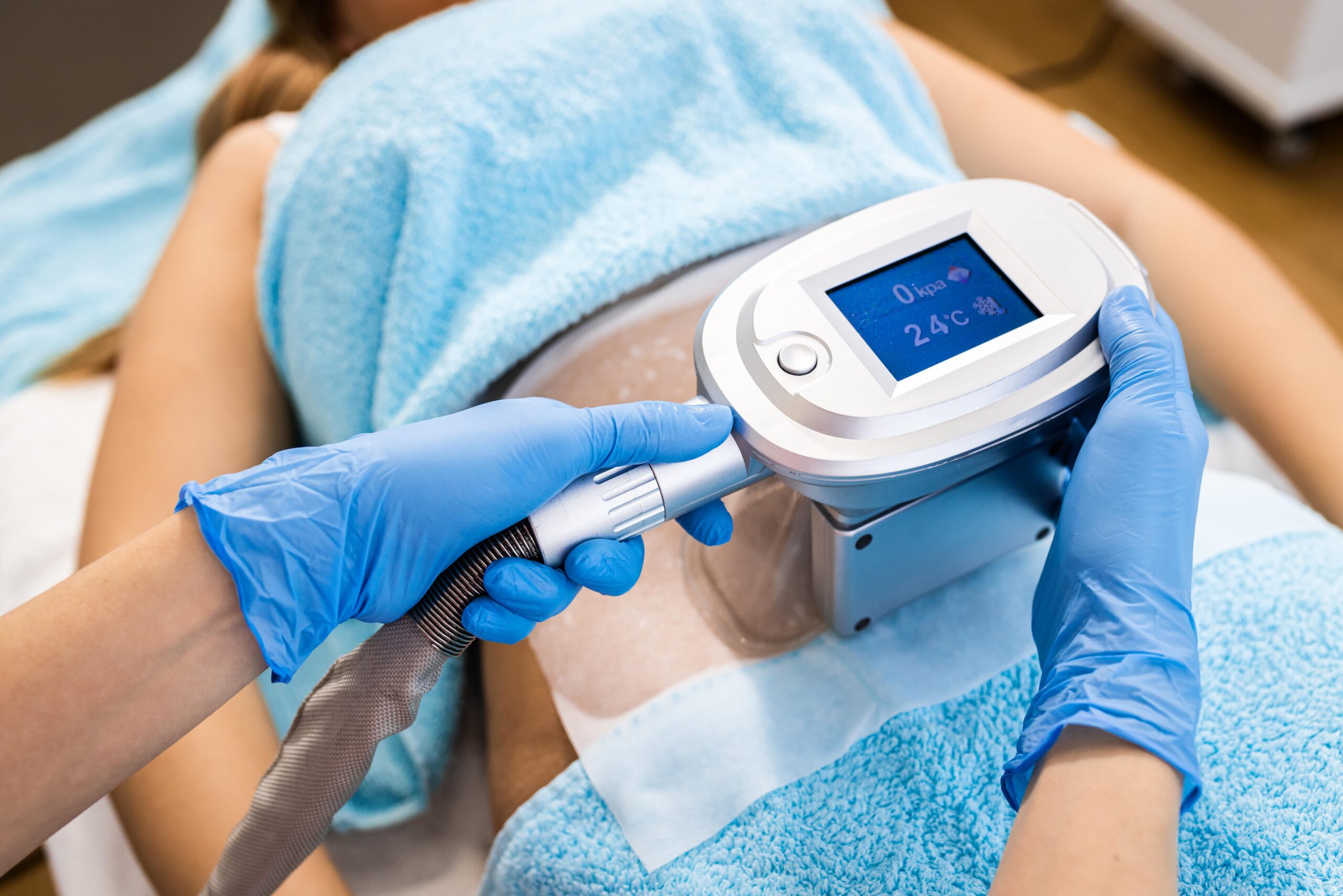
Clients often seek fat freezing as a solution for body contouring, not weight loss. Professionals must communicate that results are:
-
Gradual, not immediate.
-
Area-specific, not systemic.
-
Dependent on lifestyle maintenance.
When properly explained, clients are more satisfied with realistic and visible contouring improvements.
Safety and Considerations
Cryolipolysis is considered safe with minimal downtime, but there are some considerations:
-
Temporary side effects: redness, numbness, or swelling in the treated area.
-
Rare complication: paradoxical adipose hyperplasia (PAH), where fat cells enlarge rather than shrink.
-
Not recommended for individuals with cold-related disorders or poor skin elasticity.
Market Trends and Future Outlook
The global demand for body contouring devices continues to rise, with cryolipolysis leading the segment of non-invasive fat reduction. Advances include applicators with better fit, shorter treatment times, and built-in sensors for safety. Clinics adopting tailored treatment protocols—matching applicator type with body zone—are achieving higher satisfaction rates.
Conclusion
Cryolipolysis, or fat freezing, is not a universal solution but excels in specific body zones with the right fat consistency and applicator fit. Understanding these factors is key for maximizing results and ensuring client satisfaction. By targeting areas like the abdomen, flanks, and thighs, this technology continues to shape the future of non-invasive body contouring.
Founded in 2008, Guangzhou GLM Beauty Spa Equipment Factory specializes in research, development, manufacture and selling of beauty and slimming machines. Our production base is located in Guangzhou City, Guangdong Province, China. Since our foundation, we have introduced advanced technologies and equipment, to assure high quality and high performance of our products. With professional marketing guide and excellent after-sales service, our products have been exported to over 20 countries and regions, including Southeast Asia, the Middle East, Europe and the United States, won worldwide praises and gained a good reputation.