Introduction
Healthy skin is constantly working to maintain balance. It regulates moisture, controls oil production, responds to environmental stress, and repairs itself through an ongoing cycle of renewal. However, modern lifestyles—including pollution, UV exposure, stress, poor sleep, and seasonal climate changes—often disrupt this natural equilibrium. The result is skin that appears dehydrated yet oily, sensitive yet congested, or dull despite regular skincare.
For professional estheticians and aesthetic clinics, restoring skin balance has become a primary treatment objective rather than simply addressing individual concerns. Clients increasingly seek treatments that calm irritation, reduce redness, improve hydration, refine pores, and enhance overall skin vitality without aggressive downtime.
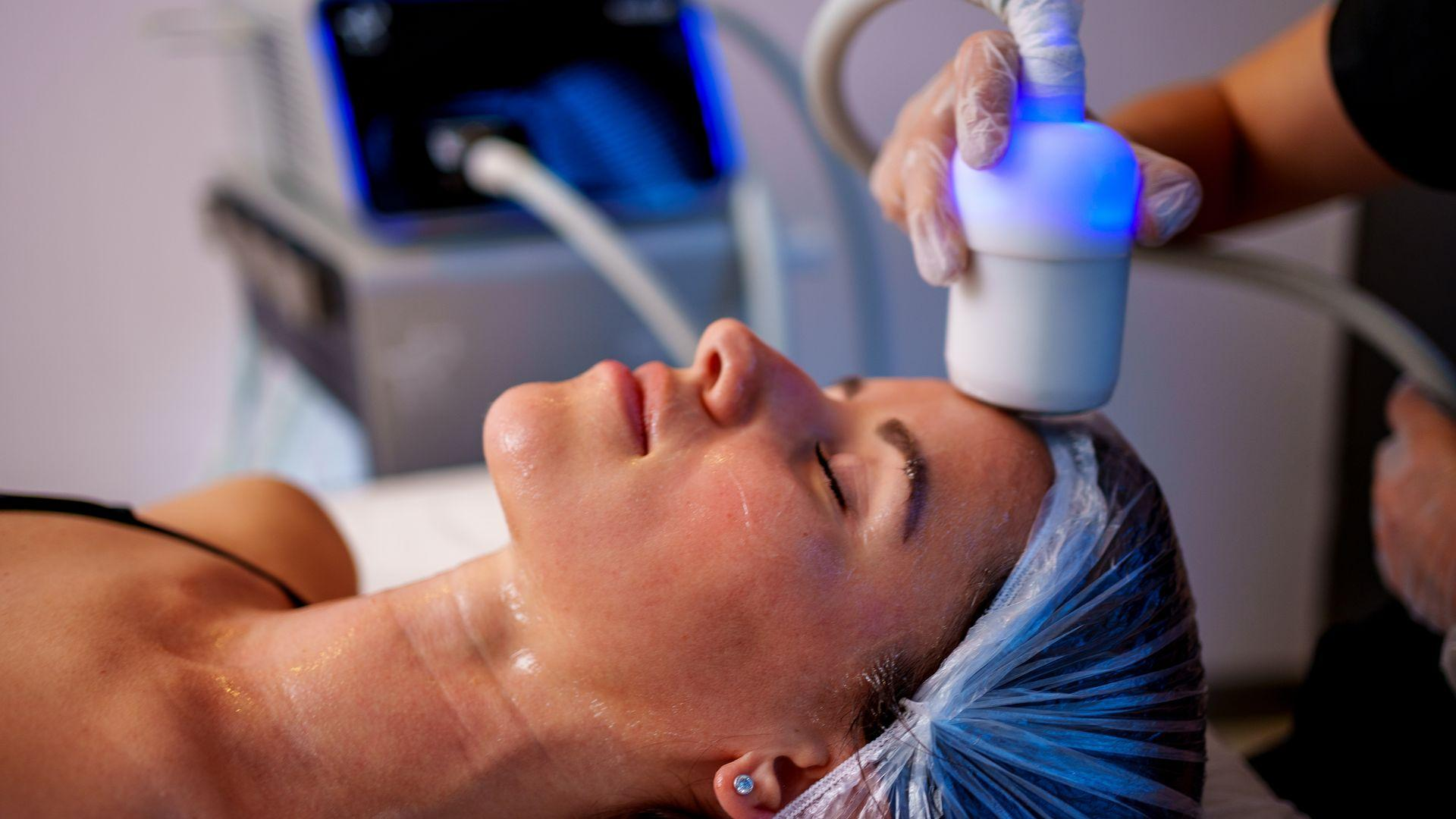
Among the many technologies available today, hot and cold facial therapy has emerged as one of the most versatile and client-friendly treatment approaches. By applying carefully controlled warming and cooling phases, professional facial devices help prepare the skin for active ingredients, stimulate circulation, soothe inflammation, and support the skin's natural recovery process.
Unlike traditional facial massage or basic ice treatments, professional thermal therapy devices offer consistent temperature control, improved treatment precision, and the ability to integrate seamlessly with other technologies such as radio frequency (RF), electroporation, ultrasound, LED light therapy, and oxygen facial systems. This combination allows beauty professionals to create customized protocols that address multiple skin concerns within a single treatment session.
As skincare continues to evolve toward non-invasive, technology-driven solutions, understanding how controlled temperature therapy influences skin physiology helps clinics deliver more effective treatments while enhancing client satisfaction and treatment outcomes.
The Growing Demand for Skin Balance Instead of Quick Fixes
Many skincare consumers once focused on solving a single visible problem—wrinkles, pigmentation, acne, or enlarged pores. Today, however, both professionals and clients recognize that these concerns often share a common underlying issue: an imbalance in overall skin function.
A weakened skin barrier can lead to excessive water loss, increased sensitivity, inflammation, and reduced tolerance to active skincare ingredients. At the same time, poor microcirculation may limit nutrient delivery, while chronic environmental stress can slow cellular renewal. Treating only the surface symptoms rarely provides long-term improvement.
Professional skincare has therefore shifted toward supporting the skin's natural biological functions rather than relying solely on intensive corrective procedures. Restoring hydration, calming inflammation, strengthening the barrier, and improving circulation have become essential components of comprehensive facial treatments.
This trend has also changed client expectations. Modern aesthetic clients increasingly value treatments that provide immediate visible freshness while simultaneously supporting long-term skin health. They want procedures that are comfortable, relaxing, and suitable for regular maintenance rather than aggressive interventions requiring extended recovery periods.
Hot and cold facial therapy aligns perfectly with these expectations because it combines physiological benefits with an enjoyable treatment experience. The alternating temperatures help optimize multiple aspects of skin function without causing significant trauma to the tissue, making it suitable for a broad range of skin types and treatment goals.
Why Temperature Matters in Professional Facial Treatments
Temperature influences nearly every biological process occurring within the skin. Blood circulation, enzyme activity, lymphatic drainage, cellular metabolism, collagen production, and inflammatory responses are all affected by controlled changes in skin temperature.
Professional thermal facial devices are designed to apply these temperature variations safely and consistently, allowing practitioners to achieve predictable treatment effects.
Rather than using heat or cold independently, many advanced facial systems utilize sequential thermal therapy, where warming and cooling complement one another throughout different stages of the facial procedure.
The treatment may begin with gentle warming to prepare the skin before deep cleansing or serum application. Cooling is then introduced after extraction, exfoliation, or energy-based treatments to calm the skin and reduce temporary redness.
This structured approach supports both treatment efficacy and client comfort.
How Heat Benefits the Skin
The warming phase is carefully controlled and should not be confused with excessive heating. Professional facial equipment typically maintains therapeutic temperatures that encourage physiological activity without damaging tissue.
1. Improves Blood Circulation
Gentle heat promotes vasodilation, allowing blood vessels to expand temporarily. Improved circulation delivers more oxygen and nutrients to skin cells while supporting the removal of metabolic waste products.
Better circulation also contributes to the healthy glow that clients often notice immediately after professional facial treatments.
2. Softens Sebum and Surface Impurities
Warm temperatures help soften hardened sebum inside pores, making deep cleansing procedures more efficient.
For estheticians performing extractions or hydrodermabrasion treatments, properly warmed skin often allows impurities to be removed more comfortably and effectively.
This reduces unnecessary pressure during extraction while improving overall treatment efficiency.
3. Enhances Product Absorption
One of the most valuable roles of warming technology is preparing the skin for active ingredient delivery.
As skin temperature increases slightly, the superficial layers become more receptive to topical skincare products. Hydrating serums, peptides, antioxidants, and other professional formulations can spread more evenly across the skin surface before complementary technologies such as electroporation or ultrasound further enhance ingredient penetration.
This preparation stage maximizes the value of premium skincare formulations used during professional facial protocols.
4. Promotes Relaxation
Facial muscles naturally accumulate tension throughout daily activities.
Gentle warmth encourages muscle relaxation while creating a more comfortable treatment experience.
For luxury aesthetic clinics, this sensory benefit contributes significantly to overall client satisfaction, helping transform clinical skincare into a relaxing wellness experience.
How Cold Therapy Supports Skin Recovery
While heat prepares the skin for treatment, controlled cooling plays an equally important role in restoring balance afterward.
Professional cold therapy is far more sophisticated than simply applying ice. Advanced cooling systems maintain precise therapeutic temperatures that soothe the skin without causing cold-related stress or discomfort.
1. Helps Calm Temporary Redness
Many professional facial procedures—including exfoliation, extractions, RF treatments, microneedling support therapies, and chemical resurfacing—can temporarily increase skin redness.
Controlled cooling helps minimize this visible response by encouraging superficial blood vessels to return toward their normal state, leaving the complexion looking calmer and more refreshed.
2. Supports Skin Comfort
Clients with sensitive skin often experience temporary warmth following intensive facial procedures.
Cooling therapy provides immediate comfort by reducing the sensation of heat and helping clients feel relaxed immediately after treatment.
This improves the overall treatment experience while increasing confidence in professional procedures
Technology / Mechanism (Continued)
While individual warming and cooling phases each provide valuable benefits, the greatest clinical advantages often come from alternating thermal therapy. Professional facial systems are designed to transition smoothly between controlled heat and cold, allowing practitioners to guide the skin through different physiological responses during a single treatment.
Rather than relying on dramatic temperature changes, professional equipment uses carefully calibrated thermal ranges to stimulate the skin without overwhelming it. This precision is one of the reasons thermal facial technology has become a staple in modern aesthetic clinics.
The Science Behind Alternating Hot and Cold Therapy
The skin is a highly responsive organ. Even small temperature changes trigger biological reactions that influence circulation, lymphatic activity, nerve endings, and cellular metabolism.
When warmth is applied, superficial blood vessels temporarily dilate. This encourages increased blood flow, delivers oxygen and nutrients more efficiently, and prepares the skin for cleansing or serum application.
When cooling follows, the skin enters a recovery phase. Blood vessels gradually return toward their resting state, redness decreases, and the skin feels refreshed and soothed.
This alternating process creates a natural cycle of stimulation followed by recovery.
Instead of forcing rapid changes, professional thermal therapy supports the skin's own regulatory mechanisms, helping restore equilibrium while minimizing unnecessary stress.
For aesthetic practitioners, this approach offers an effective way to improve treatment outcomes while maintaining excellent client comfort.
Supporting the Skin Barrier
Healthy skin depends on a strong protective barrier.
The outermost layer of the skin regulates moisture retention, protects against environmental pollutants, and limits irritation from external factors. When this barrier becomes compromised, clients often experience dryness, sensitivity, redness, or inconsistent responses to skincare products.
Hot and cold facial therapy helps create conditions that support barrier recovery in several ways.
The warming phase improves hydration preparation and enhances the application of nourishing products. The cooling phase helps calm reactive skin after exfoliation or energy-based procedures.
When incorporated into regular professional skincare programs, thermal therapy complements barrier-supporting ingredients such as:
- Hyaluronic acid
- Ceramides
- Peptides
- Panthenol
- Niacinamide
- Botanical soothing extracts
Rather than replacing quality skincare formulations, professional thermal devices enhance how these ingredients perform during treatment.
Improving Lymphatic Drainage
Another important benefit of controlled temperature therapy is its effect on lymphatic circulation.
Unlike the cardiovascular system, the lymphatic system does not have a central pump. Instead, it depends on muscle movement, tissue pressure, and gentle stimulation to move excess fluid throughout the body.
Many clients visit aesthetic clinics with concerns such as:
- Facial puffiness
- Under-eye swelling
- Morning edema
- Dull complexion
- Heavy facial appearance
Professional thermal therapy, particularly when combined with facial massage techniques or specialized massage heads, helps encourage healthy lymphatic movement.
As fluid circulation improves, the face often appears:
- More sculpted
- Better defined
- Less congested
- Brighter
- More refreshed
Although these changes are not permanent after a single treatment, regular maintenance sessions can help clients maintain a healthier facial appearance over time.
Enhancing the Performance of Other Aesthetic Technologies
One of the greatest strengths of hot and cold facial therapy is its compatibility with other professional technologies.
Rather than functioning as an isolated treatment, thermal therapy is frequently integrated into comprehensive facial protocols that combine multiple modalities.
Radio Frequency (RF)
Before RF treatment, gentle warming helps prepare the skin and improve client comfort.
Following RF, controlled cooling helps calm temporary warmth while enhancing the post-treatment experience.
The combination creates a smoother transition between treatment stages.
Electroporation
Electroporation is commonly used to enhance transdermal delivery of active ingredients.
Thermal preparation before electroporation helps optimize the skin surface, allowing treatment serums to distribute more evenly before electrical pulses facilitate ingredient transport.
Cooling afterward helps soothe the skin while completing the treatment protocol.
Ultrasound Therapy
Ultrasound facial treatments rely on acoustic energy to improve product penetration and stimulate skin activity.
Combining ultrasound with thermal therapy creates a more comprehensive treatment sequence:
- Heat prepares the skin.
- Ultrasound assists ingredient delivery.
- Cold calms the tissue.
This layered approach improves both treatment efficiency and client comfort.
LED Light Therapy
LED therapy addresses multiple skin concerns, including acne management, inflammation reduction, collagen support, and skin rejuvenation.
Adding hot and cold therapy before or after LED treatment allows practitioners to create more complete treatment experiences tailored to different skin conditions.
Hydrodermabrasion and Hydrogen Oxygen Facials
Thermal therapy also integrates naturally with hydrodermabrasion, hydrogen oxygen facials, and deep cleansing procedures.
A typical professional protocol may include:
- Warm skin preparation
- Deep cleansing or hydrodermabrasion
- Active serum infusion
- Electroporation or ultrasound
- LED treatment
- Cooling therapy to finish
This sequence provides both immediate cosmetic improvement and enhanced client comfort.
Advantages Compared with Traditional Methods
Although many consumers are familiar with warm towels or ice packs used during facials, professional thermal therapy offers significant advantages over these traditional approaches.
Accurate Temperature Control
Professional beauty equipment maintains consistent temperatures throughout treatment.
Warm towels cool rapidly, while ice packs often become excessively cold or unevenly chilled.
Stable thermal delivery allows practitioners to achieve predictable treatment results while improving safety.
Better Treatment Consistency
Professional equipment produces repeatable treatment conditions from one client to another.
This consistency is particularly valuable for clinics offering standardized facial programs, membership packages, or multi-session treatment plans.
Clients appreciate knowing that each appointment follows the same high-quality protocol.
Improved Hygiene
Modern thermal handpieces are designed for professional sanitation protocols.
Compared with repeatedly reheated towels or reusable ice packs, dedicated treatment heads simplify cleaning and support higher hygiene standards within busy clinics.
This has become increasingly important as clients place greater emphasis on cleanliness and professional treatment environments.
Higher Treatment Efficiency
Thermal devices allow practitioners to transition quickly between different stages of a facial without interrupting workflow.
Instead of preparing separate towels, warming cabinets, or cooling accessories, estheticians can adjust temperature settings directly from the device interface.
This saves treatment time while improving the overall client experience.
Greater Integration with Modern Aesthetic Equipment
Traditional temperature applications function independently.
Professional thermal systems, however, are designed to operate alongside advanced technologies such as RF, ultrasound, electroporation, LED, oxygen infusion, hydrodermabrasion, and multifunction facial platforms.
This integration enables clinics to build customized treatment protocols for a wide variety of skin concerns while maximizing the value of multifunction aesthetic equipment
Applications / Client Needs
As client expectations continue to evolve, professional skincare is no longer limited to treating a single concern. Modern aesthetic clinics are expected to provide personalized solutions that improve overall skin quality while delivering a comfortable treatment experience.
Hot and cold facial therapy is well suited to this trend because it can be incorporated into treatment plans for a wide range of skin conditions and age groups.
Dehydrated and Dry Skin
Clients with dehydrated skin often experience tightness, flaking, and a lack of radiance. In these cases, gentle warming prepares the skin to receive hydrating serums containing ingredients such as hyaluronic acid or peptides. Following the infusion stage, controlled cooling helps soothe the skin and supports a refreshed appearance.
Rather than relying on moisturizers alone, combining thermal therapy with professional-grade skincare products allows estheticians to create a more comprehensive hydration treatment.
Oily and Congested Skin
Excess sebum production and clogged pores remain among the most common concerns seen in professional skincare clinics.
The warming phase softens sebum and prepares the skin for deep cleansing procedures such as hydrodermabrasion, vacuum extraction, or ultrasonic cleansing. Once impurities have been removed, the cooling phase helps calm the skin and visibly reduces post-treatment redness.
This sequential approach provides a cleaner, fresher complexion while improving client comfort throughout the procedure.
Sensitive and Reactive Skin
Sensitive skin requires careful treatment planning.
Professional thermal devices allow practitioners to use mild, controlled temperatures rather than extreme heat or cold. Cooling therapy is particularly valuable after exfoliation or advanced facial treatments because it helps relieve temporary discomfort and promotes a calmer skin appearance.
When combined with barrier-supporting serums and gentle treatment protocols, thermal therapy can become an important component of ongoing skin maintenance.
Mature and Aging Skin
As skin ages, circulation slows, collagen production decreases, and cellular renewal becomes less efficient.
Thermal facial therapy complements anti-aging treatments by preparing the skin before collagen-stimulating technologies such as radio frequency or ultrasound. Cooling therapy at the end of the procedure enhances comfort while completing a luxurious treatment experience.
Although thermal therapy is not a replacement for collagen-remodeling technologies, it improves the overall treatment protocol and helps maximize client satisfaction.
Post-Treatment Recovery
Many advanced aesthetic procedures involve temporary redness, warmth, or mild sensitivity.
Professional cooling therapy is commonly incorporated into post-treatment care following procedures such as:
- Radio Frequency (RF)
- LED facial therapy
- Hydrodermabrasion
- Oxygen facial treatments
- Electroporation
- Professional exfoliation
By calming the skin after treatment, clinics can provide a more comfortable recovery experience while improving the perceived quality of the service.
Why Professional Equipment Delivers Better Results
Although consumers can purchase facial warming masks or cooling rollers for home use, professional systems offer several important advantages.
Commercial aesthetic devices are designed with stable temperature control, precise timing, and programmable treatment protocols. These features allow practitioners to adjust treatments according to each client's skin condition rather than relying on inconsistent manual methods.
In addition, professional devices are frequently integrated into multifunction platforms that combine several technologies within one system. Instead of using separate tools, clinics can seamlessly transition between cleansing, serum infusion, thermal therapy, LED treatment, radio frequency, and ultrasound during a single appointment.
This integrated workflow improves treatment efficiency while creating a premium experience that clients are unlikely to achieve with home skincare devices.
For beauty clinics, investing in multifunction thermal technology is not simply about adding another feature—it is about expanding treatment possibilities, increasing service value, and delivering consistently high-quality results.
The Future of Thermal Facial Therapy
The professional aesthetics industry continues to move toward non-invasive, personalized, and technology-driven treatments.
Clients increasingly seek procedures that improve skin health while fitting into busy lifestyles. Comfortable treatments with minimal downtime have become more desirable than aggressive interventions requiring lengthy recovery.
Thermal facial therapy aligns perfectly with this direction.
Future developments are expected to include smarter temperature sensors, AI-assisted treatment protocols, enhanced multifunction platforms, and greater integration with skin analysis systems. These innovations will enable practitioners to deliver even more personalized facial treatments based on individual skin conditions.
Rather than serving as a standalone technology, hot and cold therapy is becoming an essential component of comprehensive facial treatment systems that combine cleansing, hydration, skin rejuvenation, and recovery within one professional workflow.
Conclusion
Healthy skin depends on balance rather than extremes.
Hot and cold facial therapy supports this balance by combining controlled warming and cooling to enhance circulation, improve product absorption, calm the skin, and promote a more comfortable treatment experience. When integrated into professional facial protocols, thermal therapy complements advanced technologies such as radio frequency, ultrasound, electroporation, LED light therapy, and hydrodermabrasion.
For aesthetic clinics and beauty professionals, this approach offers more than immediate visible results. It provides a versatile treatment solution that addresses diverse client needs while supporting long-term skin health and satisfaction.
As demand for personalized, non-invasive skincare continues to grow, professional hot and cold facial therapy is likely to remain an important part of modern aesthetic practice, helping clinics deliver consistent, effective, and client-centered treatments
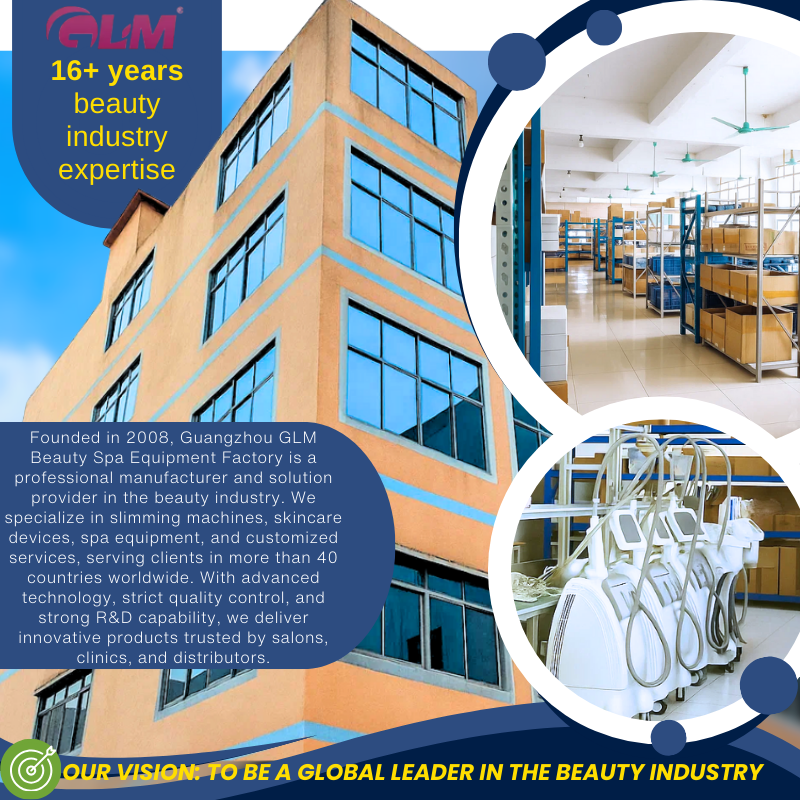
Founded in 2008, Guangzhou GLM Beauty Spa Equipment Factory specializes in research, development, manufacture and selling of beauty and slimming machines. Our production base is located in Guangzhou City, Guangdong Province, China. Since our foundation, we have introduced advanced technologies and equipment, to assure high quality and high performance of our products. With professional marketing guide and excellent after-sales service, our products have been exported to over 20 countries and regions, including Southeast Asia, the Middle East, Europe and the United States, won worldwide praises and gained a good reputation