Introduction
Modern professional facials are no longer limited to cleansing, massage, masks, and manual extraction. As beauty technology continues to develop, aesthetic clinics and professional salons are increasingly combining traditional skincare techniques with controlled energy-based treatments to create more structured and personalized facial protocols.
Among these technologies, hot and cold facial treatments have become a practical addition to professional treatment rooms. From warming the skin before cleansing to cooling it after exfoliation or other intensive procedures, temperature can be used at different stages of a facial for different purposes.
But why do professional facial treatments use both heat and cold?
The answer is not simply that heat “opens pores” and cold “closes pores.” In professional aesthetics, controlled temperature is used to influence the skin's surface environment, circulation, comfort, product application, and recovery process. The timing, intensity, and duration of treatment are just as important as the temperature itself.
For beauty professionals, this makes hot and cold technology more than a finishing accessory. When incorporated into a well-designed treatment protocol, it can help create a smoother workflow, improve the client experience, and support the overall objectives of a facial.
Background: Why Temperature Matters During a Facial
The skin is constantly responding to changes in its environment. Temperature is one of the factors that can influence blood vessel behavior, sensory response, tissue flexibility, and the overall condition of the skin surface.
During a professional facial, the skin may go through several different stages. It may first need to be softened and prepared for cleansing. It may then undergo exfoliation, extraction, infusion, massage, or another technology-assisted procedure. Finally, the skin often needs a calming and comfortable finishing step.
Using the same approach throughout the entire treatment is not always ideal.
This is where hot and cold therapy becomes useful.
A warming stage can help create a comfortable environment for cleansing and treatment preparation. A cooling stage can be used later to provide a refreshing sensation and help calm the appearance of temporarily stressed skin.
Professional operators therefore often view temperature as a treatment-support technology, rather than an isolated skincare step.
For example, a facial designed for congested skin may use gentle warming before deep cleansing and extraction. A hydrating facial may incorporate warmth before applying selected skincare products, followed by cooling as a finishing stage. After exfoliation or certain device-based treatments, controlled cooling may be particularly valuable for improving comfort.
The objective is not to make the skin extremely hot or extremely cold. The objective is to apply temperature in a controlled and appropriate way.
Technology and Mechanism: How Hot and Cold Facial Treatments Work
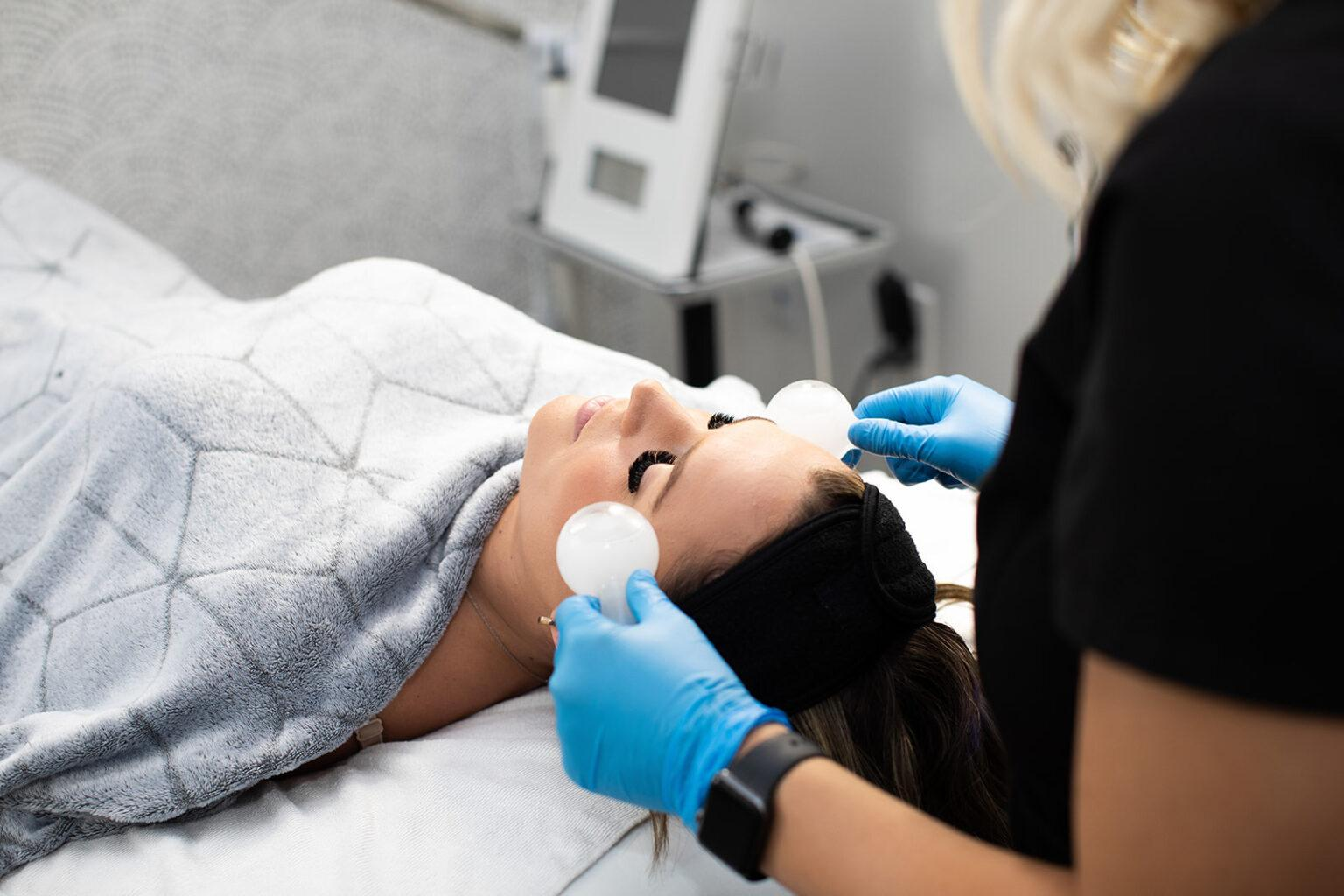
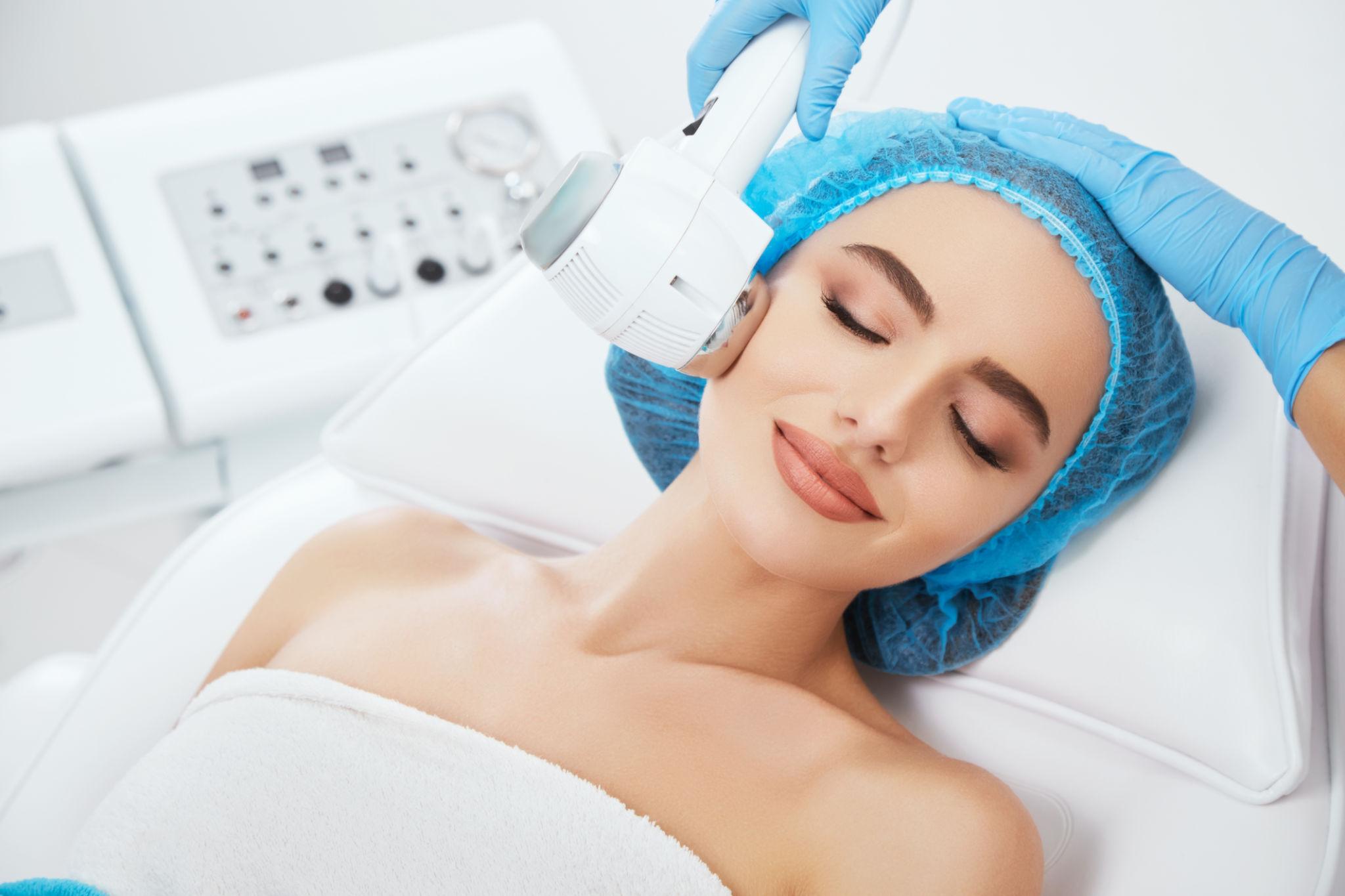
Professional hot and cold facial devices typically use a temperature-controlled metal treatment head. Depending on the device design, the handpiece may provide a warming mode, a cooling mode, or both.
Unlike a warm towel or an ice roller, an electronic thermal handpiece can maintain a more consistent treatment temperature and deliver it directly through a smooth contact surface.
This consistency is particularly useful in a professional environment, where operators need repeatable treatment conditions.
1. What Happens During the Warming Stage?
When controlled warmth is applied to the skin, superficial blood vessels may temporarily dilate, increasing local circulation. The skin can also feel softer and more relaxed.
This makes warming particularly useful during the preparation stage of a facial.
For deep cleansing procedures, gentle warmth can help soften surface oils and impurities, making subsequent cleansing or extraction more comfortable. In some treatment protocols, warmth is also incorporated before applying skincare products or performing massage.
However, professional warming should not be confused with aggressive heating.
The purpose of a facial thermal device is controlled stimulation—not excessive heat. A well-designed device should allow the operator to select an appropriate setting based on the treatment protocol and the client's skin condition.
2. What Happens During the Cooling Stage?
Cooling produces a different physiological response.
A controlled reduction in skin temperature can help reduce the sensation of warmth and provide a soothing effect. It may also temporarily influence superficial blood vessels, which can make the skin appear calmer after procedures that cause temporary redness.
This is why cold therapy is frequently used toward the end of a facial.
After exfoliation, extraction, or other intensive skincare procedures, the client may experience warmth or mild temporary redness. A cooling handpiece provides a controlled way to finish the treatment while improving the client's sense of comfort.
Cold therapy can also be incorporated into facial massage protocols, particularly when the treatment objective includes creating a refreshed appearance.
3. Why Use Hot and Cold Together?
The real value of thermal facial technology often comes from combining the two modes rather than using either one independently.
A professional facial may follow a sequence such as:
Warm → Cleanse → Treat → Cool → Finish
The warming stage prepares the skin. The active treatment addresses the primary concern. The cooling stage then helps transition the skin into a calmer finishing phase.
This creates a logical treatment flow.
Rather than applying temperature randomly, professional operators can use thermal technology according to the condition of the skin and the purpose of each treatment stage
Advantages: Why Professional Hot and Cold Devices Are Different
Consumers can achieve a basic warming or cooling sensation with towels, chilled rollers, facial globes, or other manual tools. These methods can be useful, but professional equipment provides several advantages when temperature therapy becomes part of a structured treatment protocol.
More Consistent Temperature Control
Manual tools can change temperature quickly.
A warm towel gradually loses heat, while a chilled tool may become warmer as soon as it contacts the skin. Professional thermal devices are designed to maintain a controlled temperature for a defined treatment period.
This consistency helps operators provide more repeatable treatments.
For clinics offering standardized facial programs, repeatability is important. The client should not receive a completely different treatment experience simply because the towel cooled faster or the cooling accessory was not cold enough.
Better Treatment Efficiency
A professional hot and cold device can switch between treatment modes without requiring the operator to leave the treatment room or prepare another tool.
This may appear to be a small advantage, but it can make a difference in a busy salon or clinic.
The operator can move from preparation to treatment and then to recovery within one workflow. This helps reduce interruptions and keeps the facial experience smooth.
Greater Precision
Professional equipment allows operators to control the treatment more deliberately.
Instead of relying on a subjective feeling of whether a towel is “warm enough” or whether a roller is “cold enough,” the practitioner can follow a defined protocol.
This is especially useful when multiple operators work in the same clinic and the business wants to maintain consistent service standards.
Improved Client Experience
Temperature creates an immediate sensory response.
Warmth can make the beginning of a facial feel relaxing and comfortable, while cooling can create a refreshing sensation toward the end of the treatment.
For clients, this can make a technology-assisted facial feel more complete and sophisticated.
In a competitive beauty market, the treatment experience matters alongside the technical function of the device. A well-designed thermal step can become part of the clinic's signature facial experience.
Applications in Professional Salons and Aesthetic Clinics
Hot and cold facial technology can be incorporated into a wide range of professional facial protocols.
Deep Cleansing and Extraction
For treatments involving deep cleansing or extraction, the warming stage can be used during preparation.
The goal is to soften surface impurities and create a more comfortable treatment environment before manual or device-assisted cleansing.
After extraction, cooling can then be used as a finishing step to improve comfort and calm the appearance of the skin.
Exfoliation Treatments
Exfoliation removes accumulated surface cells and can temporarily leave the skin feeling more sensitive.
Depending on the treatment protocol, controlled cooling can provide a soothing finishing sensation.
This makes hot and cold technology a useful companion to professional exfoliation services.
Hydration and Serum-Focused Facials
Some professional facial protocols focus primarily on hydration and the application of skincare products.
In these treatments, warmth may be incorporated before product application or during massage, while cooling can be used as the final stage.
The thermal step does not replace professional skincare products. Instead, it can become part of the overall protocol designed by the aesthetician.
RF and Other Device-Assisted Facials
Modern aesthetic clinics frequently combine multiple technologies within one facial program.
Depending on the equipment and treatment protocol, hot and cold therapy can complement technologies such as RF, ultrasound, LED, electroporation, oxygen infusion, or multifunction facial systems.
The key is sequencing.
Not every technology should be used at the same intensity or at the same stage. A professional operator should understand what each technology is designed to do and determine whether thermal treatment is appropriate before, during, or after the primary procedure.
Sensitive or Temporarily Stressed Skin
Clients may experience temporary warmth, redness, or discomfort after certain facial procedures.
Cooling can provide a gentle finishing option when appropriate.
However, “sensitive skin” does not automatically mean every client is suitable for every thermal protocol. Professional assessment remains important, especially when clients have known temperature sensitivity, active skin conditions, compromised skin barriers, or other contraindications.
Professional Equipment vs. Simple Home Tools
One of the biggest differences between professional and home-use thermal tools is not simply temperature. It is control.
A professional facial device may provide adjustable temperature settings, stable operation, ergonomic treatment heads, treatment timers, and integration with other facial technologies.
This gives the operator greater control over how the technology is used.
For a home user, a cold roller may be sufficient for a quick refreshing routine. A professional clinic, however, needs a treatment system that can support multiple clients, repeated protocols, hygiene procedures, and consistent service delivery.
This is where multifunction facial equipment becomes particularly valuable.
A hot and cold handpiece integrated into a larger professional system can become one part of a complete facial workflow rather than a standalone gadget. The same treatment room may use cleansing technology, skin scrubbers, RF, LED, infusion technologies, and thermal therapy according to the client's individual needs.
For equipment manufacturers and professional buyers, this multifunction approach can also increase the versatility of a treatment platform.
Instead of adding a device that performs only one isolated function, clinics can select equipment that supports several stages of a facial and expands the number of treatment combinations available to trained operators.
What Clients Are Really Looking For
From the client's perspective, the technology itself is rarely the only reason to choose a facial.
Clients want to feel that the treatment is customized to their skin.
They also want a procedure that feels comfortable, professional, and purposeful.
Hot and cold treatments can contribute to all three.
The operator can explain why warmth is being used during preparation, why cooling is introduced after a more active procedure, and how the thermal step fits into the overall treatment plan.
This turns a simple temperature function into part of the treatment story.
It also helps clients understand why professional facials are different from simply applying a cold roller or warm towel at home.
The value lies not only in the device, but in the combination of technology, protocol, professional judgment, and consistent execution.
Safety and Professional Considerations
Temperature-based facial treatments should always be performed according to the equipment manufacturer's instructions and the operator's training.
More heat or more cold does not automatically mean better results.
The appropriate setting depends on the device, treatment objective, application area, skin condition, and client tolerance.
Professional operators should also consider contraindications and avoid applying thermal treatment to skin that is not suitable for the procedure.
This is another reason why professional equipment should be used as part of a structured protocol rather than treated as a simple beauty gadget.
The technology provides the tool. The practitioner provides the assessment and treatment strategy.
Conclusion
Hot and cold treatments are used in professional facials because temperature can play a useful supporting role throughout the treatment process.
Warmth can help prepare the skin, support cleansing, encourage a comfortable treatment environment, and enhance the sensory experience. Cooling can provide a refreshing and soothing finishing step, particularly after procedures that temporarily leave the skin warm or flushed.
When both are incorporated into a carefully designed protocol, they create a practical thermal treatment cycle that can support preparation, active treatment, recovery, and client comfort.
For modern beauty salons and aesthetic clinics, the value of hot and cold technology goes beyond simply making a facial feel warmer or cooler. Professional temperature-controlled devices provide consistency, precision, efficiency, and opportunities to integrate thermal therapy with other aesthetic technologies.
As professional skincare continues moving toward more customized and technology-driven treatment protocols, hot and cold facial systems can serve as a versatile component of the modern treatment room—helping professionals deliver a more controlled, comfortable, and complete facial experience
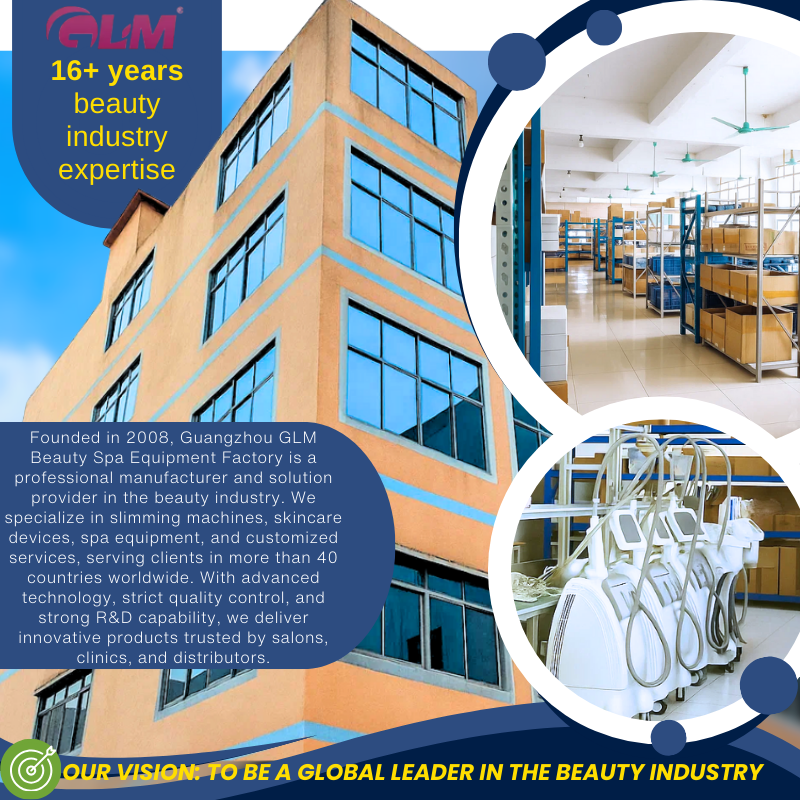
Founded in 2008, Guangzhou GLM Beauty Spa Equipment Factory specializes in research, development, manufacture and selling of beauty and slimming machines. Our production base is located in Guangzhou City, Guangdong Province, China. Since our foundation, we have introduced advanced technologies and equipment, to assure high quality and high performance of our products. With professional marketing guide and excellent after-sales service, our products have been exported to over 20 countries and regions, including Southeast Asia, the Middle East, Europe and the United States, won worldwide praises and gained a good reputation