Introduction
The professional beauty industry is evolving faster than ever. Clients expect clinics and aesthetic salons to provide a wider range of advanced treatments while maintaining exceptional service quality, efficient appointment scheduling, and competitive pricing. At the same time, business owners face increasing operational costs, limited treatment room space, and growing pressure to maximize the return on every equipment investment.
These challenges have led many clinics to rethink how they invest in aesthetic technology. Instead of purchasing multiple single-purpose machines, more professionals are turning to multi-function beauty devices that combine several technologies into one integrated platform.
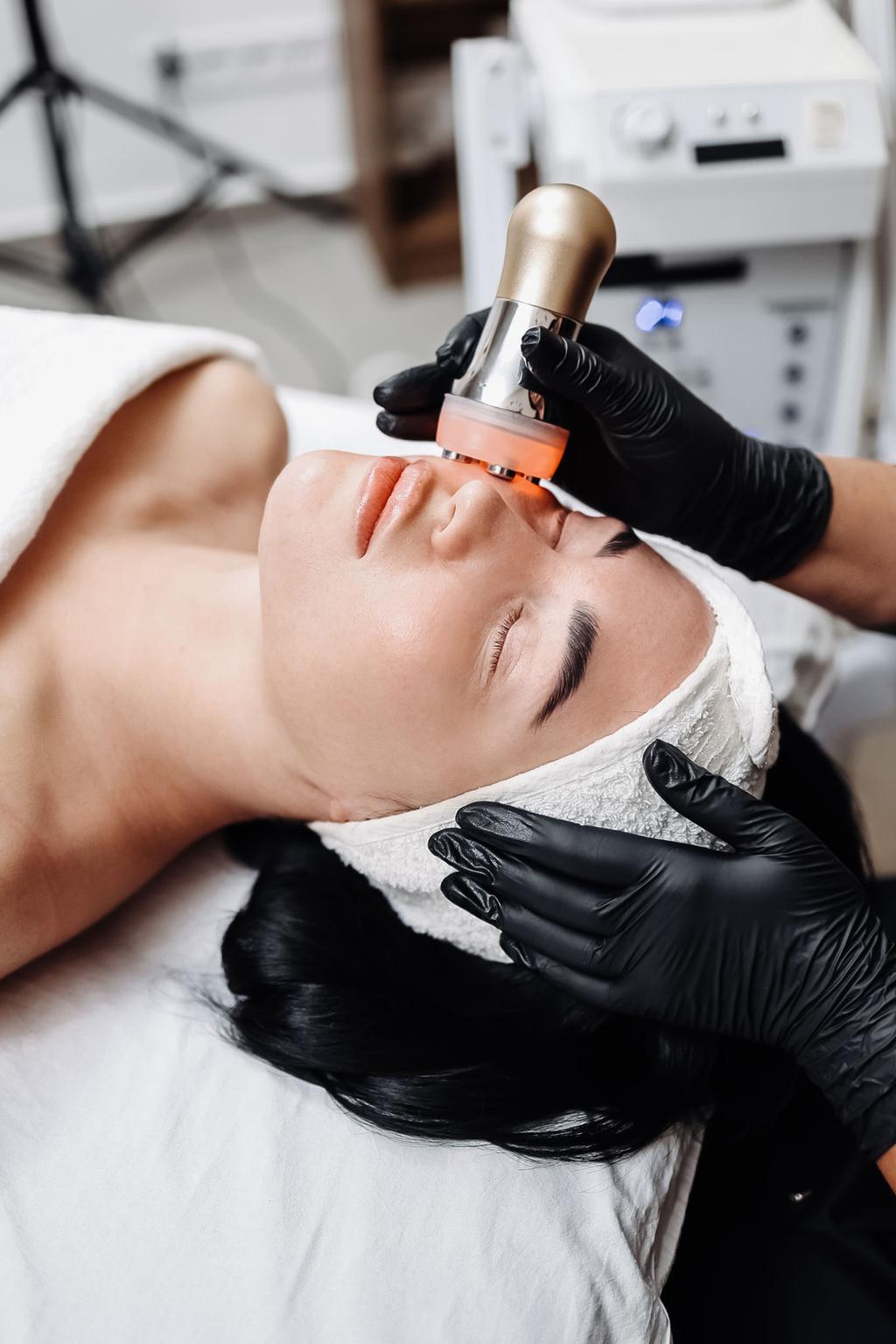
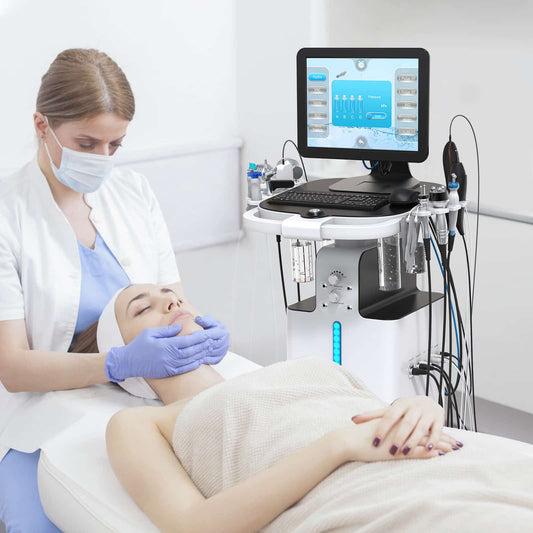
A modern multi-function beauty machine may include radio frequency (RF), ultrasonic cavitation, vacuum therapy, EMS, LED light therapy, hydro dermabrasion, electroporation, oxygen infusion, cold hammer treatment, or skin analysis modules. Rather than occupying valuable floor space with separate systems, clinics can perform multiple facial and body treatments using a single workstation.
This approach is not simply about convenience. It represents a smarter business strategy that improves operational efficiency, expands treatment menus, and increases equipment utilization throughout the day. For beauty clinics, med spas, wellness centers, and aesthetic practices, choosing versatile equipment can significantly improve both customer satisfaction and long-term profitability.
As the beauty industry continues moving toward personalized treatment plans, flexible technology platforms are becoming an essential part of modern aesthetic practice
Background: Why Clinics Need More Than Single-Purpose Equipment
Running a successful beauty clinic involves balancing treatment quality with operational efficiency. While individual devices dedicated to one technology may deliver excellent results, they also introduce several practical challenges as a clinic grows.
Many clinics eventually accumulate separate machines for skin tightening, facial cleansing, body contouring, hydration, LED therapy, lymphatic drainage, and transdermal serum infusion. Although each device serves a specific purpose, collectively they require significant investment, maintenance, storage space, and staff training.
For clinics operating in urban areas where commercial rent continues to rise, treatment room space has become one of the most valuable resources. Every square meter occupied by equipment represents an ongoing operational cost.
Single-function machines may also experience inconsistent utilization. For example, a cavitation machine might only be used during body contouring appointments, while a hydro dermabrasion system remains idle for much of the day. Low equipment utilization means the investment takes longer to recover, reducing overall return on investment (ROI).
In addition, today's clients increasingly prefer customized treatment combinations rather than standalone procedures. A client seeking facial rejuvenation may benefit from deep cleansing, gentle exfoliation, serum infusion, radio frequency skin tightening, and LED phototherapy within a single appointment. Performing these treatments with multiple independent machines requires additional setup time, repeated client repositioning, and more complicated workflows.
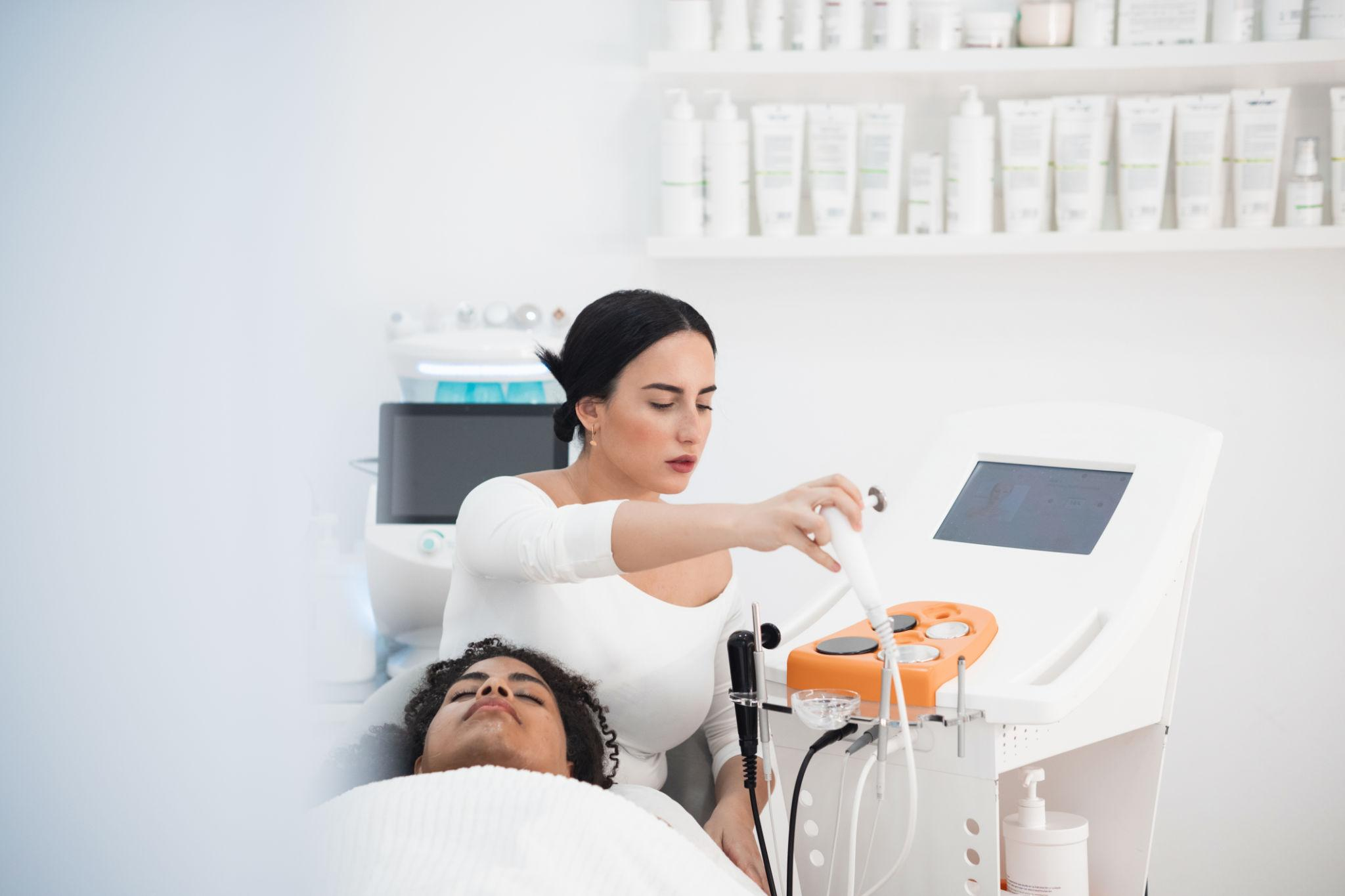
Modern clinics are therefore shifting toward integrated treatment systems capable of delivering several complementary technologies through interchangeable handpieces. Instead of moving clients between different devices, practitioners can transition smoothly from one treatment stage to another using the same platform.
This streamlined workflow not only saves valuable treatment time but also creates a more comfortable experience for clients. Faster room turnover allows clinics to schedule more appointments each day, directly contributing to improved operational efficiency and higher revenue potential
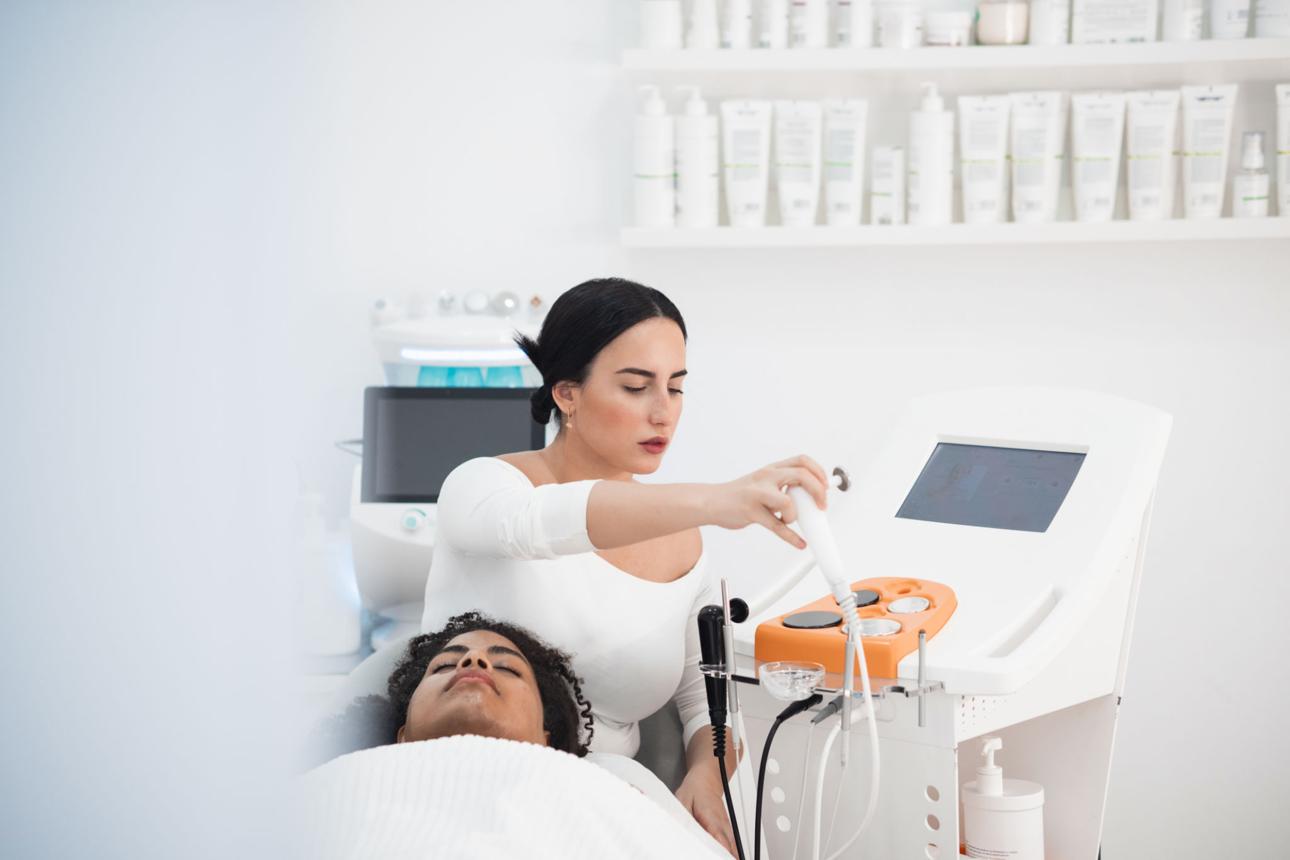
Compared with the traditional "one machine, one treatment" model, integrated aesthetic platforms better align with the growing demand for comprehensive, personalized skincare programs. Clinics can adapt treatment protocols to different skin conditions without continuously investing in new standalone equipment, making multi-function systems a practical solution for long-term business growth