
Introduction
Modern facial treatments are no longer limited to cleansing, moisturizing, and exfoliation. As clients become more educated about skincare and seek visible yet non-invasive improvements, professional aesthetic clinics and beauty salons are increasingly incorporating advanced technologies that enhance treatment performance while supporting overall skin health.
Among these technologies, ozone therapy has become a valuable addition to many professional facial protocols. Rather than acting as a standalone miracle treatment, ozone serves as a complementary technology that helps create a cleaner skin environment, improves treatment hygiene, and prepares the skin for subsequent skincare procedures.
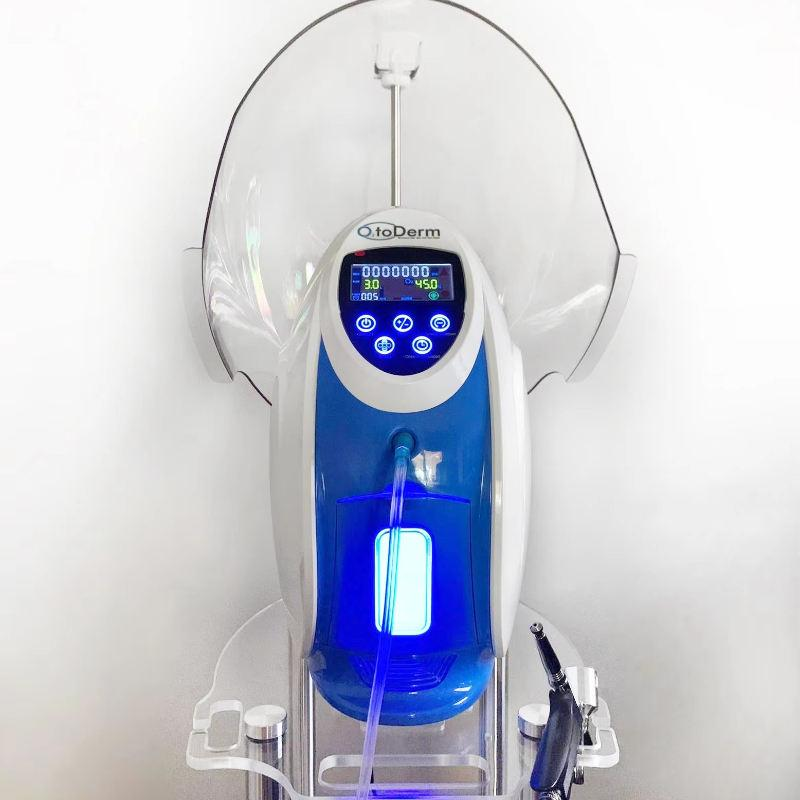
Professional ozone facial machines are now commonly integrated into multifunctional facial systems alongside technologies such as hydrodermabrasion, high frequency, ultrasonic infusion, oxygen therapy, and LED light therapy. This combination allows practitioners to customize treatments based on individual skin conditions while maintaining efficient clinical workflows.
Understanding why ozone therapy is used—and how professional equipment safely delivers its benefits—helps clinics choose suitable devices and design more effective facial treatment protocols.
Background: Why Skin Purification Matters Before Advanced Facial Treatments
Many common skin concerns share one underlying characteristic: an imbalance in the skin environment.
Excess sebum, accumulated dead skin cells, environmental pollutants, cosmetic residue, and bacteria can all interfere with normal skin function. Even premium skincare products may produce disappointing results when applied to skin that has not been properly prepared.
Professional aestheticians often find that clients experiencing acne-prone skin, congested pores, dull complexions, or uneven texture require more than simple cleansing. The objective is not only to remove visible impurities but also to create conditions that support healthier skin recovery.
For this reason, professional facial treatments generally follow a progressive sequence:
- Deep cleansing
- Exfoliation
- Skin purification
- Active ingredient delivery
- Skin soothing
- Barrier recovery
Ozone therapy fits naturally into this workflow because it is primarily used during the purification stage.
Unlike aggressive chemical solutions that may increase irritation, ozone technology offers a non-invasive approach that supports skin hygiene while helping prepare the skin for later treatment steps.
This is one reason ozone has remained a practical technology in professional facial equipment for many years.
Understanding Ozone Therapy Technology
Ozone (O₃) is a molecule composed of three oxygen atoms. Because the third oxygen atom is relatively unstable, ozone has strong oxidative properties. When generated under controlled conditions by professional equipment, this characteristic can be utilized for aesthetic applications.
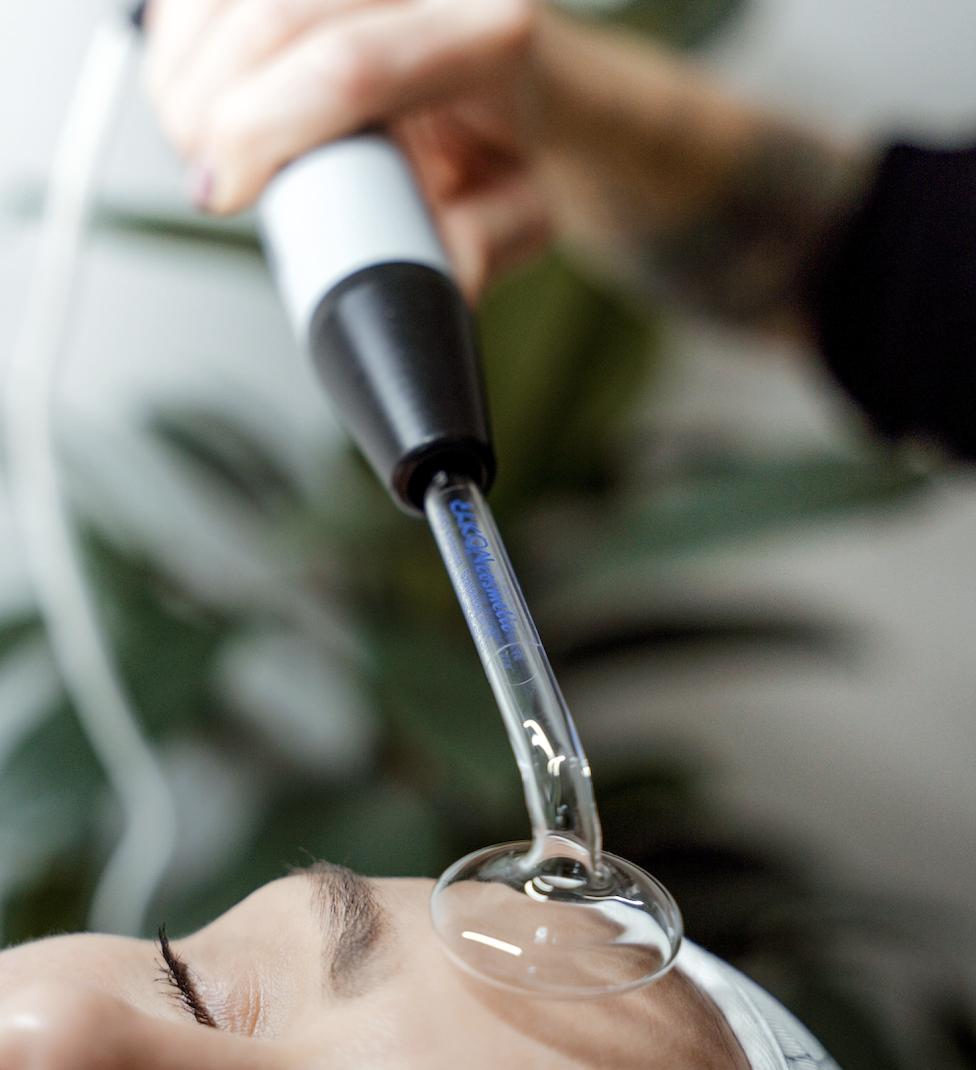
In facial treatments, ozone is not injected into the skin. Instead, specialized beauty devices generate controlled ozone concentrations that are delivered externally through dedicated treatment heads or vapor systems.
The treatment is designed to expose the skin surface to ozone for a carefully controlled period under professional supervision.
Its purpose is to improve the cleanliness of the treatment area rather than dramatically altering skin structure.
Professional ozone facial equipment generally includes:
- Precision ozone generators
- Adjustable output settings
- Protective filtration systems
- Stable airflow control
- Integrated safety mechanisms
These components allow practitioners to perform treatments consistently while maintaining client comfort.
How Ozone Works During Facial Treatments
The mechanism behind ozone facial therapy can be understood through several complementary actions.
1. Surface Purification
One of ozone's most recognized characteristics is its oxidizing capability.
When applied correctly by professional equipment, ozone helps improve the cleanliness of the skin surface by reducing contaminants that may accumulate throughout daily life.
For aesthetic clinics, this creates a cleaner treatment environment before procedures such as:
- Hydrodermabrasion
- Ultrasonic skin infusion
- Oxygen facial therapy
- LED phototherapy
- RF facial treatments
- Microneedling preparation (when appropriate)
Clients with oily skin often appreciate this purification stage because it leaves the skin feeling refreshed without excessive stripping.
2. Supporting Oil Balance
Excessive sebum production frequently contributes to enlarged pores and recurring congestion.
While ozone therapy does not permanently change oil gland activity, professional practitioners often incorporate it into facial protocols designed for oily and combination skin because it helps improve the overall cleanliness of the skin surface.
This makes subsequent extraction procedures more efficient and may improve the overall treatment experience.
3. Preparing the Skin for Better Product Application
One overlooked aspect of professional facials is treatment preparation.
High-quality serums, hydrating ampoules, peptide solutions, and antioxidant formulations perform best when applied to skin that has been properly cleansed and conditioned.
Ozone therapy is often included before infusion technologies because it helps establish a cleaner surface for subsequent skincare steps.
As a result, professional treatment protocols become more organized and sequential rather than relying on individual technologies alone
4. Complementing Multifunction Facial Systems
One reason ozone therapy remains relevant is that it integrates well with other professional facial technologies instead of replacing them.
Modern multifunction aesthetic platforms often combine ozone therapy with:
- Hydro facial cleansing
- Ultrasonic infusion
- High-frequency treatment
- Oxygen spray systems
- Cold hammer therapy
- LED light therapy
- Vacuum skin cleansing
Each technology addresses a different aspect of skin care, while ozone contributes primarily to the purification stage.
This integrated approach enables practitioners to tailor treatment protocols according to individual skin conditions, treatment goals, and recovery requirements
5. Supporting a Comfortable Treatment Experience
Beyond its purifying role, ozone therapy contributes to a more refined treatment workflow. Clients often associate professional facial treatments with cleanliness, freshness, and comfort, and ozone can reinforce these perceptions when incorporated appropriately into a facial protocol.
Professional operators typically adjust ozone intensity according to the client's skin condition and treatment objectives. This level of customization helps create a personalized experience rather than applying the same procedure to every client.
For salons and clinics, flexibility is increasingly important because clients present with different concerns—from excess oil production to environmental stress, seasonal dryness, or uneven skin texture.
6. Integration with Modern Facial Protocols
Today's professional facial treatments rarely rely on a single technology. Instead, practitioners combine multiple modalities that work together in a logical sequence.
A typical professional facial may include:
- Skin analysis
- Makeup and surface cleansing
- Hydrodermabrasion or exfoliation
- Ozone purification
- Blackhead extraction (if required)
- Serum infusion
- LED light therapy
- Cooling treatment
- Moisturizing and sun protection
Within this sequence, ozone acts as a transition step between cleansing and advanced treatment stages. Rather than replacing cleansing or exfoliation, it complements them by helping create a cleaner treatment surface before active ingredients or energy-based technologies are applied.
Advantages of Professional Ozone Facial Equipment
While ozone therapy is available in various forms, the quality of treatment depends heavily on the equipment used and the expertise of the operator.
Professional-grade ozone facial machines offer several advantages over simplified home-use devices.
Stable Ozone Generation
Professional equipment is engineered to generate ozone at controlled concentrations. Stable output ensures consistent treatment performance and allows practitioners to adapt protocols according to different skin types.
Home devices often provide lower output with limited adjustment options, making them suitable only for basic skincare routines rather than comprehensive facial treatments.
Better Integration with Other Technologies
Professional facial systems frequently combine ozone therapy with multiple treatment modalities in a single platform. This integration allows practitioners to perform complete facial procedures without switching between separate machines.
Examples include combining ozone with:
- Hydro facial systems
- Ultrasonic skin scrubbers
- Electroporation
- Oxygen infusion
- Cold hammer therapy
- High-frequency handles
- LED phototherapy
This not only improves treatment efficiency but also helps clinics optimize equipment investment and workspace utilization.
Enhanced Treatment Customization
Every client's skin is different. Factors such as skin sensitivity, hydration level, oil production, age, and treatment history all influence protocol design.
Professional machines provide adjustable settings that enable practitioners to personalize treatments rather than relying on fixed operating modes. Customized protocols generally contribute to greater client satisfaction and encourage repeat visits.
Professional Equipment vs. Home Devices
| Feature | Professional Ozone Systems | Home-Use Devices |
|---|---|---|
| Ozone Output | Stable and adjustable | Limited |
| Treatment Duration | Suitable for continuous professional use | Short sessions |
| Combined Technologies | Multiple integrated functions | Usually single function |
| Treatment Customization | High | Basic |
| Operator | Trained professional | Consumer |
| Clinical Environment | Beauty salon, spa, aesthetic clinic | Home |
Although home skincare devices have become more popular, professional equipment continues to offer advantages in terms of treatment consistency, workflow efficiency, and the ability to combine multiple technologies within one session.
For clients seeking comprehensive facial rejuvenation, professional treatments generally provide a more tailored and controlled experience.
Applications and Client Needs
One reason ozone therapy has remained relevant is its versatility across different professional facial services. Rather than targeting a single skin concern, it can be incorporated into a wide range of treatment protocols.
Common applications include:
Acne-Prone Skin Management
Clients with oily or blemish-prone skin often benefit from facial protocols that emphasize thorough cleansing and skin purification. Ozone therapy is frequently included as part of these protocols before extractions, hydration, or calming treatments.
Deep Cleansing Facials
Many clients schedule regular maintenance facials to remove accumulated impurities and maintain a fresh complexion. Ozone complements these treatments by supporting skin purification after exfoliation and before nutrient infusion.
Hydration Programs
Hydrating facials depend on effective delivery of serums and moisturizing ingredients. By helping prepare the skin surface, ozone therapy fits naturally into protocols that conclude with ultrasonic infusion, electroporation, or oxygen therapy.
Anti-Aging Treatments
Mature skin often benefits from multi-step treatments that combine cleansing, hydration, collagen-supporting technologies, and skin-soothing procedures. Ozone is commonly used as an early preparatory step before treatments such as radio frequency (RF), LED light therapy, or oxygen infusion.
Combination Facial Packages
Many aesthetic clinics now offer customized facial packages rather than single-technology treatments. Ozone integrates well into these comprehensive services because it supports the overall treatment sequence without significantly extending session time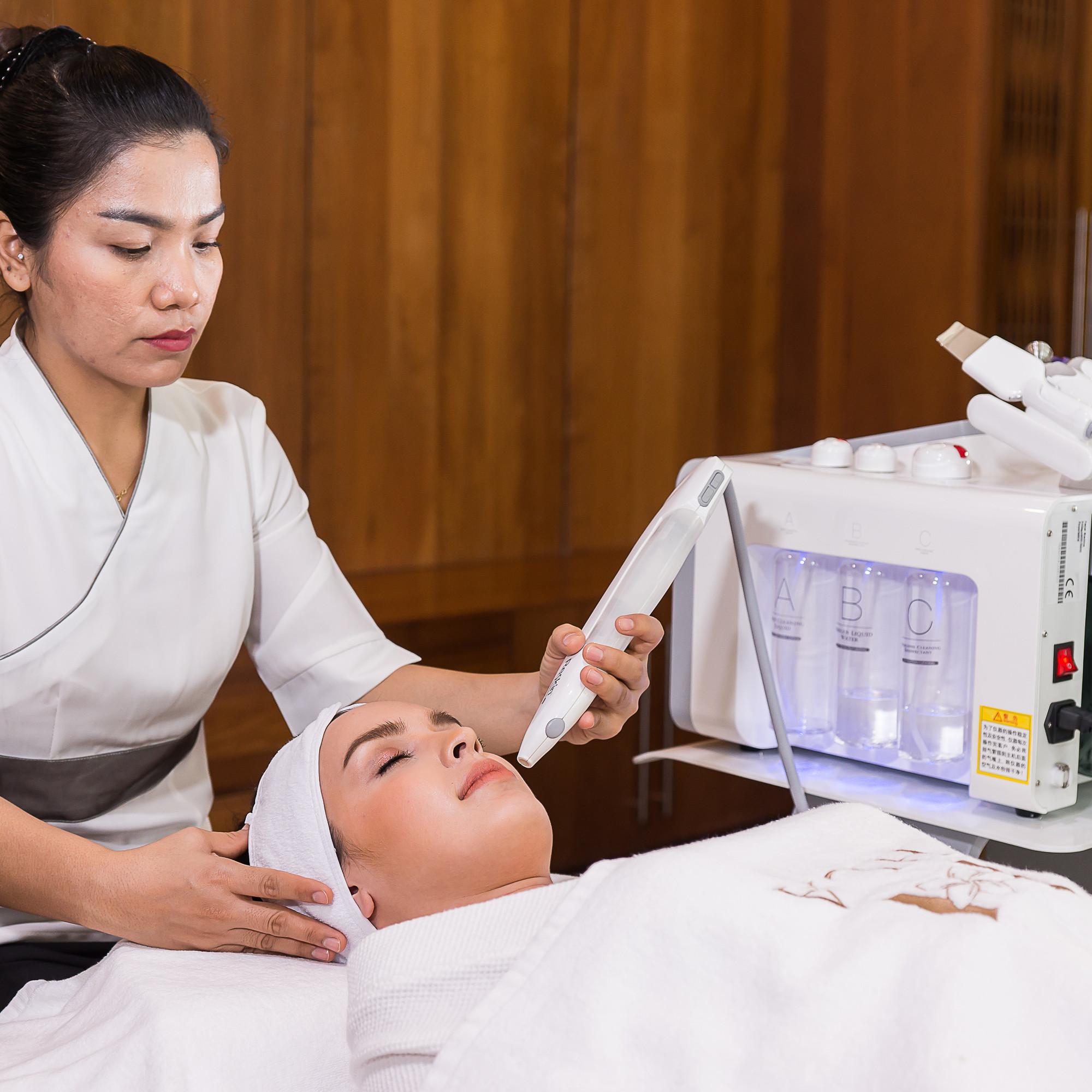
Meeting Growing Client Expectations
Today's clients expect more than a relaxing facial—they look for treatments that combine visible results, advanced technology, hygiene, and personalization.
Professional ozone therapy aligns with these expectations by supporting structured treatment protocols that emphasize preparation, precision, and integration with complementary technologies. For clinics, incorporating ozone into multifunction facial equipment also enhances service flexibility, enabling practitioners to address a wider range of skin concerns without investing in numerous standalone devices.
As demand continues to grow for non-invasive skincare solutions, technologies that improve treatment efficiency while complementing existing facial procedures are likely to remain valuable components of professional aesthetic practice