-0.jpg?w=236&h=185)
Introduction
Acne remains one of the most common skin concerns treated in professional aesthetic clinics worldwide. While traditional approaches such as topical medications, chemical peels, and oral therapies are still widely used, many practitioners are increasingly turning to advanced device-based treatments for more predictable and controlled results. Among these technologies, Photodynamic Therapy (PDT) has gained significant attention for its ability to target acne at its root causes rather than just managing surface symptoms.
In modern beauty clinics and dermatology centers, PDT technology is not simply viewed as an alternative—it is becoming a core solution for clients who struggle with persistent, inflammatory, or treatment-resistant acne. Its combination of scientific precision and non-invasive application makes it especially appealing in professional treatment settings where safety, efficiency, and visible results are essential.
Background/Problem
Acne is a multifactorial skin condition involving excess sebum production, clogged pores, bacterial proliferation, and inflammation. The bacterium Cutibacterium acnes plays a central role in triggering inflammatory responses within the skin. When combined with hormonal fluctuations, poor skincare habits, or environmental stressors, acne can become chronic and difficult to manage.
Traditional treatments often come with limitations. Topical products may struggle to penetrate deeply into sebaceous glands, while oral medications can have systemic side effects. Even manual extraction or standard facials provide only temporary relief and do not address underlying bacterial activity or sebaceous gland overactivity.
For professional clinics, this presents a challenge: how to deliver effective, non-invasive treatments that address multiple acne causes simultaneously while maintaining client comfort and safety. This is where PDT technology provides a significant advantage.
Technology/Mechanism
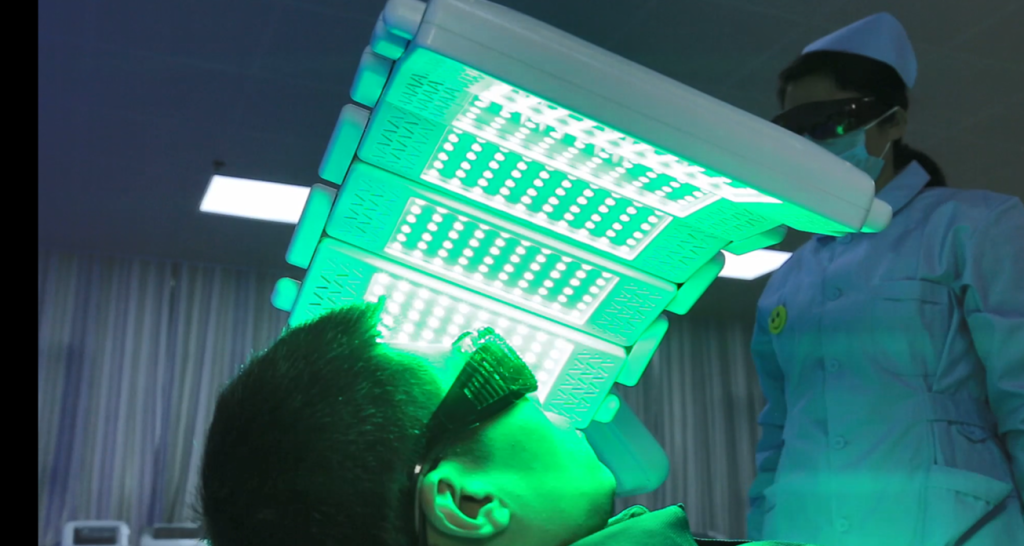
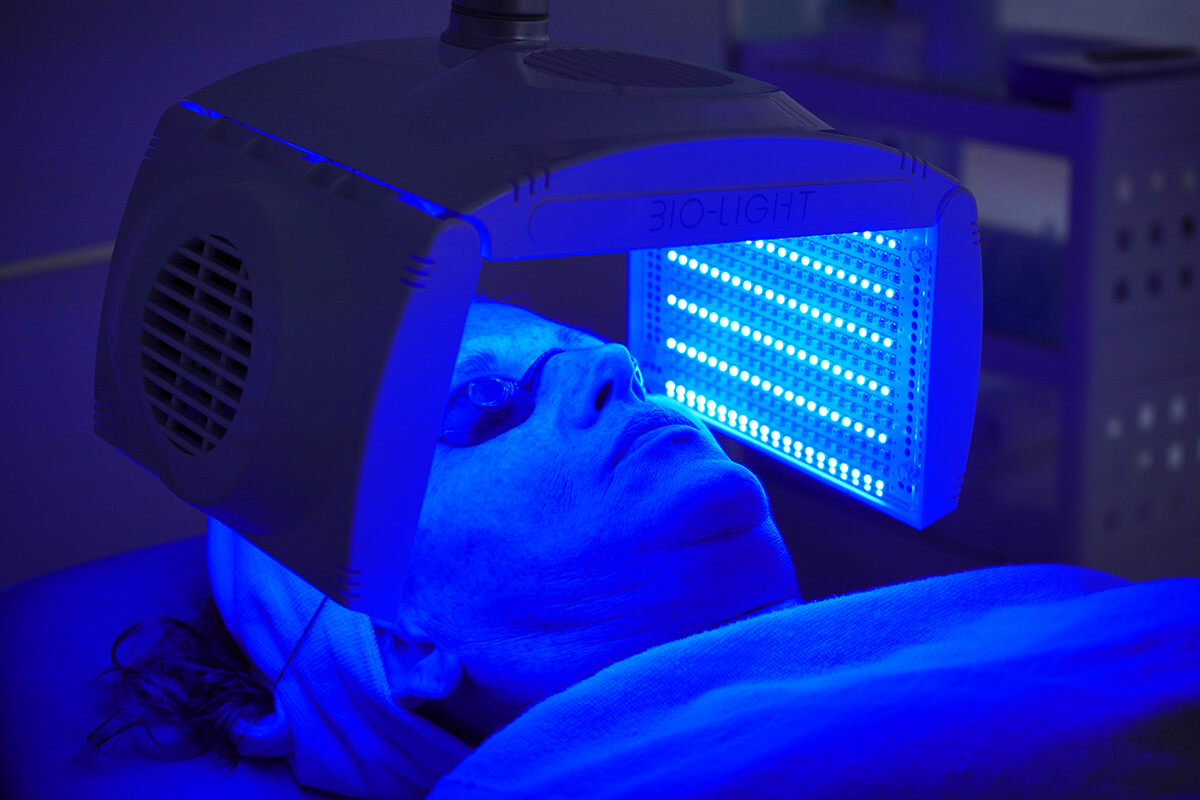
Photodynamic Therapy works through a combination of a photosensitizing agent and a specific wavelength of light. The process typically involves applying a photosensitive substance to the skin, which is then absorbed by sebaceous glands and acne-causing bacteria. When exposed to a targeted light source—commonly blue or red light—the agent becomes activated, triggering a series of biochemical reactions.
These reactions produce reactive oxygen species that effectively destroy Cutibacterium acnes bacteria while also reducing sebaceous gland activity. Blue light is particularly effective in targeting acne-causing bacteria, while red light penetrates deeper into the skin to reduce inflammation and promote healing.
In professional beauty equipment, PDT systems are designed to deliver precise wavelengths with controlled intensity and coverage. Compared to basic light therapy devices, clinic-grade PDT machines ensure consistent energy output, optimized treatment time, and enhanced safety for repeated use.
Additionally, PDT treatments can stimulate skin regeneration by encouraging collagen activity and improving overall skin texture. This dual function—treating active acne while supporting skin recovery—makes it highly valuable in comprehensive acne management programs.
Advantages/Comparison
One of the most significant advantages of PDT technology is its ability to address multiple acne factors simultaneously. Unlike single-function treatments, PDT targets bacteria, reduces oil production, and calms inflammation in one integrated procedure.
Compared to topical treatments, PDT offers deeper penetration and more targeted action. While creams and serums rely heavily on daily compliance and gradual results, PDT provides a more controlled and intensive treatment within a shorter timeframe.
When compared to oral medications such as antibiotics or isotretinoin, PDT presents a non-systemic option with fewer side effects. This is particularly important for clients who are sensitive to medications or prefer non-pharmaceutical approaches.
Another key benefit is its adaptability. PDT systems in professional clinics often come with adjustable light wavelengths and treatment modes, allowing practitioners to customize protocols based on acne severity, skin type, and treatment goals. This level of personalization is difficult to achieve with home-use devices, which are typically limited in power and functionality.
From a business perspective, PDT treatments also offer clinics a high-value service that can be integrated into acne treatment packages. The visible improvement in skin clarity and texture helps enhance client satisfaction and retention, making it both a therapeutic and commercial advantage.
Applications/Client Needs
PDT technology is suitable for a wide range of acne conditions, including inflammatory acne, oily skin, and post-acne recovery. It is particularly beneficial for clients who have not responded well to conventional treatments or who experience frequent breakouts.
In professional settings, PDT is often incorporated into multi-step treatment protocols. For example, a session may begin with deep cleansing or exfoliation to prepare the skin, followed by the application of a photosensitizer, and then light exposure using a PDT device. Post-treatment care may include soothing masks or hydration therapies to support skin recovery.
Clinics also use PDT as a preventive treatment. For clients prone to acne, regular sessions can help maintain bacterial balance, control sebum production, and reduce the likelihood of future breakouts.
Moreover, PDT is not limited to facial treatments. It can also be applied to areas such as the back or chest, where acne is often more difficult to treat with conventional methods.
For aesthetic professionals, the ability to offer a versatile, non-invasive, and results-driven treatment is crucial. PDT technology aligns well with these needs, providing both flexibility and reliability in daily clinical practice.
Conclusion
Photodynamic Therapy has become an essential technology in modern acne care due to its ability to target the underlying causes of acne in a safe and effective manner. By combining antibacterial action, sebum regulation, and anti-inflammatory effects, PDT offers a comprehensive solution that goes beyond traditional skincare approaches.
For professional beauty clinics and aesthetic practitioners, investing in advanced PDT equipment is not only a step toward improved treatment outcomes but also a strategic move to meet growing client expectations for high-performance, non-invasive solutions.
As the demand for scientifically backed and device-based skincare continues to rise, PDT technology is set to remain a key component in the future of acne treatment.
Founded in 2008, Guangzhou GLM Beauty Spa Equipment Factory specializes in research, development, manufacture and selling of beauty and slimming machines. Our production base is located in Guangzhou City, Guangdong Province, China. Since our foundation, we have introduced advanced technologies and equipment, to assure high quality and high performance of our products. With professional marketing guide and excellent after-sales service, our products have been exported to over 20 countries and regions, including Southeast Asia, the Middle East, Europe and the United States, won worldwide praises and gained a good reputation.