Introduction
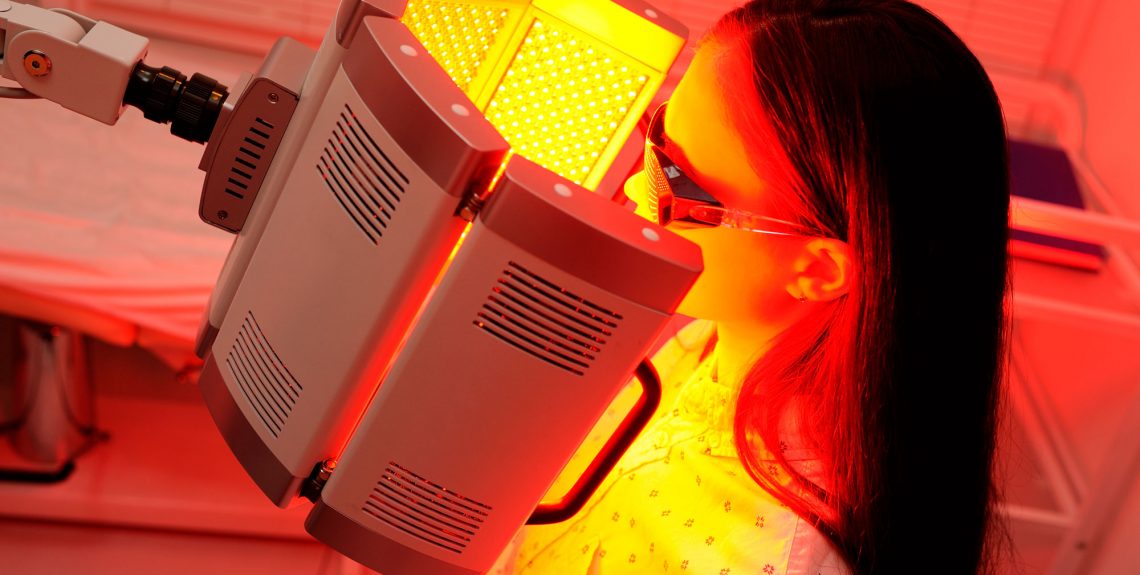
Modern dermatology clinics increasingly rely on advanced technologies to treat a variety of skin conditions safely and effectively. Among these innovations, light-based therapies have become an essential component of professional dermatological treatments.
One widely used method is Photodynamic Therapy (PDT). This technology combines a light-sensitive compound with a specific wavelength of light to produce controlled biological reactions within the skin.
Originally developed for medical dermatology, PDT is now used in many professional skincare and aesthetic treatment programs. Dermatologists and aesthetic practitioners appreciate PDT because it offers a targeted approach to treating skin concerns while minimizing damage to surrounding tissues.
Because of its versatility and non-invasive nature, PDT technology has become an important tool in dermatology clinics and advanced aesthetic centers worldwide.
Background / Problem
Many skin concerns arise from abnormal cellular activity, bacterial overgrowth, or excessive oil production. Conditions such as acne, uneven pigmentation, and certain dermatological disorders can be difficult to treat using traditional skincare methods alone.
One major factor involved in several skin conditions is Acne Vulgaris, which is often associated with inflammation, clogged pores, and bacterial growth within hair follicles.
Another biological process involved in skin health is Cellular Turnover, the natural cycle in which old skin cells are replaced by new ones. When this process becomes disrupted, skin may develop uneven texture, pigmentation irregularities, or clogged pores.
Traditional topical treatments may not always penetrate deeply enough to effectively target the underlying causes of these issues. As a result, dermatology clinics often rely on technology-based treatments that can address skin concerns more precisely.
This is where PDT technology provides a valuable therapeutic option.
Technology / Mechanism
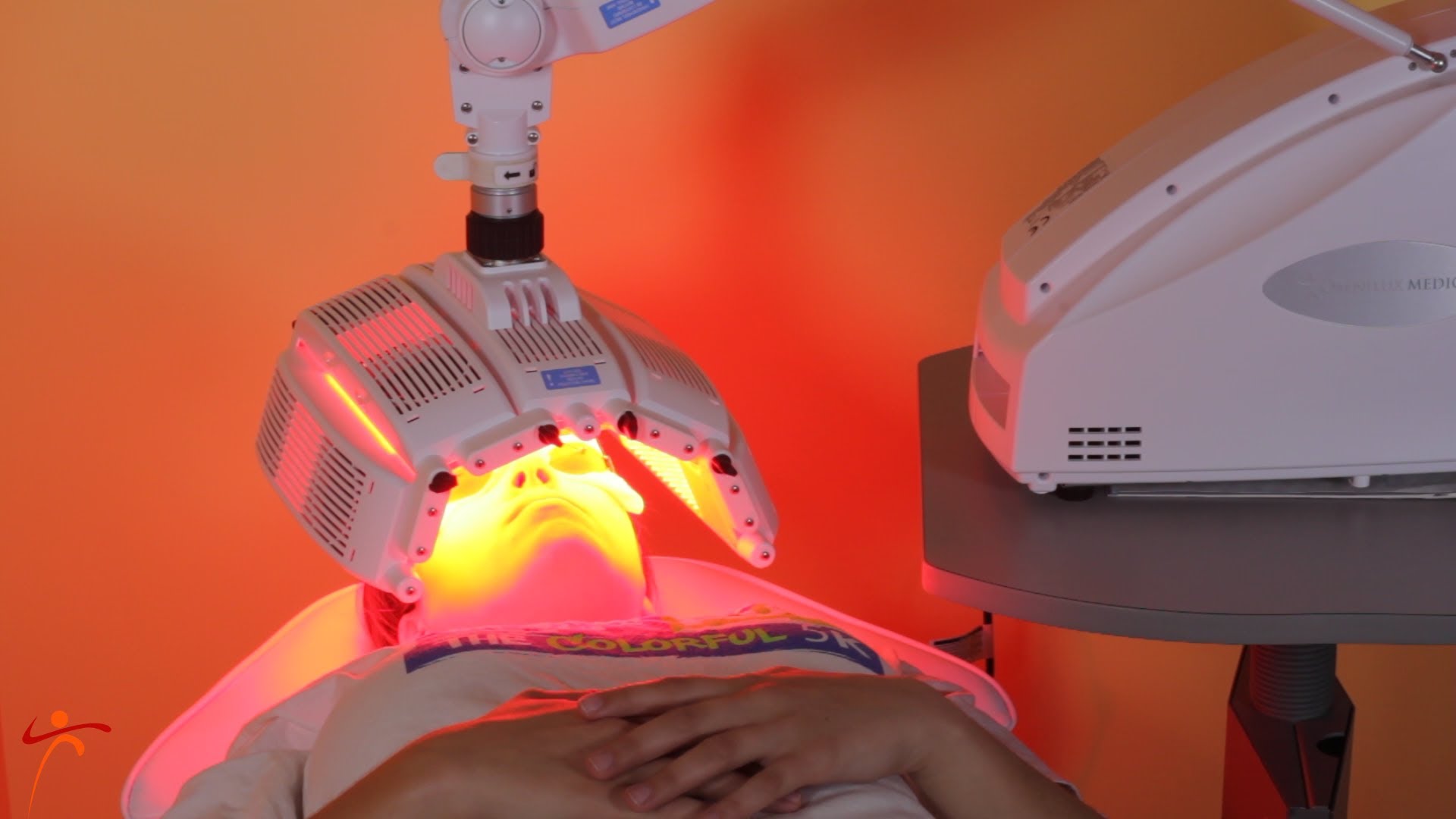
The effectiveness of Photodynamic Therapy comes from the interaction between three key components: a photosensitizing agent, a specific light source, and oxygen present in the skin.
When these elements interact, a controlled photochemical reaction occurs that can target abnormal cells and microorganisms.
1. Application of Photosensitizing Agents
The treatment begins with the application of a photosensitive compound to the skin.
These compounds are designed to accumulate in specific cells or structures within the skin, such as overactive sebaceous glands or abnormal skin cells.
Once applied, the photosensitizing agent is absorbed into the targeted tissues.
2. Activation by Light
After the photosensitizing agent has been absorbed, the treatment area is exposed to a specific wavelength of light.
This light activates the photosensitive compound, initiating a biochemical reaction in the targeted cells.
The light energy itself does not directly destroy the cells but triggers a reaction within them.
3. Generation of Reactive Oxygen Species
The activated photosensitizer interacts with oxygen molecules present in the skin to produce Reactive Oxygen Species (ROS).
These molecules can selectively damage abnormal cells, bacteria, or overactive skin structures.
Because the reaction occurs primarily in areas where the photosensitizer accumulates, surrounding healthy tissues are largely preserved.
4. Skin Renewal and Recovery
Following the treatment, the skin gradually undergoes a repair and renewal process.
Damaged or abnormal cells are removed by the body’s natural mechanisms, while healthier new cells replace them.
This process contributes to improved skin clarity and texture over time.
Advantages / Comparison

PDT technology offers several advantages that make it particularly valuable in dermatology clinics.
Targeted Treatment
Unlike some traditional therapies, PDT focuses on specific cells or structures within the skin.
This selectivity helps improve treatment precision.
Non-Invasive Procedure
PDT does not require surgical intervention, making it a suitable option for many patients seeking non-invasive skin treatments.
Versatile Dermatological Applications
Because the technology can be adapted using different photosensitizers and light sources, it can be used for a variety of dermatological conditions.
Complementary to Other Treatments
Dermatology clinics often combine PDT with other aesthetic technologies such as deep cleansing, exfoliation, or light therapy to enhance treatment outcomes.
Applications / Client Needs
Professional dermatology clinics use Photodynamic Therapy to address a wide range of skin concerns.
Acne Management
PDT treatments can help reduce factors associated with Acne Vulgaris, including bacterial activity and sebaceous gland overactivity.
Skin Texture Improvement
By supporting Cellular Turnover, PDT treatments can contribute to smoother and clearer skin.
Pigmentation Management
Dermatology clinics may use PDT as part of treatment protocols aimed at improving uneven skin tone.
Preventive Skin Care
Some clinics incorporate PDT into long-term skin health programs to maintain balanced skin conditions.
Conclusion
Photodynamic Therapy has become a valuable technology in dermatology clinics due to its ability to target skin concerns through controlled photochemical reactions.
By generating Reactive Oxygen Species, supporting Cellular Turnover, and addressing factors involved in Acne Vulgaris, PDT treatments offer a versatile and non-invasive solution for many dermatological conditions.
As aesthetic and medical skincare technologies continue to evolve, PDT will likely remain an important component of modern dermatological treatment strategies.
Founded in 2008, Guangzhou GLM Beauty Spa Equipment Factory specializes in research, development, manufacture and selling of beauty and slimming machines. Our production base is located in Guangzhou City, Guangdong Province, China. Since our foundation, we have introduced advanced technologies and equipment, to assure high quality and high performance of our products. With professional marketing guide and excellent after-sales service, our products have been exported to over 20 countries and regions, including Southeast Asia, the Middle East, Europe and the United States, won worldwide praises and gained a good reputation.