Introduction
As consumers become more informed about aesthetic treatments, the demand for non-invasive anti-aging solutions continues to grow. Clients increasingly want visible improvements in skin firmness, facial contours, and overall skin quality without undergoing surgery or committing to lengthy recovery periods.
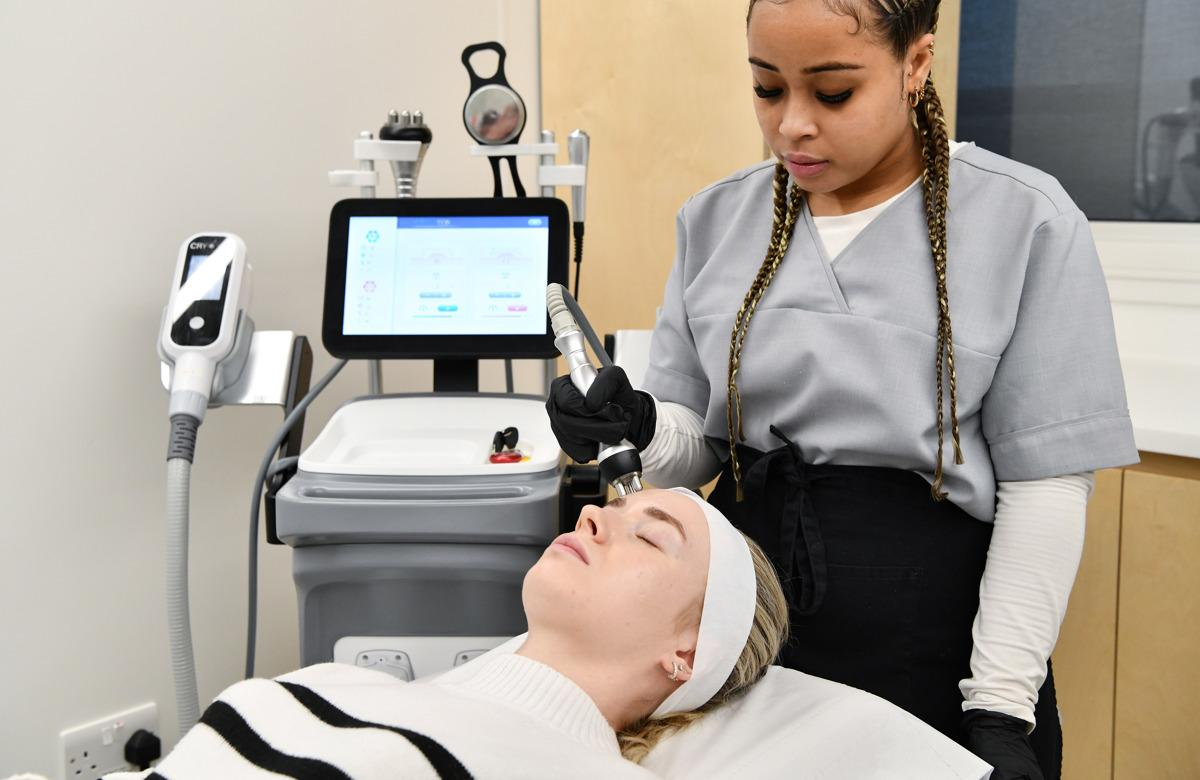
Among the technologies available to professional beauty clinics and aesthetic centers, radiofrequency (RF) remains one of the most widely recognized approaches for skin tightening and rejuvenation. Its popularity is not simply based on its long presence in the beauty industry. RF technology offers a practical combination of controlled thermal energy, flexible treatment applications, relatively comfortable procedures, and compatibility with a wide range of professional treatment programs.
For beauty salons, MedSpas, and aesthetic clinics, RF devices can also serve an important business function. A well-designed professional RF system can support facial rejuvenation programs, skin-firming services, contour-focused treatments, and customized treatment plans. This makes RF more than a single-purpose technology—it can become a versatile component of a modern aesthetic equipment portfolio.
So, why does RF remain popular when the professional beauty market continues to introduce new technologies? The answer lies in the balance between technology, treatment versatility, client expectations, and operational practicality.
Background: Why Skin Aging Creates a Demand for RF Treatments
Skin aging is a gradual process influenced by intrinsic aging, environmental exposure, lifestyle factors, and changes in the skin's structural components. Over time, collagen and elastin-related changes can contribute to reduced firmness, fine lines, uneven texture, and visible skin laxity.
For many clients, these changes do not necessarily justify an invasive surgical procedure. Instead, they may prefer treatments that support gradual skin improvement while allowing them to continue their normal activities.
This is where non-invasive RF treatments fit into the professional aesthetic market.
RF treatments use radiofrequency energy to generate controlled heat within targeted tissue. Rather than mechanically removing the outer layer of skin, non-ablative RF approaches are designed to deliver thermal energy into the skin and stimulate biological responses associated with collagen remodeling and skin tightening. Clinical literature has reported improvements in skin laxity, elasticity, wrinkles, and overall facial appearance following various RF approaches, although treatment outcomes and protocols can vary by device and technology.
From a clinic's perspective, this creates an attractive treatment proposition: clients can receive an energy-based rejuvenation service without the same level of disruption associated with surgical procedures.
How Does RF Skin Tightening Technology Work?
Radiofrequency technology works by delivering electromagnetic energy into tissue, where resistance to the energy produces heat.
In professional aesthetic systems, the design of the applicator, electrode configuration, energy output, treatment area, contact method, and temperature management can all influence how energy is delivered.
The most common RF configurations used in aesthetic equipment include:
Monopolar RF
Monopolar RF generally uses an active electrode with a return pathway, allowing RF energy to travel through a relatively larger volume of tissue. This type of technology is commonly associated with deeper tissue heating and skin-tightening applications.
Bipolar RF
Bipolar RF uses two electrodes positioned within the treatment applicator. The energy travels between the electrodes, allowing the system to concentrate energy within a more controlled treatment area.
Multipolar RF
Multipolar systems use multiple electrodes to create a broader and more controlled energy distribution. They are frequently incorporated into professional facial and body treatment platforms because they can support different treatment areas and protocols.
The specific behavior of RF energy depends heavily on the device architecture and treatment parameters. Therefore, professional operators should not assume that all RF machines deliver identical results simply because they use the same general technology.
The objective is controlled and appropriate tissue heating—not simply increasing energy intensity.
The Role of Controlled Heating in Skin Rejuvenation
One of the key reasons RF remains relevant is its relationship with collagen remodeling.
When tissue is exposed to appropriately controlled thermal energy, it can trigger biological responses associated with collagen remodeling and fibroblast activity. Research has reported changes consistent with neocollagenesis and improvements in skin elasticity following RF-based treatments.
This does not mean that every RF session produces an immediate dramatic transformation. In professional practice, RF is often positioned as a gradual rejuvenation technology. Depending on the device, treatment protocol, client characteristics, and treatment goals, visible improvement may develop over time.
This gradual approach can actually be an advantage for clients seeking natural-looking aesthetic changes.
Instead of dramatically changing facial features, professional RF treatments can be incorporated into maintenance programs designed around firmness, texture, and overall skin appearance.
For clinics, this also creates opportunities for structured treatment plans rather than one-time services.
Why RF Remains Popular Among Professional Beauty Clinics
1. Non-Invasive Treatment Positioning
One of the strongest advantages of RF is its non-invasive positioning.
Many clients are interested in anti-aging treatments but are not ready for surgery. RF provides a technology-based option that can be incorporated into non-surgical facial rejuvenation programs.
This makes RF particularly suitable for clients concerned about early signs of aging, mild-to-moderate skin laxity, loss of firmness, or general skin rejuvenation.
2. Versatile Facial and Body Applications
RF technology is not limited to one facial area.
Depending on the equipment and applicator design, professional RF systems can be used in treatment programs targeting areas such as:
- Face and cheeks
- Jawline
- Chin and neck
- Forehead
- Around the mouth
- Arms
- Abdomen
- Thighs
- Other areas where skin firmness is a treatment concern
This versatility makes RF equipment attractive to clinics that want to expand their service menu without purchasing a completely different technology for every treatment category.
3. Customizable Treatment Parameters
Professional RF systems can provide operators with adjustable treatment parameters, depending on the model and technology.
Features such as adjustable energy levels, treatment modes, handpiece configurations, timers, temperature monitoring, and ergonomic applicator designs can help practitioners create more controlled treatment workflows.
This is one area where professional equipment has an important advantage over simplified consumer devices.
Professional treatment is not only about producing RF energy. It is also about controlling how that energy is delivered.
4. Comfortable Treatment Experience
Client comfort is an important consideration in aesthetic treatment.
Many non-invasive RF treatments are designed around a controlled warming sensation rather than an aggressive treatment experience. A professional operator can monitor the client's response and adjust treatment parameters according to the device's intended protocol.
Modern RF platforms may also incorporate temperature monitoring or control systems to improve treatment consistency. Research on temperature-controlled RF handpieces has specifically explored the role of controlled tissue temperature in skin tightening and laxity treatments.
For clinics, a comfortable treatment experience can support repeat visits and long-term client relationships.
5. Suitable for Treatment Programs
Anti-aging is rarely a one-time concern.
Clients often return to clinics because they want to maintain their appearance over time. RF technology fits naturally into this model because it can be incorporated into personalized treatment programs according to the equipment's indications and professional protocols.
Instead of positioning RF as a quick "before-and-after" solution, clinics can present it as part of a broader skin maintenance strategy.
This approach is also more consistent with how many clients actually experience non-invasive aesthetic treatments: gradual improvements combined with ongoing maintenance.
RF vs. Other Non-Invasive Anti-Aging Technologies
The professional beauty equipment market now includes many energy-based technologies, including ultrasound, LED, laser, IPL, cryotherapy, and other advanced systems.
RF's competitive advantage is not that it replaces every other technology.
Instead, its strength is its ability to focus on controlled thermal energy and skin-firming applications.
For example, LED systems are commonly positioned around light-based skincare and photobiomodulation concepts, while ultrasound-based technologies use acoustic energy. Laser and IPL systems rely on specific wavelengths and chromophores for different applications.
RF, by contrast, is particularly attractive when the treatment objective centers around skin firmness, tightening, and collagen-related rejuvenation.
This means RF can complement rather than compete directly with other technologies.
For a professional clinic, a multi-technology treatment menu may allow practitioners to select different modalities according to client needs instead of relying on a single machine for every concern.
Why Professional RF Equipment Matters
The effectiveness of an RF treatment is not determined by the word "RF" printed on a machine.
Equipment engineering matters.
Professional RF systems should be designed around stable energy delivery, appropriate applicator design, treatment control, user ergonomics, and safety-related features appropriate to their intended use.
For example, a clinic may value:
- Multiple RF handpieces
- Different electrode configurations
- Adjustable treatment intensity
- Temperature monitoring
- User-friendly touchscreen controls
- Treatment timers
- Ergonomic handpieces
- Easy-to-clean treatment surfaces
- Durable construction for repeated professional use
These features can influence both the operator's workflow and the client's treatment experience.
For equipment manufacturers and distributors, this is also where RF machines can be differentiated in a competitive market. The value of professional equipment is not simply the energy source—it is the complete treatment system built around that energy.
Applications Based on Client Needs
A professional operator should begin with the client's concerns rather than simply selecting a machine function.
For example, a client with early signs of facial laxity may be interested in a skin-firming program. Another client may be more concerned about jawline definition or neck appearance. Someone else may primarily want smoother-looking skin and an improved overall complexion.
RF can potentially become part of different treatment strategies depending on the device and its approved or intended applications.
For Facial Firmness
RF is commonly incorporated into facial rejuvenation programs where skin firmness and mild laxity are major concerns.
The treatment can focus on areas such as the cheeks, lower face, jawline, and neck while avoiding unnecessary treatment of areas that do not require it.
For Anti-Aging Maintenance
For clients who are not looking for dramatic changes, RF can be positioned as part of an ongoing skin maintenance program.
This is particularly relevant for clients who prefer gradual, natural-looking improvements.
For Body Skin Firming
Some professional RF systems are designed for both facial and body applications. Depending on the device, larger applicators may allow practitioners to work more efficiently across areas such as the abdomen, arms, or thighs.
The treatment objective should always correspond to the equipment's specifications and professional operating protocol.
What Makes RF a Long-Term Technology for Aesthetic Clinics?
The continued popularity of RF is ultimately about practicality.
The technology is understandable to clients, flexible for professional operators, and adaptable to different treatment programs. It also fits the broader market shift toward non-invasive aesthetic services.
A recent systematic review of RF facial rejuvenation studies reported improvements in aesthetic outcomes, high patient satisfaction, and generally favorable tolerability, while also emphasizing that study methods and reporting quality vary.
This is important for professional clinics.
RF should not be marketed as a universal solution or as a replacement for surgery in every situation. Instead, it can be presented as a professional energy-based option for clients seeking non-invasive approaches to skin firmness and rejuvenation.
That balanced positioning can make the technology more credible—and more useful as part of a long-term aesthetic business strategy.
Conclusion
RF treatments remain one of the most popular non-invasive anti-aging solutions because they combine technological versatility with a treatment experience that fits modern client expectations.
By using controlled radiofrequency energy, professional RF equipment can support treatment programs focused on skin firmness, rejuvenation, and the appearance of age-related laxity. Different RF configurations—including monopolar, bipolar, and multipolar systems—also give manufacturers and clinics flexibility when designing equipment and treatment protocols.
For professional beauty salons, MedSpas, and aesthetic clinics, the real value of RF lies beyond the basic technology. A well-engineered professional RF system can become part of a broader treatment menu, support repeat treatment programs, and provide operators with greater control over the treatment process.
As the aesthetic market continues to move toward non-invasive and personalized solutions, RF is likely to remain an important technology—not because it is the newest option, but because it continues to provide a practical balance between treatment versatility, professional usability, and client demand.
For beauty equipment manufacturers, this makes RF more than a familiar category. It remains a technology with strong potential for professional treatment rooms, evolving product designs, and long-term aesthetic business applications
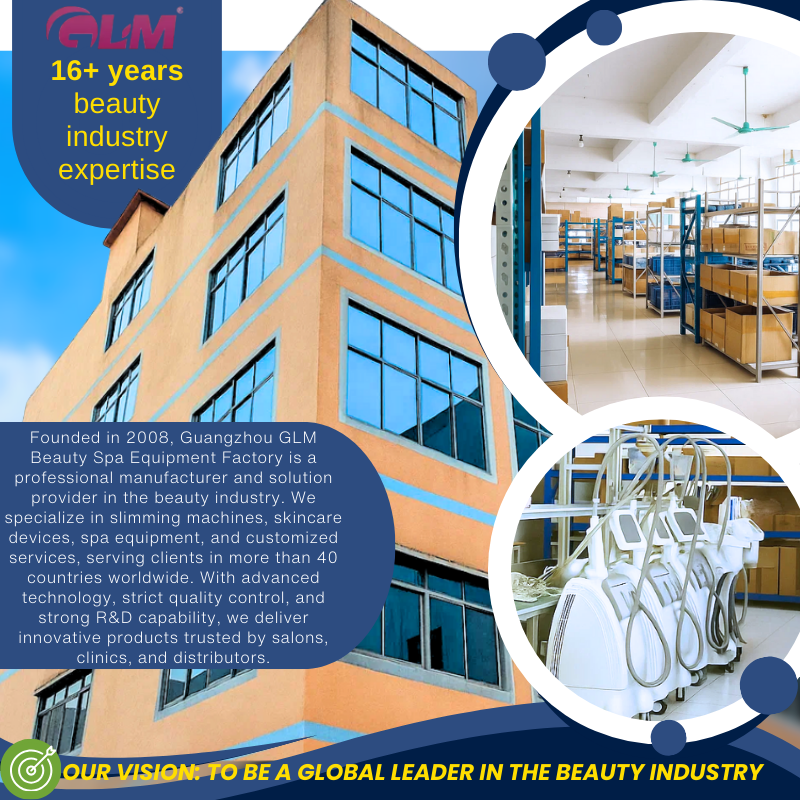
Founded in 2008, Guangzhou GLM Beauty Spa Equipment Factory specializes in research, development, manufacture and selling of beauty and slimming machines. Our production base is located in Guangzhou City, Guangdong Province, China. Since our foundation, we have introduced advanced technologies and equipment, to assure high quality and high performance of our products. With professional marketing guide and excellent after-sales service, our products have been exported to over 20 countries and regions, including Southeast Asia, the Middle East, Europe and the United States, won worldwide praises and gained a good reputation