
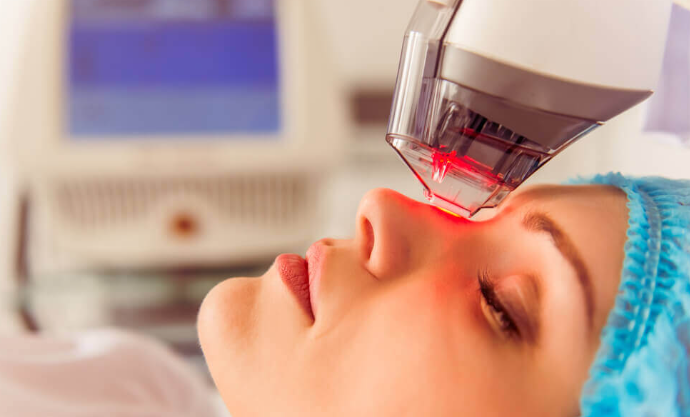
Title: 10 Vital Questions to Ask When Purchasing a Beauty Laser
Get ready to make an informed decision! Discover the 10 key questions you need to ask before buying a beauty laser. Find the perfect laser for your needs. Don't miss out!
Beauty lasers have become increasingly popular for a wide range of cosmetic treatments. Whether you're a salon owner, medical professional, or someone looking to enhance their beauty regimen, it's important to ask the right questions when purchasing a beauty laser. By doing so, you'll ensure that you invest in a reliable and effective device that meets your specific requirements.
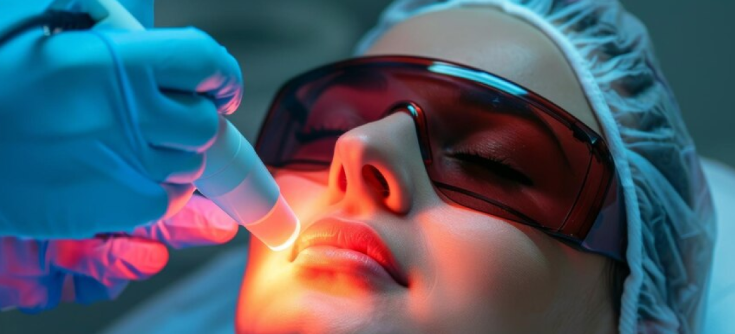
1. What Are the Different Types of Beauty Lasers?
Beauty lasers are sophisticated devices that utilize laser technology for various aesthetic treatments. The market offers a diverse range of beauty lasers, each designed for specific purposes. Here are some common types:
-
Ablative Lasers: These lasers remove the outer layers of skin to promote collagen growth and reduce fine lines, wrinkles, scars, and acne. Fractional ablative lasers treat only a fraction of the skin at a time, minimizing downtime and discomfort.
-
Non-Ablative Lasers: Unlike ablative lasers, non-ablative lasers do not remove skin tissue. Instead, they heat the dermis (the middle layer of skin) to stimulate collagen production, improving skin texture and tightness.
-
Pigmented Lesion Lasers: Targeted at removing pigmented lesions such as freckles, age spots, and melasma, these lasers use specific wavelengths to break down melanin without harming surrounding skin.
-
Vascular Lesion Lasers: These lasers treat vascular conditions like rosacea, spider veins, and port-wine stains by targeting hemoglobin in the blood vessels.
-
Hair Removal Lasers: Also known as laser hair reduction, these devices emit light energy that targets the melanin in hair follicles, disabling hair growth over time.
-
Fractional Lasers: Fractional lasers create tiny micro-channels in the skin, allowing for faster healing and less downtime while effectively treating various skin conditions.
-
Radiofrequency (RF) Devices: While not traditional lasers, RF devices use radio waves to heat deep layers of skin, stimulating collagen production and tightening skin.
Understanding these types will help you select a laser tailored to your specific needs and treatment goals.
2. What Treatments Can the Beauty Laser Perform?
Beauty lasers are incredibly versatile, capable of addressing a multitude of skin concerns. Some of the most common treatments include:
-
Skin Resurfacing: Reducing the appearance of wrinkles, scars, and sun damage by removing damaged skin cells and promoting new cell growth.
-
Pigment Reduction: Treating hyperpigmentation, freckles, and melasma by targeting melanin-producing cells.
-
Vascular Lesion Removal: Improving the appearance of redness, rosacea, and spider veins by targeting blood vessels.
-
Hair Removal: Reducing unwanted hair on various body parts through laser hair reduction treatments.
-
Skin Tightening: Enhancing skin elasticity and firmness, especially in areas like the face, neck, and abdomen.
-
Tattoo Removal: Removing unwanted tattoos by breaking down the ink particles into smaller fragments that can be absorbed and eliminated by the body.
-
Acne Treatment: Reducing acne scars and inflammation by targeting the sebaceous glands and bacteria responsible for acne.
The list of potential treatments is extensive, making beauty lasers a powerful tool in aesthetic dermatology.
3. Is the Beauty Laser FDA Approved?
The Food and Drug Administration (FDA) approval is crucial when considering a beauty laser. FDA approval signifies that the device has undergone rigorous testing to ensure its safety and effectiveness. It means the laser meets specific performance standards and has demonstrated a reasonable assurance of safety and effectiveness for its intended use.
Choosing an FDA-approved laser ensures that you are investing in a device that has been vetted by a reputable regulatory body, reducing the risk of adverse effects and enhancing treatment outcomes.
4. What Are the Safety Features of the Beauty Laser?
Safety is paramount when operating a beauty laser. Key safety features to look for include:
-
Cooling Systems: These systems help protect the skin from heat damage by providing a continuous cooling effect during treatment.
-
Integrated Safety Sensors: These sensors monitor the laser's output and automatically shut down the device if unsafe conditions are detected.
-
Protective Eyewear: Operators and patients should wear protective eyewear to shield their eyes from laser light, which can be damaging to the retina.
-
Skin Sensors: Advanced lasers may come with skin sensors that detect the skin type and adjust the laser settings accordingly to prevent burns or other injuries.
-
Emergency Stop Buttons: Easy-to-access emergency stop buttons allow for immediate cessation of laser activity in case of any unexpected issues.
Understanding and utilizing these safety features will help ensure safe and effective treatments.
5. How Long Has the Manufacturer Been in the Industry?
The experience and reputation of the manufacturer are essential factors to consider. A manufacturer with a long history in the industry is likely to have:
-
Established Track Record: Proven reliability and performance over time.
-
Customer Feedback: A wealth of customer testimonials and reviews, providing insights into the quality and effectiveness of their products.
-
Technical Expertise: Deep knowledge and experience in laser technology, ensuring cutting-edge and safe devices.
-
Robust Support Network: Extensive customer support and after-sales services, making it easier to address any issues that may arise.
Opting for a reputable manufacturer can provide peace of mind and ensure a high-quality investment.
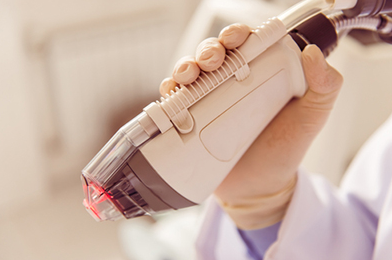
6. What is the Warranty and Post-Purchase Support?
Warranty and post-purchase support are crucial aspects of any purchase, especially when it comes to sophisticated devices like beauty lasers. Key considerations include:
-
Warranty Period: The duration of the warranty, typically ranging from one to several years.
-
Coverage: What the warranty covers, such as parts, labor, and shipping costs for repairs.
-
Repair and Replacement Policy: The manufacturer's policy on repairing or replacing defective devices.
-
Customer Support: Availability of technical support, customer service, and training resources.
-
Spare Parts Availability: Ensuring that essential spare parts are readily available for maintenance and repairs.
A comprehensive warranty and robust post-purchase support can save you time, money, and stress in the long run.
7. What Are the Maintenance Requirements?
Maintaining a beauty laser is essential for its optimal performance and longevity. Regular maintenance includes:
-
Cleaning: Regular cleaning of the laser's optics, handpieces, and other components to prevent dust and debris build-up.
-
Calibration: Periodic calibration to ensure the laser's energy output remains accurate and consistent.
-
Servicing: Scheduled maintenance checks by qualified technicians to detect and address potential issues before they become critical.
-
Consumable Replacement: Replacing consumable items such as filters, mirrors, and lenses as recommended by the manufacturer.
Understanding the maintenance requirements and budgeting for them will help prevent unexpected downtimes and costly repairs.
8. What Training and Certification are Required to Operate the Beauty Laser?
Operating a beauty laser safely and effectively requires specialized training and certification. Key considerations include:
-
Manufacturer Training Programs: Many manufacturers offer comprehensive training programs to ensure operators are proficient in using their devices.
-
Certification Requirements: Industry-recognized certifications, such as those from professional associations or regulatory bodies, demonstrating a high level of competency.
-
Continued Education: Regularly updated training and education programs to stay abreast of new technologies and techniques.
-
Hands-On Experience: Practical experience under the supervision of experienced professionals to develop confidence and skill in laser operations.
Investing in training and certification will not only enhance your proficiency but also ensure compliance with industry regulations and standards.
9. What is the Total Cost of Ownership?
Assessing the total cost of ownership (TCO) is vital when purchasing a beauty laser. TCO includes:
-
Initial Purchase Cost: The price of the laser itself.
-
Maintenance Costs: Regular maintenance, repairs, and replacement of consumables.
-
Training Costs: Costs associated with operator training and certification.
-
Operational Costs: Costs of consumables like protective eyewear, gels, and anesthetics used during treatments.
-
Downtime Costs: Potential loss of revenue due to downtime for maintenance or repairs.
Understanding the TCO will help you budget accurately and make informed financial decisions.
10. Are There Customer Testimonials or Case Studies?
Before finalizing your purchase, seeking customer testimonials and case studies can provide invaluable insights into the device's performance and customer satisfaction. Look for:
-
Customer Reviews: First-hand accounts from customers sharing their experiences with the laser, including treatment outcomes, comfort levels, and overall satisfaction.
-
Case Studies: Detailed reports from clinics or practices showcasing successful treatment outcomes with the laser.
-
Professional Opinions: Reviews from dermatologists, aestheticians, and other healthcare professionals who have used the laser in their practices.
-
Before and After Photos: Visual evidence of treatment results can be particularly compelling.
Taking the time to research and read these testimonials will help you make a more informed decision and gain a better understanding of the laser's real-world performance.
Conclusion:
By asking these 10 vital questions when purchasing a beauty laser, you'll be well-equipped to make a confident and informed decision. Find the perfect beauty laser that meets your specific needs, ensure safety and effectiveness, and maximize the value of your investment. Don't miss out on the opportunity to enhance your cosmetic treatments with the right beauty laser.