
A Comprehensive Guide to Successful Laser Skin Treatment
Laser skin treatments have gained immense popularity in recent years for their ability to address various skin concerns effectively. Whether you're seeking to reduce wrinkles, remove unwanted hair, or minimize acne scars, it's essential to have a comprehensive guide to ensure successful laser skin treatment. In this article, we'll walk you through the necessary steps for a smooth and satisfactory experience.
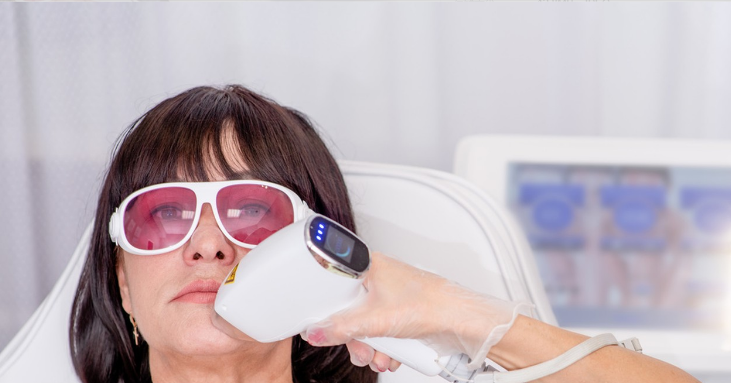
Understanding Laser Skin Treatments
Laser skin treatments have become increasingly popular in recent years, offering individuals a non-invasive way to address a wide range of skin concerns. However, before deciding to undergo such a treatment, it's essential to have a comprehensive understanding of how laser technology works and what it can achieve.
The Basics of Laser Skin Treatments
Laser skin treatments utilize high-intensity light beams, known as lasers, to target specific areas of the skin. These lasers emit energy that is absorbed by the skin cells, triggering various biological responses that can lead to skin rejuvenation.
Types of Lasers Used in Skin Treatments
There are two main types of lasers used in skin treatments: ablative and non-ablative.
- Ablative Lasers: Ablative lasers work by removing the top layers of skin, revealing fresher, smoother skin beneath. This process stimulates the production of collagen, a protein that helps maintain skin elasticity and reduces the appearance of wrinkles and fine lines. Ablative lasers are often used for more severe skin concerns, such as deep wrinkles, acne scars, and sun damage.
- Non-Ablative Lasers: Unlike ablative lasers, non-ablative lasers penetrate the skin without damaging the surface. They work by heating the underlying layers of skin, stimulating collagen production and improving skin tone and texture. Non-ablative lasers are generally gentler than ablative lasers and are often used for milder skin concerns, such as fine lines, enlarged pores, and uneven skin tone.
Who Can Benefit from Laser Skin Treatments?
While laser skin treatments can be highly effective, it's important to note that they may not be suitable for everyone. Several factors can affect your eligibility for treatment, including:
- Skin Type: Laser treatments are most effective on light to medium skin tones. Darker skin tones may be more prone to pigmentation issues or scarring after treatment.
- Medical History: Certain medical conditions, such as autoimmune diseases or skin infections, may make you ineligible for laser treatments.
- Current Medications: Some medications, including those used for acne or psoriasis, may increase your risk of complications after laser treatments.
Consulting with a Dermatologist
Due to the complexity of laser skin treatments and the various factors that can affect their suitability, it's crucial to consult with a qualified dermatologist before undergoing any treatment. A dermatologist will assess your skin condition, type, and medical history to determine the most appropriate laser treatment for your specific needs. They will also provide you with detailed information about the treatment process, expected results, and potential risks and complications.
By understanding the basics of laser skin treatments and consulting with a qualified dermatologist, you can make an informed decision about whether this treatment is right for you

Preparing for Laser Skin Treatment
When it comes to laser skin treatment, thorough preparation is key to achieving successful results. Here are the detailed steps you should follow to ensure you are well-prepared for your treatment:
Step 1: Consultation with a Qualified Dermatologist
The first and most crucial step in preparing for laser skin treatment is to schedule a consultation with a qualified dermatologist. This consultation serves as an opportunity for you to discuss your skin condition, goals, and concerns with an expert. Your dermatologist will assess your skin type, condition, and medical history to determine the most suitable laser treatment method for your needs. They will also explain the procedure in detail, including its benefits, limitations, and potential side effects.
Step 2: Understanding the Procedure and Expected Outcomes
During your consultation, your dermatologist will provide you with detailed information about the laser treatment you are considering. It's essential to understand the procedure thoroughly, including how it works, what it can achieve, and any limitations it may have. This will help you manage your expectations and ensure you have realistic goals for your treatment. Your dermatologist will also discuss potential side effects and risks associated with the procedure so you can make an informed decision.
Step 3: Pre-Treatment Instructions for Optimal Results
Once you have decided to undergo laser skin treatment, your dermatologist will provide you with specific pre-treatment instructions. These instructions are crucial for ensuring you achieve optimal results from your treatment. Typically, pre-treatment instructions include:
- Avoiding excessive sun exposure for several weeks before your treatment. This helps protect your skin from further damage and ensures it is in the best condition for treatment.
- Discontinuing certain skincare products, such as retinoids or exfoliating acids, that may irritate your skin or interfere with the treatment.
- Staying hydrated and following a healthy diet to promote skin health and healing.
Step 4: Managing Expectations and Concerns
It's normal to have concerns or anxieties about laser skin treatments. The thought of undergoing a procedure that involves lasers and targeted skin rejuvenation can be nerve-wracking. However, it's important to remember that laser treatments are performed by qualified dermatologists who are experts in their field.
Discuss any worries or concerns you may have with your dermatologist during your consultation. They will address your questions and provide reassurance to help ease your anxieties. They may also recommend additional steps or strategies to help you prepare for your treatment and ensure you have a positive experience.
Remember, thorough preparation is essential for achieving successful laser skin treatment results. By following these steps, you can ensure you are well-informed, prepared, and ready to take the next step towards achieving your skin goals.
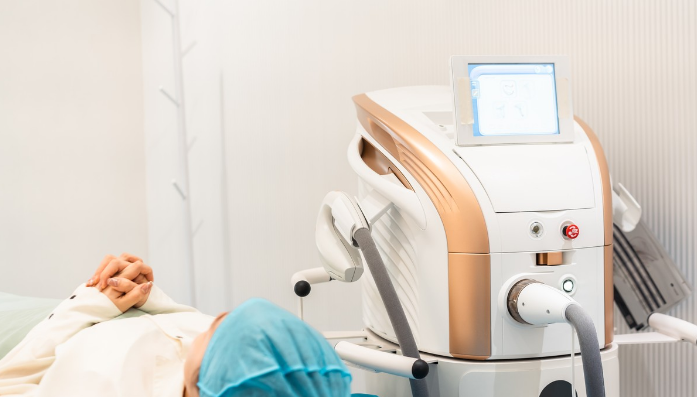
During Laser Skin Treatment
While the laser skin treatment procedure itself is often relatively quick and straightforward, it's important to have a clear understanding of what to expect during the process. Here's a more detailed description of what you can anticipate during your laser skin treatment:
Describing the Procedure Step by Step
Your dermatologist will guide you through the entire laser skin treatment procedure, explaining each step to ensure your comfort and understanding.
- Skin Preparation: Your skin will be thoroughly cleansed to remove any dirt, oil, or makeup. This ensures that the laser can effectively target the desired area.
- Numbing Agent (If Necessary): Depending on the type of laser treatment and your pain tolerance, your dermatologist may apply a numbing agent to the treatment area. This helps minimize discomfort during the procedure.
- Laser Administration: Once your skin is prepared, your dermatologist will carefully administer the laser treatment. They will adjust the laser settings based on your skin type and condition to ensure the most effective results. The laser will emit pulses of light that target specific areas of your skin, stimulating collagen production and improving skin texture.
Sharing Tips for Managing Discomfort During Treatment
Laser skin treatments can cause varying levels of discomfort, depending on the intensity of the laser used and your personal pain tolerance. However, there are some tips and strategies you can use to manage discomfort during the procedure:
- Breathing Exercises: Focus on deep, slow breathing to help relax your body and mind. This can help minimize any anxiety or discomfort you may feel.
- Cooling Methods: Your dermatologist may provide cooling methods, such as a cold air fan or cooling gel, to minimize discomfort during the procedure. These methods help soothe your skin and reduce irritation.
- Topical Creams: Depending on your dermatologist's recommendation, you may be given a topical cream or ointment to apply before or during the treatment. These creams can help numb the skin and minimize discomfort.
Safety Precautions and Measures Taken by Professionals
Laser skin treatments are performed by trained professionals who prioritize safety. Here are some of the safety precautions and measures they take during the procedure:
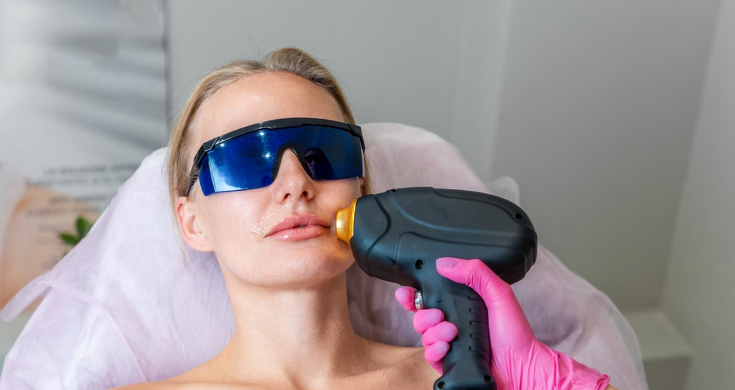
- Protective Eyewear: You will be provided with protective eyewear to wear during the procedure. This ensures that your eyes are protected from the laser light.
- Laser Settings Adjustment: Your dermatologist will adjust the laser settings based on your skin type and condition. This ensures that the laser is administered at the appropriate intensity to achieve the desired results while minimizing risks.
- Monitoring Skin Reaction: Your dermatologist will closely monitor your skin's reaction during the treatment. They will stop the procedure if they notice any adverse reactions or discomfort to ensure your safety.
By understanding the procedure step by step, managing discomfort, and understanding the safety precautions taken by professionals, you can have a more informed and positive experience during your laser skin treatment

Post-Treatment Care
After the laser skin treatment, proper post-treatment care is crucial for successful results and optimal healing. Here's what you need to know:
Importance of post-treatment care and proper healing time: Your dermatologist will provide you with specific guidelines for post-treatment care. It's important to follow these instructions to ensure proper healing and minimize the risk of complications.
Recommended skincare routine after laser treatment: During the healing process, your skin may be more sensitive than usual. Your dermatologist may recommend gentle skincare products and advise against any harsh chemical treatments or exfoliation for a certain period of time.
Common side effects and how to manage them: It's common to experience mild side effects after laser skin treatment, such as redness, swelling, or temporary skin darkening. Your dermatologist will explain how to manage these side effects and when to seek medical attention if needed.
Follow-up appointments and maintenance treatments: Depending on the type of laser treatment and desired results, you may need multiple sessions. Your dermatologist will schedule follow-up appointments to monitor your progress and discuss any need for additional maintenance treatments.
Maximizing Results and Long-term Benefits
While laser skin treatments can provide significant improvements, maximizing the results and long-term benefits relies on various factors:
Lifestyle changes to enhance treatment results: Adopting healthy habits, such as protecting your skin from the sun, staying hydrated, and following a balanced diet, can enhance the effectiveness of laser skin treatments.
Protecting skin from sun damage and maintaining overall skin health: Sun protection is crucial after laser skin treatment. Applying sunscreen daily and avoiding prolonged sun exposure can help maintain the results and prevent new skin damage.
Possible long-term effects of laser skin treatments: Your dermatologist will explain the expected long-term effects of the specific laser treatment you undergo. Understanding the potential outcomes will allow you to manage your expectations and plan accordingly.
Additional treatments to complement and extend results: Some individuals may opt for additional cosmetic treatments, such as chemical peels or microneedling, to complement and extend the results achieved from laser skin treatments. Consult with your dermatologist to explore suitable options.
Choosing a Qualified Professional
The success of your laser skin treatment greatly depends on the expertise of the professional performing the procedure. When selecting a skincare professional:
Consider the following factors:
- Certifications and qualifications: Ensure the professional is certified in performing laser skin treatments and has the necessary qualifications.
- Experience: Prioritize professionals with years of experience in conducting laser treatments.
- Customer reviews and testimonials: Research and read reviews from previous patients to gauge the satisfaction levels and results achieved.
Questions to ask during a consultation:
- What type of laser treatment do you recommend for my specific concern?
- What are the potential risks and side effects of the treatment?
- How many sessions will I need to achieve my desired results?
- What is the expected recovery time after the treatment?
FAQs about Laser Skin Treatments
Addressing common concerns and misconceptions can help alleviate any doubts or hesitations you might have. Here are some frequently asked questions about laser skin treatments:
Q: Are laser skin treatments safe?
A: When performed by qualified professionals, laser skin treatments are generally safe. However, there are minimal risks associated with the treatment, such as temporary redness or swelling.
Q: Are laser skin treatments painful?
A: Laser skin treatments can cause some discomfort, often described as a mild stinging sensation or a rubber band snapping against the skin. However, numbing agents or cooling techniques can be used to minimize any discomfort.
Q: How long do the results of laser skin treatments last?
A: The longevity of results varies depending on the individual, the specific treatment, and the maintenance routine. On average, the results of laser skin treatments can last anywhere from several months to a few years.
Q: Can laser skin treatments remove all skin imperfections?
A: Laser skin treatments can significantly improve various skin concerns, but they may not completely eliminate all imperfections. Your dermatologist will provide a realistic assessment of what can be achieved based on your specific condition.
By addressing these frequently asked questions, you can gain a clearer understanding of laser skin treatments and make informed decisions regarding your own treatment journey.
Conclusion
Achieving successful laser skin treatment involves careful preparation, proper post-treatment care, and the guidance of a qualified professional. By following this comprehensive guide, you can navigate the laser skin treatment process with confidence. Remember to consult with a dermatologist to ensure your treatment plan is personalized and tailored to your specific needs. With the right approach, laser skin treatments can help you achieve the smooth, rejuvenated skin you desire.