Introduction
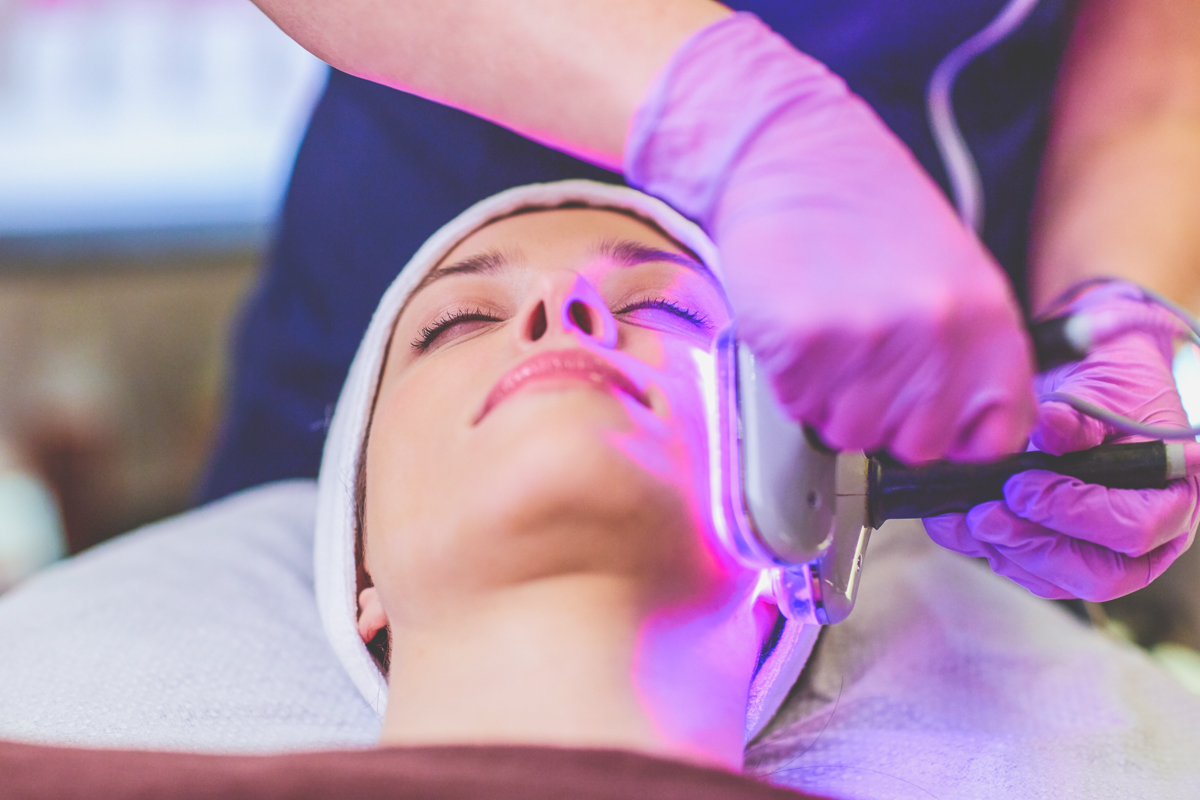
Laser skin treatments have become one of the most trusted and widely used non-invasive methods for improving skin texture, tone, and overall health. From pigmentation to acne scars, wrinkles, redness, dullness, and enlarged pores, laser therapy offers targeted solutions based on precise wavelengths and advanced energy delivery. With the continuous development of aesthetic technology, modern laser devices are safer, smarter, and more effective than ever, making them essential tools for clinics aiming to provide reliable, visible skin improvements.
Achieving a successful laser skin treatment, however, requires more than simply using a machine. Proper assessment, the right settings, client education, and post-care routines all play critical roles in delivering optimal results. This guide explores everything needed for a successful laser treatment—from understanding how lasers work to choosing the right device and ensuring clients receive the expected benefits.
Understanding How Laser Skin Treatments Work
Lasers operate based on selective photothermolysis—a process in which specific wavelengths target chromophores such as melanin, hemoglobin, or water in the skin. Different laser types are designed to address different concerns.
1. Pigmentation & Dark Spots (532nm / 755nm / 1064nm)
Q-switched or pico-lasers break melanin into fine particles, allowing the body to gradually eliminate excess pigment.
2. Wrinkles & Skin Texture (Fractional CO₂ / Er:YAG / 1550nm)
Fractional lasers create microthermal zones that trigger collagen remodeling, improving fine lines, pores, and scars.
3. Redness & Vascular Issues (595nm / 1064nm)
Vascular lasers heat hemoglobin to reduce redness, rosacea, and broken capillaries.
4. Rejuvenation & Glow (Low-energy 1064nm / IPL / LED-enhanced)
These treatments stimulate collagen, even out tone, and enhance radiance without downtime.
Understanding which wavelength and technology to use is the foundation of a successful laser treatment plan.
Why Proper Skin Assessment Matters
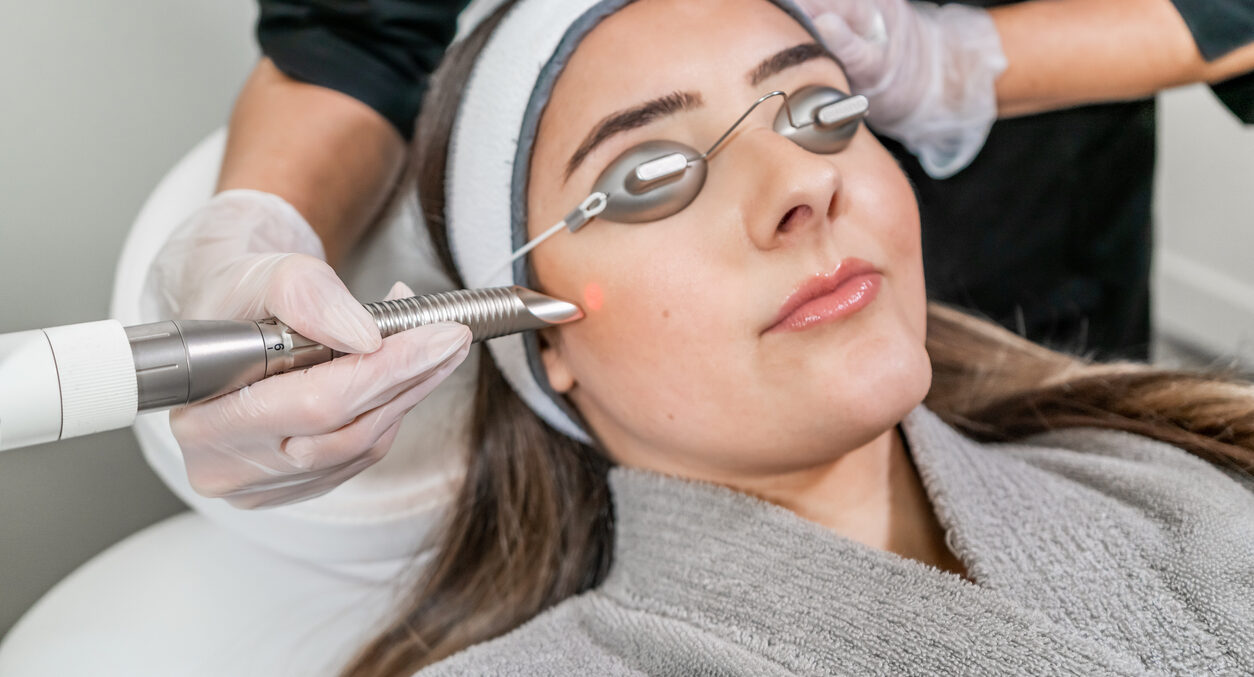
A key factor in treatment success is determining the client’s skin type, concerns, and biological response patterns. Advanced AI skin analyzers, high-resolution imaging, and UV detection now help clinics:
-
Identify hidden pigmentation
-
Detect dehydration or barrier damage
-
Analyze collagen density
-
Evaluate redness and inflammation
-
Visualize pore size and texture issues
This ensures the chosen laser parameters match the client’s actual needs, improving safety and outcomes.
How to Prepare for a Laser Treatment
Preparation influences how the skin responds to laser energy.
1. Avoid Sun Exposure (2–4 Weeks Before Treatment)
Tanned or sunburned skin increases the risk of PIH (post-inflammatory hyperpigmentation).
2. Stop Retinoids 3–5 Days Before
Retinoids thin the stratum corneum, making the skin more reactive.
3. Hydrate and Strengthen the Skin Barrier
Healthy skin tolerates laser heat better and heals faster.
4. Inform the Practitioner About Medications
Some medications increase photosensitivity.
5. Use a Pre-Treatment Protocol If Needed
For deeper pigmentation or sensitive skin, clinics often recommend pigment stabilizers or anti-inflammatory routines before treatment.
Proper preparation ensures treatments are safe and comfortable.
How Professionals Ensure a Safe and Effective Laser Session
1. Choosing the Correct Wavelength & Fluence
Each skin concern requires specific settings.
For example:
-
Melanin: 532nm, 755nm
-
Redness: 595nm, 1064nm
-
Texture: Fractional CO₂
2. Energy Calibration and Pulse Duration
Modern laser devices include built-in energy stabilizers and real-time monitoring to deliver consistent output, reducing risks and boosting results.
3. Cooling Systems
Advanced cooling systems protect the epidermis and ensure client comfort during the procedure.
4. Professional Techniques
Clinicians adjust:
-
Spot size
-
Overlap percentage
-
Pass count
-
Pulse width
-
Treatment intervals
These choices significantly influence treatment outcomes.
5. Multiple-Session Planning
Laser rejuvenation is typically performed in a series to ensure long-lasting improvement and minimal trauma.
Post-Treatment Care: Critical for Long-Lasting Results
Even the most advanced laser will not perform well without proper post-care.
1. Sun Protection Is Non-Negotiable
SPF prevents pigmentation rebound and supports healing.
2. Cooling & Hydration
Hydrating masks or hyaluronic acid serums reduce inflammation.
3. Avoid Heat, Sweating, and Exfoliation
These increase irritation and prolong redness.
4. Follow the Clinic’s Routine
A tailored routine supports collagen regeneration and reduces downtime.
5. Avoid Harsh Products
Acids, retinol, and scrubs should be paused until the skin fully recovers.
Clients who follow instructions experience faster healing, smoother texture, and longer-lasting results.
Why Professional Laser Devices Make the Biggest Difference
A successful laser treatment relies heavily on the quality of the machine. High-end devices offer:
• Stable and Consistent Energy Output
Ensures predictable results and reduces risks.
• Multiple Wavelengths in One System
Allows clinics to address pigmentation, redness, wrinkles, and rejuvenation with a single machine.
• Smarter Cooling Technology
Minimizes discomfort and protects the skin barrier.
• AI-Assisted Treatment Modes
Improves accuracy and reduces user error.
• Faster Treatment Time and Stronger Results
This makes the devices ideal for high-volume clinics.
Our professional-grade laser systems are designed with advanced safety features, upgraded heat management, and precise wavelength control—making them highly suitable for clinics offering premium skin rejuvenation services.
Meeting Client Expectations Through Proper Communication
Successful treatments also depend on educating clients about:
Realistic expectations:
Laser results build gradually as collagen regenerates.
The need for multiple sessions:
A single treatment cannot correct long-term damage.
Combination therapies:
RF, Microneedling, IPL, and LED therapy often enhance results.
Long-term maintenance:
Skincare and lifestyle choices influence how long results last.
Transparent communication increases client satisfaction and repeat business.
Conclusion
A successful laser skin treatment requires proper assessment, the right technology, expert technique, and consistent aftercare. Modern laser devices make it possible to target pigmentation, wrinkles, redness, and scarring with high precision and minimal downtime. By combining advanced technologies with professional guidance and personalized treatment plans, clinics can deliver safe, visible, and long-lasting skin improvement for every client.
For aesthetic centers, investing in high-quality laser machines ensures not only superior results but also increased client trust and higher service value.
Founded in 2008, Guangzhou GLM Beauty Spa Equipment Factory specializes in research, development, manufacture and selling of beauty and slimming machines. Our production base is located in Guangzhou City, Guangdong Province, China. Since our foundation, we have introduced advanced technologies and equipment, to assure high quality and high performance of our products. With professional marketing guide and excellent after-sales service, our products have been exported to over 20 countries and regions, including Southeast Asia, the Middle East, Europe and the United States, won worldwide praises and gained a good reputation.