Introduction
The world of medicine and aesthetics is experiencing a remarkable transformation. For decades, laser technology has been associated primarily with heat-based treatments designed to remove, destroy, or remodel tissue. While thermal lasers have achieved impressive results in skin resurfacing, hair removal, and surgical procedures, modern practitioners are increasingly exploring a different approach—one that harnesses the power of light without relying on significant heat generation.
This emerging category, known as non-thermal laser technology, is opening new possibilities in both medical and aesthetic applications. Instead of damaging tissue to stimulate repair, non-thermal lasers work at the cellular level, encouraging biological processes that promote healing, regeneration, and recovery.
From accelerating wound healing to reducing inflammation, improving skin quality, and supporting post-treatment recovery, non-thermal lasers are becoming valuable tools in professional clinics, aesthetic centers, and medical spas worldwide.
As patient demand shifts toward safer, gentler, and more comfortable procedures, non-thermal laser systems are helping practitioners deliver effective results with minimal downtime and improved treatment experiences.
Background / Problem
Modern patients are looking for treatments that provide visible improvements without the discomfort, prolonged recovery periods, or risks traditionally associated with aggressive procedures.
Many conventional aesthetic treatments rely on thermal energy to achieve results. While effective, these treatments can sometimes cause:
- Temporary redness and swelling
- Post-inflammatory hyperpigmentation
- Extended downtime
- Increased sensitivity
- Patient discomfort during recovery
In medical settings, similar challenges exist. Patients recovering from surgery, injuries, or chronic inflammatory conditions often require therapies that support healing without introducing additional trauma to the tissue.
This growing demand has encouraged researchers and device manufacturers to investigate technologies capable of stimulating natural healing mechanisms without causing thermal damage.
The result is a new generation of non-thermal laser systems designed to interact with cells in a more biologically supportive manner.
For professional aesthetic clinics and medical practices, this represents an opportunity to offer treatments that align with today's preference for minimally invasive care while maintaining high standards of efficacy and safety.
Technology / Mechanism
What Are Non-Thermal Lasers?
Non-thermal lasers, often associated with Low-Level Laser Therapy (LLLT) or Photobiomodulation (PBM), utilize specific wavelengths of light to influence cellular activity without raising tissue temperature to destructive levels.
Unlike ablative or high-energy lasers that intentionally create controlled injury, non-thermal lasers focus on stimulating biological responses within cells.
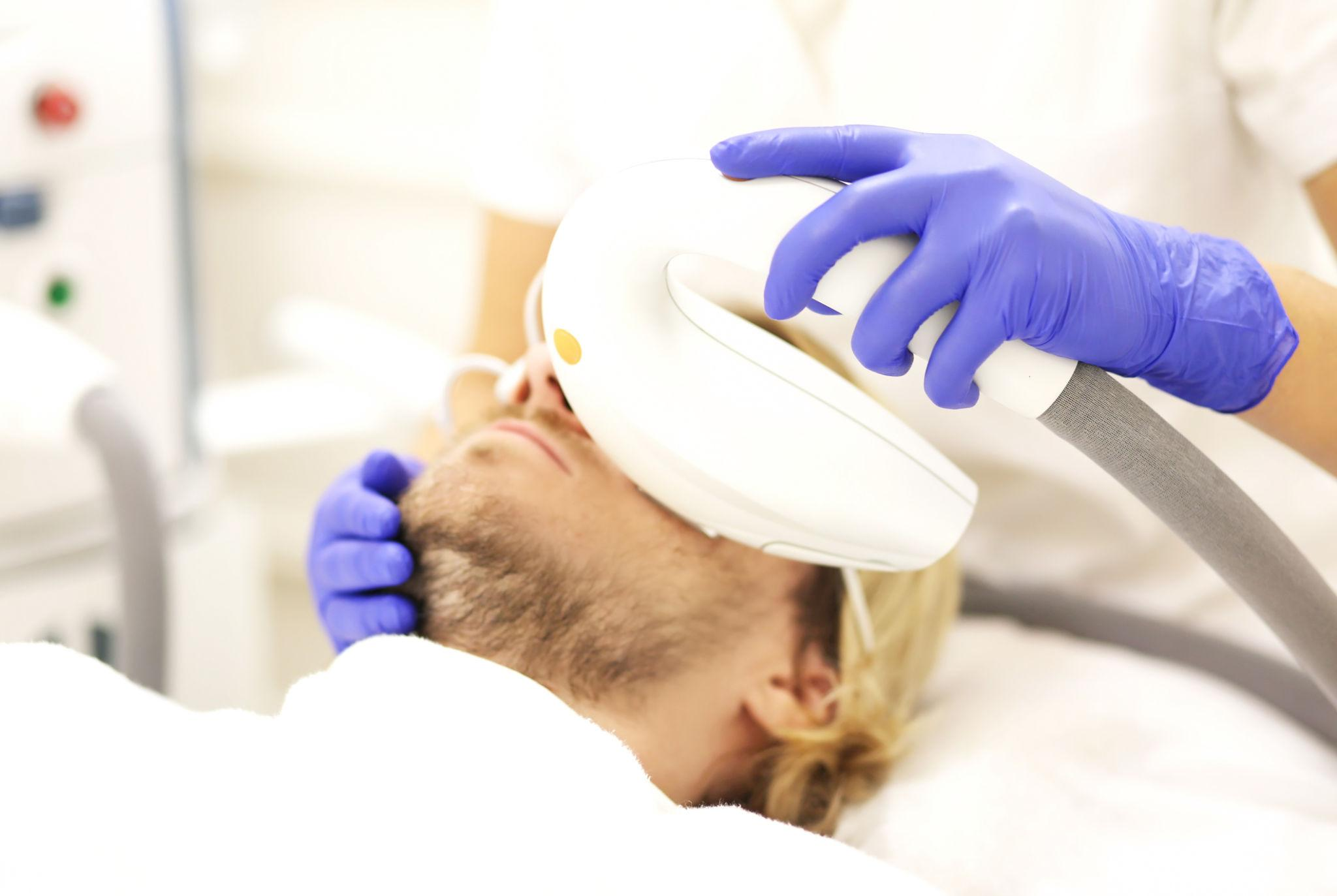
The treatment process is painless, non-invasive, and generally requires little to no recovery time.
How Light Influences Cells
At the cellular level, specialized molecules called chromophores absorb laser energy.
One of the most important targets is the mitochondria, often referred to as the "powerhouse" of the cell.
When exposed to carefully selected wavelengths, mitochondrial activity may increase, leading to:
- Enhanced ATP production (cellular energy)
- Improved cellular metabolism
- Increased protein synthesis
- Better tissue repair processes
- Reduced oxidative stress
- Improved microcirculation
This process helps optimize the body's natural healing mechanisms rather than forcing change through thermal injury.
Common Wavelengths Used
Different wavelengths penetrate tissue at varying depths and produce different biological effects.
Green Laser (Around 532nm)
Green laser technology is gaining attention for applications involving superficial tissues and vascular-related concerns.
Potential benefits include:
- Improved skin appearance
- Support for pigmentation management
- Enhanced treatment precision
- Reduced surrounding tissue impact
Violet Laser (Around 405nm)
Violet laser wavelengths have shown promise in applications involving:
- Surface skin rejuvenation
- Acne-related treatments
- Antimicrobial effects
- Cellular stimulation
Red and Near-Infrared Lasers
These remain among the most widely studied wavelengths for photobiomodulation.
Applications include:
- Tissue regeneration
- Inflammation reduction
- Wound healing support
- Pain management
- Post-procedure recovery
The combination of multiple wavelengths is becoming increasingly common in advanced professional systems, allowing practitioners to target multiple treatment goals simultaneously.
Advantages / Comparison
Non-Thermal Lasers vs Traditional Thermal Lasers
While both technologies have important roles in aesthetic medicine, their mechanisms and patient experiences differ significantly.
| Feature | Non-Thermal Lasers | Thermal Lasers |
|---|---|---|
| Primary Action | Cellular stimulation | Controlled tissue heating |
| Tissue Damage | Minimal | Intentional |
| Downtime | Little to none | Variable |
| Comfort Level | High | Moderate |
| Recovery Speed | Fast | Longer |
| Repeat Treatments | Frequently possible | Often limited by recovery |
Thermal lasers remain excellent choices for resurfacing and aggressive corrective procedures. However, non-thermal lasers offer a complementary solution for patients seeking gradual improvements with minimal disruption to daily life.
Improved Patient Satisfaction
Modern consumers increasingly prioritize:
- Comfort
- Safety
- Convenience
- Natural-looking outcomes
Non-thermal laser treatments align closely with these expectations.
Patients often appreciate the ability to return immediately to work, social activities, and normal routines.
This convenience has become a major competitive advantage for aesthetic clinics.
Synergy With Other Technologies
One of the greatest strengths of non-thermal laser systems is their compatibility with other professional treatments.
They can often be incorporated into protocols involving:
- RF skin tightening
- Microneedling
- HIFU procedures
- Facial rejuvenation treatments
- LED therapy
- Post-laser recovery programs
By supporting tissue recovery and reducing inflammation, non-thermal lasers may enhance overall treatment outcomes.
Applications / Client Needs
Skin Rejuvenation
Aging skin experiences reduced collagen production, slower cellular turnover, and decreased regenerative capacity.
Non-thermal laser treatments can help support:
- Improved skin texture
- Enhanced radiance
- Smoother appearance
- Healthier-looking skin
These benefits make the technology attractive for anti-aging programs offered by professional clinics.
Acne and Problematic Skin
Inflammatory skin conditions remain among the most common concerns in aesthetic practice.
Specific wavelengths may assist by:
- Supporting antimicrobial activity
- Reducing inflammation
- Encouraging tissue repair
- Improving treatment recovery
This makes non-thermal laser therapy a valuable complement to comprehensive acne-management protocols.
Post-Procedure Recovery
Following treatments such as microneedling, radio frequency therapy, or energy-based skin rejuvenation, patients often experience temporary inflammation.
Non-thermal laser systems can be integrated into recovery protocols to support:
- Faster healing
- Reduced redness
- Enhanced comfort
- Improved patient satisfaction
For clinics, this creates additional opportunities to deliver premium treatment experiences.
Scar Management
Scar remodeling remains a challenging area in both medical and aesthetic fields.
Photobiomodulation-based treatments may help improve tissue quality by supporting cellular regeneration and collagen organization.
While results vary depending on scar type and patient factors, non-thermal lasers are increasingly being incorporated into scar-management programs.
Wellness and Regenerative Aesthetics
The future of aesthetic medicine is moving beyond simple correction toward long-term tissue health.
Non-thermal laser technology aligns perfectly with this trend.
Instead of focusing solely on visible symptoms, practitioners can support the biological processes that contribute to healthier skin and improved tissue function.
This regenerative approach is becoming increasingly attractive to modern patients seeking sustainable, natural-looking results.
Conclusion
Non-thermal laser technology represents an important evolution in both medicine and aesthetic care. By leveraging the biological effects of light rather than relying on thermal injury, these systems offer a gentler pathway to healing, regeneration, and rejuvenation.
As scientific understanding of photobiomodulation continues to expand, professional clinics and aesthetic practices are discovering new opportunities to improve treatment outcomes, enhance patient comfort, and address a wider range of concerns.
For practitioners seeking innovative solutions that align with the growing demand for non-invasive and regenerative treatments, non-thermal laser systems are becoming an increasingly valuable addition to modern treatment portfolios.
The future of aesthetic medicine may not simply be about removing imperfections—it may be about empowering the body's own ability to heal, regenerate, and thrive through the precise application of light
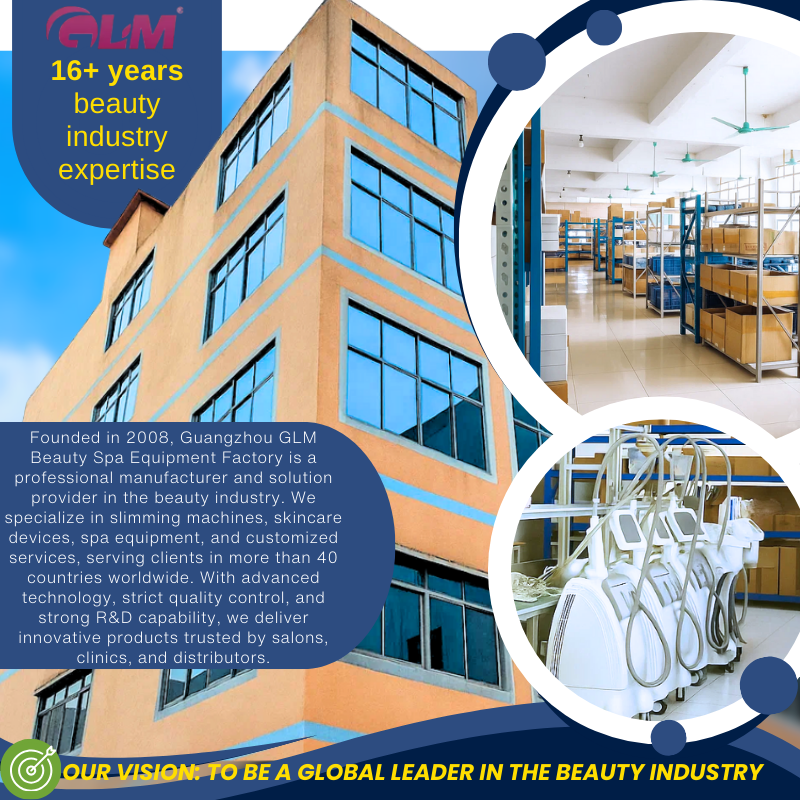
Founded in 2008, Guangzhou GLM Beauty Spa Equipment Factory specializes in research, development, manufacture and selling of beauty and slimming machines. Our production base is located in Guangzhou City, Guangdong Province, China. Since our foundation, we have introduced advanced technologies and equipment, to assure high quality and high performance of our products. With professional marketing guide and excellent after-sales service, our products have been exported to over 20 countries and regions, including Southeast Asia, the Middle East, Europe and the United States, won worldwide praises and gained a good reputation