Introduction
Aging is a natural process, but that does not mean skin has to lose its healthy, refreshed appearance. Fine lines, uneven texture, pigmentation, dryness, reduced elasticity, and mild skin laxity can gradually change the way the face looks. For many clients, the goal is not to look dramatically different—it is to maintain a naturally youthful, healthy, and well-rested appearance.
This shift in expectations is influencing the professional aesthetics industry. Clients increasingly want treatments that enhance the quality of their skin while preserving natural facial characteristics. Instead of relying on a single “anti-aging” solution, modern aesthetic practices are combining professional skincare, energy-based technologies, and customized treatment protocols.
For beauty salons, aesthetic clinics, and professional operators, this creates an opportunity to offer more than conventional facials. Technologies such as radiofrequency (RF), ultrasound, LED phototherapy, microcurrent, and advanced exfoliation systems can become valuable parts of a comprehensive skin rejuvenation program.
The key is understanding what aging skin actually needs—and selecting the right technology for the right concern.
Background: Why Does Skin Look Older?
Skin aging is influenced by both intrinsic aging and external factors. As people get older, collagen and elastin production gradually changes, skin cell turnover becomes slower, and the skin may lose some of its ability to retain moisture. These changes can contribute to fine lines, rougher texture, reduced firmness, and a less radiant complexion.
External factors can accelerate this process. Among them, cumulative ultraviolet exposure is particularly important. The American Academy of Dermatology notes that repeated UV exposure contributes to photoaging, which may appear as wrinkles, age spots, uneven complexion, and loose skin. Daily broad-spectrum sun protection is therefore an important foundation of any long-term anti-aging strategy.
Lifestyle and skincare habits also matter. Insufficient hydration, smoking, poor sleep, chronic stress, and overly aggressive skincare can affect the appearance and comfort of aging skin.
This is why effective skin rejuvenation should not be viewed as simply “removing wrinkles.” A professional approach considers several dimensions of skin quality:
- Skin firmness and elasticity
- Fine lines and wrinkles
- Uneven skin texture
- Dryness and dehydration
- Dullness and reduced radiance
- Uneven pigmentation
- Mild facial laxity
- Overall skin comfort and barrier condition
A customized treatment plan can then address the client's primary concerns without over-treating the skin.
Technology & Mechanism: How Professional Beauty Devices Support Skin Rejuvenation
Professional aesthetic devices work through different physical mechanisms. Choosing the appropriate technology allows practitioners to target specific skin concerns while creating a more structured treatment experience.
1. Radiofrequency for Firmness and Skin Tightening
Radiofrequency is one of the most widely recognized technologies in professional skin rejuvenation. RF devices deliver electromagnetic energy into the treatment area, producing controlled thermal effects within the skin.
The objective is not simply to “heat the face.” Professional RF systems are designed to deliver controlled energy through specialized applicators, allowing operators to work systematically across areas such as the cheeks, jawline, forehead, and neck.
Controlled thermal stimulation can support dermal remodeling and improve the appearance of skin firmness over a treatment course. The American Academy of Dermatology lists non-invasive radiofrequency among professional options used to address loose skin and signs of aging.
For aesthetic clinics, RF is particularly useful when clients are concerned about:
- Early skin laxity
- Loss of facial definition
- Fine lines
- Reduced skin firmness
- A tired or less toned appearance
Professional RF platforms also offer an advantage in treatment consistency. Adjustable parameters, dedicated handpieces, and professional operating protocols allow practitioners to customize treatment according to the client’s skin condition and treatment area.
2. Ultrasound for Facial Contouring and Lifting
Ultrasound-based technologies use acoustic energy rather than electromagnetic energy. Depending on the device and treatment configuration, ultrasound can be used for facial tightening, contouring, and other aesthetic applications.
High-intensity focused ultrasound (HIFU), for example, concentrates ultrasound energy at selected depths to create controlled thermal effects. Current literature identifies ultrasound-based technologies, including HIFU, as established approaches for skin tightening and facial contouring.
This makes ultrasound particularly relevant for clients who describe their concern as “loss of contour” rather than simply wrinkles.
Professional operators can use treatment planning to focus on areas such as the lower face, jawline, and selected facial zones. The objective is a more defined and refreshed appearance rather than an artificial change in facial structure.
3. LED Phototherapy for Skin Wellness and Recovery
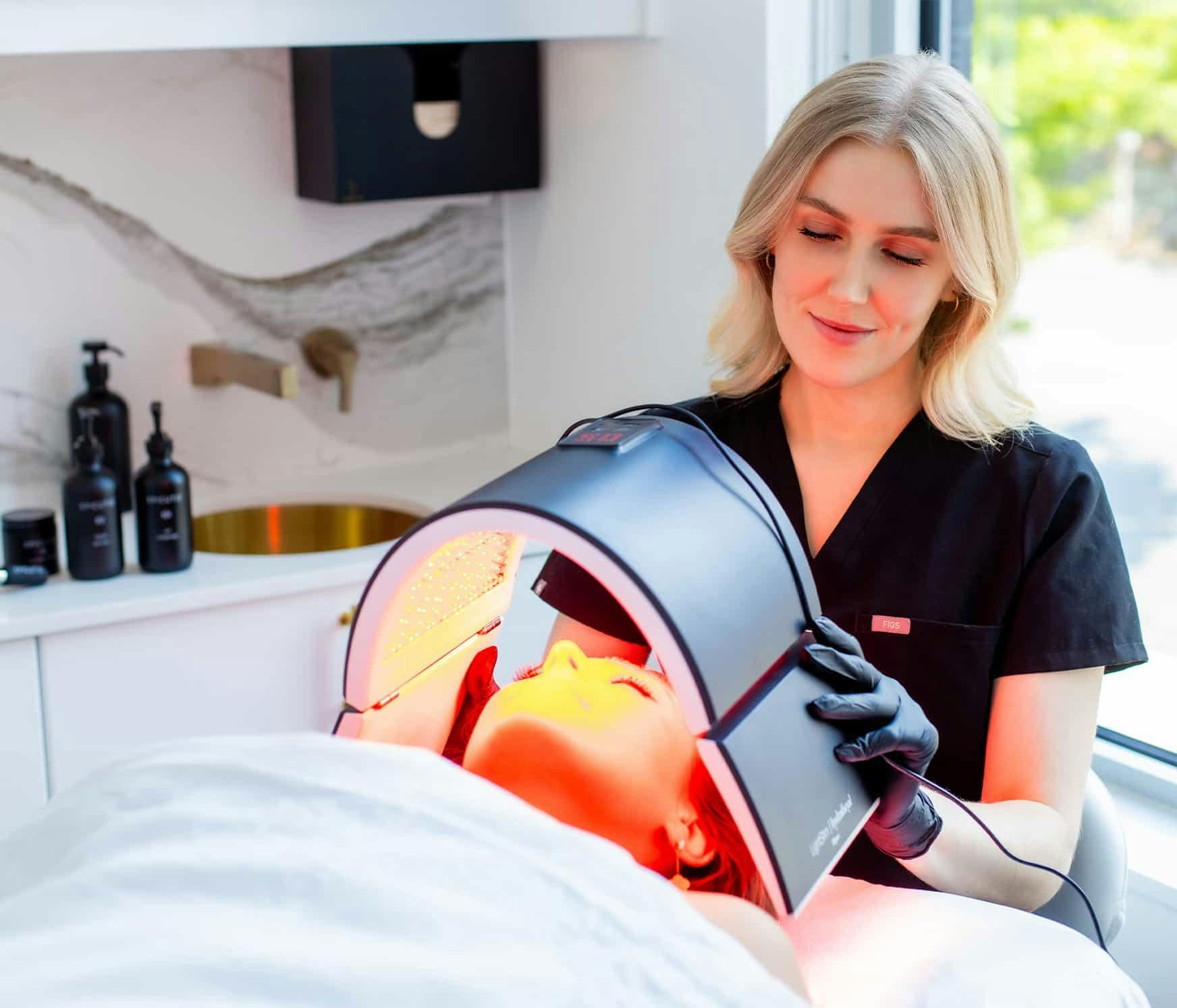
LED phototherapy uses specific wavelengths of light to interact with the skin without relying on aggressive resurfacing or significant thermal damage.
In professional settings, LED systems are often incorporated into facial protocols as a standalone treatment or as part of a broader skincare program. Depending on the wavelength and device design, different LED settings may be selected for different aesthetic goals.
For clients who prefer gentle, non-invasive treatments, LED can be an attractive option. It can also fit conveniently into a multi-step facial experience, making it useful for clinics that want to create customized treatment packages.
4. Microcurrent and Electrical Stimulation
Microcurrent technologies use low-level electrical currents designed for aesthetic applications. Professional systems may be used to support the appearance of facial tone and definition.
These technologies are particularly suitable for clients who want a gentle treatment experience with little or no downtime. They can also be incorporated into facial protocols where the practitioner wants to combine skin conditioning with a temporary refreshed or toned appearance.
The value of microcurrent is often greatest when it is integrated into a broader treatment strategy rather than marketed as a replacement for every other anti-aging technology.
5. Exfoliation and Skin Renewal Technologies
Before considering advanced energy-based treatments, the condition of the skin surface should not be overlooked.
Professional exfoliation technologies—including microdermabrasion and other controlled resurfacing methods—can help improve the appearance of uneven texture and dullness. The AAD lists microdermabrasion, chemical peels, laser treatments, ultrasound, and non-invasive RF among professional approaches that may be selected according to specific signs of photoaging.
A smoother skin surface can also make a rejuvenation program look more complete because clients often notice improvements in brightness and texture before they notice deeper changes in firmness.
Advantages & Comparison: Why Professional Treatments Matter
Home skincare remains an important part of maintaining youthful-looking skin. Sunscreen, moisturizer, and appropriately selected active ingredients form the foundation of daily skin maintenance. Dermatologists specifically recommend broad-spectrum SPF 30 or higher and regular moisturizing as fundamental anti-aging measures.
Retinoids and retinol may also help improve skin texture, pigmentation, and fine lines, although they should be introduced appropriately and may not be suitable for everyone.
However, professional aesthetic equipment offers a different level of treatment control.
| Approach | Main Role | Professional Advantage |
|---|---|---|
| Skincare products | Daily maintenance | Convenient and consistent |
| LED therapy | Gentle skin wellness | Professional wavelength and treatment coverage |
| RF | Firmness and skin tightening | Controlled energy delivery |
| Ultrasound/HIFU | Tightening and contouring | Targeted treatment depths |
| Microcurrent | Facial toning appearance | Adjustable professional protocols |
| Exfoliation systems | Texture and radiance | Controlled professional treatment |
The major difference is not that professional devices replace skincare. Rather, they complement it.
A successful anti-aging program often works on several levels: daily protection and skincare maintain the skin, while professional treatments provide targeted aesthetic intervention.
For clinics and salons, this combination can also improve client retention. Instead of offering a one-time facial, professionals can develop structured treatment journeys based on individual skin concerns.
Applications & Client Needs
Different clients require different approaches. A professional consultation should therefore come before selecting a device or treatment protocol.
Clients With Early Signs of Aging
Clients in their late 20s or 30s may be more concerned about prevention, hydration, dullness, and early fine lines than significant laxity.
For this group, gentle facial treatments, LED, controlled exfoliation, and appropriate skincare education may form the foundation of a maintenance program.
Clients With Fine Lines and Reduced Firmness
For clients noticing visible fine lines and early loss of firmness, RF-based treatments can become an important part of a professional rejuvenation plan.
Rather than promising instant transformation, practitioners can position treatment as part of a progressive skin-conditioning program. This approach creates more realistic expectations and emphasizes long-term skin quality.
Clients Concerned About Jawline Definition
As facial tissues change with age, some clients become particularly concerned about the lower face and jawline.
Depending on the individual's needs and the technology available, professional ultrasound or RF treatments may be considered for facial tightening and contour-focused protocols. The aim is to enhance definition while maintaining natural facial proportions.
Clients With Dull or Uneven Skin
Not every aging concern requires an intensive tightening treatment.
For clients primarily concerned with dullness, uneven texture, or superficial pigmentation, a professional facial combining controlled exfoliation, skincare infusion, and LED may provide a more appropriate experience.
This is where multi-functional aesthetic platforms can be particularly valuable. One professional system may support several treatment stages, allowing a clinic to design customized protocols instead of relying on a single treatment for every client.
Clients Seeking Natural-Looking Results
Perhaps the most important trend in modern aesthetics is the demand for natural-looking results.
Many clients do not want their face to look “done.” They want brighter skin, smoother texture, improved firmness, and a more refreshed appearance.
This makes gradual, customized treatment especially relevant. A practitioner can assess skin condition, select appropriate technologies, adjust treatment intensity, and monitor changes over time.
The professional operator therefore becomes just as important as the machine itself.
Building a Professional Anti-Aging Treatment Program
A well-designed treatment program can follow a simple framework.
Step 1: Skin Assessment
Evaluate visible concerns such as dryness, pigmentation, texture, fine lines, laxity, and overall skin condition.
Step 2: Define the Primary Goal
Determine whether the client’s priority is firmness, contouring, radiance, hydration, texture, or overall skin maintenance.
Step 3: Select the Appropriate Technology
Choose RF, ultrasound, LED, microcurrent, exfoliation, or a combination according to the client's needs and the device's intended use.
Step 4: Customize the Protocol
Professional equipment allows operators to adjust parameters according to treatment areas, client tolerance, and the specific device protocol.
Step 5: Combine With Skincare
Professional treatments should work alongside appropriate home skincare rather than replace it. Daily sun protection remains particularly important because continued UV exposure can undermine efforts to improve photoaged skin.
Step 6: Track Progress
Photographs, treatment records, and regular consultations can help practitioners and clients evaluate changes over time.
Conclusion
Youthful-looking skin is not about stopping the aging process. It is about maintaining skin quality, supporting firmness, improving texture, and preserving a naturally healthy appearance.
Modern aesthetic technology gives beauty salons and clinics more tools to achieve these goals. RF can support firmness and dermal remodeling, ultrasound can contribute to tightening and facial contouring, LED can complement gentle skin-wellness protocols, while microcurrent and professional exfoliation can add further dimensions to a customized treatment program. Current evidence continues to support the role of energy-based technologies as part of modern aesthetic practice, particularly when treatments are selected and delivered appropriately.
The strongest approach is rarely a single machine or a single treatment. It is a professional system that combines consultation, appropriate technology, skilled operation, realistic expectations, and consistent skincare.
For today's beauty businesses, investing in professional aesthetic equipment is therefore not simply about adding another machine to the treatment room. It is about creating more personalized services, expanding treatment possibilities, and helping clients pursue natural-looking, healthy, and refreshed skin at every stage of aging
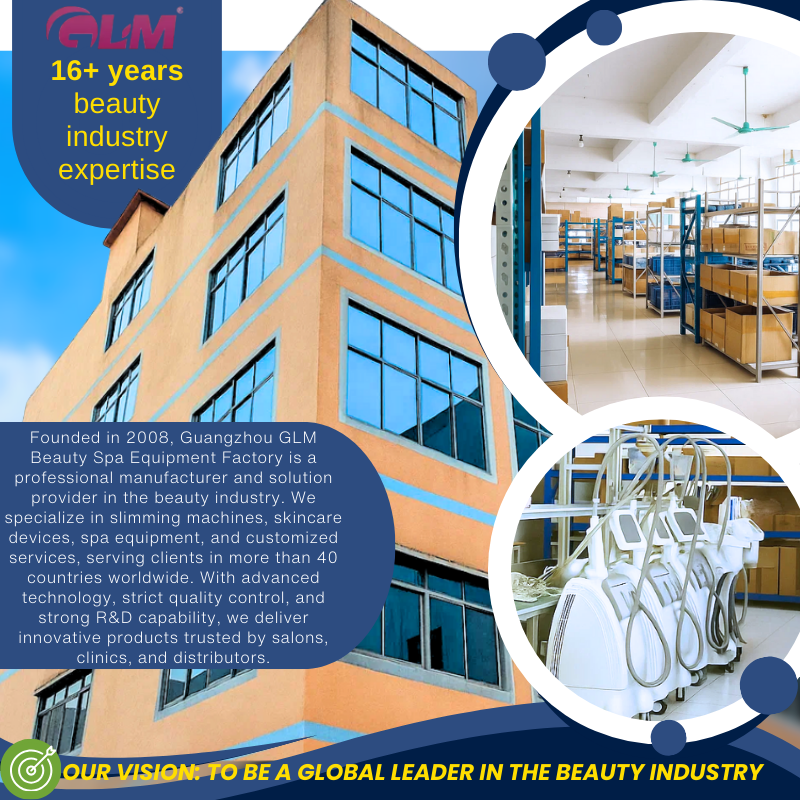
Founded in 2008, Guangzhou GLM Beauty Spa Equipment Factory specializes in research, development, manufacture and selling of beauty and slimming machines. Our production base is located in Guangzhou City, Guangdong Province, China. Since our foundation, we have introduced advanced technologies and equipment, to assure high quality and high performance of our products. With professional marketing guide and excellent after-sales service, our products have been exported to over 20 countries and regions, including Southeast Asia, the Middle East, Europe and the United States, won worldwide praises and gained a good reputation