
Contact our customer service for a maximum 50% discount Contact our customer service for a maximum 50% discount
Contact us

AI Diagnostics Meets Energy Devices: Building a Smart Clinic Ecosystem?

2026年8月2日 GLM Beauty Spa Equipment Factory

Introduction

The aesthetics industry is entering a new era where intelligent decision-making is becoming just as important as advanced treatment technology. While energy-based devices such as radio frequency (RF), High-Intensity Focused Ultrasound (HIFU), diode lasers, IPL, and microneedling RF continue to evolve, another powerful force is reshaping professional clinics—Artificial Intelligence (AI).

Instead of replacing experienced practitioners, AI is increasingly being used to enhance clinical assessments, standardize consultations, and support personalized treatment planning. By combining AI-powered skin diagnostics with professional energy-based devices, aesthetic clinics can create a smarter workflow that improves efficiency, consistency, and client satisfaction.

Today's clients expect more than visible results. They want scientific explanations, personalized recommendations, measurable progress, and confidence that every treatment is designed specifically for their skin condition. AI diagnostics provide objective data, while energy devices deliver targeted treatments. Together, they form the foundation of a modern smart clinic ecosystem.

For manufacturers of professional beauty equipment, this trend represents more than technological innovation. It reflects a broader shift toward integrated solutions that combine imaging, analysis, treatment, and long-term client management into a seamless clinical experience.


Background: Why Traditional Consultations Are No Longer Enough

The modern aesthetics market has become increasingly competitive. New clinics open every year, while existing providers continuously expand their service portfolios with innovative technologies and combination therapies.

However, despite investing in premium treatment devices, many clinics still rely heavily on subjective consultations.

Typical challenges include:

  • Different practitioners may recommend different treatment plans for the same client.
  • Skin concerns are often evaluated through visual observation alone.
  • Clients struggle to understand why a particular procedure is recommended.
  • Treatment progress is difficult to quantify without standardized documentation.
  • Follow-up consultations often rely on memory rather than measurable evidence.

These inconsistencies can affect client confidence, treatment acceptance rates, and long-term loyalty.

At the same time, consumer expectations are changing rapidly.

Today's clients frequently research aesthetic procedures before visiting a clinic. They compare treatment options online, read reviews, and expect consultations that resemble professional medical assessments rather than simple beauty recommendations.

They want answers such as:

  • What is my actual skin age?
  • How severe is my pigmentation?
  • Is collagen loss causing my wrinkles?
  • Which treatment will produce the best improvement?
  • How can I track my progress objectively?

These questions require more than professional experience—they require measurable data.

This is precisely where AI-assisted diagnostics begin to transform the consultation process.


The Technology Behind Smart Clinic Ecosystems

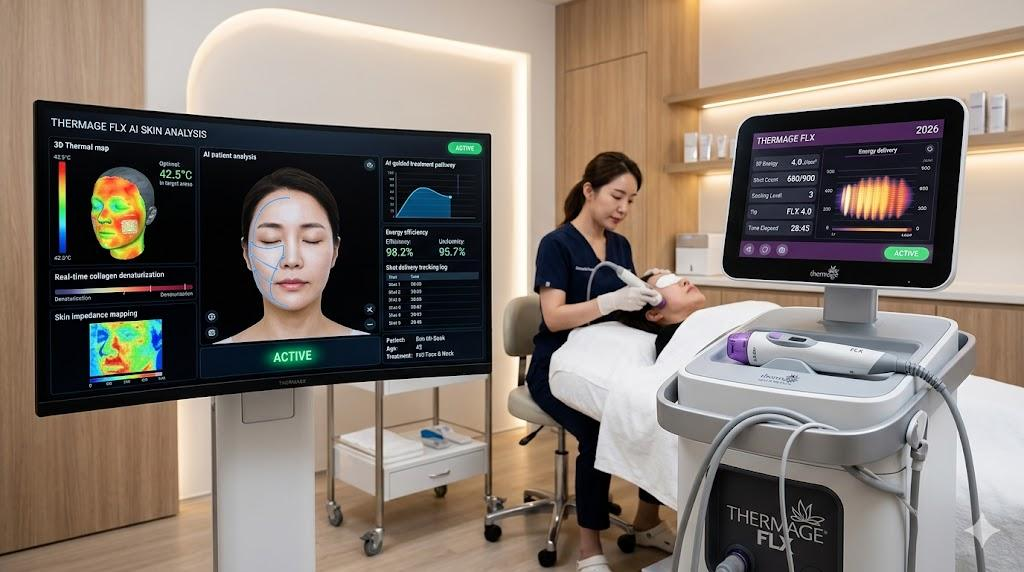
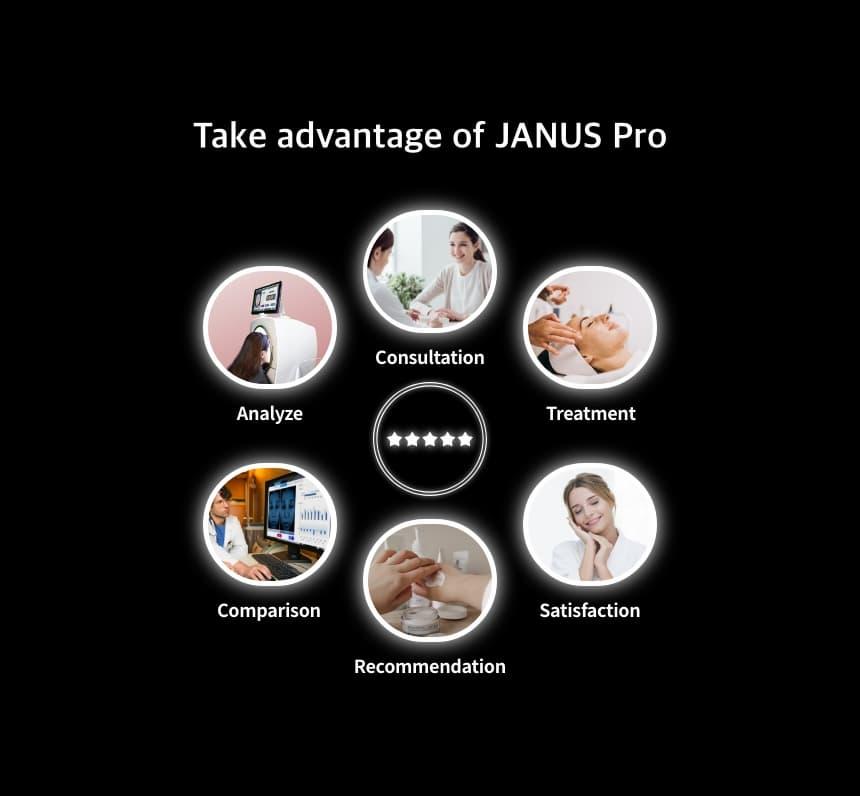
A smart clinic ecosystem does not depend on a single machine. Instead, it connects several technologies into one continuous workflow—from consultation to treatment and long-term follow-up.

The process generally consists of four stages:

1. AI Skin Analysis

Everything starts with accurate skin imaging.

Modern AI diagnostic systems use high-resolution cameras combined with advanced image analysis algorithms to evaluate multiple skin parameters simultaneously.

These systems may analyze:

  • Skin texture
  • Pore size
  • Pigmentation
  • Wrinkle depth
  • Redness
  • Sebum distribution
  • Hydration indicators
  • UV damage
  • Acne severity
  • Skin sensitivity
  • Facial symmetry
  • Aging patterns

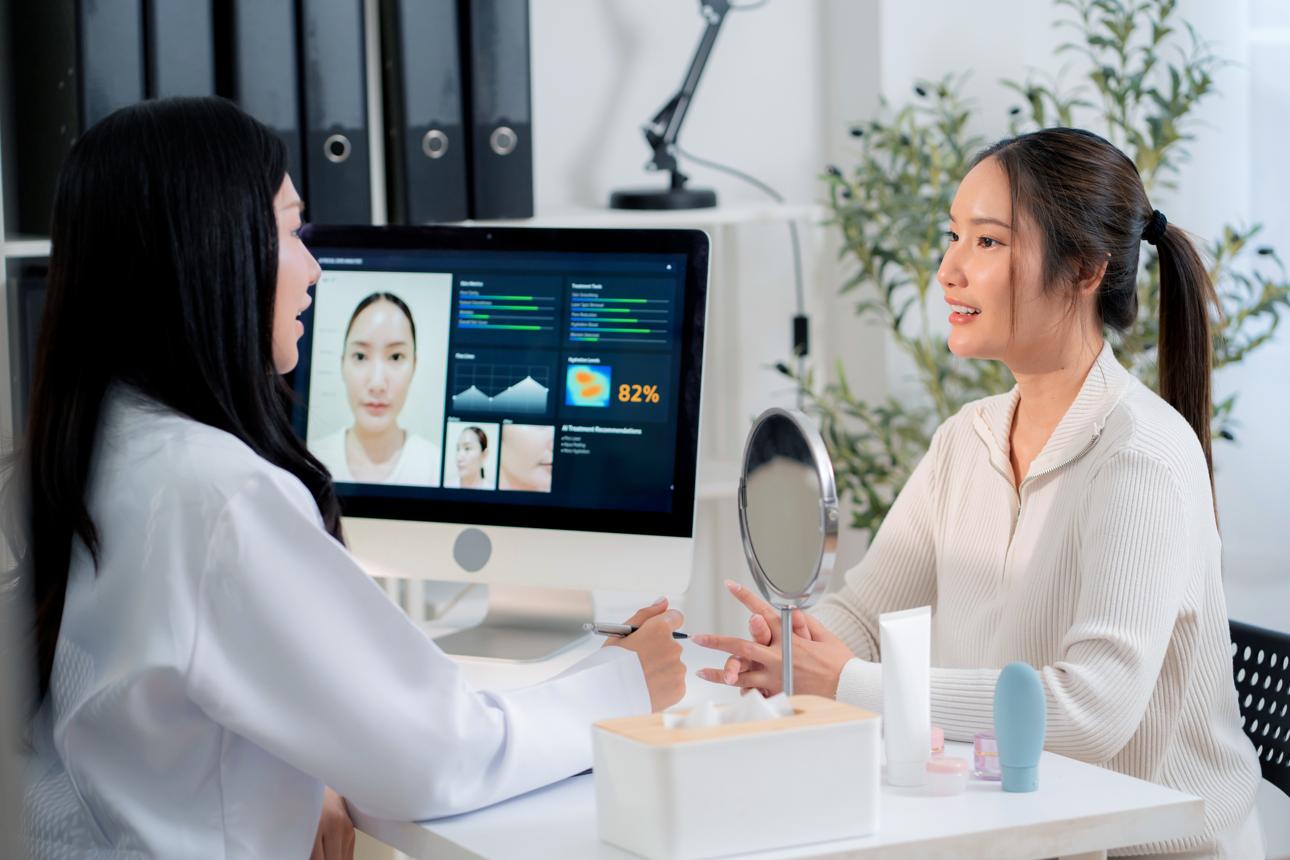
Instead of relying solely on visual inspection, practitioners receive objective reports that help identify underlying concerns that may not yet be visible to the naked eye.

This creates a stronger scientific foundation for treatment planning while also making consultations easier for clients to understand
https://images.openai.com/static-rsc-4/eOZikbl4eSbbGXUqo87SCJQ4BWzNrXPu9jmPmJY76N466doTWW0dMAsyZo0_EktwWRt3c0MS17nQLYy9GG3GpNeMh63p5XgJLRIU4-OU8MEmr6GaJr6q_Rds2S0UDnK25m0zU830pxNxFwQtv5L59j5pT3xT3rfwZQADasXthFCiEkM_ggxAZ2kKbtXslucm?purpose=fullsize

2. Personalized Treatment Planning

Once skin analysis is complete, AI can assist practitioners by organizing clinical information into structured treatment recommendations.

Importantly, AI does not replace professional judgment. Instead, it serves as a decision-support tool that helps practitioners consider multiple factors consistently, such as:

  • Skin type
  • Primary concerns
  • Age-related changes
  • Lifestyle factors
  • Previous treatment history
  • Recovery expectations
  • Seasonal skin conditions

For example, rather than recommending a single procedure, an AI-assisted consultation may suggest a staged treatment protocol.

A client experiencing mild skin laxity, enlarged pores, and uneven skin tone may benefit from a combination approach that includes:

  • RF treatments to stimulate collagen remodeling
  • HIFU sessions for deeper tissue tightening
  • IPL or laser therapy for pigmentation correction
  • Hydro dermabrasion before energy treatments to optimize skin preparation
  • LED therapy during recovery to reduce inflammation

This integrated planning reflects a growing trend in professional aesthetics: combination therapy often delivers more comprehensive outcomes than relying on a single technology alone.

By presenting treatment plans supported by objective skin data, clinics can improve client understanding, increase confidence in recommended procedures, and facilitate more informed treatment decisions
 

3. AI-Guided Treatment Execution

Once a treatment plan has been established, professional energy-based devices become the core tools for delivering clinical results. AI itself does not perform the treatment; instead, it provides data-driven guidance that helps practitioners choose appropriate treatment parameters and maintain greater consistency.

Different energy devices target different tissue depths and clinical concerns. When combined strategically, they create comprehensive treatment protocols tailored to each client.

For example:

Device Primary Function Typical Treatment Goals
HIFU Focused ultrasound energy Skin lifting, SMAS tightening, facial contouring
Radio Frequency (RF) Controlled dermal heating Collagen stimulation, wrinkle reduction, skin tightening
Microneedling RF Fractional thermal stimulation Acne scars, enlarged pores, skin texture improvement
IPL / Laser Selective photothermolysis Pigmentation, vascular lesions, skin rejuvenation
Hydro Dermabrasion Deep cleansing and hydration Skin preparation and post-treatment maintenance
LED Light Therapy Photobiomodulation Recovery support and inflammation reduction

Rather than treating every client with identical protocols, AI-supported consultations help practitioners select the most suitable combination based on measurable skin characteristics.

For instance:

  • A younger client with enlarged pores and excessive oil production may benefit primarily from RF combined with hydro dermabrasion.
  • A middle-aged client experiencing facial laxity may require a combination of HIFU and RF to target multiple tissue depths.
  • A client with pigmentation concerns may receive laser or IPL treatments followed by LED therapy to support recovery.

This personalized workflow helps clinics move away from standardized packages and toward customized treatment pathways, which are increasingly valued in today's aesthetic market.


4. Continuous Monitoring and Long-Term Client Management

One of AI's greatest advantages appears after the treatment—not before it.

Traditional consultations often rely on subjective feedback:

"My skin looks better."

"The wrinkles seem lighter."

"I think my pores are smaller."

While these observations are valuable, they are difficult to quantify.

AI diagnostics allow clinics to capture standardized images during every visit and compare measurable indicators over time.

Examples include:

  • Wrinkle depth changes
  • Skin hydration improvements
  • Pigmentation reduction
  • Pore refinement
  • Skin texture enhancement
  • Redness reduction
  • Facial symmetry progression

Instead of relying solely on memory, practitioners can show visual reports that clearly demonstrate treatment progress.

This data-driven follow-up offers several advantages:

  • Increased client confidence
  • Better treatment compliance
  • Easier adjustment of future treatment plans
  • Higher acceptance of maintenance programs
  • Stronger long-term client relationships

As aesthetic medicine increasingly emphasizes preventive care rather than corrective care alone, continuous monitoring is becoming an essential component of modern clinic operations

https://images.openai.com/static-rsc-4/aGzg52T8NxiU_TtM417X5fcqv-G8ay-iuXVHFCV3GLzlJuE8BnX2W5lFy865hkhxCi46TPbqckCAtiCXrf6VMSWlASuNqiBp-euvFlIico16S3gHhEwLyGHPSQbDXl6ABUIyT8kmcFkNRJ0iawiGxrOLd0jaR-gOFRnt3KRvhAbO29c05MudM3UxkcPDsIKs?purpose=fullsize

Advantages of Combining AI Diagnostics with Energy Devices

The integration of AI and professional treatment technologies offers benefits for both clinics and clients.

Greater Consultation Accuracy

Objective skin analysis reduces variability between practitioners and provides a stronger foundation for treatment recommendations.

Improved Client Communication

Visual reports make complex skin conditions easier to explain, helping clients better understand why specific treatments are recommended.

Personalized Treatment Protocols

Rather than applying the same procedure to everyone, practitioners can combine technologies according to individual skin characteristics and treatment goals.

Enhanced Treatment Consistency

Standardized assessment processes help maintain consistent consultation quality across multiple practitioners and clinic locations.

Better Treatment Documentation

Digital records simplify progress tracking and improve communication during follow-up visits.

Increased Client Trust

Clients often perceive data-supported consultations as more professional and transparent, strengthening confidence in both the practitioner and the clinic.

Higher Operational Efficiency

AI-assisted consultations can streamline information gathering, allowing practitioners to focus more on treatment planning and client education.


AI vs. Traditional Consultation

Traditional Consultation AI-Assisted Consultation
Primarily visual assessment Objective image-based analysis
Practitioner experience dependent Data-supported decision making
Manual documentation Automated digital reporting
Difficult to compare progress Standardized progress tracking
General recommendations Personalized treatment planning
Limited visual evidence Comprehensive consultation reports

It is important to recognize that AI is not intended to replace experienced practitioners. Clinical expertise, communication skills, and professional judgment remain central to successful aesthetic outcomes.

Instead, AI functions as a complementary tool—enhancing consistency, supporting decision-making, and improving the overall client experience

Applications: How Smart Clinic Ecosystems Create Real Business Value

Artificial intelligence is often associated with advanced technology, but its value in aesthetic medicine is ultimately measured by how well it improves everyday clinical operations. When AI diagnostics are integrated with professional energy-based devices, clinics can enhance not only treatment quality but also consultation efficiency, client engagement, and long-term business growth.

Below are several practical applications where a smart clinic ecosystem delivers measurable value.

1. Creating Truly Personalized Treatment Journeys

No two clients have identical skin conditions, lifestyles, or aesthetic goals. While two individuals may both seek facial rejuvenation, one may primarily experience collagen loss, while the other struggles with pigmentation, dehydration, or enlarged pores.

AI-assisted diagnostics provide practitioners with objective baseline data, making it easier to build customized treatment pathways rather than relying on generalized treatment packages.

For example, a clinic may design a multi-stage protocol that includes:

  • Initial AI skin assessment and digital documentation
  • Hydro dermabrasion for skin preparation
  • RF treatment for collagen stimulation
  • HIFU treatment for deeper tissue lifting
  • LED therapy to support post-treatment recovery
  • Follow-up AI imaging to monitor progress

This structured workflow improves consistency while reinforcing the perception of personalized care.


2. Improving Client Education and Consultation Confidence

Many clients are unfamiliar with the science behind aesthetic treatments. During consultations, practitioners often spend significant time explaining why one technology is more suitable than another.

AI-generated reports simplify this process.

Instead of describing skin concerns verbally, practitioners can present visual analysis showing wrinkle distribution, pigmentation levels, hydration status, and other measurable indicators. Clients are then better equipped to understand treatment recommendations and make informed decisions.

When clients clearly understand their skin condition, they are generally more confident in committing to recommended treatment plans.


3. Supporting Combination Therapy Strategies

Professional aesthetic clinics increasingly recognize that a single technology rarely addresses every concern effectively.

A smart clinic ecosystem encourages combination therapies by identifying multiple skin conditions during the consultation stage.

For example:

  • Fine lines may respond well to RF.
  • Moderate skin laxity may require HIFU.
  • Pigmentation may benefit from laser or IPL.
  • Acne scars may improve with microneedling RF.
  • Barrier recovery may be supported with LED therapy.

Rather than replacing individual devices, AI diagnostics maximize the value of each technology by helping practitioners determine when and how to combine them.

For equipment manufacturers, this also reflects an important market trend: clinics increasingly seek integrated equipment portfolios instead of standalone devices.


4. Enhancing Long-Term Client Retention

Acquiring a new client is only the beginning. Sustainable clinic growth depends on maintaining long-term relationships through ongoing treatment and preventive care.

AI diagnostics support this objective by documenting measurable progress across multiple visits.

When clients can visually compare before-and-after analyses over several months, they are more likely to appreciate gradual improvements that may otherwise go unnoticed.

This objective documentation strengthens trust, encourages maintenance treatments, and supports recurring service programs.

Instead of offering isolated procedures, clinics can develop long-term skin management plans built around continuous assessment and targeted energy-based treatments.


Conclusion

The future of aesthetic medicine is not defined by artificial intelligence alone, nor by increasingly powerful treatment devices in isolation. It lies in the intelligent integration of diagnostics, clinical expertise, and advanced energy-based technologies.

AI diagnostics provide objective insight into skin conditions, while professional devices such as RF, HIFU, lasers, microneedling RF, hydro dermabrasion, and LED therapy deliver targeted therapeutic outcomes. Together, they create a connected workflow that supports more personalized consultations, more consistent treatments, and more measurable long-term results.

Importantly, AI should be viewed as a clinical support tool—not a replacement for skilled practitioners. Experience, professional judgment, and patient communication remain essential to successful aesthetic care.

As client expectations continue to evolve toward personalization, transparency, and evidence-based recommendations, clinics equipped with both intelligent diagnostic systems and advanced energy devices will be better positioned to deliver exceptional service.

For manufacturers of professional beauty equipment, this evolution represents an opportunity to move beyond individual products and contribute to comprehensive smart clinic ecosystems. By integrating diagnostic technologies with versatile treatment platforms, equipment providers can help clinics improve efficiency, strengthen client trust, and adapt to the next generation of aesthetic practice.

Ultimately, the most successful clinics of tomorrow will not simply own advanced devices—they will build connected, data-driven environments where every consultation, every treatment, and every follow-up contributes to smarter, more personalized client care

Founded in 2008, Guangzhou GLM Beauty Spa Equipment Factory specializes in research, development, manufacture and selling of beauty and slimming machines. Our production base is located in Guangzhou City, Guangdong Province, China. Since our foundation, we have introduced advanced technologies and equipment, to assure high quality and high performance of our products. With professional marketing guide and excellent after-sales service, our products have been exported to over 20 countries and regions, including Southeast Asia, the Middle East, Europe and the United States, won worldwide praises and gained a good reputation

ブログタイトルに戻る

コメントを投稿する

コメントは、掲載する前に審査する必要があることに注意してください。