1. Introduction
Hair and scalp care is entering a new stage of technological development in 2026. Consumers are becoming increasingly interested in understanding the causes of hair thinning, excessive shedding, scalp oiliness, dryness, and other hair-related concerns. Instead of relying entirely on general hair care recommendations, more clients now expect professional assessments and personalized treatment plans based on their individual scalp conditions.
This shift is creating new opportunities for professional hair clinics, scalp treatment centers, beauty salons, and aesthetic service providers. Among the technologies attracting growing attention, AI-powered scalp analysis stands out because it combines digital imaging, intelligent image recognition, and data-based assessment to help professionals understand scalp conditions more systematically.
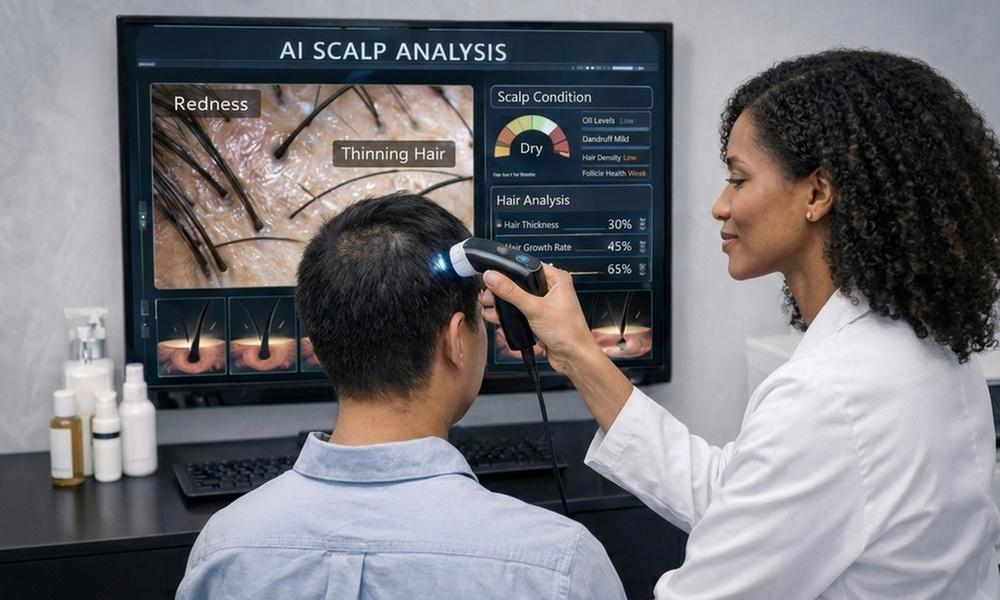
Modern smart scalp analyzers can capture magnified images of the scalp and hair follicles, identify visible characteristics, and organize the collected information into easy-to-understand diagnostic reports. When integrated into professional hair care services, these systems help practitioners select more appropriate treatments, monitor changes over time, and communicate recommendations more effectively.
AI scalp analysis does not replace professional expertise or medical diagnosis. Instead, it provides an additional information layer that supports more structured consultations and personalized hair care management.
For professional businesses, the value goes beyond technology itself. It creates an opportunity to upgrade traditional scalp care services into more measurable, personalized, and technology-driven experiences.
2. Background and Problems: Why Traditional Hair Care Needs Smarter Diagnostics
Hair loss and scalp problems can have multiple contributing factors. Genetics, hormonal changes, stress, nutritional deficiencies, environmental conditions, scalp inflammation, and inappropriate hair care habits may all influence hair and scalp health.
However, these factors do not affect every individual in the same way. Two clients experiencing similar hair shedding may have completely different scalp conditions and underlying causes. As a result, providing identical treatments to every client may not deliver the most suitable care experience.
Traditional scalp consultations often rely on visual observation, client descriptions, and the experience of the practitioner. Although professional experience remains essential, manual assessments have certain limitations.
First, visual assessments may lack consistency. Different practitioners may interpret the same scalp condition differently, making it difficult to establish standardized consultation records.
Second, changes can be difficult to track. Without clear baseline images and measurement records, clients may struggle to understand whether their scalp condition has changed after several treatment sessions.
Third, treatment recommendations may be too general. Recommending the same cleansing, moisturizing, or scalp massage services to different clients does not fully address their individual needs.
Fourth, communication can be challenging. Clients may not easily understand professional descriptions of scalp oiliness, follicular conditions, hair density, or visible scalp characteristics. Without visual evidence, it can be difficult to explain why a particular treatment is recommended.
These challenges highlight the importance of more advanced diagnostic tools.
For professional salons and scalp care centers, smart scalp analysis equipment offers a practical way to make consultations more visual, organized, and data-supported. Rather than relying only on subjective descriptions, practitioners can use magnified scalp images and structured reports to build a clearer understanding of each client's needs.
3. Technology and Mechanism: How AI-Powered Scalp Analysis Works
AI scalp analysis generally combines several technologies, including high-resolution imaging, optical magnification, image processing, artificial intelligence algorithms, and digital data management.
Together, these technologies help transform scalp images into information that professionals can use during consultations and treatment planning.
3.1 High-Resolution Imaging and Optical Magnification
The first step is capturing detailed images of the scalp and hair.
Professional scalp analyzers typically use specialized cameras, magnification lenses, and controlled illumination to capture areas that are difficult to examine with the naked eye.
Depending on the device configuration, different lighting modes may help reveal visible scalp characteristics, such as:
-
Scalp oiliness and surface residue
-
Dryness and visible flaking
-
Redness and surface irregularities
-
Hair shaft thickness and visible density
-
Follicular openings and surrounding scalp conditions
-
Visible buildup around hair follicles
Magnified imaging allows practitioners to examine specific scalp areas more closely. It also provides visual material that can be compared during follow-up consultations.
The quality of the camera, lighting consistency, magnification capability, and image capture process all influence the usefulness of the results.
3.2 AI Image Recognition and Intelligent Analysis
After images are captured, AI-powered software can process them using image recognition and classification algorithms.
Depending on the system's capabilities and training data, the software may identify visible patterns and categorize selected scalp characteristics. Some systems can also assist with the evaluation of hair density, follicular appearance, scalp oiliness, and other image-based indicators.
The general process includes:
-
Capturing scalp images from selected areas.
-
Uploading or transferring images into the analysis software.
-
Processing the images through trained recognition algorithms.
-
Identifying and organizing visible scalp characteristics.
-
Generating a digital report for professional review.
This approach helps practitioners organize information more efficiently and reduces the need to rely entirely on manual visual descriptions.
However, AI analysis should be understood within its technical limitations. Image-based software cannot independently confirm every underlying cause of hair loss, determine hormone levels, or diagnose medical conditions. Its results depend on image quality, algorithm validation, device specifications, and the information included in its training data.
Professional interpretation therefore remains essential.
3.3 Digital Scalp Reports and Data Tracking
One of the most useful features of smart scalp diagnostics is the ability to create digital assessment records.
A professional scalp analyzer may generate reports containing magnified images, visual indicators, selected scalp characteristics, and personalized care recommendations.
These records can serve several purposes:
-
Establishing an initial scalp assessment.
-
Supporting treatment consultations.
-
Recording visible changes between appointments.
-
Comparing images captured during different sessions.
-
Helping clients understand professional recommendations.
For example, a client with visible scalp oiliness and follicular residue may receive a different care recommendation from someone whose scalp appears dry and flaky.
By comparing follow-up images under similar capture conditions, practitioners can also discuss observable changes more clearly.
It is important to distinguish visible improvement from actual hair regrowth. Changes in scalp appearance do not automatically prove increased hair density or restored follicular function. Reliable hair growth evaluation requires appropriate measurements, consistent observation periods, and professional judgment.
3.4 Connecting Scalp Analysis with Professional Hair Care Equipment
AI scalp diagnostics become more valuable when integrated into a complete professional service workflow.
After identifying visible scalp characteristics, practitioners can select suitable treatments based on the client's needs, professional protocols, and equipment specifications.
Depending on the service offering, this may include:
-
Professional scalp cleansing equipment for removing surface buildup.
-
Scalp massage devices designed to support a relaxing treatment experience.
-
Suitable hydration and conditioning systems for dry scalp care.
-
LED-based devices where appropriate, with wavelength and application protocols selected according to their intended use.
-
Professional hair and scalp care products selected for individual concerns.
The diagnostic system provides information, while treatment equipment delivers the selected service. This combination creates a more structured approach than offering isolated treatments without an initial assessment.
4. Advantages and Comparison: AI Diagnostics vs. Traditional Scalp Assessment
AI-powered scalp analysis offers several advantages for professional hair care businesses.
4.1 More Visual and Structured Consultations
Traditional consultations often depend on verbal explanations. With magnified images and digital reports, practitioners can show clients visible scalp characteristics directly.
This makes technical information easier to understand and helps establish more transparent communication.
For salons and scalp care centers, visual consultations can also make service recommendations more professional and consistent.
4.2 More Personalized Treatment Planning
Different scalp conditions may require different care approaches.
For example, clients with excess surface oil and visible buildup may benefit from an appropriate cleansing-focused service. Clients with dryness may need a more suitable moisturizing and conditioning routine.
AI-assisted analysis helps practitioners organize these observations before selecting treatments.
It does not automatically determine the perfect treatment. Instead, it supports professional decision-making by providing additional visual information.
4.3 Easier Follow-Up and Progress Documentation
Digital image records allow practitioners to compare selected scalp areas across multiple visits.
This can improve follow-up communication and help clients understand the purpose of ongoing care.
For businesses offering treatment packages, documented assessments also provide a more organized service experience.
4.4 Greater Efficiency in Professional Operations
Smart diagnostic systems can simplify the collection and presentation of scalp information.
Instead of recording every observation manually, practitioners may use software-generated reports as a starting point for consultation.
The actual time savings depend on the device, software workflow, and staff training, but standardized records can make service delivery more consistent.
4.5 Professional Equipment Compared with Basic Home Tools
Home scalp cameras and consumer hair analysis applications are becoming more accessible. They can help users observe their scalp and develop greater awareness of their hair care habits.
However, professional equipment generally offers advantages in service environments.
| Comparison | Basic Home Tools | Professional AI Scalp Analyzers |
|---|---|---|
| Image capture | Often basic magnification | Specialized imaging configurations |
| Lighting | Limited or inconsistent | More controlled illumination options |
| Analysis | Basic observation or app-based interpretation | Integrated image analysis, depending on software |
| Reporting | Limited personal records | Structured consultation reports |
| Follow-up | Mainly self-observation | Organized records for professional comparison |
| Service integration | Individual home use | Designed to support professional workflows |
The actual capabilities vary significantly between products. Not every professional analyzer includes advanced AI recognition, and not every home device provides poor image quality.
The key difference is the overall service system: professional imaging, standardized procedures, staff interpretation, digital documentation, and integration with appropriate treatment equipment.
5. Applications and Client Needs: Where Smart Hair Diagnostics Create Business Value
AI scalp analysis can support different types of professional hair and beauty services.
5.1 Professional Hair Clinics and Scalp Treatment Centers
Hair clinics and specialized scalp care centers can use digital analysis as part of their initial consultation process.
Before recommending a treatment plan, practitioners can capture scalp images, review visible characteristics, and document the client's starting condition.
This is particularly useful for clients concerned about hair thinning, excessive shedding, scalp oiliness, or visible flaking.
When hair loss is sudden, severe, persistent, or accompanied by symptoms such as pain, inflammation, or scarring, referral to a qualified medical professional is necessary. Scalp imaging should not replace medical investigation.
5.2 Beauty Salons and Premium Hair Spas
Premium salons can introduce scalp analysis as an additional service before professional cleansing, conditioning, or scalp massage treatments.
For example, a salon may offer a consultation that includes magnified scalp imaging, a discussion of individual concerns, and a suitable professional care plan.
This approach helps salons move beyond routine service recommendations and provide a more personalized customer experience.
It can also create opportunities for premium service packages and repeat appointments, provided that recommendations are realistic and based on client needs.
5.3 Hair Restoration and Growth-Support Programs
For businesses offering non-medical hair and scalp care programs, digital scalp analysis can provide a useful documentation tool.
Practitioners can record baseline images, monitor visible scalp changes, and discuss whether clients are following their recommended care routines.
Some professional programs may combine scalp cleansing, massage, suitable topical products, and selected light-based treatments.
However, the effectiveness of these approaches varies by technology and individual condition. No diagnostic camera or ordinary cosmetic scalp treatment should be presented as a guaranteed solution for hair loss.
Clients with suspected androgenetic alopecia, alopecia areata, or other medical causes of hair loss should receive an appropriate medical assessment.
5.4 Hair Care Brands and Professional Equipment Distributors
Smart scalp analysis also creates opportunities for equipment manufacturers and distributors.
For manufacturers, integrating imaging technology, user-friendly software, and professional reporting functions can help differentiate scalp analysis products in a competitive market.
Distributors can introduce diagnostic systems alongside compatible professional scalp care equipment, creating a more complete solution for salons and clinics.
For B2B buyers, important purchasing considerations include:
-
Camera resolution and magnification quality.
-
Image consistency and lighting options.
-
AI analysis functions and validation information.
-
Software usability and language support.
-
Report generation and data export capabilities.
-
Client data protection and storage policies.
-
Staff training and after-sales technical support.
-
Compatibility with existing professional treatment workflows.
Choosing equipment based only on the number of AI functions or marketing claims may lead to unrealistic expectations. Buyers should evaluate actual performance, software capabilities, and suitability for their intended services.
6. Conclusion: The Future of Personalized Hair Care Is Data-Supported
In 2026, AI scalp analysis is helping professional hair care businesses move toward a more structured and personalized service model.
By combining high-resolution imaging, intelligent image recognition, digital reporting, and professional interpretation, smart scalp analyzers make it easier to observe visible scalp characteristics, organize consultation information, and monitor changes over time.
More importantly, they provide a practical connection between assessment and treatment.
For professional salons, hair clinics, and scalp care centers, the value of smart diagnostics is not simply the ability to capture magnified images. It is the opportunity to build a complete service process around individual client needs, from initial consultation to treatment selection and follow-up documentation.
As consumers increasingly expect personalized experiences, professional scalp analysis equipment can become an important part of modern hair care services.
The future of hair growth support will not depend on a single device or technology. It will rely on the combination of accurate assessment, appropriate professional treatments, consistent follow-up, and realistic expectations.
For businesses looking to upgrade their scalp care services, investing in reliable diagnostic equipment and well-designed treatment workflows is a practical step toward more professional, data-supported, and customer-focused hair care
Founded in 2008, Guangzhou GLM Beauty Spa Equipment Factory specializes in research, development, manufacture and selling of beauty and slimming machines. Our production base is located in Guangzhou City, Guangdong Province, China. Since our foundation, we have introduced advanced technologies and equipment, to assure high quality and high performance of our products. With professional marketing guide and excellent after-sales service, our products have been exported to over 20 countries and regions, including Southeast Asia, the Middle East, Europe and the United States, won worldwide praises and gained a good reputation