Introduction: The Rise of Smart Beauty
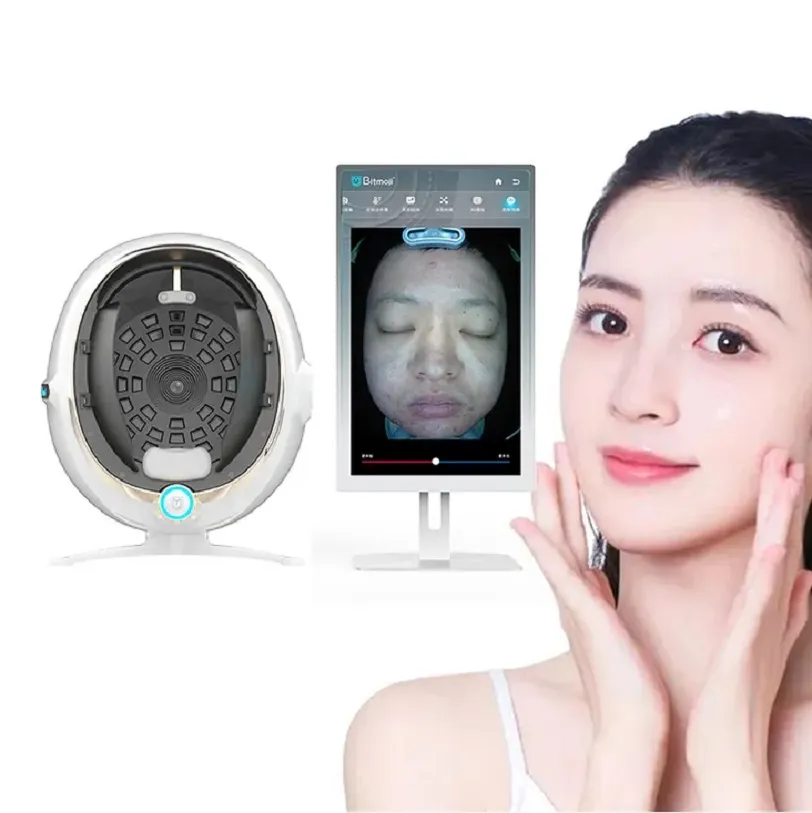
In recent years, artificial intelligence (AI) has transformed nearly every industry—and skincare is no exception. From diagnostic tools to personalized regimens, AI-powered skin scanners are becoming the new standard in modern aesthetic practices. These intelligent devices go beyond surface observation, offering accurate, data-driven skin assessments that allow for customized and effective beauty solutions.
Understanding AI Skin Scanners
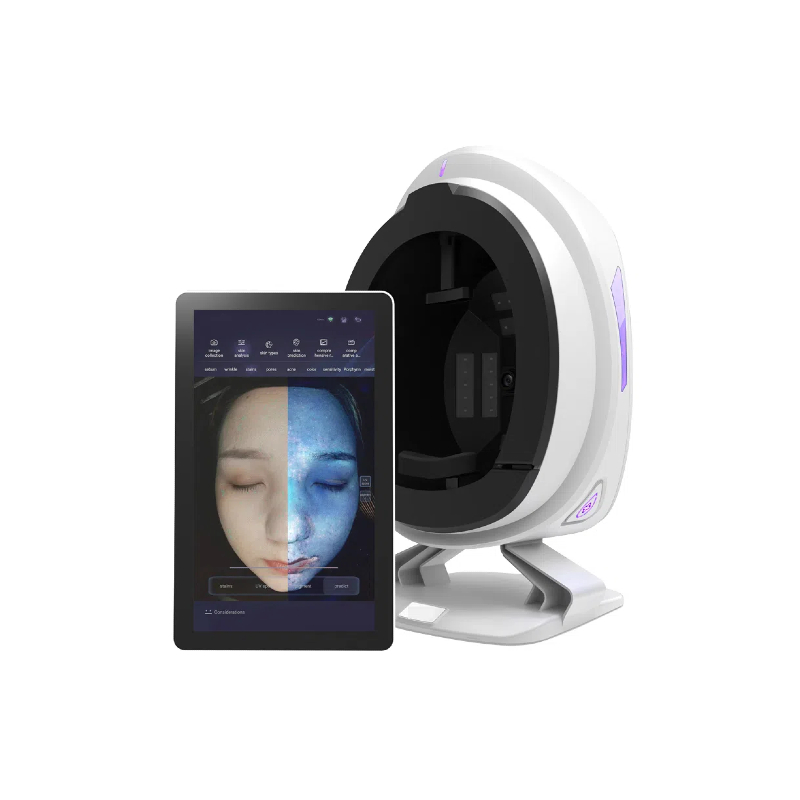
An AI skin scanner is a diagnostic device that uses high-resolution cameras, UV/visible/infrared light, and machine learning algorithms to analyze various aspects of the skin. Unlike traditional analysis, which relies heavily on manual observation, AI systems can identify subtle patterns and early signs of skin concerns that are invisible to the naked eye.
These scanners evaluate key parameters such as:
-
Moisture and oil balance
-
Pore size and density
-
Wrinkle depth and elasticity
-
Pigmentation and sun damage
-
Acne and inflammation levels
-
Sensitivity and redness areas
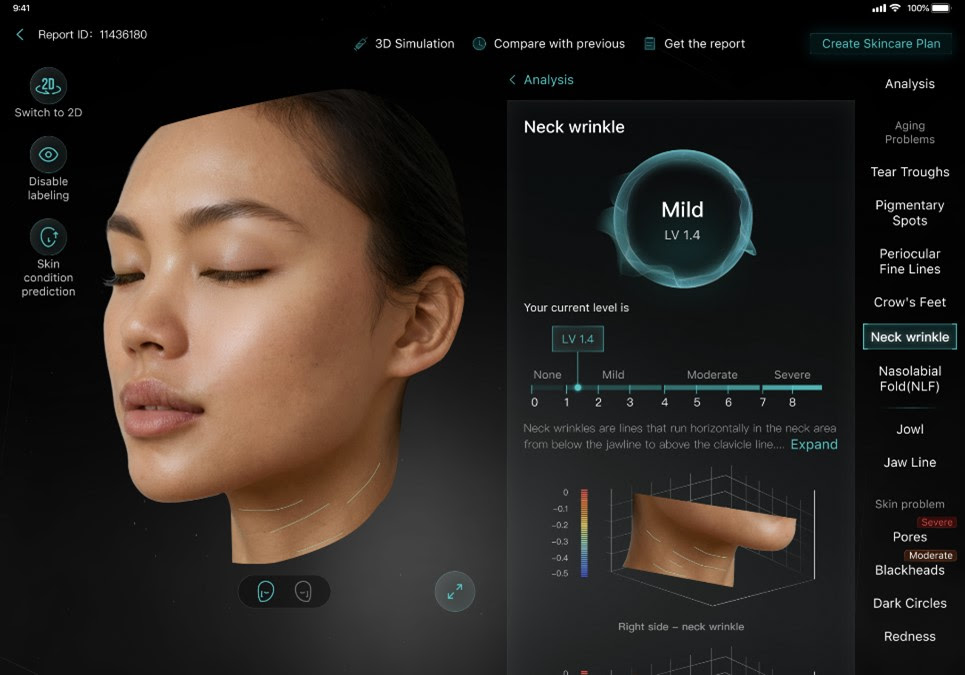
Through image capture and data mapping, the AI generates a comprehensive skin report, often paired with treatment recommendations and progress tracking over time.
How AI Enhances Precision
AI-driven analysis reduces human error and introduces objective, repeatable results. Using deep learning, the system continuously improves accuracy by comparing millions of skin images from global databases.
For instance, if a client presents with uneven pigmentation, the AI can determine whether it’s caused by UV damage, hormonal changes, or inflammation, helping clinicians choose the right treatment plan—whether that’s IPL, microneedling, or chemical peeling.
This level of precision enables targeted and efficient treatments, improving client satisfaction and long-term results.
From Data to Personalized Plans
Once the scanner identifies skin conditions, it generates custom beauty plans tailored to each client’s needs. These may include:
-
Recommended treatments: e.g., RF for lifting, HIFU for tightening, or cryotherapy for inflammation.
-
Product suggestions: based on moisture balance, sensitivity, or oil production.
-
Progress tracking: allowing before-and-after comparisons to monitor improvements over time.
The system’s predictive capabilities also help forecast future concerns, like wrinkle formation or pigmentation trends, allowing proactive care instead of reactive correction.
Clinical and Commercial Benefits
For clinics, AI scanners serve as powerful tools to build trust and professionalism. Clients can visually see their skin analysis on-screen, making the consultation more transparent and engaging.
-
Improved accuracy: minimizes misdiagnosis and ensures optimal treatment planning.
-
Stronger client retention: data-driven progress tracking encourages repeat visits.
-
Upselling opportunities: customized skincare recommendations increase product and service sales.
Additionally, some devices integrate cloud-based client databases, allowing practitioners to access reports and track long-term outcomes across multiple sessions.
Comparing AI Skin Scanners to Traditional Skin Analysis
| Feature | AI Skin Scanner | Traditional Observation |
|---|---|---|
| Accuracy | High; algorithm-driven | Moderate; human judgment |
| Consistency | Objective and repeatable | Varies by operator |
| Speed | Instant analysis | Manual, time-consuming |
| Data Storage | Digital reports and progress tracking | Paper or visual records |
| Customization | Personalized care plans | General recommendations |
AI scanners significantly enhance diagnostic depth and reliability, transforming what was once a subjective consultation into a scientific and measurable process.
The Market Trend and Future Outlook
As aesthetic clients become more informed and results-driven, demand for data-backed skincare solutions continues to grow. AI skin scanners align perfectly with this shift, providing evidence-based recommendations and quantifiable outcomes.
Future AI developments are expected to integrate genetic data, lifestyle analysis, and environmental tracking, leading to hyper-personalized skincare programs that adapt in real time. Some advanced systems may even connect directly to smart devices at home, bridging clinical and at-home care seamlessly.
Conclusion
AI skin scanners mark a turning point in the evolution of modern beauty. By combining imaging technology, data analysis, and intelligent prediction, they empower professionals to deliver precise, personalized, and measurable results. For clients, it means a future where skincare is no longer based on guesswork—but on science, data, and individuality.
Founded in 2008, Guangzhou GLM Beauty Spa Equipment Factory specializes in research, development, manufacture and selling of beauty and slimming machines. Our production base is located in Guangzhou City, Guangdong Province, China. Since our foundation, we have introduced advanced technologies and equipment, to assure high quality and high performance of our products. With professional marketing guide and excellent after-sales service, our products have been exported to over 20 countries and regions, including Southeast Asia, the Middle East, Europe and the United States, won worldwide praises and gained a good reputation.