1. Introduction: The Next Step in Professional Skin Rejuvenation
The professional aesthetics industry is moving toward more personalized, technology-driven skin rejuvenation. Today's clients are looking beyond temporary improvements in skin appearance. They want smoother texture, a more refined complexion, improved skin firmness, and treatment plans that address several concerns without relying on a single technology.
This demand is encouraging aesthetic clinics and professional beauty centers to explore combination plasma devices and other energy-based platforms. By integrating technologies such as microplasma radiofrequency (RF), these systems aim to deliver more targeted treatment options while supporting flexible professional protocols.
However, combination technology does not automatically mean better results. Its value depends on the interaction between the technologies, the quality of the device, the operator's expertise, and the suitability of each treatment for the individual client.
So, are combination plasma devices the future of skin rejuvenation? Their potential lies not simply in adding more functions to one machine, but in giving qualified professionals greater control over treatment planning, energy delivery, and client-specific care.
2. Background and Problem: Why Traditional Single-Technology Approaches Have Limitations
Skin aging is a multifactorial process. Over time, collagen production declines, existing collagen fibers become fragmented, and the skin's structural support gradually weakens. Environmental exposure, particularly ultraviolet radiation, can accelerate these changes. Clients may consequently experience fine lines, uneven texture, enlarged-looking pores, acne scars, and reduced skin firmness.
These concerns do not always respond equally to the same treatment approach. A client primarily concerned about superficial texture may have different needs from someone seeking improvement in atrophic acne scars or early skin laxity.
Traditional professional treatments often focus on one principal mechanism. Non-ablative radiofrequency, for example, primarily delivers controlled heat to deeper skin structures, while certain resurfacing technologies work by creating controlled changes at the skin's surface. Neither approach should be assumed to address every concern equally well.
This creates a practical challenge for clinics: how can practitioners select appropriate technologies without unnecessarily increasing treatment intensity, cost, or recovery time?
Combination platforms offer one possible answer. They may bring complementary treatment functions together within a single professional system, allowing practitioners to select an appropriate modality or sequence treatments according to the device's validated indications.
Nevertheless, a multi-function platform is not a universal solution. More energy sources can mean more complicated treatment decisions, and combining procedures may increase risks if the sequence, parameters, or recovery requirements are poorly managed.
The goal should therefore be better treatment selection, not simply more aggressive treatment.
3. Technology and Mechanism: How Microplasma RF Supports Skin Remodeling
3.1 Understanding Microplasma Radiofrequency
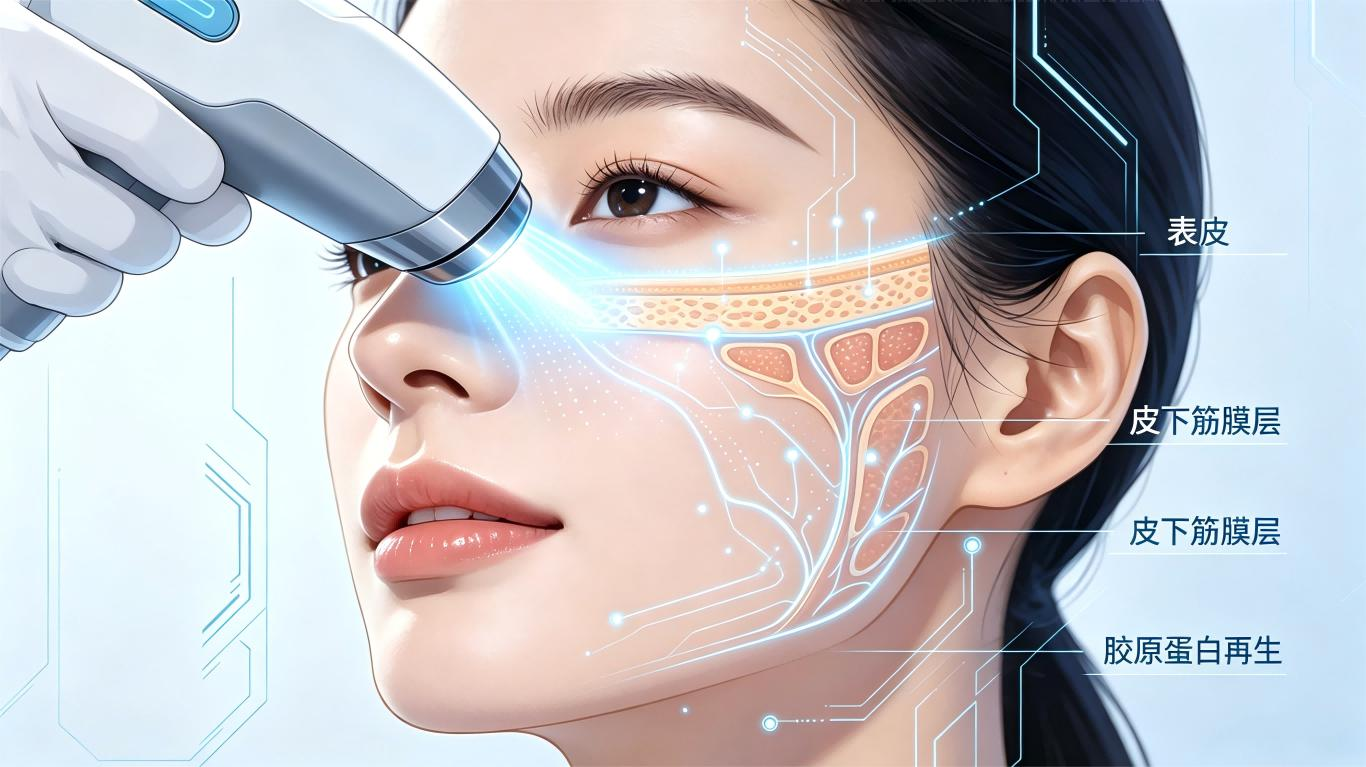
Microplasma radiofrequency is an energy-based technology that combines radiofrequency energy with the generation of localized plasma effects at the treatment interface. Depending on the device design, applicator, and operating parameters, it can produce controlled superficial tissue ablation alongside thermal effects in the underlying skin.
This mechanism distinguishes microplasma RF from conventional non-ablative RF, which primarily heats tissue without intentionally ablating the skin's surface. It also differs from plasma devices that use other gas-discharge mechanisms or are intended for entirely different medical applications.
The exact treatment effect depends on electrode configuration, pulse characteristics, energy settings, contact conditions, and the selected treatment tip. Therefore, the term "plasma technology" alone is insufficient to establish what a device can safely or effectively accomplish.
Research published in the Journal of Cosmetic Dermatology has investigated microplasma RF using stationary treatment tips in an experimental pig-skin model. The study reported epidermal ablation, changes associated with dermal collagen remodeling, and a relationship between treatment intensity and tissue damage. These findings support the biological rationale for further investigation, but animal histology does not establish clinical effectiveness for every device or patient. Read the study.
3.2 Collagen Remodeling: From Controlled Injury to Tissue Repair
Collagen is a major structural protein that helps maintain skin firmness and resilience. When controlled energy-based treatments create an appropriate tissue response, the subsequent wound-healing process can involve fibroblast activity, collagen synthesis, and remodeling of existing collagen fibers.
With microplasma RF, superficial ablation and underlying thermal effects may initiate overlapping repair responses. The skin then undergoes a recovery process in which changes in texture and appearance can develop over time.
However, collagen remodeling is not an instant transformation. The visible outcome depends on the treatment method, the individual's skin condition, the severity of the concern, and the quality of post-treatment care. Some effects may be apparent relatively early, while remodeling-related changes can take weeks or months to develop.
Practitioners should also distinguish collagen stimulation from a guaranteed lifting effect. Evidence that a treatment influences collagen-related processes does not prove that every client will experience substantial tightening or wrinkle reduction.
3.3 Why Combine Plasma and Other Technologies?
Combination devices may integrate microplasma RF with other modalities, depending on their actual configuration. These might include non-ablative RF, selected forms of skin analysis, cooling or supportive treatment functions, or other technologies designed for complementary professional applications.
The objective is not to make every technology perform the same task. Instead, each modality should have a clearly defined role.
For example, one technology may primarily target surface texture, while another may be designed to deliver controlled thermal energy to deeper tissue. A skin-analysis function may help document baseline conditions and track changes over time, although it does not replace clinical assessment.
Importantly, these functions are not necessarily suitable for simultaneous delivery. A practitioner may need to use different treatment sessions or carefully planned sequences rather than activating every available modality during one appointment.
The most valuable combination platform is therefore one whose technologies are clearly specified, independently justified, and supported by appropriate treatment protocols.
4. Advantages and Comparison: What Combination Devices Can Offer Professional Clinics
4.1 Greater Flexibility in Treatment Planning
A combination platform may help clinics build treatment plans around different client concerns rather than relying on a single fixed procedure.
For instance, a clinic may use one protocol for selected textural concerns and another for clients who require a different approach to skin firmness. Having compatible technologies within the same professional system can simplify equipment management and staff workflow.
This flexibility is valuable only when the device's indications, treatment parameters, and safety requirements support the intended application.
4.2 More Structured, Individualized Care
Professional rejuvenation is not simply a matter of selecting a high energy setting. Skin type, skin condition, treatment history, sensitivity, healing capacity, and client expectations all influence treatment selection.
A well-designed professional platform should provide clearly defined controls, appropriate treatment tips, reproducible settings, and understandable operating instructions. These features can help trained operators follow consistent protocols and document treatment decisions.
Standardized photography, baseline assessments, and follow-up evaluations can further improve communication between practitioners and clients. They also help clinics assess outcomes more objectively instead of relying exclusively on subjective impressions.
4.3 Combination Platforms Versus Single-Technology Devices
Single-technology devices can offer important advantages, including focused functionality, simpler workflows, and potentially lower initial investment. They may be the better choice for clinics that specialize in one treatment category.
Combination systems may offer broader service flexibility, but they can require greater investment in training, maintenance, consumables, and treatment planning. Their additional functions may also remain underused if the clinic's client base does not require them.
| Consideration | Single-technology device | Combination platform |
|---|---|---|
| Primary purpose | Focused treatment function | Multiple defined treatment options |
| Workflow | Often simpler | May require more planning |
| Initial investment | May be lower | May be higher |
| Training needs | Depends on the technology | Can be more extensive |
| Best fit | Specialized service menus | Clinics needing broader options |
Neither category is inherently superior. The correct choice depends on the clinic's service model, target clients, operator qualifications, budget, and the evidence supporting each device's intended use.
4.4 Why Professional Equipment Matters
Compared with many consumer-oriented beauty devices, professional equipment may provide more specialized applicators, wider parameter control, detailed operating protocols, and service support. These features can be important when treatments involve energy delivery capable of affecting the skin barrier.
However, professional positioning alone does not guarantee safety or superior results. Device quality, regulatory status, operator training, patient selection, and adherence to the manufacturer's instructions are more meaningful criteria than the number of functions advertised.
For clinics, the real commercial value of professional equipment lies in its ability to support appropriate services consistently, not merely in offering a longer feature list.
5. Applications and Client Needs: Where Combination Plasma Devices May Fit
5.1 Uneven Skin Texture and Selected Acne Scars
Certain microplasma RF protocols have been investigated for superficial textural irregularities and atrophic acne scars. The treatment approach must be selected according to scar type, depth, skin condition, and the device's authorized indications.
Not every scar responds equally, and more aggressive settings do not necessarily produce better outcomes. Active acne, infection, impaired healing, and other relevant conditions may require evaluation before treatment.
5.2 Fine Lines and Early Signs of Skin Aging
Clients concerned about early wrinkles, rough texture, or reduced skin firmness may benefit from an individualized assessment of available resurfacing and RF options.
A combination platform can provide practitioners with alternatives, but suitability depends on the mechanism and intended use of each modality. Some clients may be better served by non-ablative treatments, while others may be considered for resurfacing procedures performed by appropriately qualified professionals.
Expectations should remain realistic: improvement is not equivalent to complete wrinkle removal, and outcomes vary among individuals.
5.3 Professional Treatment Programs and Follow-Up
Combination devices may be incorporated into broader clinic programs that include consultation, skin assessment, appropriate treatment selection, aftercare guidance, and follow-up evaluation.
Practitioners should establish a clear treatment plan before beginning. This includes explaining the expected recovery period, possible adverse effects, the likely timeline for visible changes, and whether additional sessions may be appropriate.
For manufacturers and equipment suppliers, this creates an opportunity to support professional customers with more than hardware alone. Comprehensive operating manuals, practical training, treatment documentation templates, technical assistance, and reliable after-sales service can all contribute to better equipment utilization.
5.4 Safety, Training, and Responsible Device Selection
Energy-based skin treatments can cause adverse effects, particularly when devices are used outside their intended indications or with unsuitable settings.
In an October 15, 2025, safety communication, the U.S. Food and Drug Administration warned about serious complications reported with certain uses of RF microneedling, including burns, scarring, fat loss, disfigurement, and nerve damage. RF microneedling is not identical to every microplasma RF system, so its risks should not be automatically assigned to all plasma devices. Nevertheless, the communication reinforces the importance of device-specific safety information, appropriate training, and informed patient discussions. FDA safety communication.
Before treatment, practitioners should assess relevant medical history, contraindications, skin condition, and healing risks. They should follow the manufacturer's instructions, use suitable protective measures, and avoid treatment when the client is not an appropriate candidate.
Aftercare should be tailored to the actual procedure. Treatments involving superficial ablation may require particular attention to wound care, infection prevention, sun protection, and temporary avoidance of irritating products.
Clinics should also verify the device's regulatory status and permitted indications in their market. A manufacturer's marketing claims, a general electrical safety certificate, and authorization for a specific medical or aesthetic use are not interchangeable.
6. Conclusion: Is Combination Technology the Future?
Combination plasma devices may become an increasingly relevant part of professional skin rejuvenation as clinics seek more flexible, individualized treatment options. Microplasma RF offers an interesting approach to controlled surface effects and collagen remodeling, while other compatible technologies may expand the range of procedures a clinic can consider.
Yet the future of the category will depend on more than technical integration. Clinical evidence, reliable engineering, transparent device specifications, operator education, appropriate patient selection, and long-term safety monitoring will determine whether these platforms deliver meaningful value.
For professional beauty centers and aesthetic clinics, the best equipment is not necessarily the machine with the most functions. It is the system that matches the clinic's treatment goals, supports consistent professional practice, and enables responsible care.
For manufacturers, this means that innovation should focus on useful technology combinations, clear treatment guidance, dependable service, and evidence-based communication. When these elements work together, combination plasma devices can become a practical part of the evolving professional skin rejuvenation market—not because they promise to do everything, but because they help qualified practitioners make better-informed treatment choices
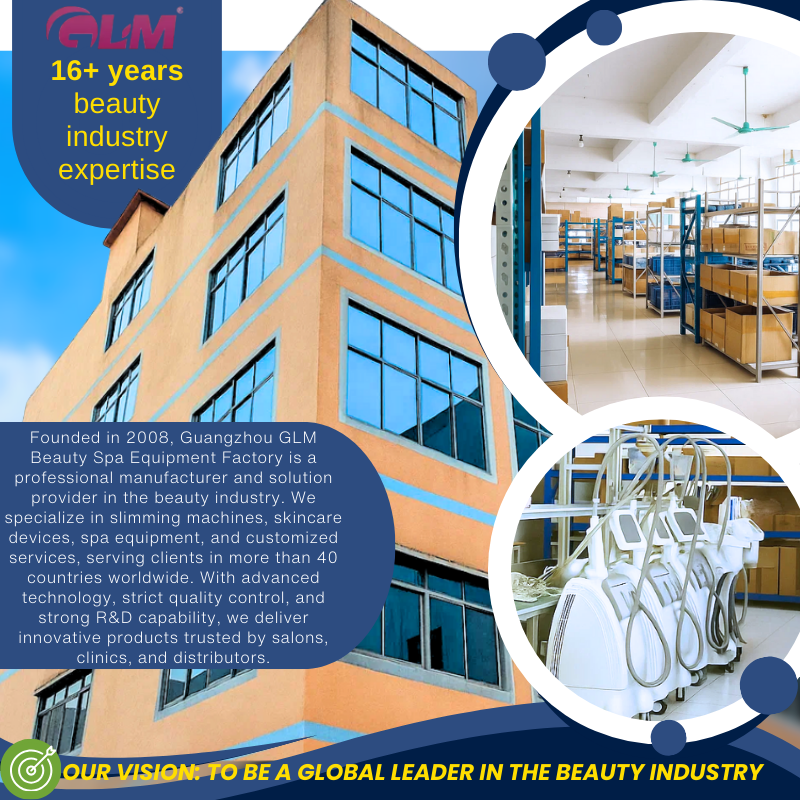
Founded in 2008, Guangzhou GLM Beauty Spa Equipment Factory specializes in research, development, manufacture and selling of beauty and slimming machines. Our production base is located in Guangzhou City, Guangdong Province, China. Since our foundation, we have introduced advanced technologies and equipment, to assure high quality and high performance of our products. With professional marketing guide and excellent after-sales service, our products have been exported to over 20 countries and regions, including Southeast Asia, the Middle East, Europe and the United States, won worldwide praises and gained a good reputation