1. Introduction
Body sculpting continues to attract attention in the beauty and aesthetics industry as consumers increasingly seek ways to improve their body appearance without undergoing invasive surgical procedures. In 2026, the demand for non-invasive body contouring solutions is influenced by several factors, including growing interest in personalized beauty treatments, convenient treatment experiences, and technologies designed to address localized fat, uneven skin texture, and reduced skin firmness.
At-home body sculpting devices have become more visible in the consumer beauty market. These products offer convenient options for people who want to incorporate body care into their daily routines. However, the growing popularity of home-use equipment has also created new opportunities for professional beauty salons, medical spas, and aesthetic clinics. Consumers still require professional guidance, more advanced treatment options, and customized procedures to address different body concerns.
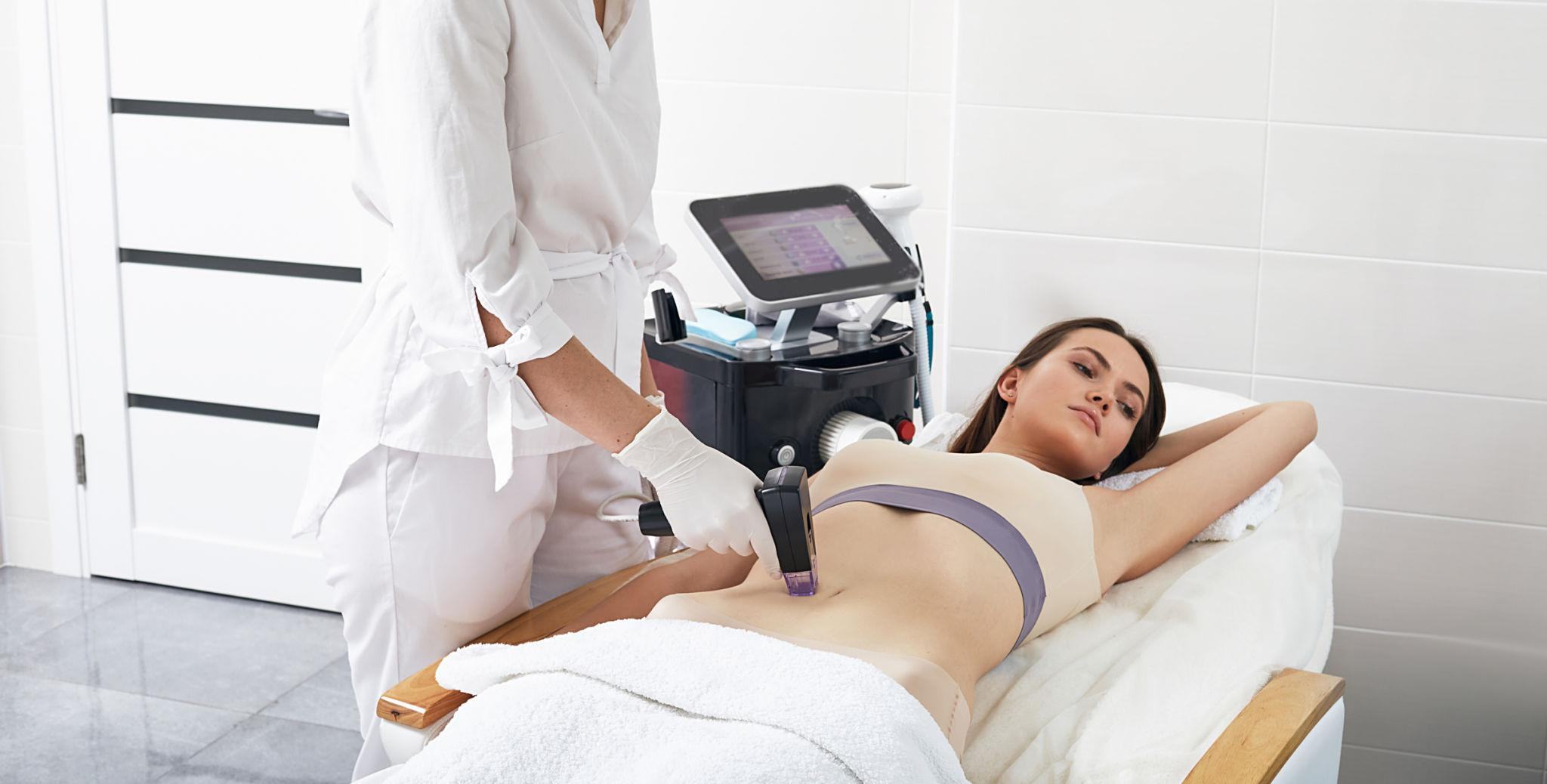
Modern body sculpting technology includes radiofrequency (RF), ultrasound, vacuum-assisted massage, mechanical rollers, and other non-invasive approaches. Each technology works through a different mechanism and serves particular aesthetic purposes. When properly selected and operated, professional body contouring equipment can provide more controlled treatment parameters, specialized applicators, and structured treatment protocols.
Understanding the differences between home-use and professional body sculpting technologies is important for both consumers and beauty business owners. It helps establish realistic expectations while highlighting the value of professional equipment in today's competitive aesthetics market.
2. Background: Why Body Sculpting Remains Popular in 2026
Body appearance is influenced by multiple factors, including genetics, aging, lifestyle, body composition, and changes in skin elasticity. Even individuals who maintain relatively stable body weight may notice localized fat deposits, cellulite-like skin texture, or reduced firmness in certain areas.
Traditional approaches such as exercise and balanced nutrition remain important for maintaining overall health and body composition. However, they do not always address every aesthetic concern, particularly the appearance of localized tissue irregularities or skin laxity.
This is one reason non-invasive body contouring has developed into an important category within the professional beauty industry.
In 2026, several consumer preferences are shaping the market:
Demand for non-surgical solutions: Many clients prefer aesthetic procedures that do not involve incisions, general anesthesia, or extended recovery periods. Non-invasive technologies provide alternative options for selected cosmetic concerns, although results and suitability vary by technology and individual.
Interest in localized body treatments: Clients frequently seek treatments targeting areas such as the abdomen, waist, thighs, upper arms, and hips. Rather than focusing exclusively on weight loss, they are increasingly interested in body appearance, skin texture, and contour definition.
Growing awareness of skin firmness: Body contouring is no longer discussed only in terms of fat reduction. Skin tightening, improved skin appearance, and the management of cellulite-like texture have also become important treatment considerations.
Personalized beauty experiences: Consumers expect treatment plans to reflect their individual goals, body characteristics, and comfort levels. This creates opportunities for professional operators to combine different technologies within customized treatment programs.
For beauty salons and aesthetic clinics, these trends create demand for versatile equipment capable of supporting multiple treatment objectives.
3. Non-Invasive Body Sculpting Technologies and Their Mechanisms
Different body sculpting technologies interact with tissue in different ways. Understanding their mechanisms helps professional operators select appropriate equipment and develop suitable treatment protocols.
3.1 Radiofrequency (RF) Technology for Skin Tightening
Radiofrequency technology is widely used in professional aesthetic treatments designed to improve the appearance of skin firmness.
RF devices deliver electromagnetic energy into targeted tissue, generating heat through the resistance of tissue to electrical current. Depending on the device design, frequency, electrode configuration, and treatment parameters, the energy can produce controlled thermal effects in the treatment area.
In aesthetic applications, RF heating is associated with collagen contraction and the activation of biological processes involved in collagen remodeling. Over time, these processes may contribute to improvements in the appearance of skin firmness and texture.
Common treatment areas include:
-
Abdomen and waist
-
Upper arms
-
Thighs
-
Buttocks
-
Areas with mild skin laxity
For professional salons, RF body contouring equipment offers adjustable treatment settings and applicators designed for different body areas. Operators can adapt treatment parameters according to the device instructions, client characteristics, and treatment objectives.
However, RF is not a universal solution for every type of skin laxity or excess fat. Proper client assessment and temperature control are essential.
3.2 Ultrasound Technology for Body Contouring
Ultrasound-based body contouring uses acoustic energy to interact with tissue. Different ultrasound systems operate at different frequencies and intensities, resulting in different tissue effects.
Some systems use focused ultrasound energy to create localized thermal effects at specific depths. Other technologies, including certain low-frequency ultrasound systems, are designed to produce mechanical effects through acoustic energy.
Depending on the technology, ultrasound-based treatments may be used in professional aesthetic settings for selected localized body contouring applications.
Typical treatment areas include:
-
Abdomen
-
Waist and flanks
-
Thighs
-
Hips
The depth of energy delivery, treatment intensity, applicator design, and operating protocol are important factors when evaluating an ultrasound device.
Professional operators should distinguish between different ultrasound technologies rather than treating all ultrasound body sculpting devices as interchangeable. Appropriate training and adherence to manufacturer instructions are necessary for safe application.
3.3 Vacuum Therapy and Mechanical Roller Massage
Vacuum-assisted massage is another technology frequently incorporated into professional body contouring equipment.
These systems use controlled suction to lift and mobilize soft tissue. Some devices combine vacuum technology with mechanical rollers to create a massage effect across the treatment area.
The mechanical action can temporarily influence local circulation and fluid movement while helping improve the appearance of skin texture. Depending on the system and treatment protocol, vacuum roller equipment is also used in aesthetic programs targeting the appearance of cellulite.
Common applications include:
-
Thigh and hip massage
-
Abdominal body treatments
-
Buttock massage
-
General body massage and contouring programs
Mechanical roller systems can provide consistent massage movements and adjustable operating settings. Compared with manual massage, professional equipment allows operators to standardize certain treatment parameters and deliver more structured sessions.
Nevertheless, vacuum-assisted massage should not be confused with permanent fat removal. Its effects on skin appearance and tissue fluid movement differ from procedures specifically designed to reduce localized fat.
3.4 Combined Technologies for Comprehensive Body Treatments
One important development in professional aesthetics is the integration of multiple technologies into a single treatment platform.
For example, some professional body sculpting machines combine RF heating, vacuum suction, and mechanical rollers. Other systems integrate ultrasound with additional massage or skin-conditioning functions.
The purpose of combining technologies is to support different treatment objectives within one professional platform.
A salon may use RF as part of a skin-firming program, while vacuum roller massage is incorporated into a separate body massage or cellulite-appearance treatment protocol.
However, combining technologies does not automatically guarantee better results. Each energy modality must be appropriate for the treatment area, client condition, and intended outcome. Professional operators should follow the device-specific treatment sequence and avoid excessive energy exposure.
4. At-Home Devices vs. Professional Body Sculpting Equipment
The growth of at-home body sculpting products has changed how consumers approach body care. Portable devices, compact massage tools, and entry-level RF products make certain beauty technologies more accessible.
However, home-use equipment and professional body sculpting machines serve different purposes.
Convenience and Accessibility
At-home devices are designed around convenience. Their compact size and relatively simple operation allow consumers to use them within personal care routines.
Professional equipment, on the other hand, is designed for structured treatment environments. These machines often feature specialized applicators, more extensive operating controls, and treatment configurations developed for different body areas.
Treatment Parameters and Customization
Home-use products generally prioritize simplified operation. Their energy output, operating modes, and treatment procedures are typically designed around consumer use.
Professional equipment may offer more extensive parameter adjustments, specialized treatment heads, and protocols that allow trained operators to tailor treatments according to individual needs.
This does not mean that every professional machine is more effective than every home device. Actual performance depends on the technology, specifications, regulatory status, treatment protocol, and quality of the equipment.
Professional Assessment and Treatment Management
Perhaps the most important difference is the role of the operator.
A professional treatment begins with an assessment of the client's expectations, skin condition, medical history, and suitability for the selected technology. Operators can monitor treatment response, adjust procedures when appropriate, and recommend alternative approaches when a particular technology is unsuitable.
Home-use devices generally do not provide this level of individualized assessment and supervision.
For consumers seeking occasional body massage or basic personal care, home-use products may be sufficient. For clients seeking structured aesthetic treatments, professional equipment combined with trained operation offers a more comprehensive service environment.
5. Professional Applications and Client Needs
For beauty salons, MedSpas, and aesthetic clinics, body sculpting equipment represents an opportunity to expand service offerings and respond to different client expectations.
The most suitable equipment depends on the business model, target customers, treatment environment, and available operator training.
5.1 Body Contouring Programs
Clients who are concerned about localized body appearance may seek treatments targeting the abdomen, waist, hips, and thighs.
Professional operators can evaluate the client's goals and determine whether RF, ultrasound, mechanical massage, or another suitable technology is appropriate.
It is important to explain that non-invasive body contouring is not a substitute for weight management. Treatment outcomes vary, and not every client is a suitable candidate.
5.2 Skin Firming and Texture Improvement
Changes in collagen structure and skin elasticity can contribute to reduced firmness, particularly with aging or after significant weight changes.
RF-based equipment may be incorporated into professional skin-firming programs to improve the appearance of selected areas.
Meanwhile, vacuum roller massage can be used in body massage programs that focus on the appearance of uneven skin texture.
For professional businesses, offering different treatment options makes it possible to address multiple aesthetic concerns without relying on a single technology.
5.3 Personalized Treatment Experiences
Modern clients increasingly expect treatments to reflect their individual preferences.
Some may prioritize skin firmness, while others are more concerned about the appearance of cellulite or localized body contours. A professional consultation helps identify the main concern before selecting a treatment approach.
A structured program may include an initial assessment, a series of appropriately spaced sessions, progress documentation, and follow-up evaluation.
Professional operators should avoid promising identical results for every client. Individual responses depend on numerous factors, including tissue characteristics, lifestyle, treatment frequency, and the technology being used.
5.4 Opportunities for Beauty Equipment Businesses
For beauty equipment manufacturers and distributors, the continued interest in body sculpting creates opportunities to serve both established clinics and expanding beauty businesses.
Equipment selection should consider:
-
Technology type and operating specifications
-
Applicator design and treatment coverage
-
Adjustable energy and intensity settings
-
Safety mechanisms and temperature monitoring
-
Operator training and technical support
-
Maintenance requirements and consumable costs
-
Relevant certifications and market-specific regulatory requirements
Reliable equipment, clear operating instructions, and after-sales technical support are important factors in long-term business development.
A professional machine should not be evaluated solely by the number of functions it advertises. Its actual treatment capabilities, operational stability, safety features, and suitability for the intended market are equally important.
6. Conclusion: The Future of Body Sculpting in 2026
At-home body sculpting reflects a broader consumer interest in convenient and accessible body care. However, the continued development of non-invasive technologies also reinforces the importance of professional beauty equipment and qualified treatment operators.
RF, ultrasound, vacuum-assisted massage, and mechanical roller systems each offer different approaches to body contouring and skin-firming applications. Their value depends on selecting the appropriate technology, understanding its mechanism, and applying it through a suitable treatment protocol.
For consumers, the key is to maintain realistic expectations and understand the differences between home-use and professional treatments. For beauty salons and aesthetic clinics, investing in versatile, reliable equipment can support a wider range of services and more personalized client experiences.
As the aesthetics industry continues to evolve, successful body sculpting services will depend not simply on offering more technologies, but on combining appropriate equipment, professional knowledge, safety awareness, and individualized treatment planning.
The future of body contouring is not defined by a single machine or treatment method. It is shaped by how effectively professional beauty businesses use technology to address real client needs
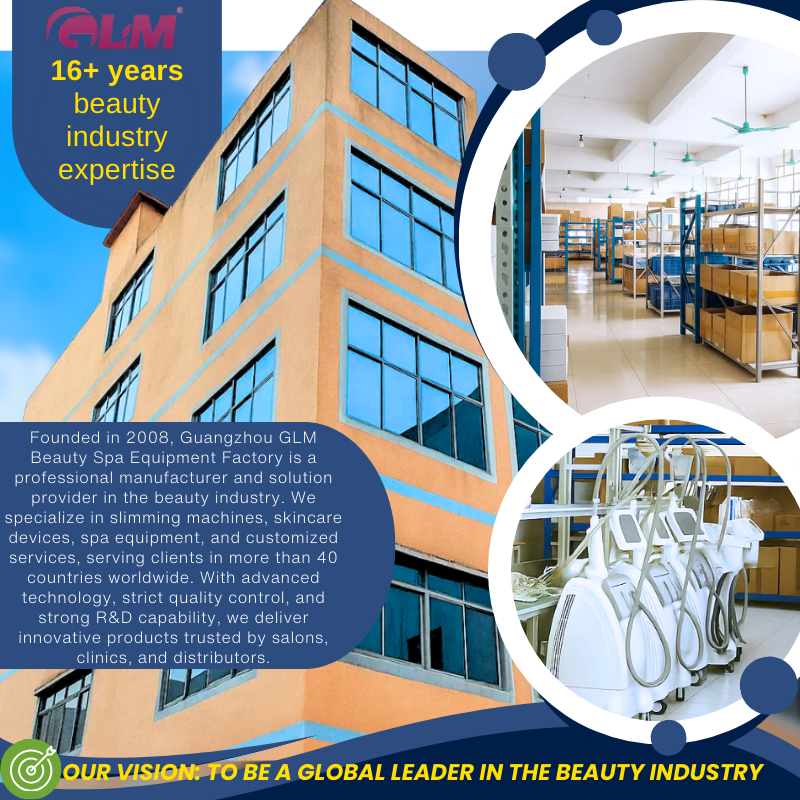
Founded in 2008, Guangzhou GLM Beauty Spa Equipment Factory specializes in research, development, manufacture and selling of beauty and slimming machines. Our production base is located in Guangzhou City, Guangdong Province, China. Since our foundation, we have introduced advanced technologies and equipment, to assure high quality and high performance of our products. With professional marketing guide and excellent after-sales service, our products have been exported to over 20 countries and regions, including Southeast Asia, the Middle East, Europe and the United States, won worldwide praises and gained a good reputation