
Introduction
Sensitive skin has become an increasingly common concern among skincare clients. Environmental stress, pollution, cosmetic overuse, and lifestyle factors have made many people more prone to redness, irritation, and skin discomfort. As a result, aesthetic clinics and professional beauty salons are searching for treatment methods that can cleanse and revitalize the skin without causing additional irritation.
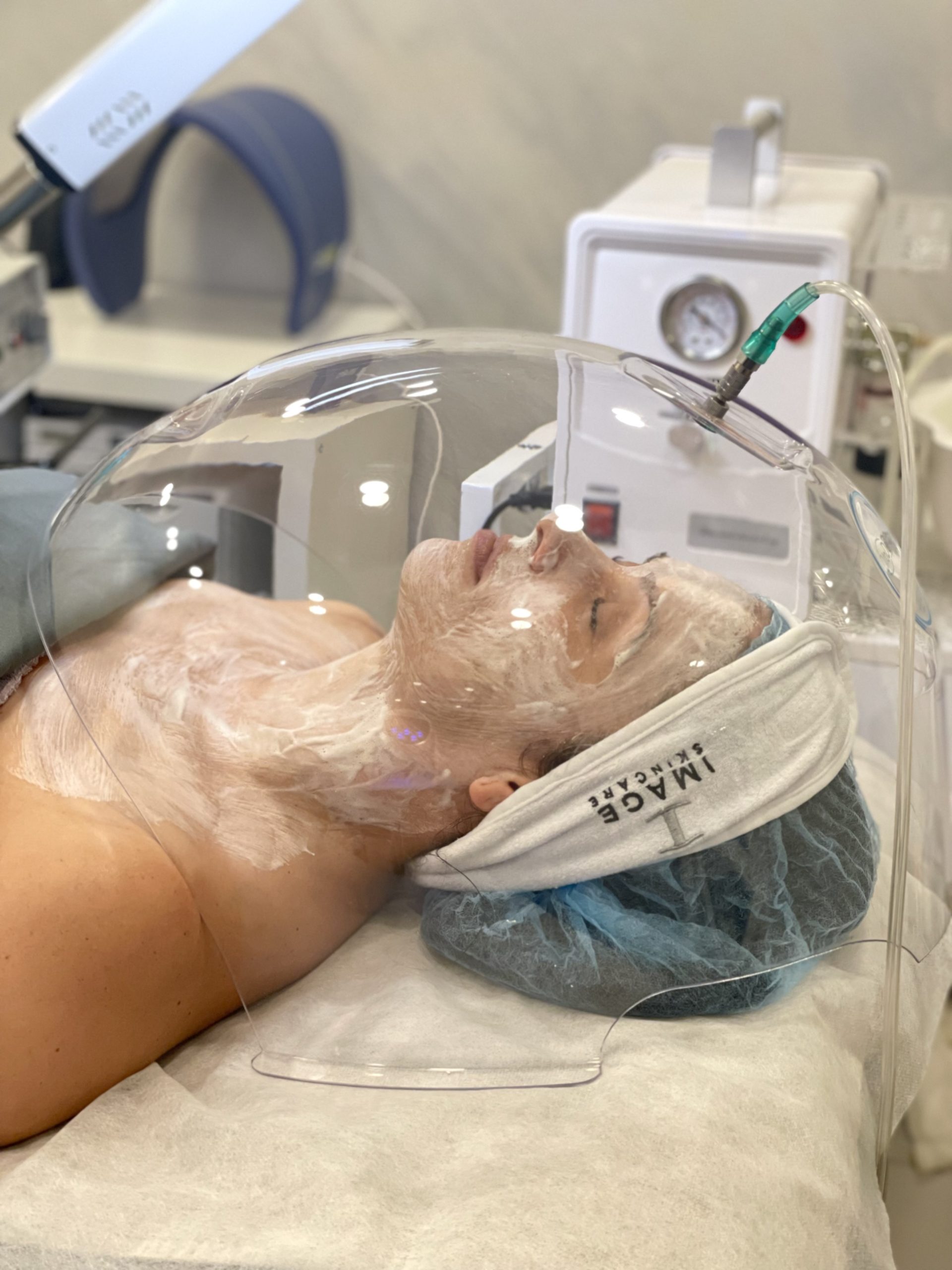
One technology that has gained popularity in recent years is the Hydrogen Oxygen Facial. This treatment combines hydrogen-enriched water with oxygen infusion to cleanse the skin while delivering hydration and antioxidant benefits.
Unlike aggressive exfoliation procedures that may trigger sensitivity, hydrogen oxygen facials are designed to work gently with the skin’s natural physiology. Because of their mild yet effective approach, these treatments are widely used in professional skincare clinics for clients with delicate or reactive skin conditions.
By combining cleansing, hydration, and antioxidant protection, hydrogen oxygen facials provide a balanced treatment option for improving skin comfort and overall skin health.
Background / Problem
Sensitive skin often results from a weakened or compromised skin barrier. The outermost protective layer of the skin, known as the Stratum Corneum, plays a crucial role in maintaining moisture and protecting the skin from environmental irritants.
When this barrier becomes damaged, the skin may develop symptoms such as:
-
Redness
-
Irritation
-
Tightness
-
Increased reactivity to skincare products
Another factor that can contribute to skin sensitivity is oxidative stress. This occurs when unstable molecules known as Free Radicals accumulate in the skin.
Free radicals can damage cellular structures and weaken the skin barrier over time, making the skin more prone to inflammation and environmental damage.
Traditional facial treatments that rely on strong exfoliation or mechanical extraction may further irritate sensitive skin. Therefore, many professionals prefer gentle technologies that support cleansing and hydration without disrupting the skin barrier.
Hydrogen oxygen facial technology is designed specifically with this approach in mind.
Technology / Mechanism
The effectiveness of Hydrogen Oxygen Facial lies in its combination of hydrogen-infused water, oxygen infusion, and gentle suction-based cleansing.
These elements work together to purify and soothe the skin.
1. Hydrogen-Rich Water Cleansing
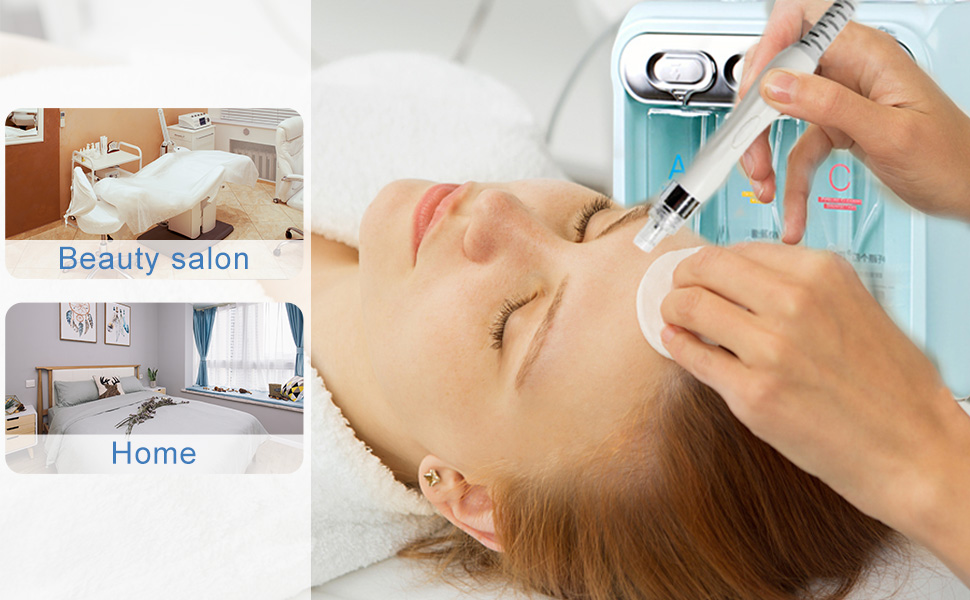
Hydrogen molecules are known for their antioxidant properties.
During treatment, hydrogen-enriched water helps neutralize Free Radicals present on the skin surface.
By reducing oxidative stress, hydrogen water can support a healthier skin environment and help calm irritated skin.
2. Gentle Hydration and Infusion
Hydrogen oxygen facial devices typically infuse hydrating solutions into the skin while cleansing the pores.
These solutions often contain ingredients such as Hyaluronic Acid, which attracts and retains moisture in the skin.
This step helps replenish hydration levels and improve skin softness.
3. Mild Exfoliation Without Irritation
Unlike abrasive exfoliation methods, hydrogen oxygen facials use a liquid-based cleansing process that gently removes dead skin cells.
This method reduces the risk of irritation, making it suitable for sensitive skin types.
4. Oxygen Support for Skin Vitality
Oxygen infusion helps improve microcirculation and cellular activity in the skin.
Better circulation allows skin tissues to receive more oxygen and nutrients, which contributes to improved skin vitality.
Advantages / Comparison
Hydrogen oxygen facials provide several advantages compared with traditional facial treatments, especially for sensitive skin.
Gentle and Non-Irritating
Because the treatment uses water-based cleansing and mild suction, it is less likely to cause irritation than aggressive exfoliation methods.
Antioxidant Protection
Hydrogen molecules help neutralize free radicals, which can reduce oxidative stress on the skin.
Deep Hydration
The infusion of hydrating serums helps restore moisture balance and support the skin barrier.
Suitable for Regular Treatments
Due to its gentle nature, the treatment can often be incorporated into regular skincare maintenance routines.
Applications / Client Needs
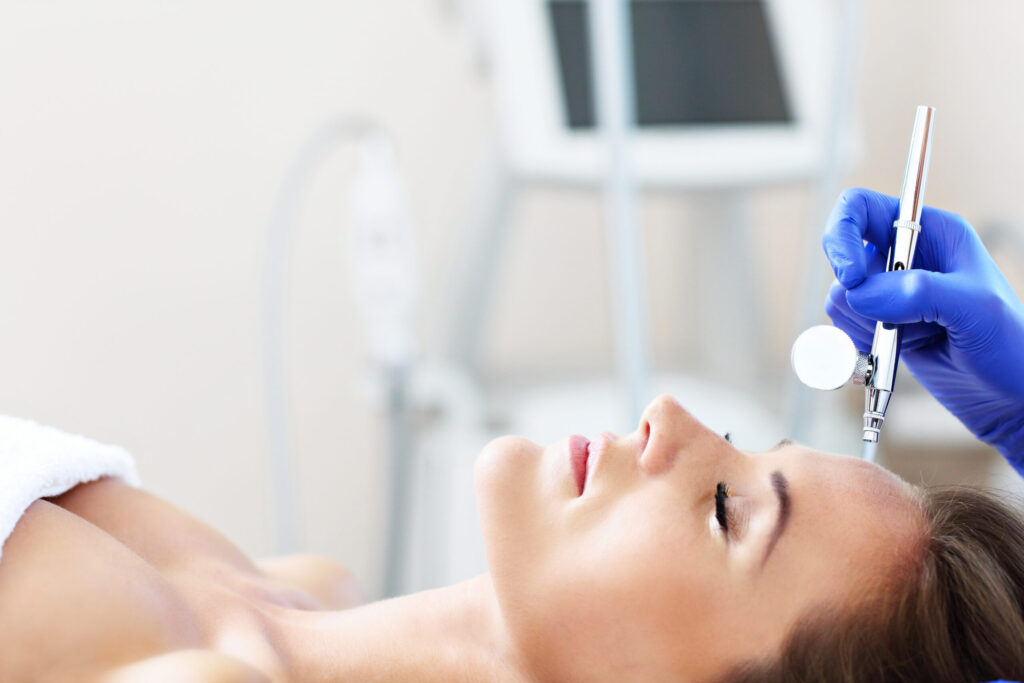
Professional aesthetic clinics commonly recommend Hydrogen Oxygen Facial for clients with sensitive or easily irritated skin.
Typical treatment goals include:
Calming Sensitive Skin
Clients experiencing redness or irritation may benefit from treatments designed to soothe the skin.
Improving Skin Hydration
Hydrogen oxygen facials help restore moisture balance and improve skin softness.
Supporting Skin Barrier Health
By protecting the Stratum Corneum, the treatment can help maintain skin stability.
Preventive Skincare
Many clients use gentle facial treatments to maintain skin health and prevent future sensitivity issues.
Conclusion
The Hydrogen Oxygen Facial has become a popular choice in modern aesthetic clinics because it provides effective cleansing while remaining gentle enough for sensitive skin.
By neutralizing Free Radicals, delivering hydration through ingredients like Hyaluronic Acid, and supporting the Stratum Corneum, this treatment helps improve skin comfort and resilience.
As more clients seek safe and non-invasive skincare solutions, hydrogen oxygen facials will continue to play an important role in professional skincare treatments designed for delicate skin.
Founded in 2008, Guangzhou GLM Beauty Spa Equipment Factory specializes in research, development, manufacture and selling of beauty and slimming machines. Our production base is located in Guangzhou City, Guangdong Province, China. Since our foundation, we have introduced advanced technologies and equipment, to assure high quality and high performance of our products. With professional marketing guide and excellent after-sales service, our products have been exported to over 20 countries and regions, including Southeast Asia, the Middle East, Europe and the United States, won worldwide praises and gained a good reputation.