Introduction
The rapid evolution of aesthetic medicine has shifted the industry's focus from simply applying premium skincare ingredients to optimizing how effectively they penetrate the skin. Today, treatment success depends not only on the quality of active ingredients but also on the delivery technology used to transport them into the target tissue.
Among the most discussed regenerative ingredients, Polydeoxyribonucleotide (PDRN) has attracted significant attention from dermatologists, aesthetic clinics, and professional skincare providers. Known for its ability to support tissue repair, improve skin elasticity, and promote healthier-looking skin, PDRN has become a preferred ingredient in many professional anti-aging and skin rejuvenation treatments.
However, one challenge remains consistent: PDRN molecules cannot deliver their full potential when applied only to the skin's surface. The epidermis naturally functions as a protective barrier, preventing many beneficial compounds from reaching the deeper layers where cellular regeneration occurs.
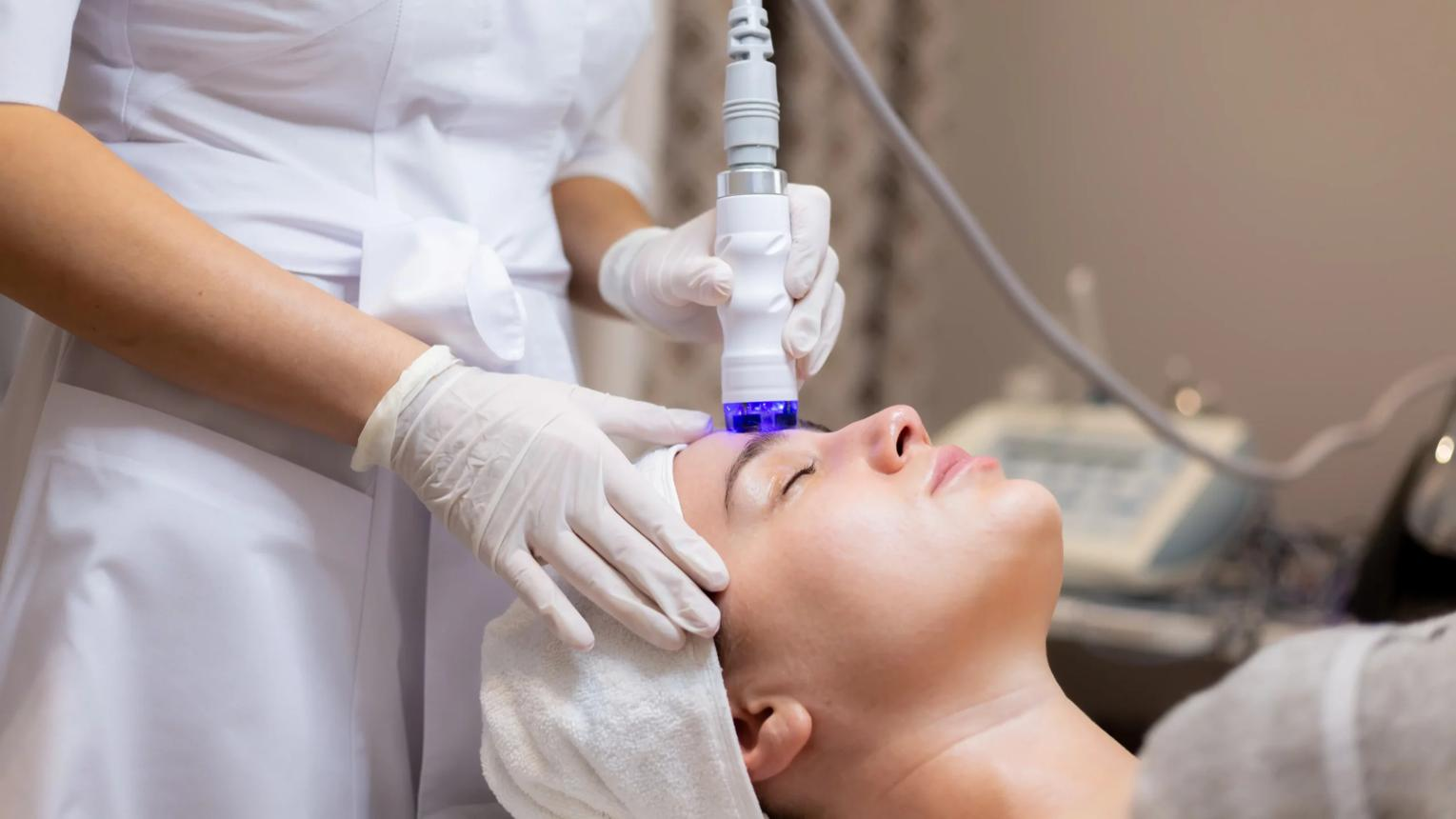
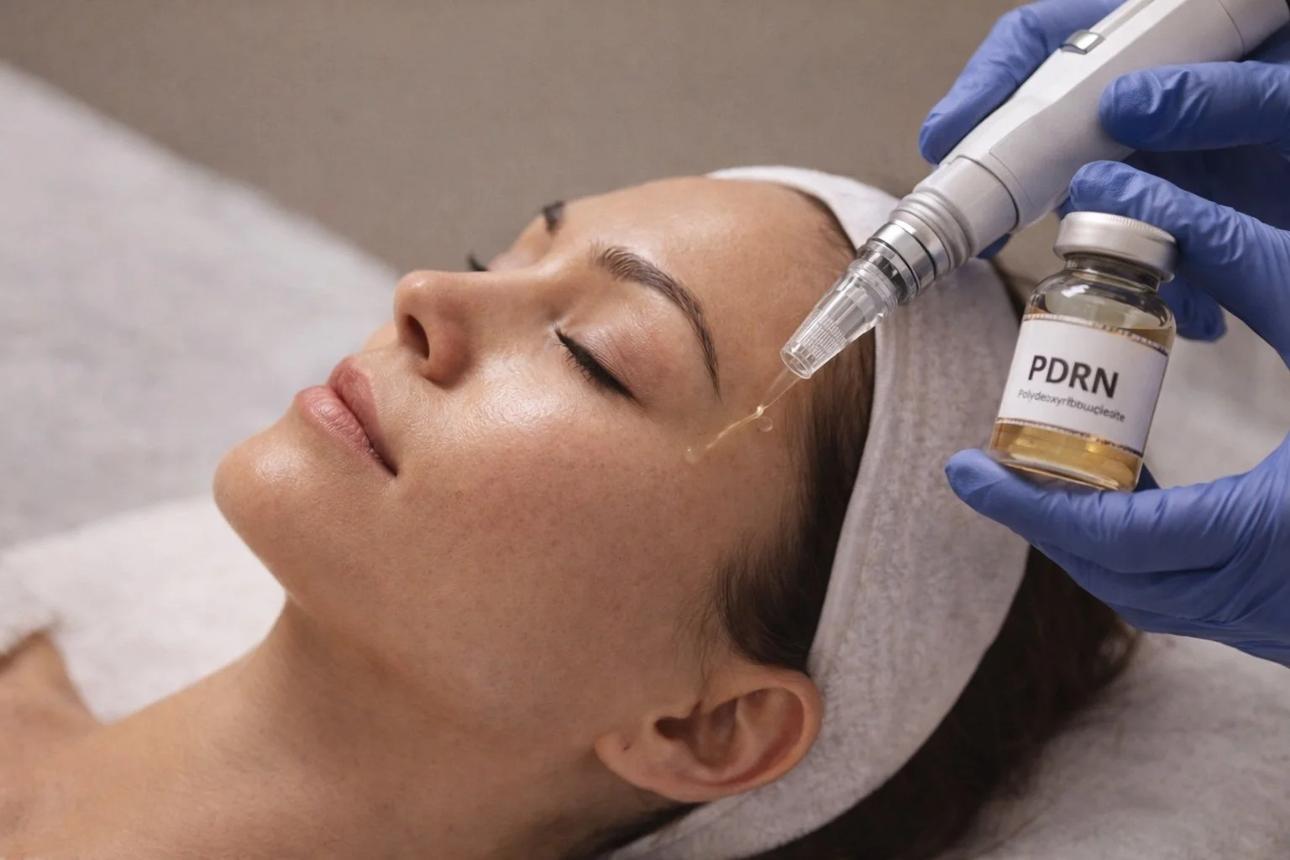
This is where advanced microneedling technology changes the equation. By creating controlled microchannels in the skin, professional microneedling devices significantly improve the penetration of PDRN while simultaneously activating the skin's own wound-healing response. Instead of relying solely on topical absorption, clinics can combine mechanical stimulation with biological regeneration to achieve more comprehensive treatment outcomes.
As professional aesthetic equipment continues to evolve, modern microneedling systems now offer adjustable needle depths, stable motor performance, intelligent treatment modes, and improved safety controls. These advancements allow practitioners to customize treatments for different skin conditions while maximizing the efficiency of valuable regenerative serums like PDRN.
This article explores how advanced microneedling enhances PDRN absorption, explains the science behind this combination therapy, and discusses why it has become one of the most promising treatment protocols in professional aesthetic clinics.
Background: Why Topical PDRN Alone Has Limitations
PDRN has earned a strong reputation because of its regenerative properties. Derived through highly purified biological extraction processes, PDRN provides nucleotides that support cellular repair and tissue regeneration. Clinical research suggests that it may contribute to improved fibroblast activity, collagen production, microcirculation, and overall skin recovery.
Despite these advantages, delivering PDRN into the appropriate skin layers remains a fundamental challenge.
The outermost layer of the skin—the stratum corneum—serves as one of the body's most effective protective barriers. Its primary function is to prevent excessive water loss while blocking foreign substances from entering the body. Unfortunately, this protective function also limits the penetration of many beneficial skincare ingredients.
Even formulations specifically developed for professional use encounter natural diffusion limitations when applied without an appropriate delivery system.
As a result, practitioners often observe that:
- Surface application alone may provide limited penetration.
- Valuable active ingredients can remain concentrated near the epidermis.
- Treatment efficiency may vary significantly among different skin types.
- Multiple treatment sessions may be required to achieve visible improvements.
This challenge is not unique to PDRN. Growth factors, peptides, hyaluronic acid, vitamins, and other regenerative ingredients face similar delivery barriers.
Consequently, professional aesthetic clinics increasingly recognize that delivery technology is becoming just as important as the active ingredient itself.
Instead of asking "Which serum should we use?", many practitioners now ask:
"How can we deliver that serum more effectively?"
The answer increasingly points toward controlled transdermal delivery systems—especially advanced microneedling.
The Science Behind Advanced Microneedling
Unlike traditional skincare application, microneedling utilizes ultra-fine sterile needles to create thousands of microscopic channels within the skin.
These channels are temporary, highly controlled, and designed to trigger two complementary biological responses.
The first response is enhanced transdermal absorption.
Immediately after microchannel formation, topical ingredients can travel far more efficiently into the epidermis and upper dermis than they would through intact skin. This significantly increases the opportunity for regenerative ingredients such as PDRN to reach their intended treatment depth.
The second response is the skin's natural repair mechanism.
Every microchannel acts as a carefully controlled stimulus that activates the body's wound-healing cascade without causing extensive tissue damage. As part of this process, various biological activities begin, including:
- Increased fibroblast activation
- New collagen synthesis
- Elastin remodeling
- Improved microcirculation
- Accelerated tissue regeneration
When PDRN is introduced during this biologically active window, the treatment becomes more than a delivery procedure—it becomes a synergistic regenerative therapy in which both the device and the active ingredient contribute to skin renewal.
This dual-action mechanism explains why microneedling has become a cornerstone technology in many professional rejuvenation protocols.
How Modern Microneedling Devices Improve Treatment Precision
Compared with earlier generations of manual dermarollers, today's professional microneedling systems provide substantially greater consistency, safety, and treatment customization.
Key technological improvements include:
Adjustable Needle Depth
Different facial and body areas require different penetration depths. Professional devices allow practitioners to precisely adjust needle depth according to treatment goals, skin thickness, and client tolerance.
For example:
- Superficial treatments may focus on improving skin texture and radiance.
- Medium-depth treatments often target acne scars and enlarged pores.
- Deeper settings may be selected for certain professional collagen-induction protocols under appropriate clinical judgment.
This level of customization is difficult to achieve with fixed-depth home-use devices.
High-Speed Digital Motors
Modern motorized systems generate thousands of controlled punctures per minute with remarkable consistency.
Stable needle movement offers several benefits:
- More uniform treatment coverage
- Reduced skin dragging
- Greater client comfort
- Improved procedural efficiency
- Consistent penetration depth across larger treatment areas
These factors contribute to predictable clinical outcomes and improved practitioner confidence
The Synergy Between Microneedling and PDRN
While microneedling and PDRN each deliver measurable benefits independently, their combination creates a treatment protocol that is greater than the sum of its parts. One technology prepares the skin to receive regenerative ingredients more effectively, while the other supports the biological repair process initiated by controlled micro-injury.
This complementary relationship has made the combination increasingly popular in professional aesthetic clinics, where treatment efficiency, predictability, and client satisfaction are key priorities.
Enhanced Ingredient Delivery
After microneedling creates thousands of temporary microchannels, the permeability of the skin increases significantly for a limited period. During this window, freshly applied PDRN serum can diffuse more efficiently into the epidermis and upper dermis compared with topical application alone.
Although absorption depends on factors such as formulation, needle depth, treatment protocol, and individual skin characteristics, professional practitioners generally observe improved delivery efficiency when microneedling is incorporated into the procedure.
This optimized delivery means that more of the active ingredient reaches the tissue where regeneration occurs, rather than remaining primarily on the skin's surface.
Supporting the Natural Healing Cascade
Microneedling initiates a carefully controlled wound-healing response. In the hours and days following treatment, the skin naturally begins repairing microscopic injuries through a coordinated biological process involving inflammatory signaling, fibroblast activation, collagen remodeling, and tissue regeneration.
PDRN complements this environment by supporting cellular repair mechanisms. Rather than replacing the body's natural healing ability, it works alongside these processes to create conditions favorable for skin recovery.
This synchronized approach explains why combination treatments are often selected for concerns such as:
- Fine lines and wrinkles
- Loss of skin elasticity
- Uneven skin texture
- Enlarged pores
- Acne scars
- Post-inflammatory skin recovery
- General skin rejuvenation
Why Professional Microneedling Devices Make a Difference
Although home-use microneedling tools have become widely available, professional aesthetic clinics continue to rely on medical-grade systems because treatment quality depends heavily on device precision, safety, and consistency.
Several characteristics distinguish professional equipment from consumer-grade alternatives.
Intelligent Speed Control
Professional systems maintain stable needle oscillation throughout the procedure. Consistent speed minimizes uneven penetration while helping practitioners maintain smooth movement across curved facial contours.
This stability contributes to:
- More uniform treatment coverage
- Reduced unnecessary skin trauma
- Better client comfort
- Greater procedural efficiency
Precision Depth Adjustment
Not every skin concern requires the same needle depth.
For example, delicate periorbital areas require shallower penetration than thicker facial regions or certain body treatment areas.
Professional devices allow practitioners to adjust treatment parameters according to:
- Skin thickness
- Treatment indication
- Anatomical location
- Client sensitivity
- Desired clinical outcome
Such flexibility supports individualized treatment planning, which is increasingly expected in modern aesthetic practice.
Sterile Disposable Needle Cartridges
Professional clinics typically use sterile, single-use needle cartridges designed to reduce cross-contamination while maintaining consistent needle quality throughout every treatment session.
Combined with standardized operating protocols, this helps maintain a high level of procedural hygiene.
Digital Operation and Treatment Consistency
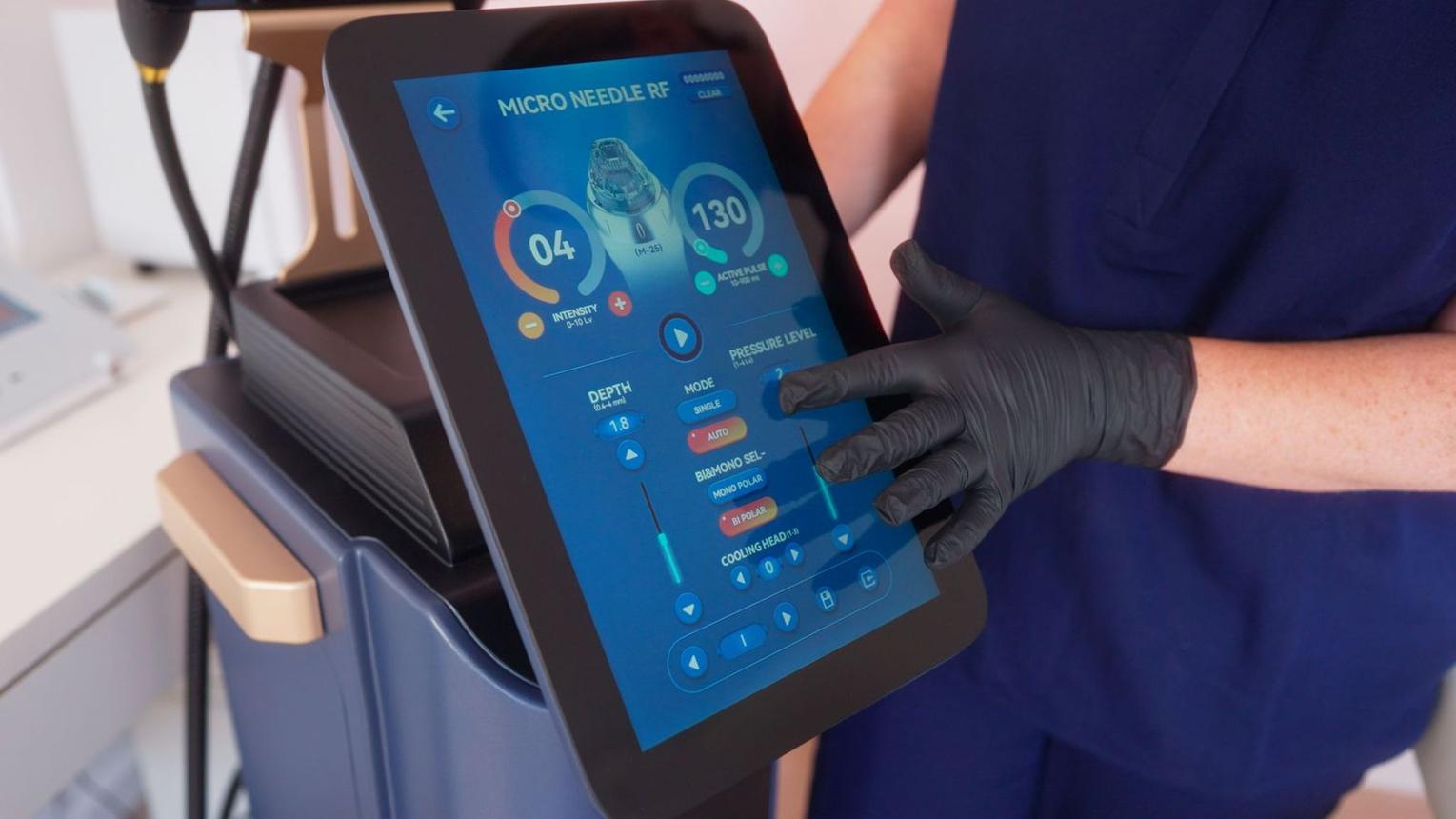
Advanced microneedling systems often include digital interfaces that allow practitioners to monitor speed, needle depth, and operating status throughout the procedure.
Compared with manual dermarollers, digital devices provide:
- More predictable performance
- Reduced operator fatigue
- Improved treatment repeatability
- Easier protocol standardization across multiple practitioners
For clinics serving a high volume of clients, consistency is often just as valuable as treatment efficacy
Advantages Compared with Traditional Topical Treatments
When comparing conventional serum application with professional microneedling-assisted delivery, several practical advantages become apparent.
| Treatment Aspect | Topical Application Alone | Microneedling + PDRN |
|---|---|---|
| Active ingredient penetration | Primarily limited by the skin barrier | Enhanced through controlled microchannels |
| Treatment customization | Depends mainly on product selection | Adjustable through device settings and serum selection |
| Biological stimulation | Limited | Combines collagen induction with active ingredient delivery |
| Suitable treatment indications | General skincare maintenance | Broader professional rejuvenation applications |
| Clinical consistency | Product-dependent | Supported by standardized treatment protocols |
It is important to note that treatment outcomes vary among individuals, and no aesthetic procedure can guarantee identical results for every client. Proper consultation, skin assessment, and realistic expectations remain essential components of professional care.
Applications in Professional Aesthetic Clinics
As demand for minimally invasive skin rejuvenation continues to grow, clinics increasingly integrate microneedling with regenerative serums into comprehensive treatment programs rather than offering it as a standalone procedure.
Common professional applications include:
Anti-Aging Programs
Clients seeking smoother, firmer skin often benefit from treatment plans designed to support collagen remodeling while improving the delivery of regenerative ingredients.
Acne Scar Management
Microneedling has long been incorporated into scar management protocols. When paired with appropriate professional skincare formulations, clinics can offer more comprehensive treatment strategies for improving overall skin texture.
Skin Revitalization
Individuals experiencing dullness, dehydration, or early signs of aging frequently seek treatments that enhance skin quality without significant downtime.
The combination of controlled collagen induction and optimized serum delivery makes microneedling an attractive option in these cases.
Post-Procedure Maintenance
Depending on the overall treatment plan established by qualified practitioners, microneedling may also complement broader skin maintenance programs aimed at preserving treatment outcomes over time.
Meeting Modern Client Expectations
Today's aesthetic clients are generally better informed than ever before. Rather than asking for a specific ingredient alone, many seek treatments supported by scientific rationale, measurable technology, and individualized protocols.
Professional clinics therefore benefit from equipment capable of delivering:
- Customized treatment parameters
- Consistent procedural quality
- Compatibility with multiple professional serums
- Efficient workflow
- High treatment versatility
- Reliable long-term performance
For aesthetic equipment manufacturers, this trend highlights an important shift within the industry. Future innovation is increasingly focused not only on developing new active ingredients but also on improving how those ingredients are delivered safely, consistently, and effectively.
Advanced microneedling technology represents one example of this evolution, providing practitioners with a versatile platform that can adapt to changing treatment protocols and emerging regenerative formulations.
Conclusion
The success of modern regenerative skincare depends on more than the potency of active ingredients. Delivery technology plays an equally critical role in determining whether those ingredients reach the skin layers where they can provide meaningful benefits.
Advanced microneedling addresses one of the most significant limitations of topical PDRN application by creating controlled microchannels that improve ingredient penetration while simultaneously stimulating the skin's natural healing response.
When performed by trained professionals using high-quality equipment, the combination of microneedling and PDRN offers a scientifically grounded approach to skin rejuvenation that aligns with the growing demand for minimally invasive, technology-driven aesthetic treatments.
As the aesthetic industry continues to emphasize personalized care and evidence-informed protocols, professional microneedling systems are expected to remain an important component of comprehensive skin regeneration programs—helping clinics deliver more consistent treatment experiences while maximizing the value of advanced regenerative skincare solutions
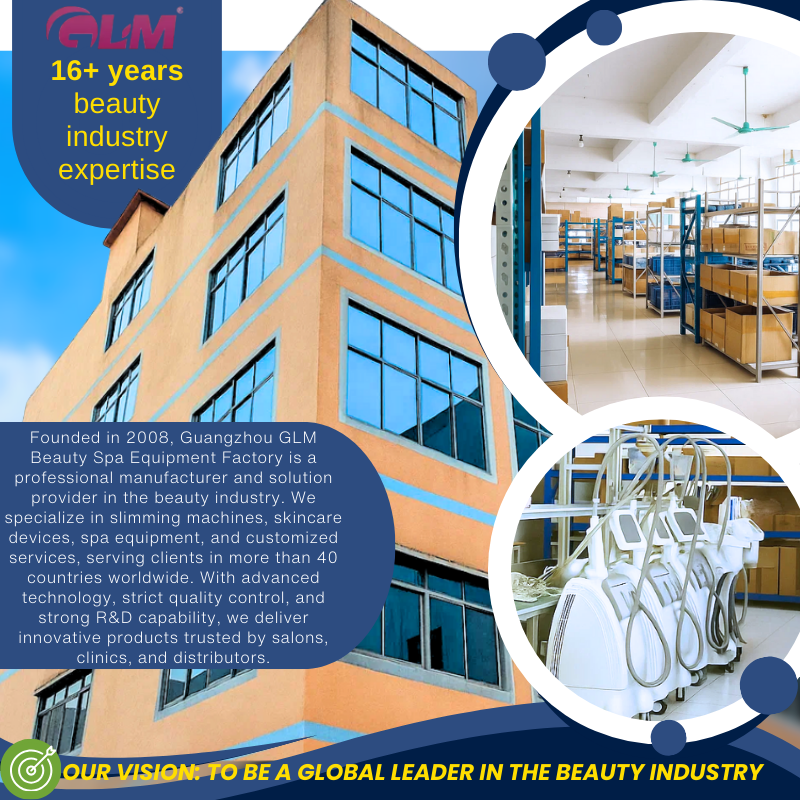
Founded in 2008, Guangzhou GLM Beauty Spa Equipment Factory specializes in research, development, manufacture and selling of beauty and slimming machines. Our production base is located in Guangzhou City, Guangdong Province, China. Since our foundation, we have introduced advanced technologies and equipment, to assure high quality and high performance of our products. With professional marketing guide and excellent after-sales service, our products have been exported to over 20 countries and regions, including Southeast Asia, the Middle East, Europe and the United States, won worldwide praises and gained a good reputation