
Bid Farewell to Pesky Back Acne: A Comprehensive Guide
Introduction:
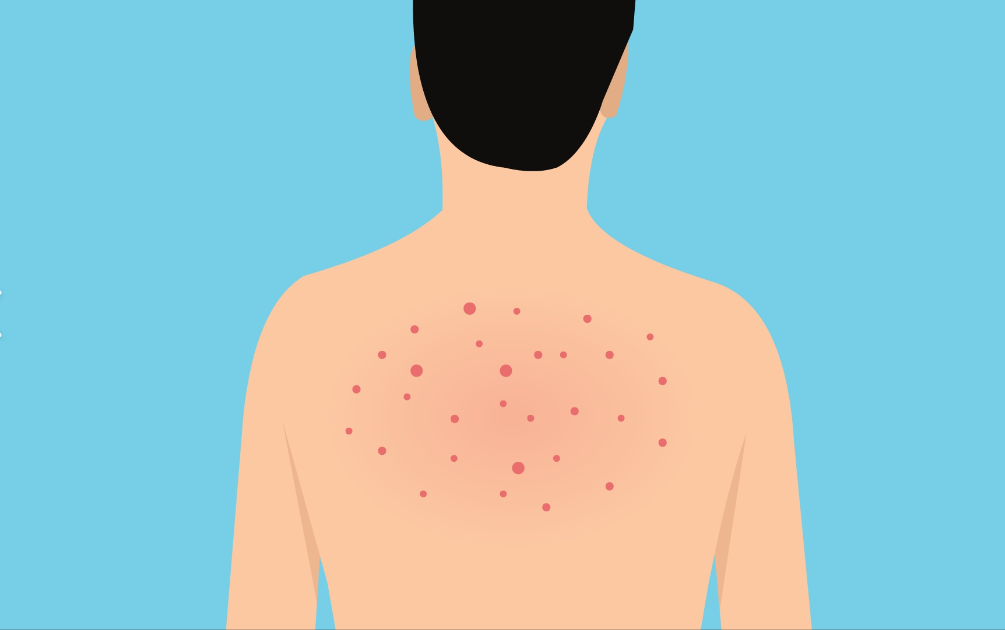
Back acne, colloquially referred to as bacne, is a common yet frustrating skin concern that plagues many individuals. It can manifest as a myriad of blemishes, ranging from mild whiteheads and blackheads to severe, inflamed cysts and nodules. Not only does bacne cause physical discomfort and pain, but it can also take a toll on one's mental well-being, leading to feelings of self-consciousness and low self-esteem.
However, there is hope! With the right understanding and a tailored approach, it is possible to effectively manage and even eliminate bacne for good. This comprehensive guide will delve into the various aspects of bacne management, including prevention strategies, treatment options, skincare routines, and lifestyle modifications, to help you achieve clearer, healthier skin.

Prevention Tips:
- Maintain Good Hygiene: Regularly wash your back with a gentle cleanser that is suitable for your skin type. Avoid harsh soaps and scrubs that can irritate your skin and exacerbate acne.
- Exfoliate Regularly: Exfoliation helps remove dead skin cells and excess oil that can clog pores, leading to acne. Use a body scrub or loofah in the shower to gently exfoliate your back.
- Change Your Sheets and Towels Often: Oil, sweat, and dead skin cells can accumulate on your bed sheets and towels, providing a breeding ground for acne-causing bacteria. Aim to change your linens and towels at least once a week.
- Wear Breathable Clothing: Choose clothing made from natural fibers that allow your skin to breathe and reduce sweating. Avoid synthetic fabrics that can trap moisture and heat, contributing to acne.
Treatment Options:
- Over-the-Counter Medications: Look for topical treatments containing ingredients like salicylic acid, benzoyl peroxide, or tea tree oil. These ingredients help to kill acne-causing bacteria, reduce inflammation, and dry out excess oil.
- Prescription Medications: For more severe cases of bacne, your dermatologist may prescribe medications such as topical retinoids, antibiotics, or oral contraceptives (for women with hormonal acne).
- Professional Procedures: Consider seeking professional treatments like chemical peels, laser therapy, or microdermabrasion to help reduce acne and improve skin texture.
Skincare Routines:
- Double Cleanse: Start your evening skincare routine by double cleansing your back. Use an oil-based cleanser first to dissolve excess oil and dirt, followed by a water-based cleanser to rinse everything away.
- Moisturize Appropriately: Choose a lightweight, non-comedogenic moisturizer that won't clog your pores. Apply it generously to your back after cleansing to keep your skin hydrated and healthy.
- Spot Treatments: If you notice any active acne lesions, apply a spot treatment containing benzoyl peroxide or salicylic acid directly to the affected area.
Lifestyle Modifications:
- Manage Stress: Stress can exacerbate acne by triggering hormonal imbalances. Incorporate stress-relief techniques like yoga, meditation, or exercise into your daily routine.
- Healthy Diet: A balanced diet rich in fruits, vegetables, and lean proteins can help improve your skin's overall health. Limit your intake of processed foods, sugary drinks, and dairy products, which have been linked to acne.
- Regular Exercise: Exercise promotes circulation, which helps deliver oxygen and nutrients to your skin. Plus, it can help reduce stress and improve your overall well-being.
In conclusion, bacne is a manageable skin concern that can be addressed through a combination of prevention strategies, treatment options, skincare routines, and lifestyle modifications. By taking a holistic approach to your skin health, you can bid farewell to pesky back acne and embrace clearer, healthier skin. Remember to be patient and consistent with your efforts, and don't hesitate to seek professional help if needed.
Understanding Back Acne: A Deeper Look
Differences Between Facial Acne and Back Acne:
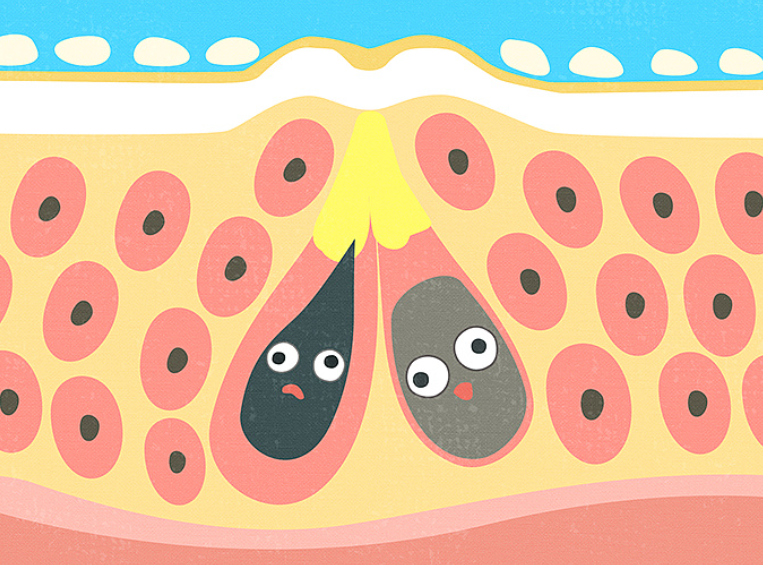
While facial acne often receives the lion's share of attention, back acne (bacne) is a unique and often overlooked skin concern. The skin on our backs differs significantly from that on our faces, primarily due to its thickness and the density of sebaceous glands. The back has a larger number of sebaceous glands, which produce sebum, an oily substance that helps lubricate and protect the skin. However, when these glands overproduce sebum, it can mix with dead skin cells and bacteria, clogging pores and leading to acne breakouts.
Furthermore, the back is a difficult-to-reach area, making it more challenging to maintain proper hygiene and treat acne effectively. This, coupled with the fact that clothing and bed sheets can rub against the skin, further irritate the area, and exacerbate acne.
Factors Contributing to Back Acne:
Back acne is a multifaceted issue that can be triggered by various factors. Here are some of the most common contributors:
- Genetics: Like facial acne, a person's genetic makeup can play a significant role in their susceptibility to bacne. If acne runs in your family, you may be more prone to developing it on your back.
- Hormonal Fluctuations: Hormonal changes, particularly during puberty, pregnancy, or menstruation, can stimulate the sebaceous glands to produce more sebum. This excess oil can clog pores and lead to acne.
- Excessive Sweating: The back is a common area for sweating, especially during physical activity or in hot, humid environments. Sweat can mix with sebum and dead skin cells, creating the perfect breeding ground for acne-causing bacteria.
- Buildup of Dead Skin Cells: Dead skin cells naturally slough off the skin's surface. However, if they are not properly exfoliated, they can accumulate and clog pores, leading to acne.
- Clothing and Bed Sheets: Tight-fitting clothing and non-breathable fabrics can trap sweat and moisture against the skin, promoting acne. Similarly, dirty bed sheets and towels can harbor acne-causing bacteria and irritate the skin.
Identifying the Different Types of Back Acne:
Back acne can manifest in various forms, each requiring a tailored treatment approach. Here are some of the most common types of bacne:
- Blackheads: Blackheads are clogged pores that appear as small, dark spots on the skin. They occur when sebum and dead skin cells oxidize and turn black, giving them their characteristic color.
- Whiteheads: Whiteheads, also known as closed comedones, are clogged pores that remain under the skin's surface. They appear as small, white bumps and are often more inflamed than blackheads.
- Pimples: Pimples are inflamed acne lesions that occur when clogged pores become infected with bacteria. They can be painful and may contain pus.
- Cysts: Cysts are the most severe form of acne and can occur on the back. They are large, painful, and deep-seated lesions that can take weeks or even months to heal. Cysts can cause scarring and should be treated by a dermatologist.
Understanding the differences between facial acne and back acne, as well as the factors that contribute to bacne and the various types it can take, is crucial in developing an effective treatment plan. By addressing the root causes and choosing the right treatments, you can achieve clearer, healthier skin on your back.
Prevention Tips for Back Acne: A Comprehensive Guide
Back acne, or bacne, can be a frustrating and persistent skin concern. However, with proper prevention measures, you can significantly reduce your risk of developing acne on your back. Here are some detailed tips to help you keep your back clear and acne-free:
- Proper Hygiene Practices:
- Regular Showers: Showering daily or after physical activity is essential to remove excess oil, sweat, dirt, and bacteria from your skin. Pay special attention to your back, using a gentle cleanser and a soft loofah or back scrubber to reach hard-to-reach areas.
- Warm Water: Use warm water instead of hot water, as hot water can strip your skin of its natural oils and irritate the skin.
- Rinse Thoroughly: Ensure that you rinse all cleansers and products off your skin to avoid residue that can clog pores.
- Choosing Non-Comedogenic Products:
- Skincare Products: Look for skincare products that are labeled non-comedogenic, meaning they are formulated to not clog pores. Avoid products with heavy oils, waxes, and synthetic fragrances that can irritate the skin and contribute to acne.
- Haircare Products: If you have long hair, choose shampoos and conditioners that are non-comedogenic and rinse your hair thoroughly to prevent product residue from dripping onto your back.
- Body Wash and Moisturizer: Opt for body washes and moisturizers that are suitable for acne-prone skin and contain ingredients like salicylic acid or benzoyl peroxide to help fight acne.
- Wearing Appropriate Clothing:
- Loose-Fitting Clothing: Tight-fitting clothes can rub against your skin and irritate it, leading to acne. Choose loose-fitting clothing made from breathable fabrics like cotton that allow your skin to breathe.
- Natural Fibers: Avoid synthetic fabrics like nylon and polyester that trap heat and moisture. Instead, opt for natural fibers that are more breathable and less likely to irritate your skin.
- Change Clothes After Sweating: If you've been sweating heavily, change into clean, dry clothes as soon as possible to prevent bacteria from multiplying on your skin.
- Avoid Excessive Heat and Humidity:
- Limit Saunas and Hot Tubs: While these activities may feel relaxing, they can also exacerbate back acne by increasing sweat and moisture on your skin. Limit your exposure to these environments, or choose to shower immediately afterward.
- Use Air Conditioning: In hot, humid climates, use air conditioning to keep your environment cool and dry. This can help reduce sweating and prevent acne-causing bacteria from thriving.
- Other Lifestyle Changes:
- Diet: While there is no definitive evidence that diet causes acne, some people may find that certain foods, such as dairy or high-glycemic foods, can trigger acne flare-ups. Experiment with your diet to see if eliminating certain foods helps improve your skin.
- Stress Management: Stress can exacerbate acne by causing hormonal fluctuations. Practice stress-reducing techniques like meditation, yoga, or exercise to keep your stress levels in check.
By incorporating these prevention tips into your daily routine, you can significantly reduce your risk of developing back acne and maintain clearer, healthier skin. Remember, it's important to be patient and consistent with your skincare regimen, as it may take time to see results. If you're struggling with severe or persistent bacne, consider seeking the advice of a dermatologist.
Treatment Options for Back Acne: A Comprehensive Guide
Treating back acne can be challenging due to the hard-to-reach nature of the area. However, with a combination of over-the-counter treatments, prescription medications, lifestyle changes, and professional treatments, you can achieve clearer, healthier skin. Here's a detailed look at the various treatment options for back acne:
- Over-the-Counter Topical Treatments:
- Salicylic Acid: Salicylic acid is a beta-hydroxy acid that works by exfoliating the skin and unclogging pores. It helps to remove dead skin cells and excess oil, making it easier for other acne-fighting ingredients to penetrate the skin. Look for salicylic acid-based creams, gels, or body washes specifically designed for acne-prone skin.
- Benzoyl Peroxide: Benzoyl peroxide is a powerful antibacterial agent that kills acne-causing bacteria and reduces inflammation. It's available in various strengths, ranging from 2.5% to 10%, and can be found in creams, gels, and washes. When using benzoyl peroxide, start with a lower concentration to avoid skin irritation and gradually increase if necessary.
- Combination Products: Some products combine salicylic acid and benzoyl peroxide to provide a dual-action treatment that unclogs pores and kills bacteria.
- Prescription Medications:
- Oral Antibiotics: If over-the-counter treatments aren't effective, a dermatologist may prescribe oral antibiotics to fight bacterial infections that contribute to acne. These medications work by reducing the number of acne-causing bacteria on the skin and can help reduce inflammation and redness.
- Retinoids: Retinoids are a class of medications that help to unclog pores and promote healthy skin cell turnover. They work by increasing the rate of cell turnover in the skin, which helps to remove dead skin cells and prevent pores from becoming clogged. Retinoids can be prescribed in the form of topical creams or gels or taken orally.
- Hormonal Treatments: In some cases, hormonal fluctuations can contribute to acne. Your dermatologist may recommend hormonal treatments, such as birth control pills or anti-androgen medications, to help regulate hormone levels and improve acne.
- Lifestyle Changes:
- Diet: Eating a balanced diet rich in fruits, vegetables, and whole grains can help to improve overall skin health. Avoid processed foods, high-glycemic foods, and excessive dairy consumption, as these have been linked to acne flare-ups in some individuals.
- Exercise: Regular exercise can help to reduce stress, improve circulation, and promote healthy skin. However, it's important to shower immediately after exercising to remove sweat and bacteria that can contribute to acne.
- Stress Management: Stress can exacerbate acne by causing hormonal fluctuations. Incorporate stress-reducing techniques into your daily routine, such as meditation, yoga, or deep breathing exercises.
- Sleep: Getting enough sleep is crucial for overall health and skin health. Aim for 7-9 hours of sleep per night to help your skin recover and rejuvenate.
- Professional Treatments:
- Chemical Peels: Chemical peels use a chemical solution to exfoliate the top layer of skin, removing dead skin cells and revealing smoother, clearer skin. Different strengths of peels are available, ranging from mild to deep, and can be customized to your skin's needs.
- Laser Therapy: Laser therapy uses concentrated beams of light to target acne-causing bacteria and reduce inflammation. It can also help to stimulate collagen production, leading to firmer, smoother skin.
- Extractions: Extractions involve manually removing clogged pores and blackheads from the skin. A dermatologist or esthetician can perform extractions safely and effectively, minimizing the risk of scarring or infection.
Remember, the best treatment plan for back acne will depend on the severity of your acne, your skin type, and any underlying factors that may be contributing to your acne. Consult a dermatologist to determine the most appropriate treatment options for you.
Skincare Routine for Acne-Prone Back Skin
Having acne on your back can be just as frustrating as dealing with it on your face. The skin on your back is thicker and has a higher concentration of sebaceous glands, which can make it more prone to breakouts. However, with a consistent and tailored skincare routine, you can effectively manage and reduce acne on your back. Here's a detailed guide to help you establish a comprehensive skincare routine for your acne-prone back skin.
Cleansing
Choosing the Right Cleanser:
- Start by selecting a gentle cleanser that is specifically formulated for acne-prone skin. Look for products that contain salicylic acid, benzoyl peroxide, or tea tree oil, as these ingredients are known for their acne-fighting properties.
- Avoid cleansers with harsh surfactants or fragrances, as they can strip the skin of its natural oils and irritate it further.
Proper Cleansing Technique:
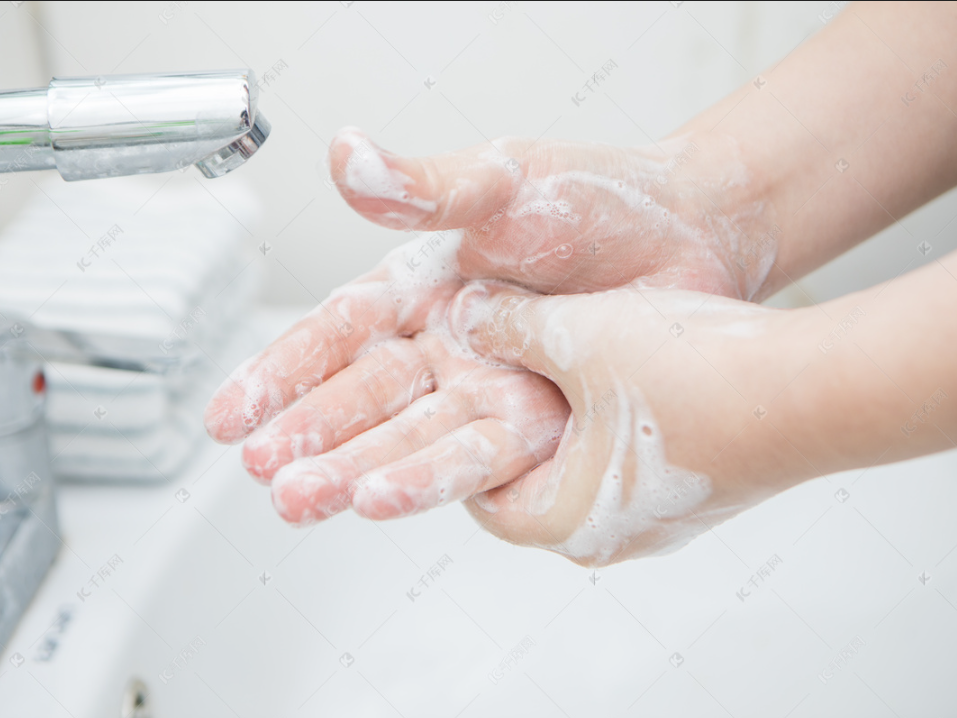
- Wash your back thoroughly with the cleanser, using circular motions with your fingertips or a soft loofah. This helps to gently lift dirt, excess oil, and impurities from the skin's surface.
- Rinse thoroughly with lukewarm water to remove all traces of the cleanser. Avoid using hot water, as it can dry out your skin and exacerbate acne.
- Remember to cleanse your back after sweating or engaging in physical activities, as sweat and dirt can clog pores and contribute to breakouts.
Exfoliation
Why Exfoliate?
- Exfoliation is crucial for acne-prone skin as it helps to remove dead skin cells that can clog pores and trap bacteria, leading to acne.
- It also promotes cell turnover, revealing smoother, brighter skin.
Choosing the Right Exfoliator:
- Look for exfoliators that contain alpha-hydroxy acids (AHAs) like glycolic or lactic acid, or beta-hydroxy acids (BHAs) like salicylic acid. These ingredients are effective at penetrating deep into pores to dissolve dead skin cells and excess oil.
- Avoid physical exfoliants with rough particles, as they can be too abrasive for acne-prone skin.
Exfoliation Schedule:
- Exfoliate your back once or twice a week, depending on your skin's sensitivity and tolerance. If you find that your skin becomes irritated or dry, reduce the frequency.
- Apply the exfoliator in gentle circular motions, focusing on areas prone to acne. Rinse thoroughly with lukewarm water afterward.

Moisturizing
The Importance of Moisturizing:
- Even acne-prone skin needs hydration to maintain its barrier function and prevent dryness, which can actually trigger more acne.
- However, it's crucial to choose a moisturizer that is non-comedogenic, meaning it won't clog pores.
Choosing the Right Moisturizer:
- Look for moisturizers that are labeled as oil-free, non-comedogenic, and suitable for acne-prone skin.
- Ingredients like hyaluronic acid, glycerin, and niacinamide are excellent choices as they draw moisture to the skin without leaving a greasy residue.
Application Tips:
- Apply the moisturizer to your damp skin immediately after cleansing and exfoliating to lock in hydration.
- Use enough product to cover your entire back, but avoid over-application, as excess product can clog pores.
Spot Treatments
When to Use Spot Treatments:
- Spot treatments are targeted solutions for individual breakouts or areas of inflammation.
- They should be used in addition to your daily skincare routine to help reduce redness, swelling, and promote faster healing.
Choosing the Right Spot Treatment:
- Look for spot treatments that contain acne-fighting ingredients like benzoyl peroxide, salicylic acid, or tea tree oil.
- Some products may also contain calming ingredients like aloe vera or chamomile to soothe irritated skin.
Application Instructions:
- Apply the spot treatment directly to the affected area using a cotton swab or your fingertips.
- Follow the product's instructions carefully, as some spot treatments may need to be left on for a specific amount of time before rinsing off.
- Avoid applying spot treatments to broken or irritated skin, as they can cause further irritation.
By following this comprehensive skincare routine tailored for acne-prone back skin, you can effectively manage and reduce acne breakouts. Remember to be patient and consistent with your routine, as skin improvement takes time. If your acne persists or becomes severe, consult a dermatologist for professional advice and treatment options.
Lifestyle Modifications for Better Health and Clearer Skin
Exercise and Diet:
Integrating regular exercise into your daily routine and adopting a healthy diet can significantly enhance your overall well-being and contribute to clearer, more radiant skin. Aim for at least 30 minutes of moderate-intensity exercise most days of the week, such as jogging, cycling, or swimming. This not only improves circulation but also promotes hormone balance, which can help reduce skin inflammation and acne.
In terms of diet, prioritize nutrient-dense foods that nourish your body from within. Fill your plate with a variety of colorful fruits and vegetables, which are rich in antioxidants, vitamins, and minerals essential for healthy skin. Incorporate lean proteins like fish, poultry, and plant-based sources like beans and lentils for muscle repair and growth. Additionally, choose whole grains over refined grains for sustained energy and better digestion. Limit processed foods, sugary drinks, and excessive alcohol consumption, as these can disrupt your skin's natural balance.
Stress Management:
Chronic stress can exacerbate skin conditions like acne by triggering hormonal imbalances and inflammation. Implementing stress management strategies into your daily life is crucial for maintaining clear skin and overall mental well-being. Techniques such as meditation, yoga, and deep breathing exercises can help calm the mind and reduce stress hormones like cortisol. Additionally, consider engaging in hobbies you enjoy, spending time in nature, or practicing gratitude to further reduce stress levels.
Avoid Aggravating Behaviors:
Certain habits can exacerbate back acne, particularly in areas where clothing rubs against the skin or where sweat accumulates. To prevent this, avoid engaging in behaviors that can irritate your skin:
- Prompt Showering After Exercise or Heavy Sweating: Ensure you shower soon after engaging in activities that cause you to sweat profusely. Use a gentle cleanser to remove excess oil, dirt, and sweat that can clog pores and lead to acne.
- Wear Breathable, Clean Clothing: Opt for loose-fitting, breathable fabrics like cotton that allow your skin to breathe and reduce sweating. Regularly wash your clothes, especially workout gear, to prevent bacteria and oil build-up that can contribute to acne.
- Avoid Picking or Squeezing Blemishes: Picking at pimples or blackheads can introduce bacteria into the skin, causing inflammation and potentially leading to scarring. Resist the urge to touch or squeeze your skin, and instead, use gentle, non-comedogenic skincare products to treat acne.
By adopting these lifestyle modifications, you can promote clearer skin and overall better health. Remember, consistency and patience are key – making small, sustainable changes over time will yield the best results.
Conclusion:
Back acne, though often a source of frustration and a blow to self-confidence, is a highly manageable and treatable skin condition. By embracing the comprehensive strategies outlined in this blog post, you are well on your way to reclaiming the smooth, clear skin you deserve. It's important to understand that achieving and maintaining healthy skin is a journey, not a one-time fix.
Firstly, recognizing that back acne is often a reflection of our internal health and external habits is crucial. Regular exercise and a balanced diet rich in nutrients fuel your body from within, promoting overall wellness and contributing to clearer skin. Remember, every bite you take and every step you make is a step towards better health and skin.
Secondly, stress management cannot be overlooked. Our mental well-being is intimately connected to our physical health, including the health of our skin. By incorporating stress-relieving practices like meditation, yoga, or deep breathing into your daily routine, you're not only calming your mind but also giving your skin a chance to heal and rejuvenate.
Moreover, avoiding behaviors that aggravate back acne is essential. From showering promptly after sweating to wearing clean, breathable clothing, every little effort you make to care for your skin goes a long way in preventing acne breakouts. Remember, prevention is always better than cure, and taking proactive steps to protect your skin can save you from unnecessary discomfort and frustration.
Lastly, consistency is the cornerstone of any successful skincare routine or lifestyle modification. It's easy to get discouraged or lose motivation, but remember that progress is gradual and incremental. Stay committed to your routine, even when results may not be immediately visible. Over time, you'll notice a significant improvement in the health and appearance of your skin.
In conclusion, by combining effective skincare practices with healthy lifestyle choices, you can bid farewell to pesky back acne and embrace a newfound confidence in your skin. Remember, your skin is a reflection of your inner health and outer beauty, so treat it with the care and attention it deserves. With perseverance and consistency, you'll soon be flaunting your back with pride, knowing that you've earned every inch of that clearer, healthier skin.