Melasma and picosecond laser: in-depth analysis and new hope for treatment
Melasma, a skin condition often referred to as "pregnancy spots," is a major obstacle for many people in their quest for beautiful skin. It's not just for pregnant women; contraceptive use, excessive sun exposure, and genetic predisposition can all make it an uninvited guest on your skin. These black spots, especially when they appear on exposed areas such as the face, neck and arms, undoubtedly deal a blow to people's confidence and quality of life. Although there are numerous treatments on the market that claim to be effective in alleviating melasma, many patients are still frustrated by poor treatment or recurrent episodes. However, with the advancement of science and technology, picosecond laser therapy is gradually becoming a new favorite in the treatment of melasma, bringing unprecedented hope to many patients.

The intractable mystery of melasma
Melasma is difficult to treat because of the complexity of its formation. Pigmentation is deep in the dermis of the skin, making topical treatments such as creams that act only on the epidermis layer limited. In addition, the skin prone to melasma is often extremely sensitive and reacts strongly to standard treatments such as chemical peelings and intense pulsed light, which can lead to post-inflammatory pigmentation (PIH), which worsens the condition. Traditional therapy is not only slow to work, but also has a high recurrence rate, leaving patients trapped in an endless cycle.
Picosecond laser: Innovative treatment for melasma
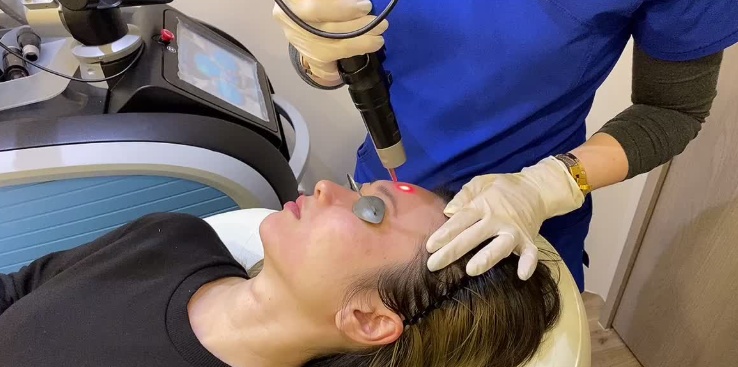
The emergence of picosecond laser technology has brought a revolutionary breakthrough for the treatment of melasma. Unlike conventional lasers, picosecond lasers precisely deliver energy to the target tissue with their ultra-short pulse duration (measured in picoseconds, or trillionths of a second). This energy efficiently breaks down melanin particles into smaller fragments, speeding up the body's natural metabolic processes of these fragments and significantly reducing pigmentation.
The unique advantages of picosecond laser therapy
High accuracy: The picosecond laser precisely targets pigmented areas, reducing damage to surrounding healthy tissue and reducing inflammation after treatment.
The effect is significant: most patients can be observed after several treatments, melasma can be significantly weakened, or even completely disappeared.
Wide range of applications: The technique is safe and effective for all skin tones, reducing the risk of uneven pigmentation and enabling more patients to benefit.
Rapid recovery: The redness and swelling after treatment are slight and usually subside within a day or two, greatly shortening the recovery period and facilitating patients to quickly return to daily life.
Double benefit: While removing pigmentation, the picosecond laser stimulates collagen production, improving skin texture and making skin smoother and more delicate.
Potential risks and countermeasures
Although the effect of picosecond laser treatment of melasma is remarkable, any medical treatment has certain risks. Improper manipulation or improper laser setting can lead to post-inflammatory pigmentation that worsens the skin condition. Therefore, it is crucial to choose an experienced dermatologist. They are able to tailor treatment to the patient's skin type, severity of melasma, and individual needs to minimize risk and improve treatment outcomes.
Critical steps to ensure safe treatment
Thorough skin evaluation: Before treatment, the dermatologist will conduct a thorough evaluation of the patient's skin to ensure that the treatment plan is appropriate for their skin type and condition.
Professional protection: During the treatment, patients need to wear protective glasses to prevent laser damage to the eyes, while using cooling technology to reduce discomfort during the treatment.
Follow-up care: After treatment, patients should follow their dermatologist's recommendations to use gentle, moisturizing skin care products and adhere to daily application of broad-spectrum sunscreen to prevent new pigmentation from forming.
Regular visits: In order to maintain the effectiveness of treatment, patients need to follow the doctor's recommendations for regular visits and follow-up treatment.
The secret to maximising therapeutic effectiveness
In addition to professional treatment, the patient's own preparation and follow-up care are equally important. Avoid direct sunlight and use harsh skin care products for a week before treatment to reduce discomfort and risk during treatment. After treatment, it is necessary to pay more attention to the moisturizing and sunscreen work of the skin to consolidate the therapeutic effect and prevent the recurrence of melasma.

A bright future for melasma
With the continuous development and improvement of picosecond laser technology, the treatment prospect of melasma is getting brighter and brighter. This revolutionary treatment not only provides patients with an efficient and safe treatment option, but also improves the overall quality of the skin. While melasma can still be a challenging condition, the picosecond laser treatment certainly opens the door to brighter, clearer skin for patients. As long as you choose the right treatment, and carry out careful preparation and follow-up care under the guidance of professional doctors, I believe that every patient can have healthy and beautiful skin.