Introduction
Non-invasive body contouring has become one of the fastest-growing sectors in the professional beauty and aesthetic industry. As more clients seek slimmer body shapes without surgery, beauty clinics and medical spas are increasingly investing in advanced fat reduction technologies that can deliver visible results with minimal downtime.
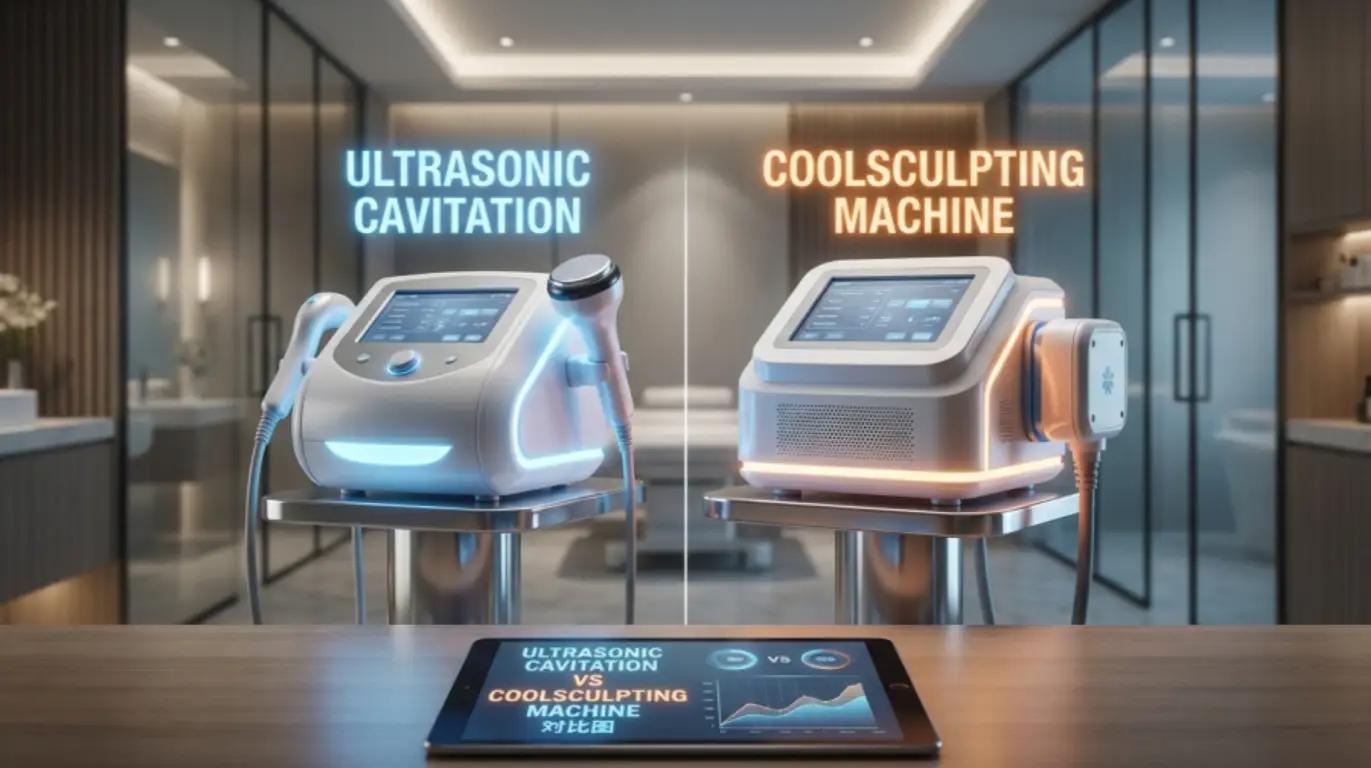
Among the most popular technologies in modern body contouring are Cavitation and Cryolipolysis. Both treatments are designed to target stubborn fat areas without invasive surgery, yet they work through completely different mechanisms and provide different treatment experiences.
For salon owners, distributors, aesthetic clinics, and professional operators, understanding the differences between these two technologies is important not only for treatment planning, but also for equipment investment decisions and long-term business positioning.
This article explores how cavitation and cryolipolysis work, compares their advantages and limitations, examines ideal treatment applications, and explains why professional body contouring equipment continues to play an increasingly important role in modern aesthetic clinics.
Background and Growing Demand for Non-Invasive Body Contouring
Modern consumers are placing greater emphasis on body shape management, contour refinement, and localized fat reduction. Even clients who maintain healthy lifestyles often struggle with stubborn fat deposits that are difficult to reduce through diet and exercise alone.
Common treatment areas include:
- Abdomen
- Waist
- Thighs
- Arms
- Back
- Double chin
Traditionally, liposuction was considered the primary solution for noticeable fat reduction. However, many clients prefer to avoid surgical procedures because of:
- Recovery time
- Surgical risks
- Pain and bruising
- High treatment costs
- Downtime affecting work and lifestyle
As a result, demand for non-invasive body sculpting treatments has increased dramatically worldwide.
Today’s clients are often looking for treatments that provide:
- No surgery
- Minimal discomfort
- Convenient treatment sessions
- Gradual natural-looking improvement
- Little to no downtime
This growing market demand has encouraged aesthetic equipment manufacturers to develop advanced body contouring systems that offer safer and more comfortable alternatives to invasive procedures.
Among these technologies, cavitation and cryolipolysis have become two of the most recognized treatment categories in professional beauty clinics.
Although both treatments aim to reduce localized fat, their technologies, treatment experiences, and clinical positioning differ significantly.
Technology and Mechanism: How Cavitation and Cryolipolysis Work
What Is Cavitation?
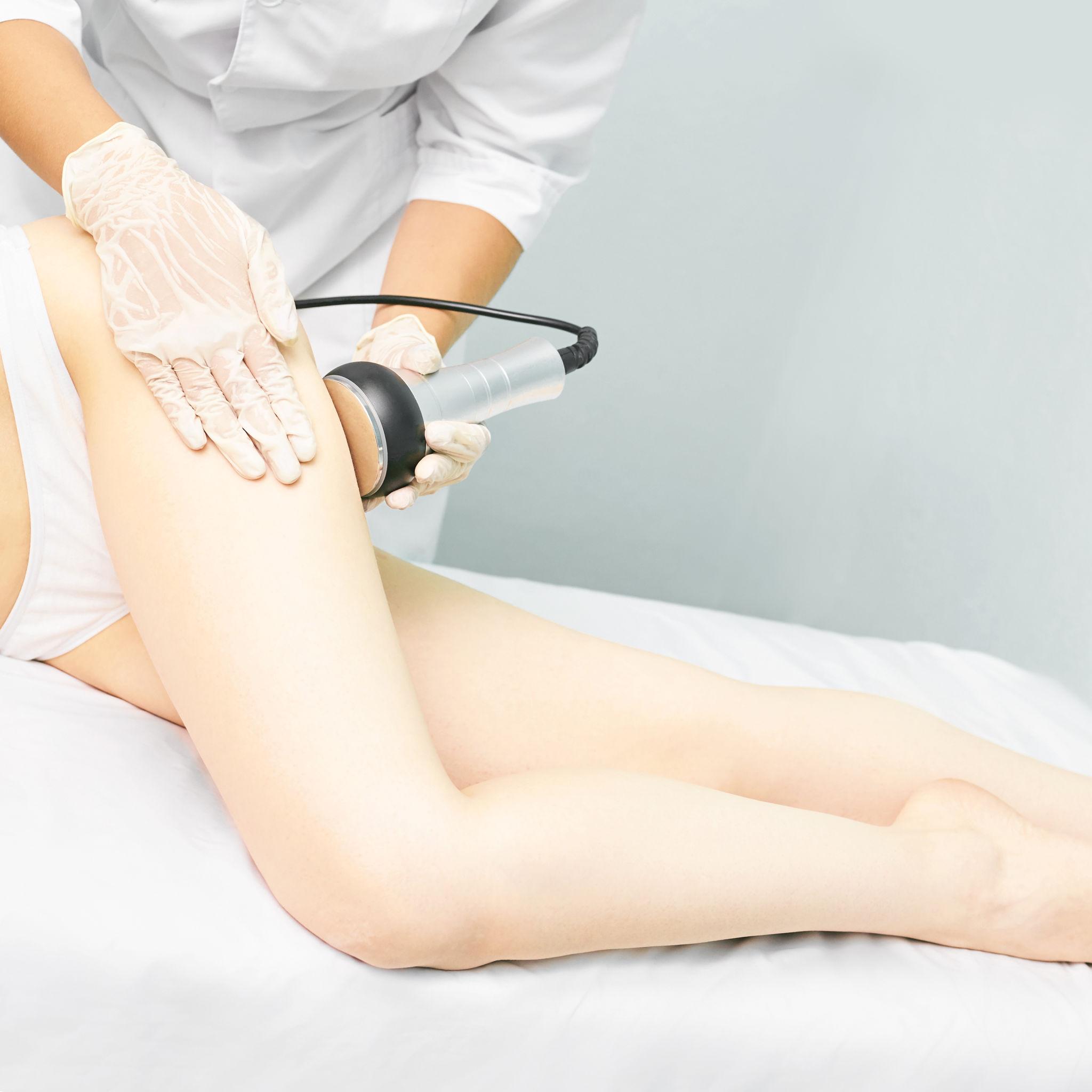
Cavitation, often called ultrasonic cavitation, uses low-frequency ultrasound waves to target fat cells beneath the skin.
During treatment, ultrasound energy creates rapid pressure changes within fat tissue. These pressure fluctuations generate microscopic bubbles around fat cells, leading to disruption of fat cell membranes.
Once the fat cells are broken down, the released fatty substances are gradually processed and eliminated through the body’s natural metabolic and lymphatic systems.
Characteristics of Cavitation Technology
Professional cavitation systems are known for:
- Non-invasive treatment
- Comfortable procedure experience
- No recovery time
- Large-area treatment capability
- Combination treatment flexibility
Cavitation is often combined with additional technologies such as:
- Radio Frequency (RF)
- Vacuum therapy
- EMS stimulation
- Lymphatic drainage
This multifunctional approach is popular in beauty salons because it allows operators to create more comprehensive body contouring programs.
What Is Cryolipolysis?
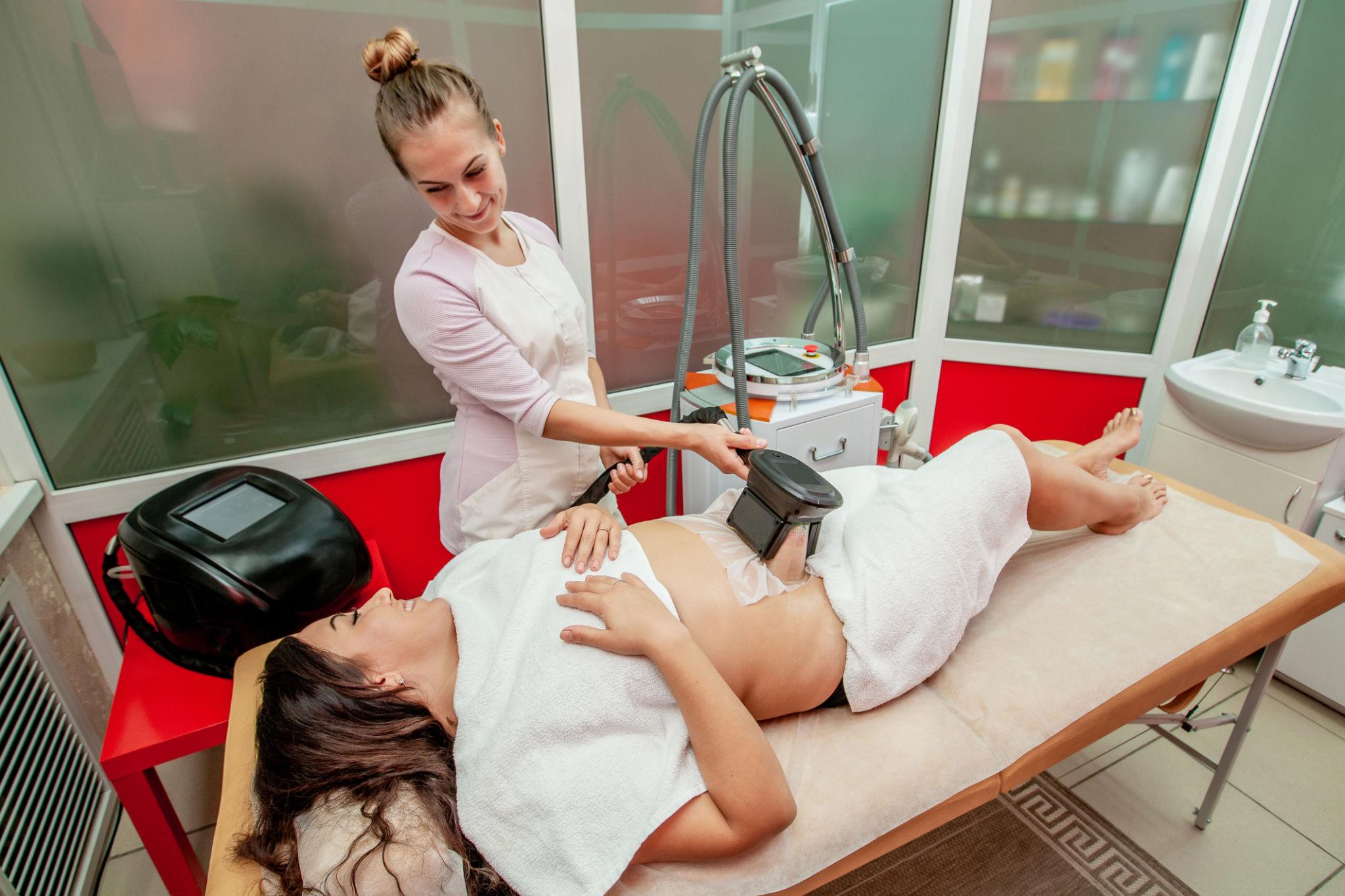
Cryolipolysis, commonly known as fat freezing, uses controlled cooling technology to target and reduce fat cells.
The treatment works by exposing fat tissue to low temperatures that trigger apoptosis, a natural process of fat cell death.
Because fat cells are more sensitive to cold than surrounding tissues, the cooling process selectively affects fat layers while minimizing damage to skin and nearby structures.
After treatment, the body gradually removes the affected fat cells through natural metabolic processes over several weeks to months.
Characteristics of Cryolipolysis Technology
Professional cryolipolysis systems are known for:
- Controlled cooling precision
- Targeted fat reduction
- Gradual slimming results
- Minimal invasiveness
- Popularity in premium body sculpting markets
Modern cryolipolysis equipment often includes:
- Multi-handle systems
- Vacuum suction applicators
- Temperature monitoring
- Intelligent cooling control
- Multiple treatment cup sizes
These features improve treatment customization for different body areas and client needs.
Cavitation vs Cryolipolysis: Key Differences
1. Treatment Mechanism
The biggest difference between the two technologies lies in how they affect fat cells.
Cavitation
Uses:
- Ultrasound vibration
- Mechanical disruption
- Pressure-wave technology
Cryolipolysis
Uses:
- Controlled cooling
- Fat cell crystallization
- Cold-induced apoptosis
Both treatments are non-invasive, but the biological processes involved are entirely different.
2. Treatment Experience
Cavitation Sessions
Cavitation treatments are generally described as:
- Relaxing
- Warm
- Comfortable
- Similar to massage-like body treatments
Most clients feel only mild heat or vibration during the procedure.
Cryolipolysis Sessions
Cryolipolysis treatments usually involve:
- Initial cold sensation
- Strong vacuum suction
- Temporary numbness in treatment areas
Although discomfort is typically manageable, some clients may find fat freezing treatments more intense than cavitation sessions.
3. Treatment Areas and Fat Thickness
Cavitation
Cavitation is often suitable for:
- Mild to moderate localized fat
- Larger treatment zones
- Overall body contour refinement
- Cellulite-focused programs
Because cavitation can cover broader areas efficiently, many salons use it for regular body shaping packages.
Cryolipolysis
Cryolipolysis is commonly used for:
- More stubborn fat pockets
- Pinchable fat areas
- Defined contour zones
- Smaller targeted fat deposits
It is particularly popular for:
- Lower abdomen
- Love handles
- Double chin
- Inner thighs
4. Treatment Speed and Results Timeline
Cavitation Results
Some clients notice temporary inch-loss effects relatively quickly, especially when treatments are combined with:
- Hydration
- Exercise
- Lymphatic drainage
- Dietary management
However, multiple sessions are usually needed for more noticeable improvement.
Cryolipolysis Results
Cryolipolysis typically produces slower but more targeted fat reduction.
Visible improvement often develops gradually over:
- Several weeks
- 1–3 months post-treatment
This delayed timeline is due to the body’s natural elimination process of affected fat cells.
5. Clinic Positioning and Market Perception
Cavitation Positioning
Cavitation is commonly positioned as:
- Wellness-oriented body shaping
- Beauty salon slimming treatment
- Body contour maintenance service
It is widely used in:
- Beauty salons
- Spa environments
- Entry-to-mid-level body contouring businesses
Cryolipolysis Positioning
Cryolipolysis is often perceived as:
- Higher-end body sculpting
- Medical aesthetic treatment
- Premium fat reduction service
Many clinics market cryolipolysis as an advanced non-surgical alternative to liposuction.
This premium positioning can support higher treatment pricing in competitive markets.
Advantages and Clinical Considerations
Advantages of Cavitation
Professional cavitation systems offer several practical advantages:
- Comfortable treatment experience
- Flexible combination therapy options
- Faster session turnover
- Lower treatment discomfort
- Broad treatment coverage
For beauty salons offering ongoing body maintenance programs, cavitation can be highly versatile.
Many professional cavitation machines also integrate multiple technologies into one platform, improving operational flexibility.
Advantages of Cryolipolysis
Cryolipolysis systems are valued for:
- Targeted fat reduction
- Strong market recognition
- Premium treatment positioning
- Non-surgical fat freezing appeal
- Long-term contouring potential
Professional cooling systems with precise temperature control can also improve treatment consistency and safety.
Importance of Professional Equipment
Although home-use slimming devices are becoming increasingly common, professional body contouring systems continue to provide significant advantages.
Professional-grade equipment generally offers:
- More stable energy output
- Better cooling precision
- Higher treatment efficiency
- Improved safety systems
- Greater treatment customization
- More reliable clinical performance
For clinics and beauty businesses, professional equipment also enhances:
- Client trust
- Treatment credibility
- Premium service positioning
- Long-term business value
Applications and Client Needs in Professional Clinics
Ideal Clients for Cavitation
Cavitation may be suitable for clients who:
- Prefer gentle body treatments
- Want gradual contour refinement
- Seek body maintenance programs
- Have mild to moderate fat accumulation
- Enjoy regular spa-style treatments
It is particularly popular among clients seeking:
- Comfort-focused treatments
- Non-invasive slimming routines
- Combination therapy programs
Ideal Clients for Cryolipolysis
Cryolipolysis is often recommended for clients who:
- Have stubborn localized fat pockets
- Want more targeted contouring
- Prefer fewer sessions
- Seek visible body sculpting improvement
- Are interested in premium fat-freezing procedures
It is commonly selected by clients seeking stronger contour definition without surgery.
Why Consultation and Customization Matter
No single body contouring technology is ideal for every client.
Professional consultation is important because treatment success depends on:
- Body composition
- Fat distribution
- Skin condition
- Lifestyle habits
- Treatment expectations
Experienced operators can create personalized treatment plans by combining technologies and adjusting treatment parameters appropriately.
This professional customization is one of the major advantages professional clinics maintain over home-use devices.
Conclusion
Both cavitation and cryolipolysis have become important technologies in the rapidly growing non-invasive body contouring market.
Cavitation is valued for its comfort, versatility, and suitability for regular body shaping programs, while cryolipolysis is widely recognized for targeted fat reduction and premium body sculpting positioning.
Rather than competing directly, these technologies often serve different client needs and clinic treatment strategies.
For beauty salons and aesthetic clinics, selecting the right body contouring equipment depends on treatment goals, business positioning, client demographics, and service models.
As demand for non-surgical fat reduction continues to grow, professional body contouring systems that combine safety, effectiveness, comfort, and treatment flexibility are likely to remain highly valuable in the evolving aesthetics industry.
Founded in 2008, Guangzhou GLM Beauty Spa Equipment Factory specializes in research, development, manufacture and selling of beauty and slimming machines. Our production base is located in Guangzhou City, Guangdong Province, China. Since our foundation, we have introduced advanced technologies and equipment, to assure high quality and high performance of our products. With professional marketing guide and excellent after-sales service, our products have been exported to over 20 countries and regions, including Southeast Asia, the Middle East, Europe and the United States, won worldwide praises and gained a good reputation.