
Choosing the Right Laser Hair Removal for Your Skin Tone
Are you considering laser hair removal? It’s an effective and long-lasting hair removal solution that many people opt for. However, not all lasers work the same for all skin tones. Choosing the right laser for your specific skin tone is crucial for achieving the best results and avoiding any potential complications. In this article, we will explore the factors to consider and the best laser options for different skin tones.
Understanding Different Skin Tones
When it comes to selecting the most appropriate laser hair removal treatment, a crucial aspect to consider is your skin tone. The Fitzpatrick skin type classification system serves as a standard for categorizing skin tones based on their pigmentation and reaction to ultraviolet (UV) radiation from the sun. This scale ranges from Type I, representing the lightest skin tones, to Type VI, encompassing the darkest skin tones.
However, for the specific purpose of laser hair removal, we often simplify the Fitzpatrick scale into three main categories: light, medium, and dark skin tones. This categorization helps laser technicians and dermatologists tailor the treatment plan according to the patient's skin type, thereby maximizing the effectiveness of the procedure while minimizing the risk of side effects.
Light Skin Tones
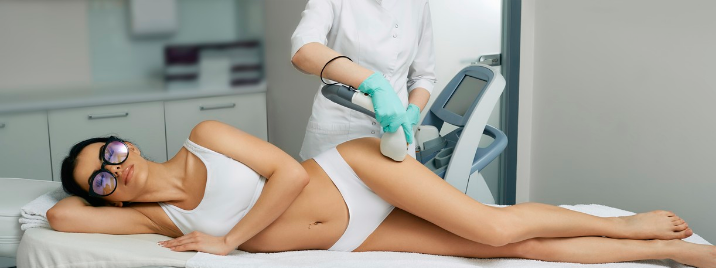
Light skin tones, typically falling within the Fitzpatrick Types I to III, are characterized by a low level of melanin, the pigment that gives skin its color. These skin types tend to burn easily when exposed to the sun and are less likely to tan. For laser hair removal, light skin tones are generally considered the easiest to treat as the laser can target the hair follicle more precisely without affecting the surrounding skin.
Medium Skin Tones
Medium skin tones, usually corresponding to Fitzpatrick Types IV, possess a moderate amount of melanin. These skin types are more resistant to sunburn and have the ability to tan. In laser hair removal procedures, special considerations need to be made for medium skin tones to ensure that the laser energy is balanced between effectively targeting the hair follicle and minimizing the risk of hyperpigmentation or discoloration of the skin.
Dark Skin Tones
Dark skin tones, represented by Fitzpatrick Types V and VI, have a high level of melanin and are very resistant to sunburn. The increased pigmentation of these skin types can make laser hair removal more challenging, as the laser needs to be carefully calibrated to target the hair follicle while avoiding unnecessary absorption of energy by the melanin in the skin. For dark skin tones, it is crucial to consult with an experienced laser technician or dermatologist who has specialized training in treating darker skin types.
By understanding your skin tone and its classification within the Fitzpatrick scale, you can make an informed decision about the laser hair removal treatment that is most suitable for you. Remember to consult with a professional to ensure that you receive the safest and most effective treatment possible.
Factors to Consider in Choosing Laser Hair Removal
When it comes to selecting a laser hair removal treatment, it is essential to consider several key factors to ensure the procedure's safety, efficacy, and suitability for your specific needs. Here are the factors you should take into account:
1. Safety and Efficacy of the Laser Technology
The safety and efficacy of the laser technology used for hair removal are paramount. You should inquire about the laser system's FDA approval status and whether it has been clinically proven to be safe and effective. Additionally, the experience and expertise of the technician or doctor performing the procedure also play a crucial role in ensuring the safety and success of the treatment.
2. Targeted Hair Color and Thickness
The color and thickness of the hair you wish to remove are essential factors to consider. Lasers work by targeting the melanin (pigment) in the hair follicle, so the darker the hair, the easier it is for the laser to target. Conversely, laser hair removal may be less effective for lighter-colored hair, such as gray, blonde, or red hair, as they contain less melanin.
The thickness of the hair also impacts the treatment's effectiveness. Thicker, coarse hair tends to respond better to laser hair removal treatments compared to finer, thinner hair.
3. Special Considerations for Different Skin Tones
Different skin tones require special considerations when undergoing laser hair removal. As mentioned earlier, the Fitzpatrick skin type classification system categorizes skin tones based on their pigmentation and reaction to UV radiation. Laser treatments need to be tailored to the patient's skin type to minimize the risk of side effects, such as hyperpigmentation or burns.
For light skin tones, laser hair removal treatments are generally more straightforward as the laser can target the hair follicle more precisely. However, medium and dark skin tones require more careful calibration of the laser settings to avoid unnecessary absorption of energy by the melanin in the skin. It is crucial to consult with a professional who has specialized training in treating darker skin types to ensure the safety and efficacy of the procedure.
By considering these factors, you can make an informed decision about the laser hair removal treatment that is most suitable for your needs and skin type. Remember to consult with a qualified professional to ensure you receive the best possible results.

Laser Hair Removal Options for Light Skin Tones
When it comes to laser hair removal, light skin tones tend to respond very well to various treatment options. This is because the laser can more precisely target the hair follicle while minimizing the absorption of energy by the melanin in the skin. Here are some detailed laser hair removal options suitable for light skin tones:
IPL (Intense Pulsed Light) Technology
Intense Pulsed Light (IPL) technology is a popular choice for light skin tones with light to medium hair color. IPL works by emitting intense pulses of light that penetrate the skin and target the melanin in the hair follicle. As the hair follicle absorbs the energy from the IPL, it is damaged, which eventually leads to hair removal.
The advantage of IPL is that it is suitable for a wide range of skin tones, including light skin. Additionally, IPL treatments are often described as less painful than other laser hair removal options. However, multiple sessions may be required to achieve desired results.
Alexandrite Lasers
Alexandrite lasers are another excellent choice for light skin tones. These lasers emit a specific wavelength of light that is highly absorbed by the melanin in the hair follicle. As a result, Alexandrite lasers can effectively target and damage the hair follicle, leading to hair removal.
Alexandrite lasers are particularly suitable for light skin tones as they can precisely target the hair follicle while minimizing the absorption of energy by the melanin in the skin. This reduces the risk of side effects, such as hyperpigmentation or burns, which are more common in darker skin tones.
Nd:YAG Lasers
For those with darker and coarser hair on light skin tones, Nd:YAG lasers may be a suitable option. Nd:YAG lasers emit a longer wavelength of light that can penetrate deeper into the skin and target the hair follicle. This allows for effective hair removal, even for stubborn, coarse hair.
However, it is important to note that Nd:YAG lasers may require higher energy levels to achieve the desired results. Therefore, it is crucial to consult with a qualified professional to ensure the treatment is tailored to your specific needs and skin type.
In summary, light skin tones have a wide range of laser hair removal options available. IPL technology, Alexandrite lasers, and Nd:YAG lasers are all excellent choices for achieving desired hair removal results on light skin. It is essential to consult with a qualified professional to determine the most suitable treatment option for your specific needs and skin type.
Laser Hair Removal Options for Medium Skin Tones
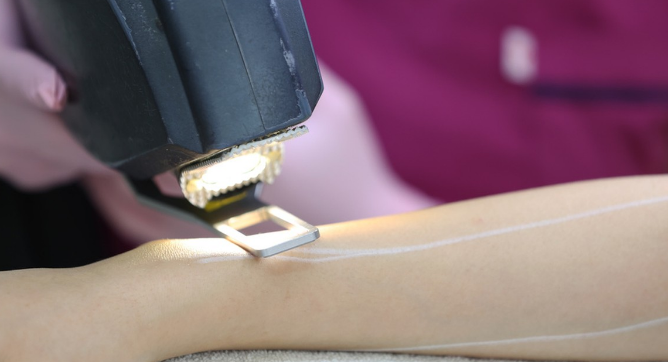
When considering laser hair removal for medium skin tones, careful selection of the treatment method is crucial to ensure optimal results while minimizing the risk of complications. Here are some detailed options suitable for medium skin tones:
Diode Lasers
Diode lasers are generally safe and effective for medium skin tones. These lasers emit a wavelength of light that can precisely target the melanin in the hair follicle without causing significant damage to the surrounding skin. As a result, diode lasers are suitable for medium skin tones as they minimize the risk of side effects such as hyperpigmentation or burns.
The advantage of diode lasers is that they are relatively gentle on the skin, making them a good choice for those with sensitive skin. Additionally, diode lasers can be used on various hair colors and textures, further enhancing their versatility for medium skin tones.
Nd:YAG Lasers
Nd:YAG lasers are another suitable option for medium skin tones, especially for those with darker hair. These lasers emit a longer wavelength of light that can penetrate deeper into the skin and target the hair follicle. This allows for effective hair removal, even for stubborn, coarse hair.
When using Nd:YAG lasers for medium skin tones, it is important to ensure that the treatment is tailored to your specific skin type and hair color. Higher energy levels may be required to achieve desired results, but this should be determined by a qualified professional.
Using Cooling Systems
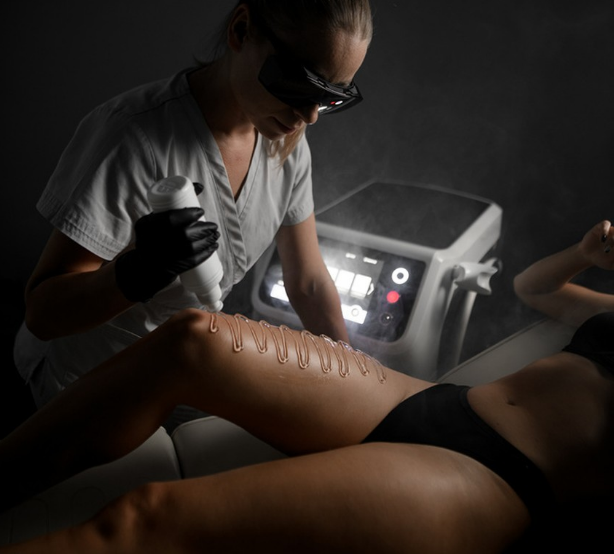
For both diode lasers and Nd:YAG lasers, the use of cooling systems during laser hair removal can help minimize the risk of complications for medium skin tones. Cooling systems, such as cryogen spray or chilled air, work by reducing the surface temperature of the skin. This reduces the chance of thermal injury and helps to protect the skin from potential side effects.
In summary, medium skin tones require careful selection of laser hair removal options to ensure optimal results. Diode lasers and Nd:YAG lasers are generally suitable choices, and the use of cooling systems can further minimize the risk of complications. It is essential to consult with a qualified professional to determine the most appropriate treatment method for your specific skin type and hair color.

Laser Hair Removal Options for Dark Skin Tones
When it comes to laser hair removal for dark skin tones, specialized laser technology is essential to ensure safe and effective treatment while avoiding potential complications. Here are some detailed options suitable for dark skin tones:
Nd:YAG Lasers
Nd:YAG lasers are widely considered the safest option for dark skin tones. These lasers emit a longer wavelength of light that can penetrate deeper into the skin without causing significant damage to the melanin-rich epidermal layers. This makes Nd:YAG lasers particularly suitable for dark skin tones as they minimize the risk of hyperpigmentation or burns.
The long wavelength of Nd:YAG lasers also allows for more precise targeting of the hair follicle, resulting in effective hair removal. However, it is essential to ensure that the treatment is tailored to your specific skin tone and hair color to achieve the desired results.
Long-Pulsed Alexandrite Lasers
Long-pulsed alexandrite lasers are another viable option for dark skin tones, especially for those with dark hair. These lasers emit a shorter wavelength of light that can effectively target the melanin in the hair follicle while minimizing damage to the surrounding skin.
The long-pulsed mode of these lasers allows for a more gradual heating of the hair follicle, reducing the risk of thermal injury and burns. This makes long-pulsed alexandrite lasers a good choice for dark skin tones, especially when combined with the use of cooling systems and interval treatments.
Cooling Systems and Interval Treatments
For both Nd:YAG lasers and long-pulsed alexandrite lasers, the use of cooling systems during laser hair removal is highly recommended for dark skin tones. Cooling systems, such as cryogen spray or chilled air, help to reduce the surface temperature of the skin and minimize the risk of thermal injury.
In addition, interval treatments are also advisable for dark skin tones. This involves spacing out the laser treatments over a longer period to allow the skin to recover and reduce the risk of complications.
In summary, for dark skin tones, Nd:YAG lasers and long-pulsed alexandrite lasers are considered the most suitable options for laser hair removal. The use of cooling systems and interval treatments can further minimize the risk of hyperpigmentation or burns, ensuring a safe and effective treatment experience. It is crucial to consult with a qualified professional to determine the most appropriate treatment method for your specific skin tone and hair color.

Consultation and Professional Advice
Before embarking on the journey of laser hair removal, seeking professional advice is of paramount importance. Consulting with a qualified and experienced professional will ensure that you understand the entire process, its suitability for your skin tone and hair type, and the expected outcomes. Here's a detailed breakdown of what you should expect during the consultation and some essential questions you may want to ask:
The Consultation Process
During the consultation, the professional will thoroughly examine your skin tone and hair type. They will assess the density, color, and location of the hair you wish to remove. This assessment is crucial as it helps determine the most suitable laser technology and treatment plan for you.
Questions to Ask
- Number of Treatments Required:
- Ask the professional how many laser hair removal treatments are typically required to achieve optimal results for your specific skin tone and hair type. Keep in mind that the number of sessions may vary depending on factors such as hair density, color, and location.
- Potential Risks and Side Effects:
- It's essential to understand the potential risks and side effects associated with laser hair removal, especially for your specific skin tone. Ask the professional about the likelihood of experiencing hyperpigmentation, burns, or other complications. They should also provide you with information on how to minimize these risks and manage any side effects that may occur.
- Cost of Each Session:
- Discuss the cost of each laser hair removal session with the professional. Be sure to inquire about any additional fees or charges that may apply, such as consultation fees or follow-up appointments. Understanding the full cost of the treatment will help you make an informed decision about whether laser hair removal is a viable option for you.
Remember, a qualified professional will take the time to answer your questions and address any concerns you may have. They should provide you with clear and concise information about the laser hair removal process, its suitability for your skin tone and hair type, and the expected outcomes. Trusting their expertise and advice will ensure that you make the best decision for your skin and hair.
Conclusion
Choosing the right laser hair removal treatment for your skin tone is paramount to achieve effective and safe results. Understanding your specific skin tone and considering factors like technology, hair color, and recommendations for your skin tone will help you make an informed decision. Remember, always consult with a professional before starting any laser hair removal treatment to ensure the best outcome for your unique needs.