Introduction
Cooling treatments have long been used in skincare to calm irritation, tighten pores, and reduce redness. From traditional ice compresses to modern cold hammer devices, “cold therapy” remains a core step in professional facials, especially after extractions, laser treatments, RF, or microneedling.
However, many clients—and even some beginners in the industry—often ask:
Is a cold hammer really different from a simple ice facial?
At first glance, both aim to cool the skin. But in professional aesthetics, how cooling is delivered, controlled, and integrated into treatment protocols makes a significant difference. This article compares cold hammer devices and ice facial treatments from a clinical, practical, and professional perspective.
Background: Why Cooling Matters in Skin Treatments
Skin Stress During Modern Aesthetic Procedures
Today’s popular treatments—such as:
-
Deep cleansing and extractions
-
RF and ultrasound skin tightening
-
Microneedling and mesotherapy
-
Chemical peels and laser treatments
all place controlled stress on the skin. Without proper calming and recovery steps, this stress may lead to:
-
Prolonged redness
-
Increased sensitivity
-
Discomfort and swelling
-
Slower skin recovery
Cooling is not just about comfort—it directly affects treatment safety and outcomes.
What Is a Cold Hammer Device?
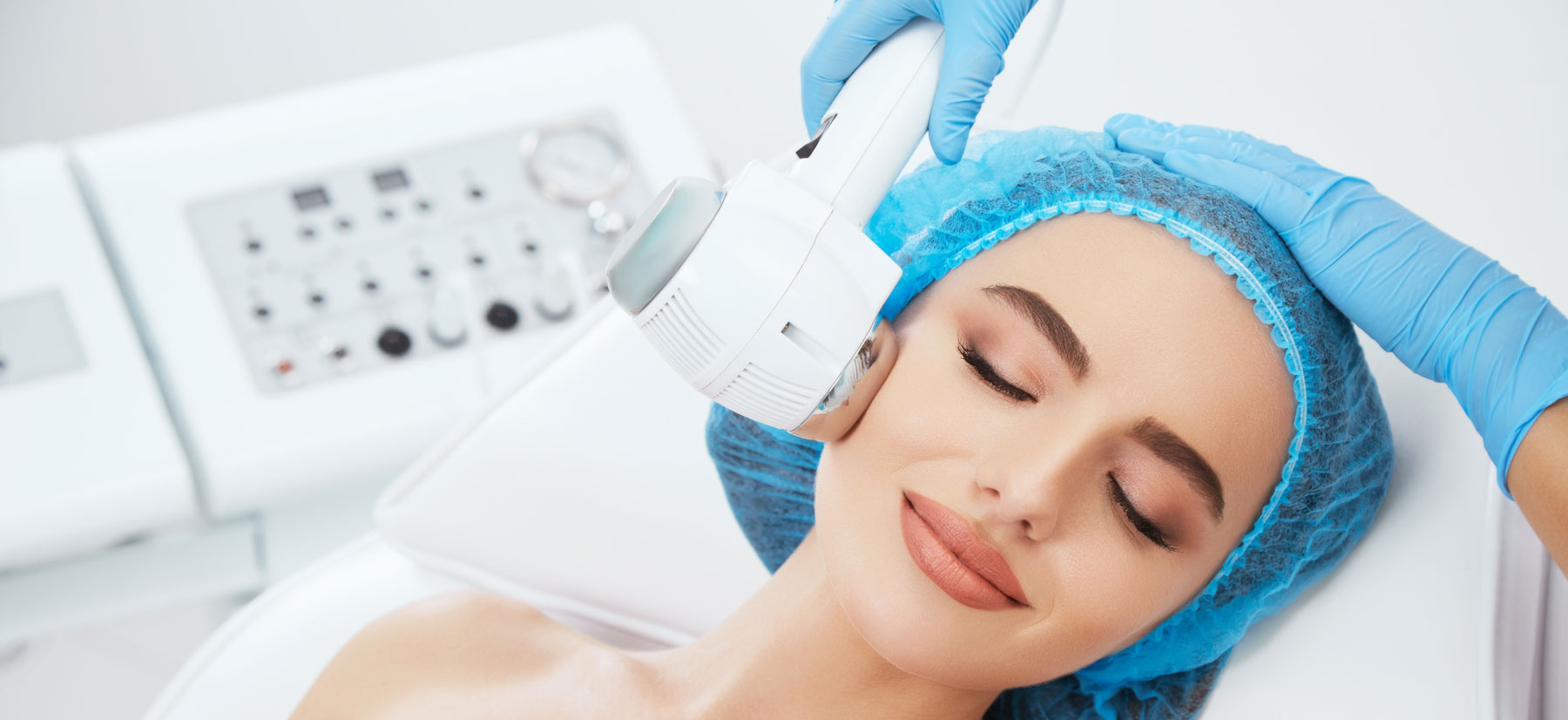
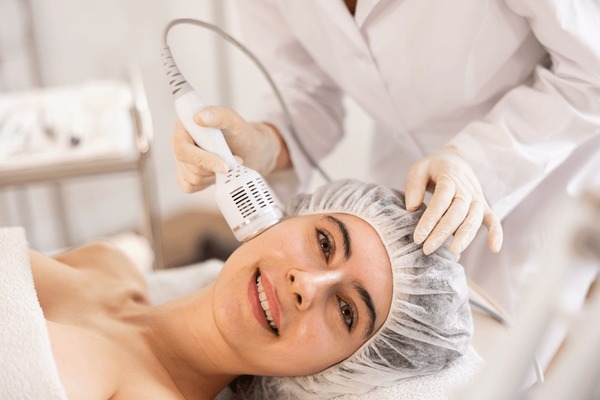
A cold hammer is a professional cooling handpiece that uses semiconductor or thermoelectric technology to deliver stable, low-temperature contact cooling to the skin.
Key features include:
-
Precisely controlled temperature
-
Consistent cooling output
-
Smooth metal treatment head
-
Designed for continuous professional use
Cold hammers are commonly integrated into facial machines or used as standalone devices in clinics.
What Is an Ice Facial Treatment?
An ice facial typically involves:
-
Ice cubes
-
Ice rollers
-
Frozen spoons or gel tools
These methods rely on direct contact with frozen materials to cool the skin surface. Ice facials are simple, low-cost, and widely known, especially in home skincare routines.
Cooling Mechanism: Controlled vs Uncontrolled
Cold Hammer Technology
Cold hammer devices:
-
Maintain a consistent temperature
-
Avoid sudden temperature shocks
-
Cool skin evenly across the treatment area
This allows the skin to calm down without triggering stress responses.
Ice Facial Cooling
Ice facials:
-
Start extremely cold, then warm quickly
-
Create uneven temperature distribution
-
Can overstimulate sensitive skin
This lack of control is the biggest difference between the two approaches.
Skin Safety and Comfort Comparison
Cold Hammer: Designed for Professional Skin
Cold hammers are considered safer for:
-
Post-treatment skin
-
Sensitive or reactive skin
-
Redness-prone clients
They reduce inflammation without risking frost irritation.
Ice Facials: Risk of Overcooling
Direct ice contact may:
-
Cause capillary constriction too abruptly
-
Increase sensitivity in thin skin
-
Lead to temporary numbness or irritation
This is why ice facials are less commonly used after advanced treatments.
Effectiveness in Redness and Pore Tightening
Cold Hammer Benefits
Cold hammer cooling:
-
Gradually constricts blood vessels
-
Reduces redness more evenly
-
Helps pores return to normal size after cleansing
It is especially effective after vacuum extraction or microneedling.
Ice Facial Results
Ice can temporarily tighten pores, but the effect:
-
Is short-lived
-
Depends heavily on technique
-
Varies greatly between individuals
Integration into Professional Treatment Protocols
Cold Hammer in Clinics
Cold hammer devices are commonly used:
-
After extractions
-
After RF or ultrasound treatments
-
After microneedling or mesotherapy
-
As a calming finishing step
Their predictability makes them easy to standardize across treatments.
Ice Facials in Practice
Ice facials are rarely standardized in clinics because:
-
Temperature cannot be accurately controlled
-
Hygiene management is more complex
-
Results vary from operator to operator
Hygiene and Professional Standards
Cold hammer devices are:
-
Easy to disinfect
-
Designed for repeated professional use
-
Compatible with clinic hygiene protocols
Ice facials require constant preparation and strict handling to avoid contamination, which limits their practicality in busy clinics.
Client Experience and Perception
From a client’s perspective:
-
Cold hammer treatments feel cool, soothing, and comfortable
-
Ice facials may feel too intense or shocking, especially post-treatment
Comfort plays a key role in repeat visits and treatment satisfaction.
Why Clinics Prefer Cold Hammer Devices
Clinics increasingly choose cold hammer technology because it:
-
Enhances treatment safety
-
Improves post-procedure recovery
-
Delivers consistent results
-
Elevates the professional image of treatments
While ice facials are simple, cold hammer devices better align with modern, device-based aesthetic workflows.
Conclusion
Both cold hammer and ice facial treatments rely on cooling to calm the skin, but they are not equal in professional settings. Ice facials offer simplicity, while cold hammer devices provide controlled, consistent, and safer cooling—especially important after advanced aesthetic procedures.
For clinics focused on results, comfort, and standardized treatment quality, cold hammer technology is not just an alternative to ice—it is a professional upgrade.
Founded in 2008, Guangzhou GLM Beauty Spa Equipment Factory specializes in research, development, manufacture and selling of beauty and slimming machines. Our production base is located in Guangzhou City, Guangdong Province, China. Since our foundation, we have introduced advanced technologies and equipment, to assure high quality and high performance of our products. With professional marketing guide and excellent after-sales service, our products have been exported to over 20 countries and regions, including Southeast Asia, the Middle East, Europe and the United States, won worldwide praises and gained a good reputation.