Introduction
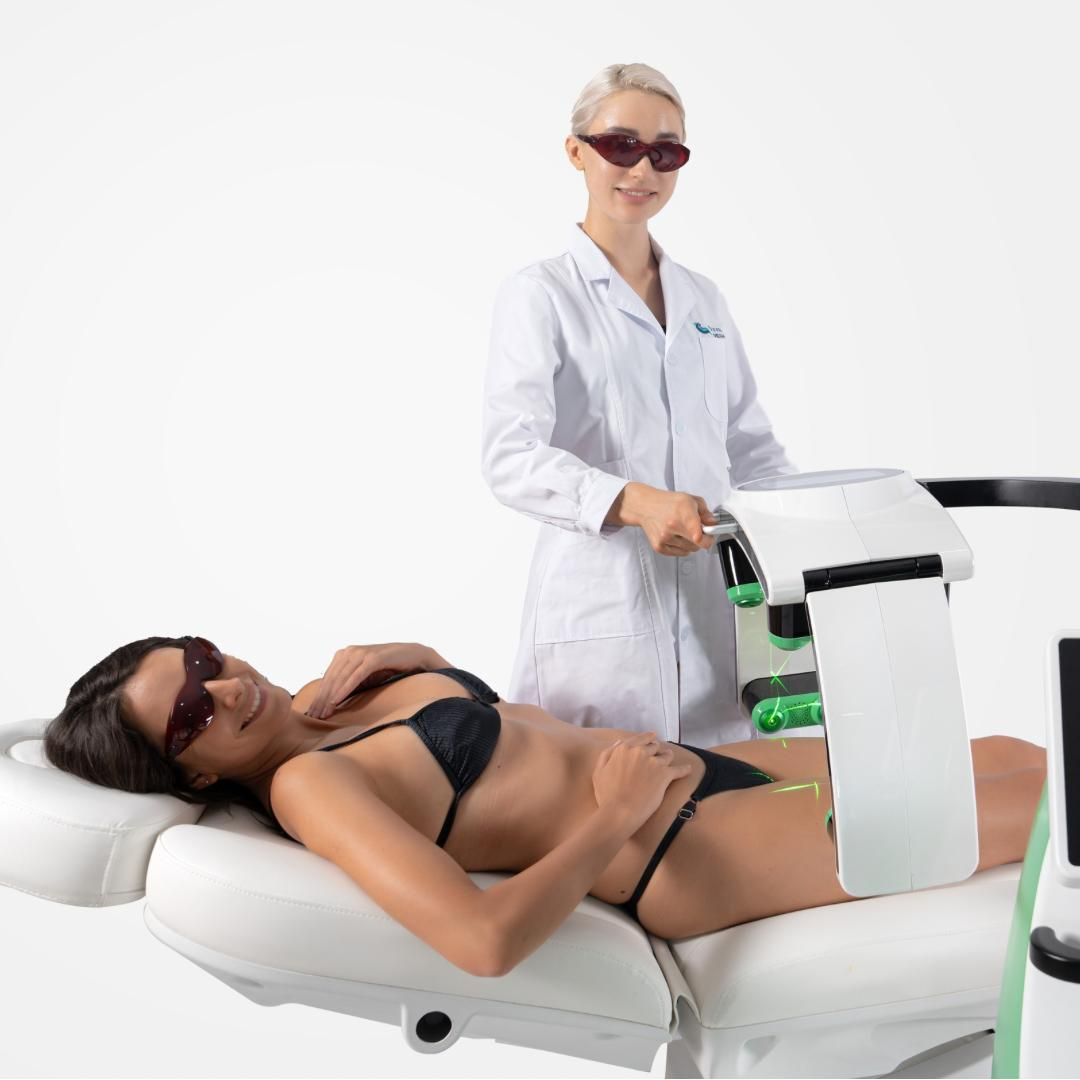
Cold laser therapy, also known as low-level laser therapy (LLLT) or photobiomodulation (PBM), has become an increasingly discussed non-invasive technology in professional wellness, rehabilitation, and aesthetic settings. Unlike conventional lasers designed to heat, ablate, or visibly resurface tissue, cold laser systems use controlled light energy to interact with cells without intentionally producing significant thermal damage.
For clinics and professional beauty businesses, however, one practical question often comes before choosing the technology: How much does cold laser therapy cost?
The answer depends on what “cost” means. A client may be asking about the price of a single treatment, while a clinic owner may be considering the purchase price, treatment capacity, maintenance, training, and long-term return from professional equipment.
Published prices illustrate how wide the market can be. For example, one German aesthetic clinic lists Celluma photobiomodulation treatments from €49, while another Munich clinic lists personalized LED photobiomodulation at €299. Professional photobiomodulation and cold-laser equipment can also range from several thousand dollars to tens of thousands, depending on the technology, configuration, wavelengths, power, treatment area, and professional features.
For professional operators, therefore, cold laser therapy cost should be evaluated as more than a treatment-room price. The equipment itself, treatment protocol, operator workflow, positioning, and service model all influence the economics of the treatment.
Background: Why Does Cold Laser Therapy Cost Vary So Much?
There is no universal price for cold laser therapy.
A consumer-facing treatment price can vary according to geographic location, clinic positioning, treatment area, session duration, practitioner involvement, and whether the therapy is offered independently or as part of a larger treatment program.
A professional clinic may also charge differently when photobiomodulation is incorporated into a facial, recovery protocol, scalp service, or post-treatment care program.
Equipment cost introduces another major variable.
Professional systems are not necessarily comparable simply because they are all described as “cold laser,” “red light,” “LED therapy,” or “photobiomodulation.” Different systems may use different light sources, wavelengths, output levels, treatment areas, controls, and delivery methods.
For example, published professional equipment pricing shows portable Class 3B cold-laser systems starting around several thousand dollars, while higher-power Class 4 systems can reach approximately $8,000–$20,000 or more. Another established cold-laser manufacturer publicly lists systems from about $16,000 to $40,000.
Aesthetic LED/PBM equipment represents another segment of the market. Current professional equipment listings show systems ranging from approximately $1,795 for compact professional devices to more than $20,000 for larger multi-wavelength platforms, with some full-body systems costing considerably more.
This means that asking only, “How much is a cold laser machine?” does not provide enough information for a professional buyer
Technology and Mechanism: What Are You Paying For?
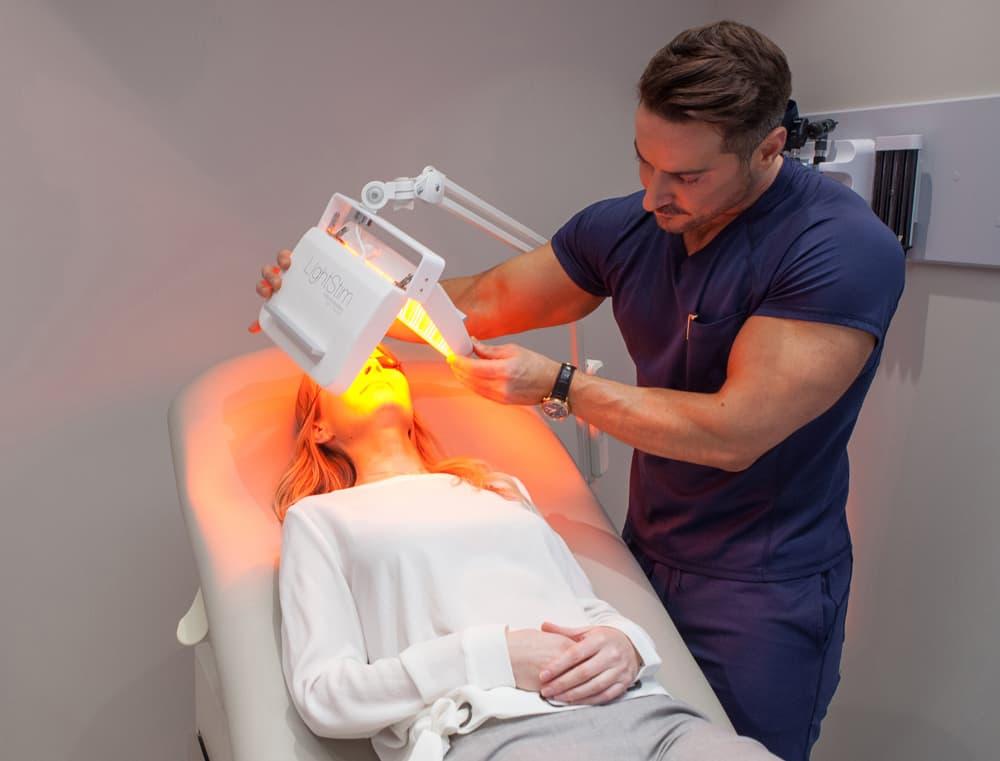
Cold laser therapy works within the broader field of photobiomodulation. The basic concept is that specific wavelengths of light are delivered to biological tissue at controlled levels.
Instead of using intense heat to remove or remodel tissue, photobiomodulation aims to produce biological effects through light-tissue interaction.
Depending on the system, treatment may use red or near-infrared wavelengths. The exact wavelength, optical output, treatment distance, exposure time, pulse settings, and treatment area can all influence how the equipment is used.
This is one reason professional equipment should not be evaluated by the word “laser” alone.
1. Wavelength
Different wavelengths interact with tissue differently. Professional systems may therefore use one wavelength or multiple wavelengths according to their intended applications.
When comparing equipment, clinics should verify the actual wavelength specifications rather than relying solely on marketing terms such as “red light” or “deep penetration.”
2. Power and Irradiance
Output is another important consideration.
Two machines can look similar but deliver different amounts of energy to the treatment area. Professional buyers should therefore examine measurable specifications such as irradiance, treatment distance, energy density, and recommended exposure time.
The goal is not simply to purchase the machine with the highest advertised power. Instead, the equipment should provide controllable and repeatable treatment parameters suitable for the intended application.
3. Treatment Coverage
Treatment coverage has a direct effect on workflow.
A small handheld device may be appropriate for localized applications but require more operator time. A larger panel or professional treatment head can cover a greater area, potentially making it more practical for clinics handling multiple appointments.
4. Control and Treatment Protocols
Professional systems may include adjustable intensity, timers, preset programs, wavelength selection, treatment documentation, or operator guidance.
These features can affect the purchase price but may also make standardized treatment delivery easier.
For a professional clinic, this distinction matters because equipment value is not determined solely by the light source. Workflow efficiency and treatment consistency are also part of the investment.
Advantages and Comparison: Professional Equipment vs. Home Devices
Home-use red-light and light-therapy products are widely available, but professional equipment is designed around a different operating environment.
A home device typically emphasizes portability, convenience, and simple operation. A professional system may prioritize larger treatment areas, higher treatment capacity, adjustable parameters, ergonomic positioning, and repeated daily use.
This does not mean that every professional machine automatically produces better results than every home device. Rather, the two categories are designed for different purposes.
For a beauty clinic, several practical differences become important.
| Factor | Home Device | Professional Equipment |
|---|---|---|
| Treatment Area | Usually limited | Often larger |
| Operator Control | Basic | More adjustable |
| Daily Workload | Personal use | Repeated client treatments |
| Positioning | User-operated | Professional positioning |
| Workflow | Individual | Designed for treatment-room use |
| Treatment Documentation | Limited | May be available |
| Initial Investment | Usually lower | Usually higher |
| Business Application | Limited | Designed for commercial services |
Professional equipment therefore needs to be evaluated according to cost per treatment opportunity, not simply purchase price.
For example, a clinic investing in a professional system may use it for multiple appointments every day. A higher initial equipment cost can consequently have a different economic meaning from the same price paid for a device intended for occasional personal use.
One health-technology assessment of photobiomodulation illustrates this concept by amortizing device cost over thousands of treatment sessions. In its model, equipment cost was distributed across an assumed five-year working life and approximately 10,400 sessions.
The exact economics will differ from clinic to clinic, but the principle is useful: professional equipment should be analyzed over its expected service life rather than only at the time of purchase
Cold Laser Therapy Cost: What Determines the Final Treatment Price?
When establishing a professional treatment price, clinics typically need to consider several cost categories.
Equipment Investment
The machine is usually the largest initial expense.
A compact professional system may require a relatively modest investment, while advanced systems with multiple wavelengths, larger treatment coverage, higher output, sophisticated controls, or specialized clinical configurations can cost substantially more.
Current market listings provide examples ranging from roughly $1,795–$2,795 for certain professional LED systems to $20,000–$40,000 or more for advanced cold-laser/PBM platforms.
These figures should be treated as market examples rather than universal prices.
Treatment Time
Time is another major operating cost.
A 15-minute treatment and a 45-minute treatment may use similar equipment but have very different labor economics.
Efficient professional equipment can be particularly valuable when treatment protocols require repeat sessions. Shorter, well-structured appointments may allow a clinic to integrate light therapy into existing facial, recovery, or aesthetic workflows.
Operator Involvement
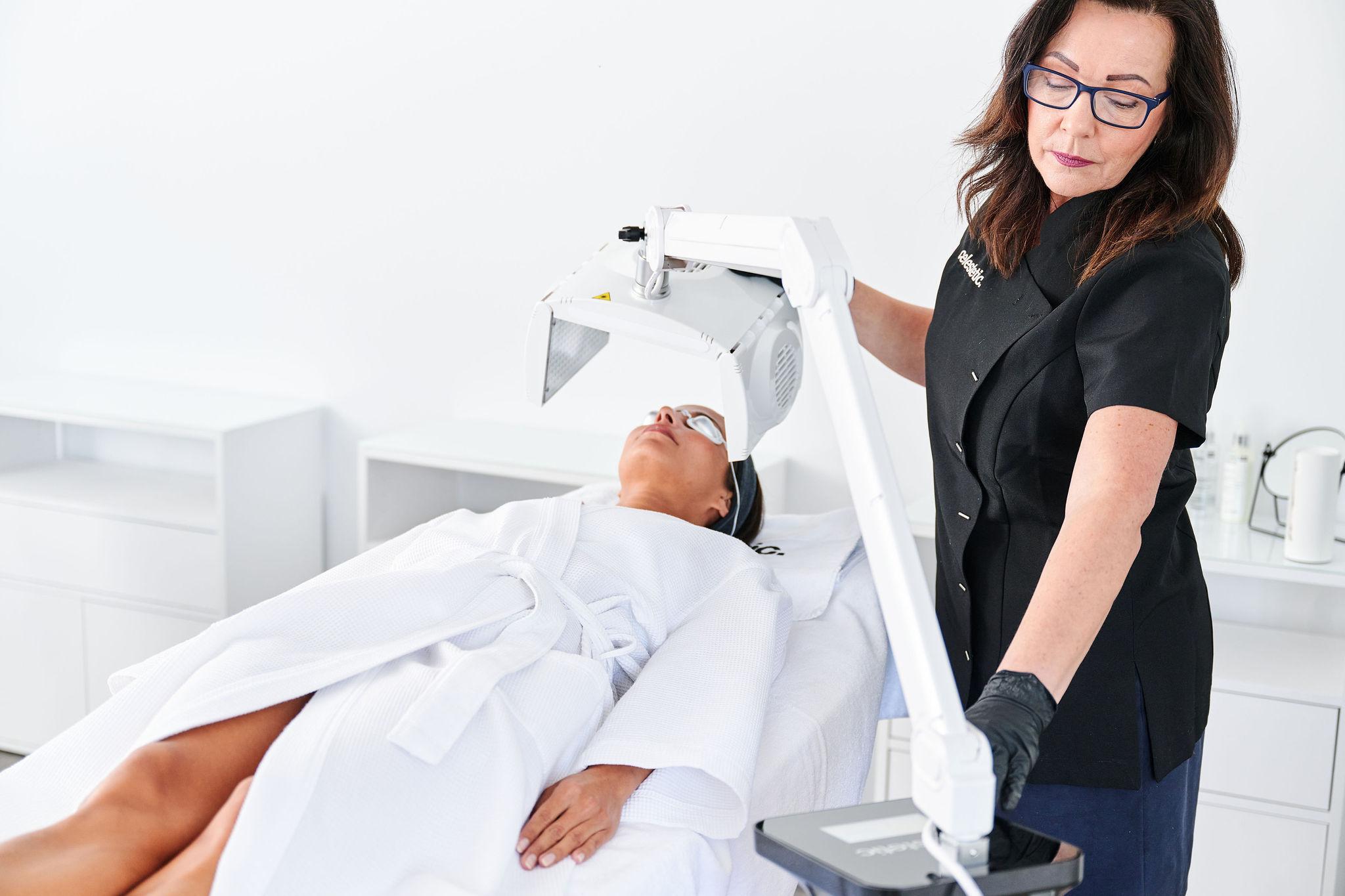
Some systems require continuous positioning or adjustment by the operator. Others allow the client to remain comfortably positioned while the equipment delivers a preset protocol.
The more staff time required, the greater the labor component of each treatment.
Maintenance and Training
Professional equipment should also be evaluated according to warranty, service requirements, operator training, replacement components, and technical support.
For example, some professional suppliers include staff training and warranty support as part of their equipment packages.
Treatment Positioning
Finally, the treatment itself influences the price.
A standalone photobiomodulation session can be priced differently from PBM incorporated into a facial, post-procedure recovery program, scalp service, or broader wellness protocol.
A clinic therefore has flexibility in designing its service menu rather than relying on one fixed “cold laser price.”
Applications and Client Needs
Cold laser and photobiomodulation technologies can be incorporated into different professional service environments, depending on the device's intended use and applicable regulations.
Facial and Skin-Care Services
In aesthetic environments, photobiomodulation is commonly positioned as a non-invasive light-based treatment that can complement professional skin-care services.
Clinics may incorporate it into facial protocols, recovery-oriented treatments, or other customized service packages.
A major commercial advantage is its ability to fit into a broader treatment workflow rather than requiring a completely separate service category.
Post-Treatment Support
Professional operators may also consider light-based treatments as part of recovery-oriented protocols following selected aesthetic procedures, subject to the device's intended use and appropriate professional guidance.
The non-invasive nature and lack of significant downtime associated with many PBM treatments can make the technology operationally convenient.
Scalp and Hair-Oriented Services
Some professional PBM systems are marketed for scalp and hair-related applications. One German aesthetic clinic, for example, lists photobiomodulation for both skin and hair services.
For salons and clinics developing specialized scalp-care programs, a dedicated light-therapy system can therefore become an additional service component.
Multi-Service Clinics
For businesses offering several aesthetic services, equipment versatility can be particularly important.
Instead of purchasing a machine for one narrowly defined appointment type, operators may prefer systems that can support multiple treatment protocols within the manufacturer's intended applications.
This can make professional equipment more attractive from a service-planning perspective.
How Clinics Can Evaluate Cold Laser Therapy Cost
Before purchasing equipment, a professional buyer should calculate several numbers rather than focusing on the advertised machine price.
1. Initial equipment cost
How much is the complete system, including accessories and required components?
2. Treatment capacity
How many treatments can realistically be performed per day?
3. Average treatment duration
How long does each appointment occupy the treatment room?
4. Staff time
Does the operator need to remain with the client throughout the procedure?
5. Consumables and maintenance
Are there recurring costs for protective equipment, replacement components, servicing, or calibration?
6. Expected service life
How many treatment sessions can the machine reasonably support?
7. Service pricing
What price structure fits the local market and the clinic's positioning?
This approach is more useful than comparing machines solely according to purchase price.
For example, a lower-priced device that requires extensive operator time may have a different long-term cost structure from a more expensive professional system that covers a larger area and integrates efficiently into a treatment workflow.
Conclusion
Cold laser therapy cost varies significantly because the term covers different technologies, equipment configurations, clinical applications, and service models.
For clients, the cost of a treatment may range from relatively affordable standalone photobiomodulation sessions to premium clinician-led services. Published examples currently include prices from €49 for Celluma photobiomodulation in one German clinic to €299 for personalized LED photobiomodulation in Munich.
For clinics, however, the more important question is not simply “How much does cold laser therapy cost?” but “What value can professional equipment create over its working life?”
Wavelength accuracy, irradiance, treatment coverage, operating controls, ergonomics, training, maintenance, treatment time, and service flexibility all contribute to that value.
A well-selected professional photobiomodulation or cold-laser system can become more than another machine in a treatment room. When integrated appropriately into facial, scalp, recovery, or wellness services, it can support a structured treatment menu while giving professional operators greater control over workflow and client experience.
For equipment manufacturers and professional buyers alike, the strongest approach is therefore to look beyond the initial price tag and evaluate technology, treatment efficiency, service possibilities, and long-term operating economics together
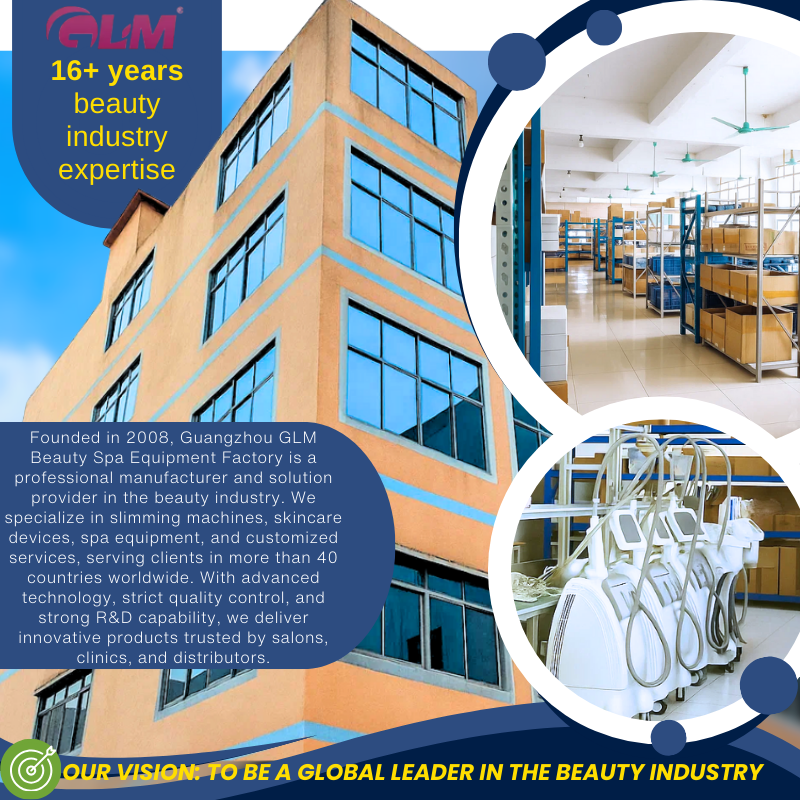
Founded in 2008, Guangzhou GLM Beauty Spa Equipment Factory specializes in research, development, manufacture and selling of beauty and slimming machines. Our production base is located in Guangzhou City, Guangdong Province, China. Since our foundation, we have introduced advanced technologies and equipment, to assure high quality and high performance of our products. With professional marketing guide and excellent after-sales service, our products have been exported to over 20 countries and regions, including Southeast Asia, the Middle East, Europe and the United States, won worldwide praises and gained a good reputation