Introduction
The aesthetics industry has evolved far beyond single-function treatments. Today's clients are more informed, expectations are higher, and clinics are expected to deliver visible improvements with minimal downtime. Rather than asking whether one technology is better than another, professional practitioners are increasingly asking a different question:
How can multiple technologies work together to produce better outcomes?
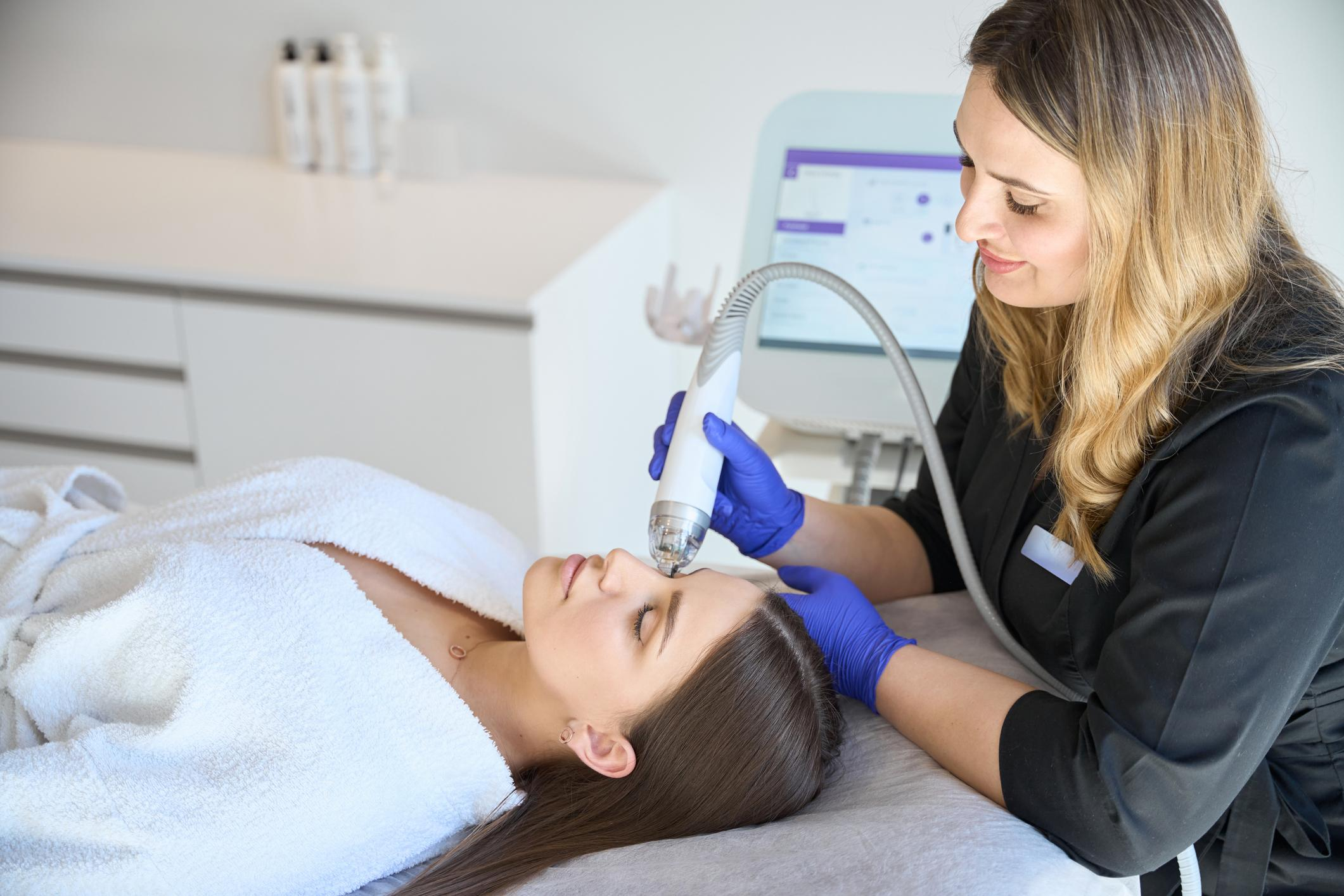
Modern aesthetic treatments are no longer built around a single energy source. Instead, successful clinics combine complementary technologies—such as radio frequency (RF), hydro dermabrasion, microcurrent, ultrasound, LED light therapy, oxygen infusion, electroporation, cryotherapy, and vacuum massage—to address different layers of the skin and multiple concerns during the same treatment journey.
This integrated approach allows practitioners to improve treatment efficiency, personalize protocols for individual clients, and achieve results that would be difficult for a standalone technology to accomplish.
For beauty clinics, med spas, and aesthetic centers, investing in multifunctional aesthetic equipment is not simply about offering more treatment options. It is about creating customized solutions that improve client satisfaction, increase treatment value, and encourage long-term customer retention.
Background: Why Single-Technology Treatments Are No Longer Enough
Clients rarely visit a clinic with just one concern.
A client seeking facial rejuvenation may simultaneously experience:
- Fine lines
- Mild skin laxity
- Enlarged pores
- Dehydrated skin
- Uneven skin tone
- Reduced collagen production
Likewise, body contouring clients often hope to reduce localized fat while also improving skin firmness and minimizing cellulite.
These complex concerns cannot always be addressed effectively using one treatment modality alone.
For example:
- RF excels at stimulating collagen but does not deeply cleanse the skin.
- Hydro dermabrasion effectively exfoliates and hydrates but cannot significantly tighten tissue.
- Microcurrent tones facial muscles but has limited influence on deep dermal remodeling.
- LED therapy supports recovery but does not reshape facial contours.
Each technology has strengths—and limitations.
As a result, aesthetic professionals increasingly favor combination treatment protocols that allow each technology to compensate for the weaknesses of another.
This philosophy mirrors modern medical practice: instead of relying on a single solution, practitioners combine complementary approaches to optimize patient outcomes
Technology & Mechanism: Why Technology Synergy Works Better
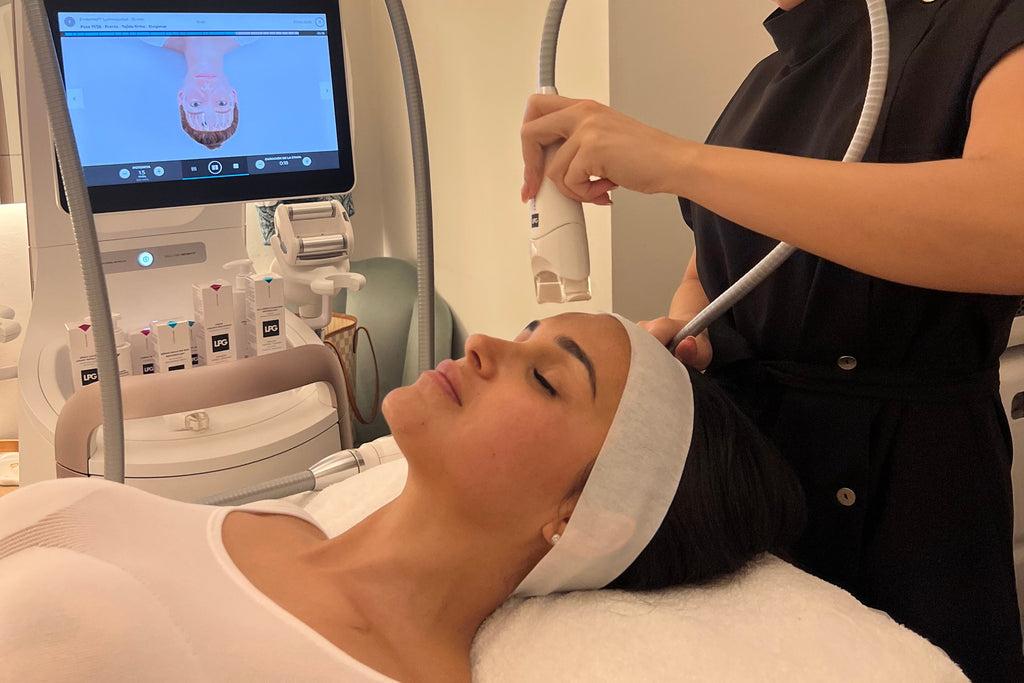
1. Every Technology Targets a Different Skin Layer
Human skin is a multi-layered organ.
Each layer responds differently to specific forms of energy
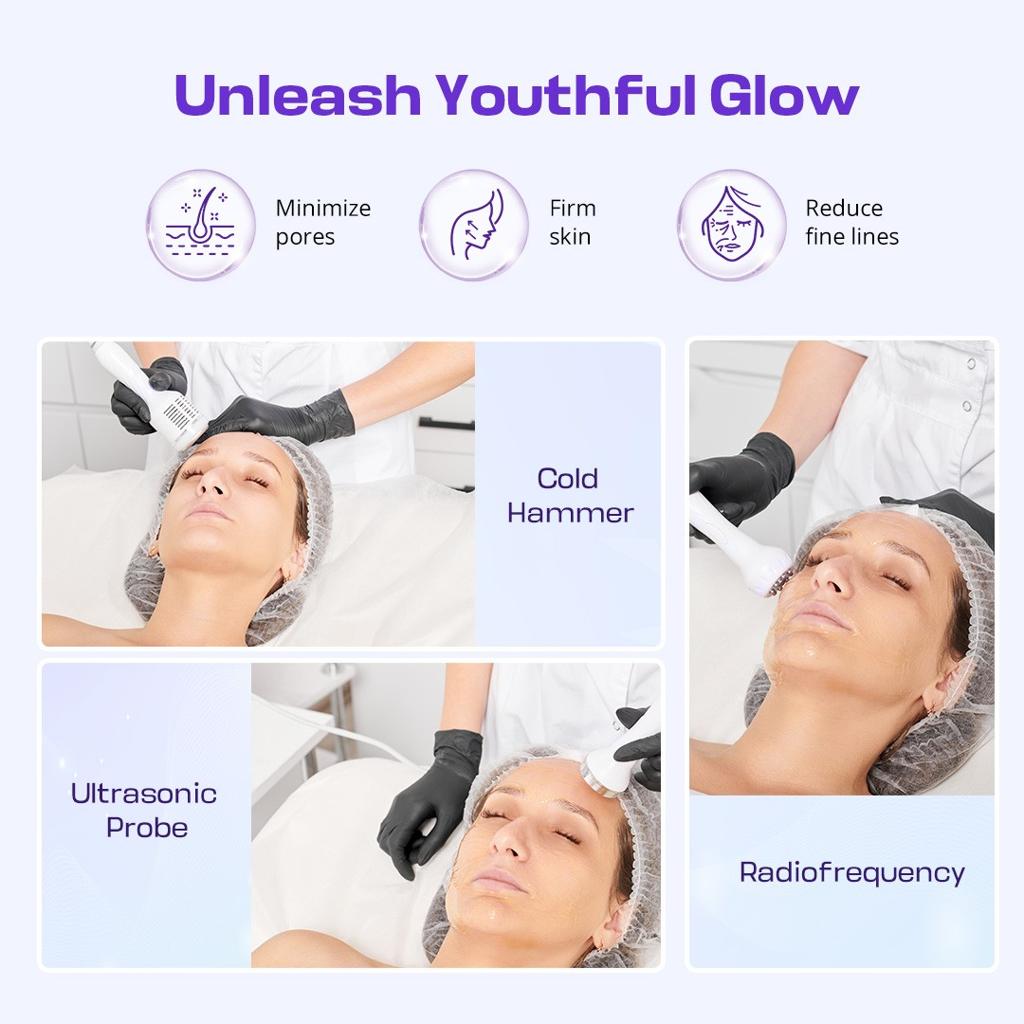
A simplified treatment map looks like this:
| Technology | Primary Target | Main Benefit |
|---|---|---|
| Hydro Dermabrasion | Epidermis | Cleansing, exfoliation, hydration |
| Electroporation | Epidermis & upper dermis | Enhanced ingredient delivery |
| Oxygen Infusion | Surface skin | Hydration and nourishment |
| Radio Frequency | Dermis | Collagen remodeling and skin tightening |
| Microcurrent | Facial muscles | Muscle toning and facial lifting |
| Ultrasound | Deep tissue | Product penetration and tissue stimulation |
| LED Therapy | Cellular level | Recovery and inflammation reduction |
| Vacuum Massage | Connective tissue | Circulation and lymphatic drainage |
Rather than competing with each other, these technologies address different biological processes.
When properly combined, they create a more comprehensive treatment experience.
2. Preparing the Skin Before Energy Delivery
One of the biggest advantages of combination protocols is proper skin preparation.
Professional operators understand that treatment results depend not only on the primary technology but also on the condition of the skin beforehand.
For example, a typical facial protocol may begin with hydro dermabrasion.
This stage helps remove:
- Excess sebum
- Dead skin cells
- Surface debris
- Cosmetic residue
Once the skin barrier is cleaned and hydrated, subsequent technologies can interact with the skin more effectively.
Many practitioners find that preparing the skin first improves treatment consistency while creating a more comfortable client experience.
3. Stimulating Collagen After Deep Cleansing
Once the skin has been thoroughly cleansed, radio frequency becomes significantly more effective as the primary rejuvenation technology.
RF works by generating controlled thermal energy within the dermis.
This gentle heating process stimulates fibroblasts, encouraging the production of:
- New collagen
- Elastin fibers
- Extracellular matrix components
Over time, this natural remodeling process may contribute to:
- Firmer skin
- Improved elasticity
- Reduced appearance of wrinkles
- Better facial contours
- Smoother skin texture
Unlike exfoliation technologies that mainly improve the skin surface, RF focuses on structural changes beneath the epidermis.
When hydro dermabrasion is followed by RF in a professionally designed treatment protocol, the skin benefits from both immediate surface refinement and gradual collagen remodeling.
This layered approach often produces more balanced and longer-lasting aesthetic improvements than either technology alone.
4. Supporting Recovery with LED Light Therapy
Following energy-based procedures, the skin enters a natural recovery phase.
This is where LED light therapy complements the treatment protocol.
Different wavelengths of LED light are commonly used to support different skin goals:
- Red light is widely applied to promote collagen activity and improve skin vitality.
- Blue light is often incorporated into acne-focused treatments to help target acne-related bacteria.
- Near-infrared light may assist with tissue recovery and overall skin repair.
Because LED therapy is non-invasive and comfortable, it is frequently used as the final step of professional facial treatments.
Rather than replacing technologies such as RF or hydro dermabrasion, LED serves as a supportive modality that helps calm the skin and optimize the overall treatment experience.
Why Clinics Are Moving Toward Integrated Platforms
As client expectations continue to rise, many aesthetic clinics are choosing multifunctional platforms instead of relying on multiple standalone devices.
An integrated system can combine several complementary technologies into a single workflow, making it easier to customize treatment protocols while improving operational efficiency. For practitioners, this means smoother transitions between treatment steps, reduced setup time, and a more consistent client experience. For clients, it offers the convenience of receiving multiple synergistic treatments during one appointment, often with less interruption and a more cohesive treatment journey.
Beyond convenience, integrated platforms also allow clinics to expand their service offerings without significantly increasing equipment footprint. By incorporating technologies such as RF, hydro dermabrasion, electroporation, LED therapy, vacuum massage, and ultrasound into one professional system, practitioners can address a broader range of aesthetic concerns—from hydration and skin renewal to lifting, firming, and body contouring—using customized protocols tailored to each client's needs.
Rather than viewing technologies as competing solutions, leading clinics increasingly recognize that their greatest value lies in how they complement one another. This philosophy is becoming a defining characteristic of modern professional aesthetic practice
Advantages & Comparison: Why Combination Treatments Deliver Greater Value
While every aesthetic technology has its own strengths, no single modality can address every skin concern. This is why professional clinics increasingly design multi-step treatment protocols rather than relying on one device or one energy source alone.
Combination treatments are not about using more technologies for the sake of complexity. Instead, they are about selecting complementary technologies that work in harmony to enhance treatment efficiency, comfort, and overall outcomes.
1. More Comprehensive Results
Each aesthetic concern often involves multiple biological factors.
For example, facial aging is influenced by:
- Collagen loss
- Elastin degradation
- Reduced muscle tone
- Slower cell turnover
- Dehydration
- Environmental damage
Treating only one of these factors may produce limited improvements.
A combined protocol allows practitioners to target several mechanisms simultaneously.
For example:
Hydro Dermabrasion
→ Removes impurities and prepares the skin.
↓
Radio Frequency
→ Stimulates collagen remodeling.
↓
Electroporation
→ Enhances delivery of active ingredients.
↓
LED Therapy
→ Supports recovery and skin vitality.
Instead of focusing on one layer of the skin, this sequence addresses the skin from the surface to deeper tissues, creating a more balanced rejuvenation process.
2. Greater Personalization
No two clients have identical skin conditions.
A 28-year-old client with acne-prone skin requires a different treatment strategy than a 55-year-old client seeking facial lifting.
Combination technologies allow practitioners to adjust treatment protocols based on:
- Skin type
- Age
- Treatment goals
- Sensitivity
- Lifestyle
- Seasonal skin conditions
For example:
Client A: Early Signs of Aging
Recommended protocol:
- Hydro Dermabrasion
- Radio Frequency
- Electroporation
- LED Red Light
Primary goals:
- Improve hydration
- Enhance skin elasticity
- Reduce fine lines
Client B: Oily and Acne-Prone Skin
Recommended protocol:
- Deep Hydro Cleansing
- Oxygen Infusion
- Blue LED Therapy
Primary goals:
- Remove excess oil
- Calm inflammation
- Improve skin clarity
Client C: Body Contouring
Recommended protocol:
- Cavitation
- Vacuum Massage
- Radio Frequency
Primary goals:
- Improve body contour
- Support lymphatic drainage
- Enhance skin firmness
These tailored combinations help practitioners deliver treatments that better match each client's specific concerns, increasing satisfaction and encouraging repeat visits.
3. Improved Treatment Efficiency
From a clinic management perspective, efficiency is just as important as treatment performance.
Modern multifunctional platforms allow multiple treatment stages to be completed within a single session.
Compared with using several standalone devices, integrated systems can offer benefits such as:
- Less equipment switching
- Simplified workflow
- Reduced treatment preparation time
- Better utilization of treatment rooms
- Easier staff training
- More consistent treatment protocols
This operational efficiency helps clinics improve productivity while maintaining a professional treatment experience.
4. Enhanced Client Experience
Today's aesthetic clients value more than visible results—they also expect treatments to feel comfortable, personalized, and worthwhile.
Combination protocols contribute to a better overall experience by:
- Reducing the need for multiple appointments
- Offering customized treatment plans
- Creating a relaxing, spa-like treatment journey
- Addressing several concerns in one visit
When clients understand that each step serves a specific purpose, they often perceive greater value in the treatment, which can strengthen trust and long-term loyalty.
Single Technology vs. Combined Technology
| Feature | Single Technology | Combined Technologies |
|---|---|---|
| Treatment Scope | One primary concern | Multiple concerns simultaneously |
| Personalization | Limited | Highly customizable |
| Treatment Experience | Individual procedure | Comprehensive treatment journey |
| Clinic Efficiency | Multiple standalone sessions | Streamlined workflow |
| Equipment Utilization | Single function | Multi-functional platform |
| Client Satisfaction | Good | Often higher through tailored protocols |
Combination treatments do not replace individual technologies—they maximize the strengths of each by integrating them into a structured protocol.
Applications: Meeting Diverse Client Needs
One of the greatest advantages of multifunctional aesthetic systems is their versatility. By combining different technologies, clinics can create protocols for a wide range of treatment goals.
Facial Rejuvenation
Common technology combinations include:
- Hydro Dermabrasion
- Radio Frequency
- Microcurrent
- LED Therapy
Suitable for clients seeking:
- Skin tightening
- Improved elasticity
- Fine line reduction
- Radiant complexion
Skin Hydration & Glow
Typical protocol:
- Hydro Facial
- Oxygen Infusion
- Electroporation
Benefits include:
- Deep cleansing
- Enhanced hydration
- Better absorption of professional serums
- Improved skin luminosity
Acne Management
Frequently used technologies:
- Hydro Cleansing
- Blue LED Therapy
- Oxygen Therapy
These treatments help create a cleaner skin environment while supporting overall skin balance.
Anti-Aging Programs
Professional anti-aging protocols often combine:
- Radio Frequency
- Microcurrent
- Electroporation
- LED Red Light
Rather than focusing on wrinkles alone, these protocols aim to improve firmness, skin texture, and facial definition over a series of treatments.
Body Contouring
For body treatments, practitioners commonly integrate:
- Ultrasound Cavitation
- Vacuum Massage
- Radio Frequency
This combination is widely used to support body shaping, improve the appearance of cellulite, and promote smoother-looking skin.
Post-Treatment Skin Recovery
Following more intensive aesthetic procedures, clinics may incorporate:
- Oxygen Infusion
- Cooling Therapy
- LED Light Therapy
These modalities help soothe the skin and provide a comfortable finishing step within the treatment protocol.
Why Multifunctional Equipment Is Becoming the Industry Standard
As aesthetic technology continues to advance, many manufacturers are designing platforms that combine several treatment modalities into one professional device.
For clinics, this approach offers practical advantages beyond expanding treatment menus. A multifunctional system can reduce equipment investment, save valuable floor space, simplify maintenance, and make it easier to train staff on standardized workflows. More importantly, it enables practitioners to build flexible protocols without requiring clients to move between multiple machines.
From a business perspective, integrated platforms also help clinics respond more quickly to changing market demands. Whether clients are seeking facial rejuvenation, hydration, acne care, skin tightening, or body contouring, practitioners can adjust treatment combinations according to individual needs using the same professional system.
As personalized aesthetic care becomes increasingly important, equipment that supports customizable protocols is likely to remain a key investment for modern beauty clinics and medical aesthetic practices.
Conclusion
The future of professional aesthetics is not defined by a single breakthrough technology but by the intelligent integration of multiple proven modalities.
By combining treatments such as hydro dermabrasion, radio frequency, microcurrent, electroporation, ultrasound, vacuum massage, oxygen infusion, and LED therapy, practitioners can address different layers of the skin, support multiple biological processes, and create more personalized treatment experiences.
For beauty clinics and aesthetic professionals, this integrated approach offers benefits that extend beyond clinical outcomes. It improves workflow efficiency, expands service capabilities, enhances client satisfaction, and strengthens long-term business competitiveness.
As client expectations continue to evolve, multifunctional aesthetic equipment provides the flexibility needed to deliver customized, high-value treatments. Rather than replacing individual technologies, combining them strategically allows each modality to contribute its greatest strengths—helping clinics achieve more consistent, comprehensive, and satisfying aesthetic results
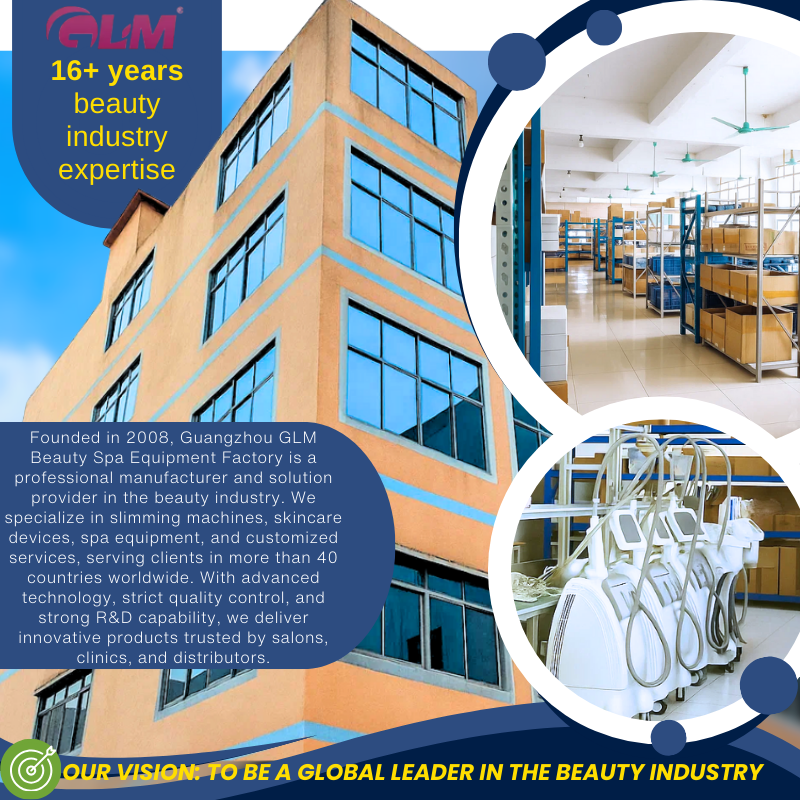
Founded in 2008, Guangzhou GLM Beauty Spa Equipment Factory specializes in research, development, manufacture and selling of beauty and slimming machines. Our production base is located in Guangzhou City, Guangdong Province, China. Since our foundation, we have introduced advanced technologies and equipment, to assure high quality and high performance of our products. With professional marketing guide and excellent after-sales service, our products have been exported to over 20 countries and regions, including Southeast Asia, the Middle East, Europe and the United States, won worldwide praises and gained a good reputation