Cryolipolysis Frozen Lipolysis Beauty Device: Comprehensive Treatment Plan & Advanced Operation Guide
Introduction
Stubborn fat deposits that resist diet and exercise are a common concern for many individuals seeking body contouring solutions. Cryolipolysis, also known as frozen lipolysis, has emerged as a revolutionary non-invasive technology designed to target and reduce localized fat. This advanced guide provides a detailed breakdown of the cryolipolysis process, treatment planning, device operation, and post-treatment care to ensure optimal outcomes for both aesthetic professionals and end-users.
Understanding Cryolipolysis Technology
How Cryolipolysis Works
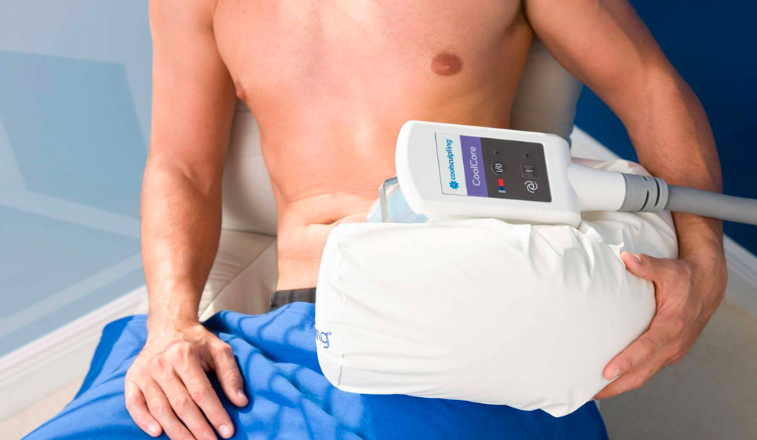
Cryolipolysis leverages the principle of apoptosis (programmed cell death) induced by controlled cooling. The device applies precise temperatures (typically between -11°C to +5°C) to subcutaneous fat layers, causing crystallization of fat cells without affecting surrounding tissues. Over time, the body’s lymphatic system naturally processes and eliminates these crystallized fat cells.
Key Benefits
- Non-Invasive: No incisions, anesthesia, or downtime.
- Precision: Targets specific areas with minimal impact on adjacent tissues.
- Safety: FDA-cleared technology with a low risk of complications.
- Long-Lasting Results: Fat cells are permanently eliminated, though lifestyle factors influence long-term maintenance.
Limitations
- Not for Weight Loss: Best suited for localized fat reduction, not obesity.
- Multiple Sessions: Optimal results often require 1–3 sessions per area.
- Individual Variability: Response to treatment varies based on metabolism, fat thickness, and lifestyle.
Common Treatment Areas
- Abdomen
- Flanks ("Love Handles")
- Thighs (Inner and Outer)
- Upper Arms
- Submental (Double Chin)
- Back (Bra Fat)
Pre-Treatment Assessment
Patient Selection Criteria
Ideal candidates:
- Have localized fat pockets resistant to diet and exercise.
- Are within 10–30 lbs of their ideal body weight.
- Have realistic expectations about outcomes.
Contraindications
- Cold-Related Conditions: Cryoglobulinemia, cold urticaria, paroxysmal cold hemoglobinuria.
- Skin Conditions: Severe varicose veins, dermatitis, or open wounds in the treatment area.
- Medical Conditions: Pregnancy, breastfeeding, uncontrolled diabetes, or autoimmune disorders.
- Implants or Devices: Pacemakers, defibrillators, or metal implants near the treatment site.
Initial Consultation
- Medical History Review: Identify contraindications and risk factors.
- Body Fat Analysis: Use calipers, ultrasound, or 3D imaging to assess fat thickness.
- Goal Setting: Discuss desired outcomes and develop a tailored treatment plan.
- Informed Consent: Explain risks, benefits, and alternatives (e.g., liposuction, radiofrequency).
Marking Target Areas
- Use a skin-safe marker to outline treatment zones.
- Take baseline photos for documentation and progress tracking.
Creating a Treatment Plan
Session Scheduling
- Frequency: 1–3 sessions per area, spaced 4–6 weeks apart.
- Duration: 35–60 minutes per session, depending on the applicator size and treatment area.
Setting Expectations
- Timeline: Initial results visible in 3–6 weeks; full effects in 2–3 months.
- Fat Reduction: Up to 20–25% per session in the treated area.
- Maintenance: Results last indefinitely with a healthy lifestyle; weight gain may affect untreated areas.
Number of Sessions
- Mild Fat Deposits: 1–2 sessions.
- Moderate Fat Deposits: 2–3 sessions.
- Severe Fat Deposits: 3+ sessions (may require combination therapies).
Multiple Treatment Sites
- Prioritize areas based on client goals.
- Avoid overlapping treated zones in a single session to prevent skin damage.
Step-by-Step Operation Guide
Preparing the Device and Workspace
- Device Setup:
- Ensure the cryolipolysis machine is calibrated and functioning.
- Verify all accessories (applicators, membranes, hoses) are clean and intact.
- Workspace Preparation:
- Set up a private, temperature-controlled room.
- Have emergency supplies (e.g., ice packs, antiseptic wipes) on hand.
Patient Preparation
- Skin Prep:
- Clean the treatment area with an alcohol-based antiseptic.
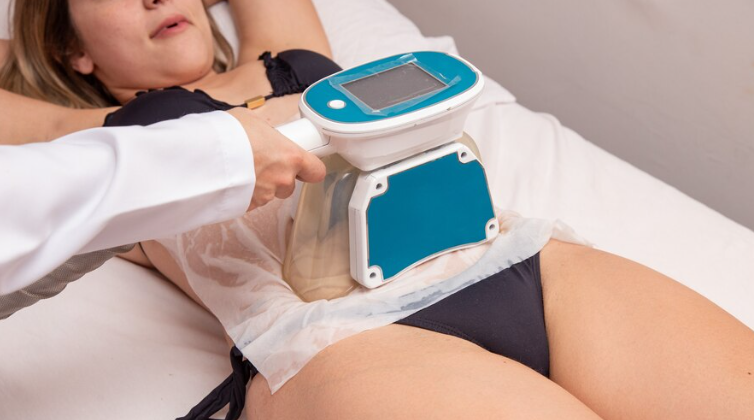
- Apply a disposable anti-freeze membrane to protect the epidermis.
- Positioning:
- Ensure the patient is comfortable and relaxed.
- Use pillows or straps to minimize movement during treatment.
Applying the Applicator
- Applicator Selection:
- Choose the appropriate size (small, medium, large) based on the treatment area.
- Application:
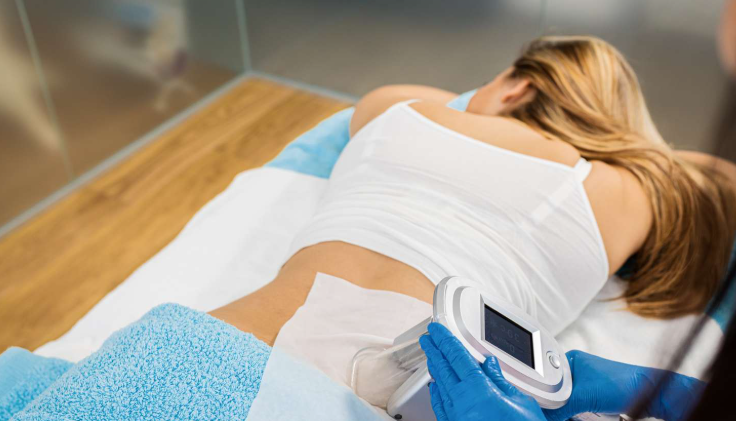
- Place the applicator over the marked zone, ensuring full contact.
- Activate the vacuum to draw fat tissue into the cooling cup.
- Temperature and Time Settings:
- Set the temperature to -11°C (adjustable based on patient tolerance).
- Program the treatment duration (typically 35–60 minutes).
Monitoring During the Procedure
- Patient Comfort: Check for discomfort, numbness, or pain every 10–15 minutes.
- Skin Condition: Monitor for signs of frostbite (e.g., excessive redness, blistering).
- Device Status: Ensure the machine is functioning correctly; address alarms promptly.
Post-Treatment Care
- Massage:
- Gently massage the treated area for 2–3 minutes to break up frozen fat cells.
- Device Cleanup:
- Disinfect the applicator and dispose of the anti-freeze membrane.
- Record treatment parameters for future reference.
- Patient Instructions:
- Advise on post-treatment care (e.g., hydration, light activity).
- Schedule a follow-up appointment in 4–6 weeks.
Aftercare and Managing Side Effects
Expected Post-Treatment Effects
- Transient Redness/Swelling: Resolves within 1–2 weeks.
- Numbness: Lasts 1–2 weeks as nerves regenerate.
- Mild Bruising: Fades within 2–3 weeks.
Side Effect Management
- Swelling/Bruising: Apply cold compresses for 10–15 minutes every 2–3 hours.
- Itching: Use a fragrance-free moisturizer.
- Pain: Over-the-counter NSAIDs (e.g., ibuprofen) may help.
Recovery Recommendations
- Activity: Resume normal activities immediately; avoid strenuous exercise for 24 hours.
- Hydration: Drink 2–3 liters of water daily to support lymphatic drainage.
- Massage: Perform self-massage daily for 2–3 weeks to enhance results.
Results and Follow-Up
Timeline for Visible Results
- Week 1–3: Initial inflammation may mask results.
- Week 4–6: Noticeable fat reduction as the body metabolizes dead cells.
- Month 3–6: Full effects visible; additional sessions may be planned.
Follow-Up Sessions
- Evaluate progress at 4–6 weeks.
- Adjust the treatment plan based on outcomes.
- Recommend maintenance sessions every 6–12 months if needed.
Long-Term Maintenance Tips
- Diet: Follow a balanced, low-calorie diet to prevent weight gain.
- Exercise: Incorporate strength training and cardio to tone muscles.
- Hydration: Maintain adequate water intake to support metabolic processes.
Frequently Asked Questions
Is Cryolipolysis Safe and Effective?
Yes, when performed by a trained professional on suitable candidates, cryolipolysis is FDA-cleared and has a high safety profile. Studies show a 20–25% fat reduction per session.
How Does It Compare to Other Fat Reduction Methods?
- Liposuction: Surgical, higher risk, but removes more fat in a single session.
- Radiofrequency (RF): Non-invasive, tightens skin but has minimal fat reduction.
- Laser Lipolysis: Minimally invasive, targets smaller areas with less downtime than liposuction.
What Are the Costs Involved?
- Per Session: 1,200, depending on the area and provider.
- Package Deals: Discounts for multiple sessions or areas.
- Comparison to Surgery: 30–50% cheaper than liposuction.
What If the Device Stops Working Mid-Session?
- Pause the Treatment: Immediately stop the machine and release the vacuum.
- Assess the Patient: Check for discomfort or skin damage.
- Troubleshoot: Follow the manufacturer’s guide (e.g., restart the device, switch applicators).
- Document the Incident: Note the time, error code, and patient response.
Conclusion
Cryolipolysis frozen lipolysis devices offer a safe, effective, and non-invasive solution for localized fat reduction. By adhering to a structured treatment plan, prioritizing patient safety, and providing comprehensive aftercare, professionals can achieve optimal results. Success hinges on careful patient selection, customization, and consistent follow-up. Always emphasize realistic expectations and long-term lifestyle maintenance to ensure lasting outcomes.
GLM is a specialized beauty instrument factory that produces instruments for a variety of functions, including weight loss devices. We have vacuum negative press, radio frequency fat blasting equipment, frozen fat dissolving machine and EMS body shaping machine. GLM is a 14 year old supplier of beauty instruments with guaranteed quality.https://gdglmbeauty.com/