Although many people are happy with their bodies, there's no denying that truly falling in love with your body can be a challenge. Achieving the ideal body is even more difficult, and even if we keep exercising and eating a balanced diet, we will inevitably hit a roadblock at some point. Injuries are a common challenge.
Once injured, we are often limited in the types of activities we can engage in. While rest is key to recovery, being unable to return to normal life for extended periods of time can have a negative impact on our physical and mental health.
Electrotherapy treatment detailed explanation
Electrotherapy is a medical treatment, the core of which is to reduce pain and promote healing by applying electrical pulses to the injured area. These electrical signals send specific messages to the brain during transmission, which can effectively interfere with the transmission path of nerve pain signals. In short, these electrical signals are able to distract or slow down pain messages from nerves to the brain, thereby reducing the pain felt by patients.
As a highly effective physical therapy, electrotherapy has shown extensive application value in many medical fields:
Muscle rehabilitation: Through electrical stimulation, promote the repair and regeneration of damaged muscles, accelerate the rehabilitation process.
Increased local blood circulation: Electrical impulses stimulate blood vessels, improve blood flow, provide more nutrients and oxygen to the injured area, and accelerate healing.
Electrical muscle stimulation: Electrical stimulation for specific muscle groups to strengthen muscle strength and improve athletic performance.
Ease muscle spasm: By adjusting the frequency and intensity of electrical signals, effectively relieve muscle tension and spasm, reduce the discomfort of patients.
Maintain and increase range of motion: Electrotherapy helps to improve joint flexibility and prevent muscle atrophy, thereby maintaining and expanding the patient's range of motion.
Treating chronic pain: For patients who suffer from chronic pain, electrotherapy offers a non-pharmacological, non-invasive treatment option that can help relieve pain symptoms.
Wound healing: Electrical signals can stimulate cell proliferation and differentiation, speeding up the wound healing process.
Treatment of musculoskeletal diseases: For all kinds of musculoskeletal diseases, such as cervical spondylosis, lumbar disc herniation, electrotherapy can provide effective auxiliary treatment, reduce pain and improve quality of life.
The history of electrotherapy
The use of electrical stimulation as a means of pain relief dates back centuries. According to records, in 1743, Johann Gottlob Kruger first implemented electric therapy on patients, and this pioneering experiment marked the initial exploration of the clinical application of electric therapy. Later, John Wesley proposed the potential of electricity to cure all diseases, although this idea was not widely accepted by the mainstream medical community at the time. At the same time, Giovanni Aldini also experimented with the use of static electricity to treat insanity in the early 1820s.
However, it was not until the mid-19th century, with the innovative breakthrough made by British doctor Golding Bird in the medical use of electricity, that electrotherapy began to gradually gain recognition and acceptance in the mainstream medical community. In 1965, Ronald Melzak and Patrick Wall published the theory of gating, which states that pain signals traveling through the spinal cord pass through "gates" made of nerve fibers that are either transmitted to the body or blocked. This theory essentially states that the electrode can block the transmission of pain signals by stimulating the "gate".
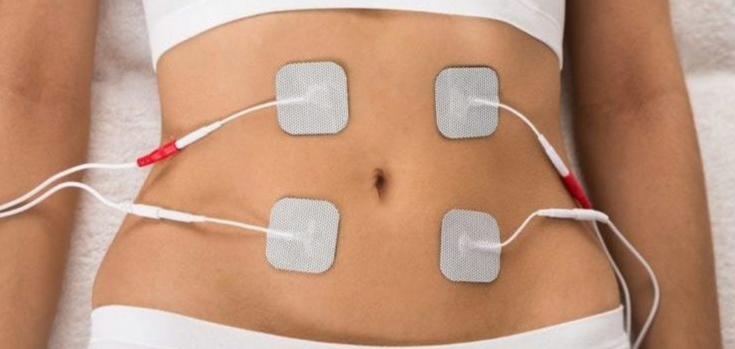
Over time, the treatment of electrotherapy has also undergone a shift from large doses of electrical pulses throughout the body to more precise doses. In 1974, American neurosurgeon Clyde Norman Shealy invented the transcutaneous electrical nerve stimulation (TENS) device, which uses sticky electrodes attached to the skin to deliver mild electrical pulses to the affected area to achieve pain relief. This invention further promoted the wide application and development of electrotherapy in clinical practice.
Different types of electrotherapy and their applications
Electrotherapy, a medical treatment widely used to manage pain, promote healing and improve blood circulation, comes in many different forms. However, it is important to realize that not all forms of electrotherapy are appropriate for all conditions and injuries. Although there may be similarities between devices, the effects, waveforms, and frequencies of electrotherapy treatments can vary widely. Therefore, it is crucial to understand the differences between each treatment.
Transcutaneous electrical nerve Stimulation (TENS)
TENS, one of the most common forms of electrotherapy, uses electrodes to stimulate sensory nerves to reduce pain. The electrical impulses emitted by the electrodes are mainly used to treat chronic pain and neuralgia. A significant benefit of TENS is its ability to stimulate the release of endorphins, which improve mood and reduce feelings of pain. However, TENS is best used to treat localized pain rather than widespread pain.
Interfered Current Therapy (IFC)
Often used as an alternative to TENS, IFC is able to penetrate muscle tissue at a deeper level while minimizing discomfort. IFC uses low-frequency electrical stimulation to activate muscles, increase blood flow, and effectively relieve pain. This treatment is especially effective in treating deep muscle pain.
Therapeutic ultrasound
Unlike therapeutic electrical stimulation, therapeutic ultrasound requires the use of a transducer. A transducer is an electronic device that converts electrical energy into heat, which in turn improves blood circulation and speeds up the healing process of muscles, ligaments and tendons. This treatment is very effective in treating soft tissue injuries.
Shock wave therapy
Shock wave therapy also uses transducers as a therapeutic tool. The treatment is designed to reduce pain, promote healing, and help boost collagen production and reduce inflammation. Shock wave therapy is widely used to treat a variety of musculoskeletal diseases, such as plantar fasciitis, Achilles tendon disease and so on.
electroacupuncture
Electroacupuncture therapy combines the advantages of traditional acupuncture and electrical stimulation. While traditional acupuncture regulates the body by inserting thin needles at specific points, electroacupuncture therapy uses an electric current passed between two needles to treat acute pain. This therapy enhances the therapeutic effect on the basis of acupuncture treatment and provides a new treatment option for patients with acute pain.
The benefits of electrical stimulation therapy
Electrical stimulation therapy has shown significant advantages in strengthening muscles, relieving pain and promoting recovery. The following are the multiple benefits of electrical stimulation therapy:
Non-invasive and secure
For patients who have suffered serious injuries, painkillers are often the first choice for quick pain relief. However, painkillers can be associated with addiction and adverse side effects, such as immune system suppression and nausea. Worse, over time, the body may develop resistance to the drug and need to increase the dose to achieve the same effect. Fortunately, electrical stimulation therapy offers a non-invasive, safe, and effective alternative to painkillers. In some cases, it can even avoid further invasive treatments such as surgery.
Relieve neuralgia
People with neuralgia often experience muscle weakness, numbness, tingling, or burning, which can seriously affect daily activities and quality of life. TENS (transcutaneous electrical nerve stimulation) machines offer an effective way to locate and reduce neuralgia by blocking pain signaling.
Improve fitness
Research has shown that electrically stimulated muscles (EMS) can significantly improve the strength levels of elite athletes, even if they are already extremely physically capable. This is a boon for those seeking an effective alternative to strength training. In addition, EMS has been shown to reduce recovery times and speed athletes' return to competition.
Improves body condition and appearance
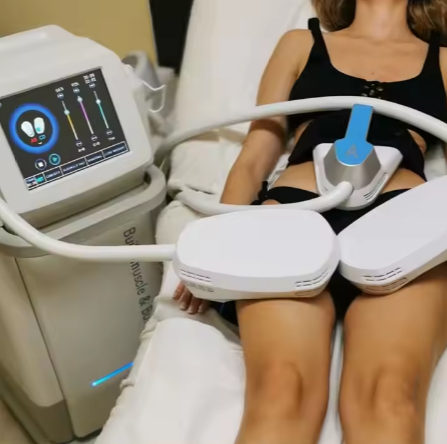
Without changing exercise or eating habits, EMS helps to improve the physical condition and appearance of young women. In one study, electrodes were placed on a woman's abdomen for 30 minutes to provide high-frequency electrical therapy. After treatment three times a week for six weeks, the researchers found that EMS significantly improved the physical condition and appearance of the participants.
Fat management for specific populations
Electrical stimulation is not a panacea for weight loss, but it is ideal for people who are close to the ideal weight range but want to get rid of stubborn fat. At the same time, electrical stimulation also provides a safer solution for people seeking to shape their hips, such as BBL.
Promotes healing of musculoskeletal disorders
A variety of musculoskeletal disorders, such as tennis elbow, shoulder pain, plantar fasciitis, and carpal tunnel syndrome, can be treated with electrotherapy. Electrical stimulation can increase blood flow to the affected area and facilitate the healing process. In addition, electrotherapy is equally good at treating sports injuries such as sprains and strains. Healthy blood circulation is at the heart of the healing process, and electrotherapy improves the body's ability to heal and repair tissue by enhancing blood flow.
Accelerate wound healing
The researchers conducted an in-depth investigation into the role of electrical stimulation in wound healing. Of 16 randomized clinical trials, 14 showed a higher rate of wound healing with electrical stimulation. This further confirms the remarkable effect of electrical stimulation in accelerating wound healing.
Founded in 2008, Guangzhou GLM Beauty Spa Equipment Factory, specializing in the manufacture, development and sales of beauty and fitness equipment. Our production base is located in Guangzhou, Guangdong Province, China. Since its establishment, we have introduced advanced production technology and equipment.
Adhering to the principle of "high starting point, high quality, high specialization", our company has produced a series of cost-effective, high-quality beauty and bodybuilding equipment. With professional marketing guidance and quality after-sales service, our products are exported to more than 20 countries and regions such as Southeast Asia, the Middle East, Europe and the United States, and won wide praise from customers, and won a good reputation.