Red light therapy and cancer risk
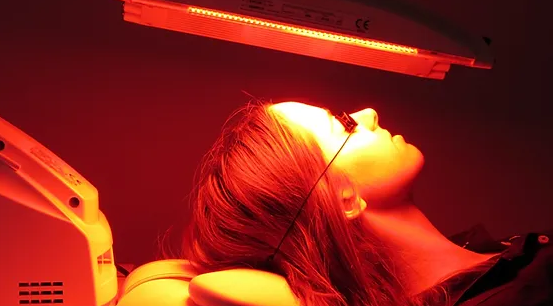
Red light therapy (RLT), as a non-invasive skin treatment, has gained attention in recent years due to its potential benefits for a variety of skin problems. However, as to whether red light therapy can cause cancer, the scientific community has not yet reached a clear conclusion, and further research is still needed to confirm.
Benefits of red light therapy
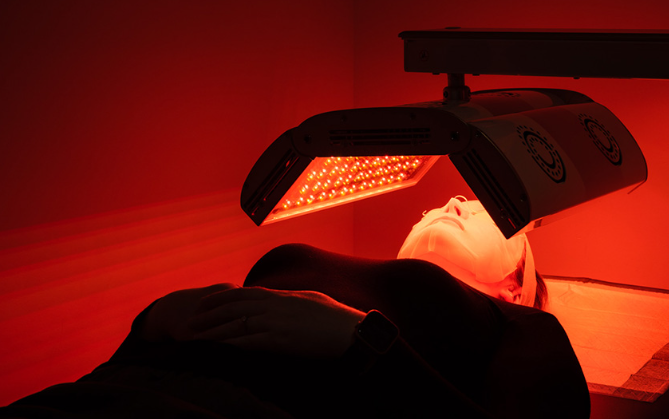
Red light therapy is widely used to solve skin problems such as wrinkles and stretch marks, as well as to treat skin diseases such as acne, psoriasis, and scars. In addition, it is believed to help reduce edema or inflammation, repair muscle tissue, and promote healthy aging. These benefits are largely due to the positive effects of red light exposure on cells, specifically strengthening mitochondria, where cells produce energy.
Understanding red light Therapy
Red light therapy involves applying low doses of red and near-infrared light to the skin for a predetermined period of time on a regular basis. Red light has a short wavelength, does not generate heat, and is able to penetrate the skin by about 1 to 2 millimeters. This irradiation triggers biochemical reactions within the cell that increase ATP (adenosine triphosphate) levels, oxygen consumption and electron transport, thereby enhancing mitochondrial function.
As mitochondrial function improves, cells are better able to regenerate, repair themselves, and perform their functions more efficiently. Therefore, red light therapy has shown broad application prospects in the field of beauty and medical treatment. As one of the light sources for red light therapy, LED is becoming more and more popular because of its easy operation and high safety, becoming a more popular choice than laser.
Red light therapy and cancer risk
Although red light therapy has shown significant benefits in a number of areas, there is still a lack of hard evidence on whether it increases cancer risk. Some studies have suggested that red light therapy may be able to increase blood flow, reduce inflammation, raise collagen levels, and boost fibroblast production, but these studies have not directly looked at its relationship with cancer.
Therefore, when deciding whether to receive red light therapy, patients should fully understand its potential benefits and risks and make decisions under the guidance of a professional physician. At the same time, it is also vital to have regular skin examinations, as well as to pay attention to any possible skin reactions.
The science behind red light therapy
Traditional laser therapy, such as intense pulsed light (IPL), is known for its ability to quickly penetrate deep into the skin, but this process is often accompanied by local damage that triggers a healing response. In contrast, the red light treatment instrument works in a very different way.
How red light therapy works
Red light therapy uses low-intensity red light and near-infrared wavelengths (typically 660 nm and 890 nm). These light waves can penetrate the epidermis (the outermost layer of the skin) and penetrate deep into the dermis (the deep layer of the skin). In the dermis, light energy is absorbed by cells, which in turn trigger a series of beneficial biochemical reactions.
Results of red light therapy and cancer
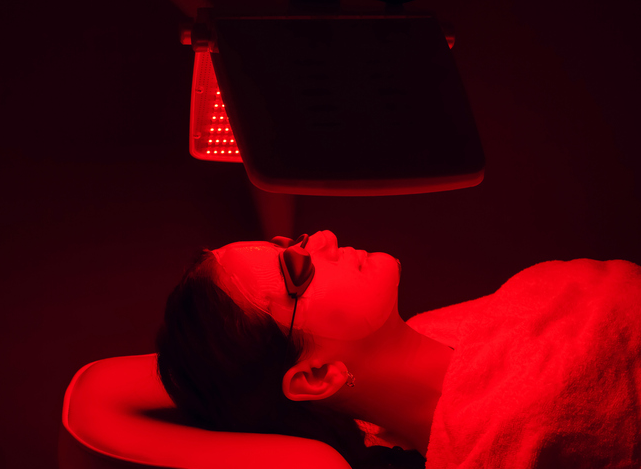
The potential therapeutic benefits of red light therapy (RLT) have been extensively studied. However, the current scientific understanding of the relationship between red light therapy and skin cancer is still complicated. According to existing research, RLT using low intensity red light and near infrared spectroscopy shows significant effects in the following areas:
Wound healing
Pain management
Skin health improvement
These benefits are mainly attributed to the promotion of RLT's ability to repair cells and the reduction of inflammation levels.
Does red light Therapy promote cancer cell growth?
This is a matter of great concern. However, based on the current findings, RLT does not appear to induce cancer or promote cancer cell proliferation. Most studies have shown that the wavelengths and intensities used for RLT are not carcinogenic. In contrast, high-intensity light sources, especially ultraviolet light, can be harmful to the human body, while RLT uses a completely different wavelength and lower intensity.
Safety of red light therapy in cancer patients
Although RLT is generally considered safe, cancer patients still need to fully communicate with their doctor before receiving treatment. The safety or danger of RLT in cancer patients depends on their specific medical history and the type of malignancy. According to some studies, RLT can even help mitigate the adverse effects of cancer treatment, such as oral mucositis caused by chemotherapy.
However, in photodynamic therapy (PDT), red light is used to treat specific types of malignancies. In PDT, red light acts as one of the wavelengths of light that activate photosensitive chemicals, capable of producing reactive oxygen species that destroy cancer cells. Patients with certain forms of lung cancer, esophageal cancer and skin malignancies respond well to this treatment.
Potential risks and side effects of red light therapy
Experts generally agree that red light therapy is safe under the right conditions (such as each treatment lasting 10-20 minutes). Still, some people may experience some temporary side effects, such as redness and tightness of the skin in the treated area. These reactions are usually due to increased blood flow in the treated area and are usually mild and temporary.
On the question of whether red light therapy contains ultraviolet light (UV), a recognized carcinogen, it is worth noting that the light waves used in red light therapy do not contain UV components, so there is no concern about its carcinogenic risk.
At low intensity, side effects of red light therapy are uncommon. Researchers have determined a safe dose range for LED red light (LED-RL) for people with different skin tones. For colored skin, the safe dose can be as high as 320 J/cm², and for non-Hispanic Caucasian skin, the safe dose can be 480 J/cm². This data suggests that darker skin may be more sensitive to light therapy and therefore need to be more cautious when receiving red light therapy.
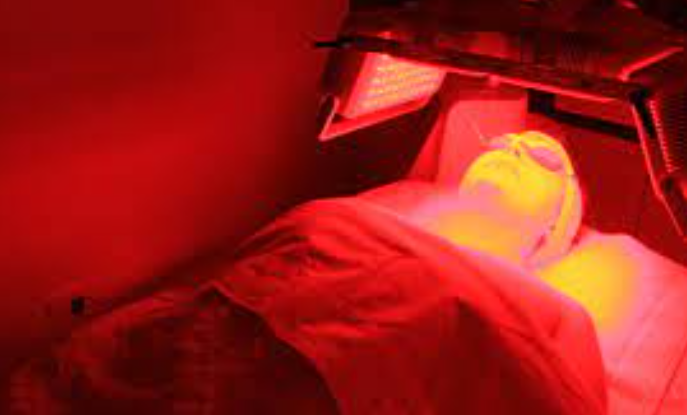
Household LED red light equipment is generally less efficient, and its output power and generated energy density are much lower than professional equipment. For example, a domestic LED red light device with an output power of 100 mW/cm² can only produce an energy density of 6 J/cm² per minute of treatment time. Even after 20 minutes of treatment, its total energy density is only 120 J/cm², far below the safety warning threshold, so it can be considered very safe.
Most studies of red light therapy have documented the duration and length of treatment in detail and found no long-term side effects. However, in order to ensure the safety and effectiveness of the treatment, patients should still consult with a professional physician before receiving red light therapy and follow the doctor's advice and guidance. At the same time, for the use of household red light equipment, you should also carefully read the instructions to ensure proper use and avoid potential risks.
Frequently Asked Questions
Is the red light bed safe?
Red light beds, especially those equipped with specialized LED phototherapy equipment, are designed to relieve pain and promote skin health. Red light is generally safe to use in the short term, but its long-term efficacy and safety are still being studied. To ensure proper use and safeguard safety, it is recommended to consult a professional health care provider before using a red light bed, especially if you have any underlying health problems.
Are red light masks and belts safe?
Red light therapy bands and LED light therapy masks appear to be safe when used for short periods of time and when instructions are followed, and no harmful effects have been found. Compared to some topical skin treatments, this treatment is non-invasive, non-toxic and less irritating.
How long is it safe to keep a red light on?
The relationship between red light therapy and cancer risk is still under discussion. However, high intensity or prolonged exposure to red light that exceeds recommended therapeutic limits may cause damage to the skin. Household red light products can cause burns, blisters or eye damage if used improperly, so wear safety goggles when using them.
Can I use red light therapy every day?
For handheld red light devices, it is generally recommended to use three to five times a week for 10-20 minutes each time. Ideally, doctors recommend red light therapy four to five times a week, as the results will be more pronounced. But be sure to follow the product instructions and your doctor's advice.
Can red light therapy tighten the skin?
Red light therapy and other infrared therapies are designed to boost collagen production, which helps to tighten the skin. These therapies are generally considered safe and non-invasive, and can be completed with only a short course of treatment. However, it takes a while for the effects to appear and it may take several sessions to achieve the desired effect.