

Does Ultrasound Cavitation Fat Reduction Harm the Body or Just the Fat?
In the ever-evolving landscape of cosmetic treatments, non-invasive body contouring methods have surged in popularity, offering individuals alternatives to traditional surgical fat reduction techniques. Among these innovative procedures, ultrasound cavitation fat reduction has emerged as a frontrunner, promising targeted fat loss without the need for incisions, anesthesia, or prolonged recovery periods. However, as more people consider this cutting-edge treatment, a pertinent question arises: Does ultrasound cavitation harm the body, or does it selectively target and destroy only fat cells? In this comprehensive blog post, we will delve deep into the science behind ultrasound cavitation, scrutinize its effects on the body, explore safety considerations, and debunk prevalent myths surrounding this treatment.
Understanding Ultrasound Cavitation
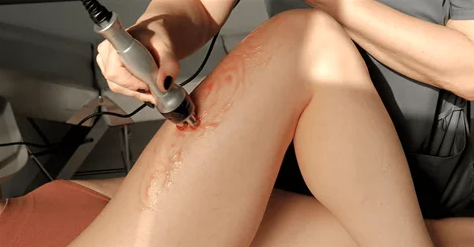
Ultrasound cavitation is a sophisticated cosmetic procedure that employs low-frequency ultrasonic waves to break down stubborn fat deposits. Unlike invasive techniques such as liposuction, which physically remove fat cells from the body, ultrasound cavitation offers a non-surgical approach to fat reduction. This method is particularly appealing to those who seek to contour their bodies without the risks and downtime associated with surgery.
How Does It Work?
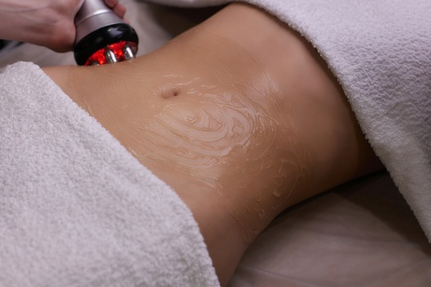
During an ultrasound cavitation session, a trained practitioner uses a handheld device to emit ultrasonic waves that penetrate the skin and reach the subcutaneous fat layer beneath. These waves create microscopic bubbles within the fat cells through a process known as cavitation. As these bubbles expand and contract rapidly, they generate pressure that causes the fat cell membranes to rupture. Once the membranes are compromised, the triglycerides stored within the fat cells are released in a liquid form. This liquefied fat is then absorbed by the body's lymphatic system, which transports it to the liver for metabolism and eventual elimination as waste.
Common Treatment Areas
Ultrasound cavitation is versatile and can be applied to various areas of the body where stubborn fat tends to accumulate. The most commonly targeted regions include the abdomen, thighs, flanks (love handles), upper arms, and buttocks. These areas are often resistant to conventional weight loss methods, making ultrasound cavitation an attractive option for individuals looking to achieve a more sculpted physique.
Ultrasound Cavitation vs. Other Fat Reduction Methods
To fully appreciate the benefits of ultrasound cavitation, it's essential to compare it with other popular fat reduction techniques. Liposuction, for instance, involves surgically removing fat cells from the body, which can be effective but comes with inherent risks such as infection, bleeding, and scarring. Cryolipolysis, another non-invasive method, destroys fat cells by freezing them, but it may require multiple sessions and can cause temporary numbness or discomfort in the treated area. In contrast, ultrasound cavitation aims to emulsify and shrink fat cells while leaving the surrounding skin, muscles, and nerves undamaged, offering a safer and more comfortable experience for patients.
Effects on Fat Cells
The primary mechanism of action for ultrasound cavitation is its targeted impact on fat cells, also known as adipocytes. Here's a closer look at what happens during and after the treatment:
Disruption of Fat Cell Membranes
The ultrasonic waves generated by the cavitation device create vibrations that specifically target the outer membranes of fat cells. These vibrations cause the membranes to weaken and eventually rupture, releasing the stored triglycerides in a liquid form. This process is highly selective, as fat cells are more susceptible to the frequencies used in ultrasound cavitation compared to other cell types in the body.
Fat Metabolism and Elimination
Once the fat cells are ruptured, the liquefied fat is absorbed by the lymphatic system, which acts as the body's drainage network. The lymphatic vessels transport the fat to the liver, where it undergoes metabolic processes similar to those involved in breaking down dietary fats. The liver converts the triglycerides into energy or stores them temporarily before they are excreted from the body as waste. This gradual elimination process means that results from ultrasound cavitation may not be immediately visible but become noticeable over several weeks as the body processes and eliminates the liquefied fat.
Results and Expectations
Patients undergoing ultrasound cavitation can expect to see a reduction in the circumference of the treated area after each session. On average, individuals may experience a loss of a few centimeters per session, although results can vary based on factors such as age, metabolism, lifestyle, and the expertise of the practitioner. Multiple sessions are typically required to achieve optimal results, with most patients undergoing between six to twelve treatments spaced one to two weeks apart. It's important to note that ultrasound cavitation is not a weight loss solution but rather a body contouring tool designed to target localized fat deposits.
Potential Effects on Surrounding Body Tissues
One of the primary concerns among individuals considering ultrasound cavitation is the potential for collateral damage to surrounding tissues, including the skin, muscles, nerves, and blood vessels. Understanding the safety profile of this procedure is crucial for making an informed decision.
Minimal Impact Beyond Fat Cells
Ultrasound cavitation is meticulously designed to target only fat cells, as they possess unique properties that make them responsive to specific frequencies of low-intensity ultrasound. Studies and clinical reports have consistently shown that when the procedure is performed correctly by a trained professional, the skin, muscles, nerves, and blood vessels in the treated area remain unharmed. This selectivity is due to the fact that these tissues do not resonate at the same frequencies as fat cells, making them less susceptible to the effects of ultrasonic waves.
Safety Profile and Side Effects
The safety profile of ultrasound cavitation is generally favorable, with a low risk of adverse effects when performed by a qualified practitioner. Most patients experience only mild and temporary side effects, such as redness, warmth, swelling, or bruising in the treated area. These symptoms typically resolve within a few hours to days and can be managed with over-the-counter pain relievers or cold compresses if necessary.
In extremely rare cases, complications such as inflammation, blisters, or uneven fat reduction may occur. These issues are more likely to arise if the equipment is misused, the treatment parameters are not adjusted correctly, or the patient is not an ideal candidate for the procedure. To minimize the risk of complications, it's essential to choose a reputable clinic with experienced practitioners who use certified medical devices.
Clinical Evidence
Numerous studies and clinical trials have been conducted to evaluate the safety and efficacy of ultrasound cavitation. These investigations have consistently demonstrated that when performed under medical-grade standards and by skilled professionals, the risk of non-target tissue damage is minimal. For example, a study published in the Journal of Cosmetic Dermatology found that ultrasound cavitation was effective in reducing subcutaneous fat without causing significant changes to skin elasticity or muscle function in the treated area.
Long-Term Safety Considerations
While ultrasound cavitation is marketed as a safe and non-invasive procedure, it's prudent for potential patients to consider the long-term implications of the treatment.
Current Research on Long-Term Effects
To date, there is no substantial evidence to suggest that ultrasound cavitation causes significant long-term harm when performed by experienced practitioners and under medical-grade standards. The liquefied fat that is processed by the liver is handled similarly to fat derived from dietary sources and does not accumulate in the bloodstream under normal health conditions. However, it's important to note that long-term studies on the effects of repeated ultrasound cavitation treatments are still limited, and more research is needed to fully understand the potential cumulative effects over time.
Medical Recommendations
Medical experts generally recommend that individuals with certain underlying health conditions should avoid ultrasound cavitation. These conditions include liver or kidney disease, as these organs play a crucial role in metabolizing and eliminating the liquefied fat. Patients with pacemakers or other metal implants should also steer clear of the procedure, as the ultrasonic waves could potentially interfere with the functioning of these devices. Additionally, pregnant or breastfeeding women are advised against undergoing ultrasound cavitation due to the lack of safety data in these populations.
Who Should Not Undergo Ultrasound Cavitation?
- Pregnant or breastfeeding women: The effects of ultrasound cavitation on fetal development and lactation are not well-studied, so it's best to err on the side of caution and avoid the treatment during these periods.
- Individuals with metal implants or pacemakers: The ultrasonic waves used in cavitation could potentially disrupt the normal functioning of these devices, posing a risk to the patient's health.
- Those with liver or kidney disease: Since the liver and kidneys are responsible for metabolizing and excreting the liquefied fat, individuals with compromised liver or kidney function may not be able to process the fat effectively, leading to potential health complications.
- Patients with active infections or skin lesions: Undergoing ultrasound cavitation on an area with an active infection or open wound could exacerbate the condition and delay healing.
Myths and Misconceptions
The internet is rife with rumors and misconceptions about aesthetic treatments, and ultrasound cavitation is no exception. Let's set the record straight on some of the most common myths surrounding this procedure:
-
Myth: Ultrasound cavitation can destroy vital organs or cause permanent bodily harm.
Fact: When performed correctly by a qualified practitioner on appropriate candidates, the risk of damage to vital organs or permanent bodily harm is negligible. The ultrasonic waves used in cavitation are specifically tuned to target fat cells and do not penetrate deep enough to reach internal organs.
-
Myth: Cavitation is a "miracle cure" for weight loss.
Fact: Ultrasound cavitation is a body contouring tool, not a substitute for a healthy diet and regular exercise. It is designed to target localized fat deposits and improve body shape, but it does not address the underlying causes of obesity or promote significant weight loss on its own.
-
Myth: Results are instant and permanent.
Fact: Results from ultrasound cavitation develop gradually over several weeks as the body processes and eliminates the liquefied fat. Additionally, maintaining long-term results requires a commitment to a healthy lifestyle, including a balanced diet and regular physical activity. Without proper aftercare, new fat deposits may form in the treated area or elsewhere on the body.
How to Ensure a Safe and Effective Treatment
With the growing popularity of non-invasive treatments like ultrasound cavitation, it's more important than ever to choose the right provider and follow safety guidelines to ensure a positive experience and optimal results.
Choosing a Qualified Provider
Selecting a reputable and experienced practitioner is crucial for the safety and effectiveness of your ultrasound cavitation treatment. Look for a clinic that employs certified professionals with specialized training in ultrasound cavitation. Ensure that the facility uses FDA-approved (or CE-marked in Europe) devices, as these have undergone rigorous testing to meet safety and efficacy standards. Research clinic reviews, credentials, and ask for before-and-after photos of previous patients to gauge the practitioner's skill level and the quality of results they deliver.
Questions to Ask During Consultation
Before undergoing ultrasound cavitation, schedule a consultation with your chosen practitioner to discuss your goals, expectations, and any concerns you may have. Here are some important questions to ask during the consultation:
- Am I a good candidate for ultrasound cavitation based on my medical history and body composition?
- What results can I realistically expect from the treatment, and how long will it take to see them?
- How many sessions will I need to achieve my desired outcome, and what is the recommended interval between sessions?
- Are there any potential risks or side effects specific to my situation that I should be aware of?
- What aftercare instructions should I follow to maximize the effectiveness of the treatment and minimize the risk of complications?
Pre- and Post-Treatment Care Tips
Following proper pre- and post-treatment care guidelines can help enhance the results of your ultrasound cavitation treatment and reduce the risk of side effects. Here are some tips to keep in mind:
- Pre-treatment care:
- Stay hydrated by drinking plenty of water in the days leading up to your treatment. Proper hydration helps support the lymphatic system's ability to flush out the liquefied fat.
- Avoid consuming alcohol and caffeine for at least 24-48 hours before your session, as these substances can dehydrate the body and interfere with the treatment's effectiveness.
- Wear comfortable, loose-fitting clothing to your appointment to ensure easy access to the treated area and promote relaxation during the procedure.
- Post-treatment care:
- Continue to drink plenty of water in the hours and days following your treatment to aid in the elimination of the liquefied fat.
- Engage in light to moderate physical activity, such as walking or yoga, to stimulate blood flow and lymphatic drainage. However, avoid strenuous exercise or activities that may cause excessive sweating or discomfort in the treated area for at least 24-48 hours.
- Follow any specific aftercare instructions provided by your practitioner, such as applying cold compresses to reduce swelling or avoiding certain skincare products that may irritate the skin.
- Maintain a healthy diet rich in fruits, vegetables, lean proteins, and whole grains to support your body's natural detoxification processes and prevent the formation of new fat deposits.
Conclusion
So, does ultrasound cavitation fat reduction harm the body, or does it selectively target and destroy only fat cells? Based on scientific research and clinical experience, the answer is clear: when performed by skilled professionals using proper equipment and techniques, ultrasound cavitation is a safe and effective method for reducing localized fat deposits with minimal risk to surrounding tissues. Side effects are typically mild and short-lived, and the procedure does not cause systemic bodily harm for eligible candidates.
While ultrasound cavitation is a promising technology for body sculpting, it's important to recognize that it is not a miracle cure and should not be viewed as a substitute for a healthy lifestyle. To achieve and maintain optimal results, individuals should combine ultrasound cavitation with a balanced diet, regular exercise, and proper aftercare. Always consult a qualified healthcare provider before undergoing any cosmetic treatment to ensure it is safe and suitable for your specific needs and medical history.
GLM is a specialized beauty instrument factory that produces instruments for a variety of functions, including weight loss devices. We have vacuum negative press, radio frequency fat blasting equipment, frozen fat dissolving machine and EMS body shaping machine. GLM is a 14 year old supplier of beauty instruments with guaranteed quality.https://gdglmbeauty.com/